Thousands of San Diegans to Lose Food Benefits as Federal Funding Cuts Hit

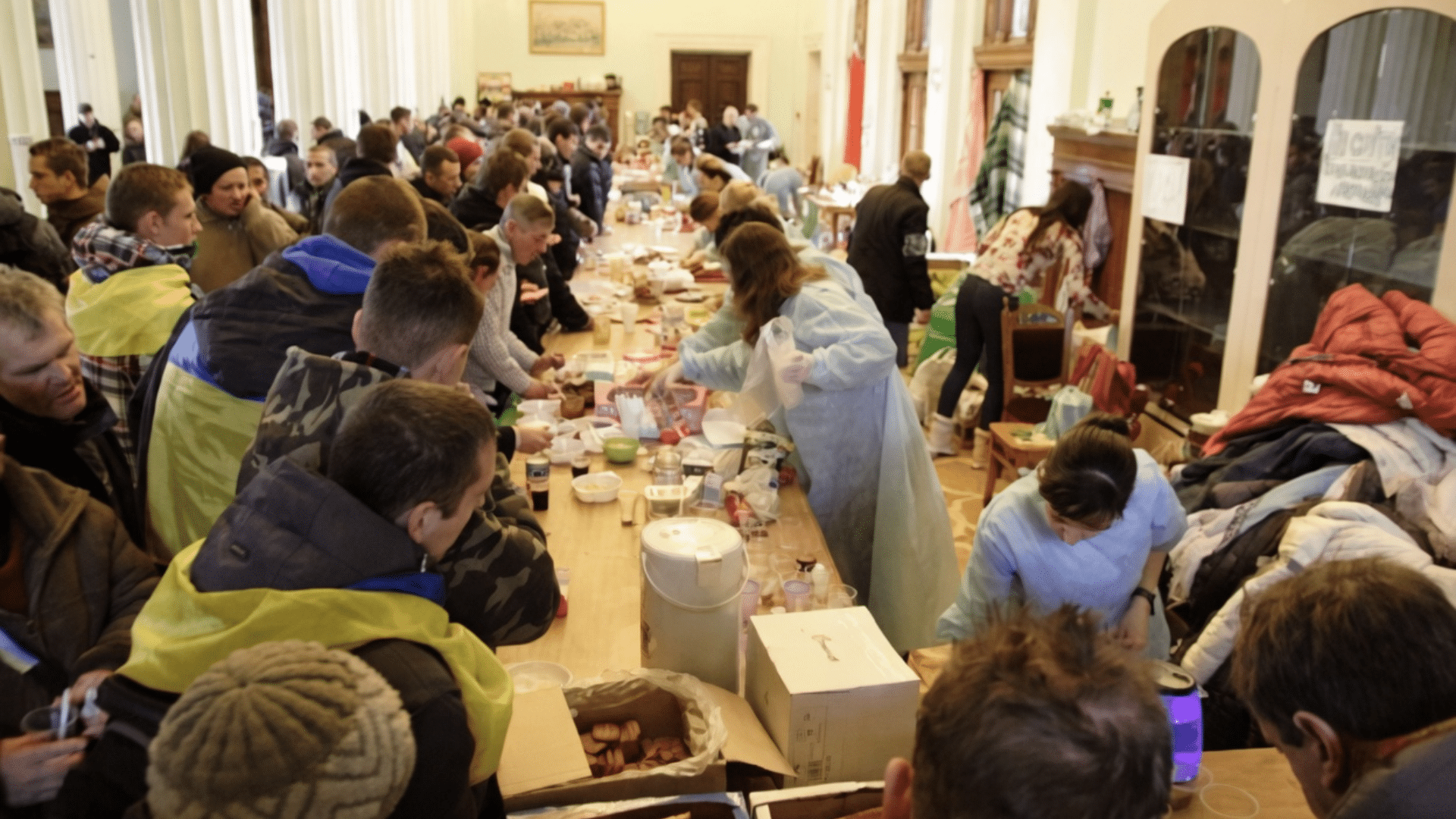
On a recent Thursday afternoon, cars stretched down Van Dyke Avenue in City Heights as hundreds of people waited in the heat to collect groceries from a church food distribution. Some turned off their engines. Others lined the sidewalk on foot, baskets in hand. “If it weren’t for this assistance, what would happen to us?” asked Blanca Blanco, 64, as she waited. That question is about to become urgent for tens of thousands more San Diegans.
The San Diego Hunger Coalition estimates that more than a quarter of San Diego residents are currently nutrition insecure. Food banks and nonprofits have already been absorbing rising demand driven by the increasing cost of groceries, utilities, and transportation. Now, a new layer of pressure is arriving in the form of federal policy changes that will strip CalFresh eligibility from significant portions of the population that currently depend on it to eat.
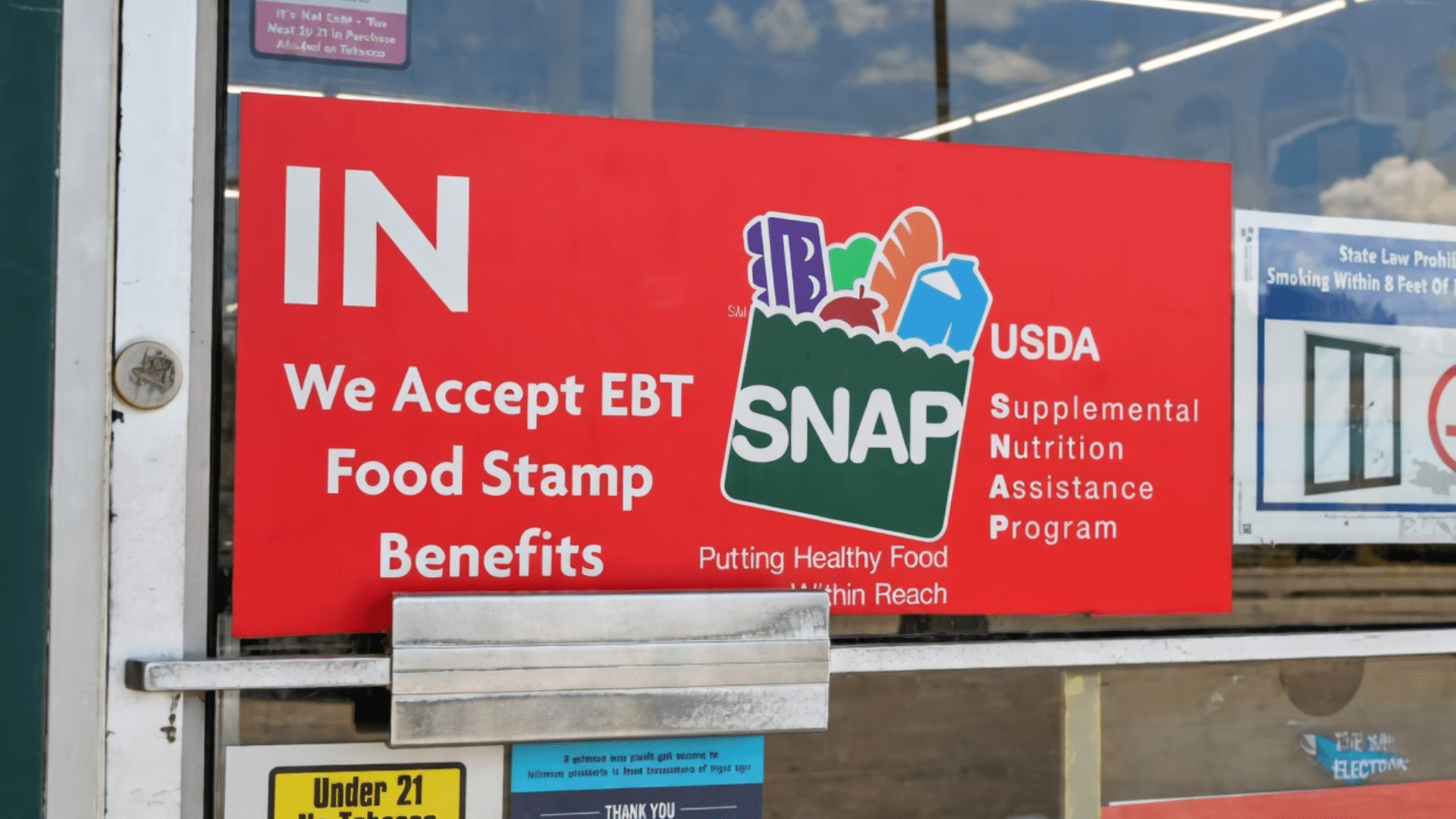
CalFresh is California’s version of the federal Supplemental Nutrition Assistance Program, more commonly known as food stamps. Nearly 400,000 San Diego residents rely on it. Two separate waves of eligibility changes, taking effect April 1 and June 1 of this year, are expected to remove benefits from more than 100,000 of those residents. For the food banks and church pantries already stretched thin, the math is unforgiving and the timeline is immediate.
Who Loses Benefits, and When: A Two-Stage Cutoff Already in Motion
The first wave hit on April 1. Under the federal law known as H.R. 1, signed last July, many legal immigrants who previously qualified for CalFresh under humanitarian protections lost their eligibility. The groups affected include asylum seekers, refugees, trafficking survivors, and many Iraqis and Afghans who entered the United States on special immigrant visas. San Diego County officials estimate that up to 13,000 CalFresh participants lost eligibility under this first round of changes.
The second wave arrives June 1, when new work and volunteer requirements take effect. Under the new rules, most adults must work or volunteer at least 80 hours a month to qualify for CalFresh. County officials estimate that as many as 93,500 additional residents could lose their benefits when those requirements go into effect. For affected participants, benefits will continue until their next recertification date, which typically occurs every 12 months but the eventual loss, for most, is a matter of when, not if.
For Shawn VanDiver, founder of AfghanEvac, a San Diego-based organization that helps resettle Afghans who assisted the United States during the war in Afghanistan, the cuts carry a particular weight. “It didn’t have to be this way,” VanDiver told the San Diego Union-Tribune. “The administration wanted to make life harder for immigrants and refugees. It seems unnecessarily cruel.” Many of those losing benefits are people who came to the United States under direct federal protection; now losing federal support in the same stroke.
Food Banks Are Preparing for a Surge They Are Already Struggling to Handle
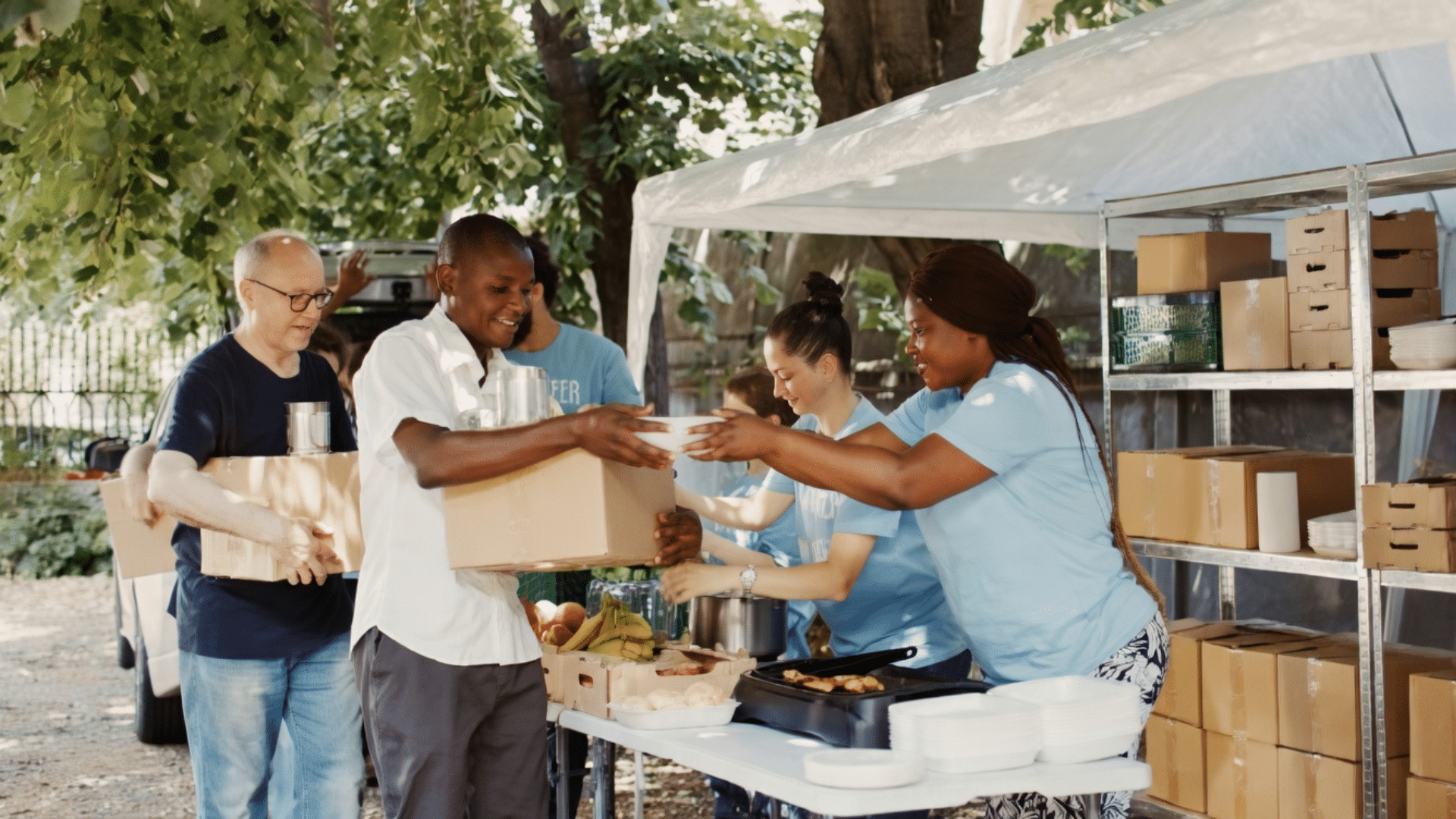
David Villalobos runs a twice-weekly food distribution out of Iglesia Casa de Alabanza in City Heights, drawing supplies from Feeding San Diego and the San Diego Food Bank. His assessment of what’s coming is blunt. “We don’t have enough food,” he told the Union-Tribune. “We’re definitely going to see more people coming.” The distribution already draws hundreds of people per session. Adding thousands of newly ineligible CalFresh recipients to that demand without additional resources creates a gap that goodwill alone cannot close.
Villalobos is not only a pastor managing food distribution, he is also a Transportation Security Administration screening supervisor at the San Diego airport who has been working without pay for more than a month due to the ongoing partial government shutdown. He has three children, including a 5-month-old, and has begun collecting food from his own church distributions to feed his family. His situation illustrates a broader trend: federal workers are now showing up at food banks alongside the immigrant and low-income communities those banks have historically served.
The San Diego Food Bank, which serves roughly 411,000 people per month, has begun purchasing additional food supplies and targeting distributions toward the neighborhoods facing the sharpest need, including City Heights, Mission Valley, and Poway. Feeding San Diego has reported rising client numbers in Escondido, the South Bay, and East County. Both organizations are working with county partners to prepare. Casey Castillo, the food bank’s chief executive officer, framed the organization’s role in terms that extend beyond groceries: “When you’re coming to get food from us, it’s likely that you’re struggling in other areas.”
An Enrollment Gap That Could Ease the Crisis, If Fear Doesn’t Get in the Way

Amid the pressure on food banks, one possible relief valve exists, though it comes with its own complications. Alondra Alvarado, president and chief executive officer of the San Diego Hunger Coalition, points out that many San Diegans who qualify for CalFresh are not enrolled in it. Her organization has tracked about 25,000 people who disenrolled from the program over the past year, a trend she attributes largely to fear, particularly in immigrant communities, of accepting federal benefits and drawing government attention.
The practical consequence of that disenrollment is that food pantries and church distributions are absorbing demand that CalFresh was designed to handle. If eligible residents enrolled, Alvarado argues, it would reduce pressure on community food organizations and reserve their limited supplies for those who are genuinely ineligible. “If we are able to enroll all the people who qualify for CalFresh on the program, then we can alleviate a little bit of the burden that food pantries are receiving right now,” she told the Union-Tribune.
The San Diego Food Bank has built one practical bridge between the two systems: clients can volunteer at the food bank, and those hours count toward the new 80-hour monthly work requirement for CalFresh eligibility. But the deeper tension in all of this remains unresolved. Residents are simultaneously navigating rising food costs, gas price increases tied to the Iran war, and an eroding safety net all at once. Whether the institutions designed to catch people can expand fast enough to meet what is coming is a question San Diego is about to answer in real time.