Secret Chemicals in US Food Supply Raise Questions About Safety

You trust the label. You trust what’s inside. But what if some ingredients never went through the checks you assumed they did? A new investigation is raising fresh questions about what’s actually in parts of the U.S. food supply—and how much oversight really exists.
The Discovery
Researchers found that at least 111 substances of unknown safety have been added to foods, drinks, and supplements in the U.S. without notifying regulators. These ingredients appear in everyday products, from snacks and beverages to prepared meals.
How This Happens
The issue centers on a rule known as “Generally Recognized as Safe” (GRAS). Companies can decide on their own that a new ingredient is safe. They do not have to inform the FDA before using it. That means some substances enter the food supply without any independent review.
A Growing Loophole
Experts say companies increasingly rely on this system. One analysis found that nearly 99% of new food chemicals introduced since 2000 were approved by the industry itself, not the FDA. What started as a shortcut for basic ingredients like salt and vinegar has expanded far beyond that.
“Natural” Doesn’t Always Mean Safe

Many of these ingredients sound harmless. They include extracts from green tea, aloe vera, mushrooms, and other plants. But once processed into concentrated forms, they can behave very differently in the body. In some cases, concentrated versions have been linked to liver damage or other health concerns.
Real-World Consequences

This is not just a technical issue. In one case, a food ingredient called tara flour—introduced without proper review—was linked to hundreds of illnesses and hospitalizations before regulators stepped in. Problems often come to light only after people get sick.
Limited Transparency
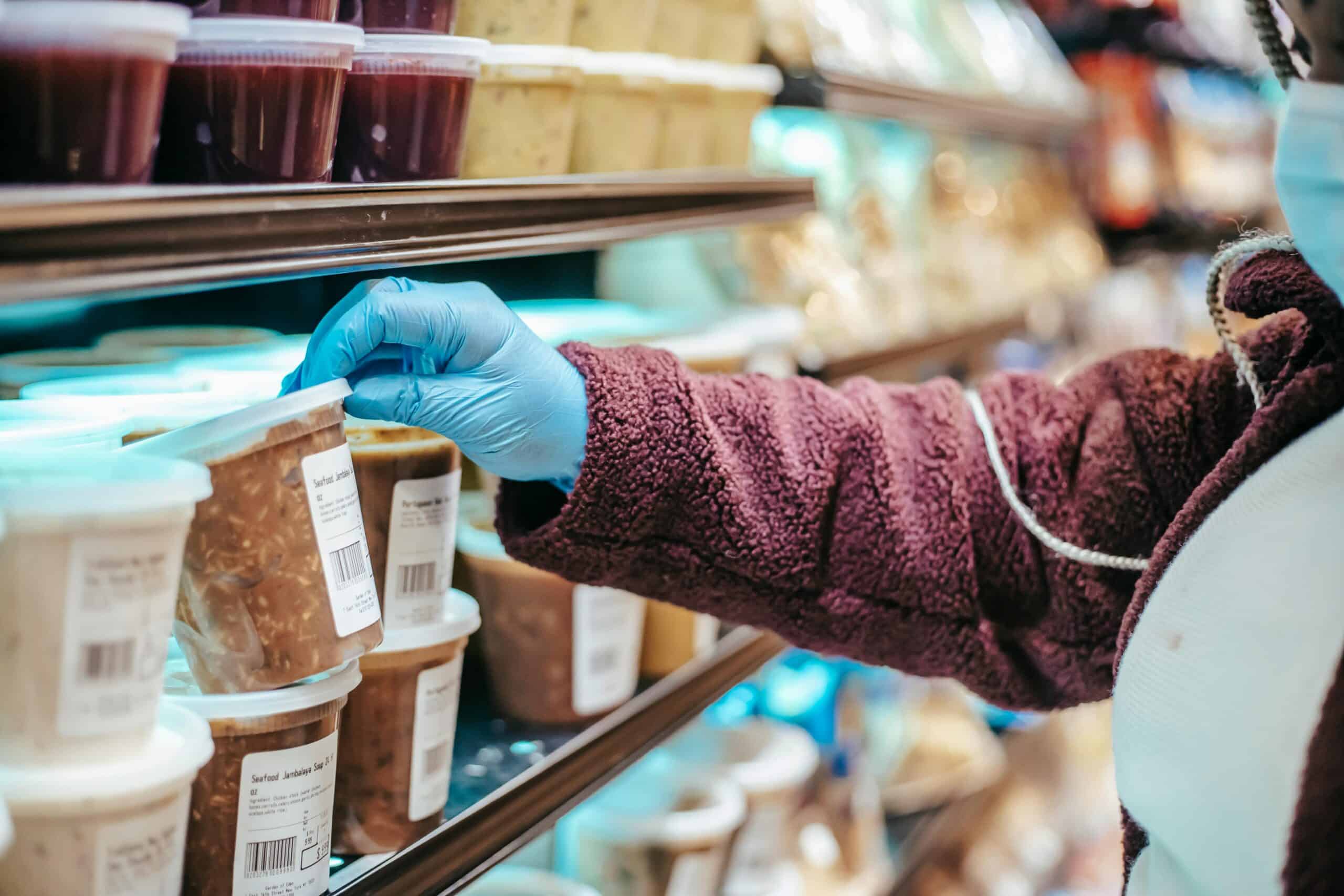
Consumers often have no way of knowing which products contain these substances. Even when companies make safety decisions, the supporting data may remain private. That leaves a gap between what’s on the label and what’s fully understood.
What Regulators Are Doing
The FDA says it continues to review chemicals and can reassess ingredients when new data emerges. There are also discussions about tightening the system and improving transparency, though meaningful changes may take time.
Why This Matters to You
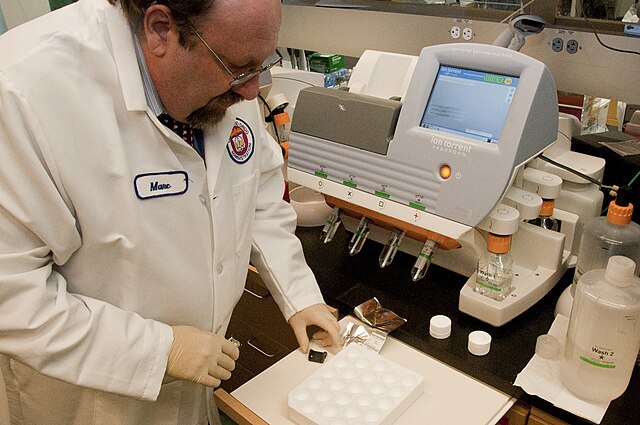
For most people, this does not mean panic. But it does highlight a reality many don’t consider: not every ingredient has gone through the same level of scrutiny. The takeaway is awareness. Understanding that “approved” does not always mean “independently reviewed.”
Looking Ahead
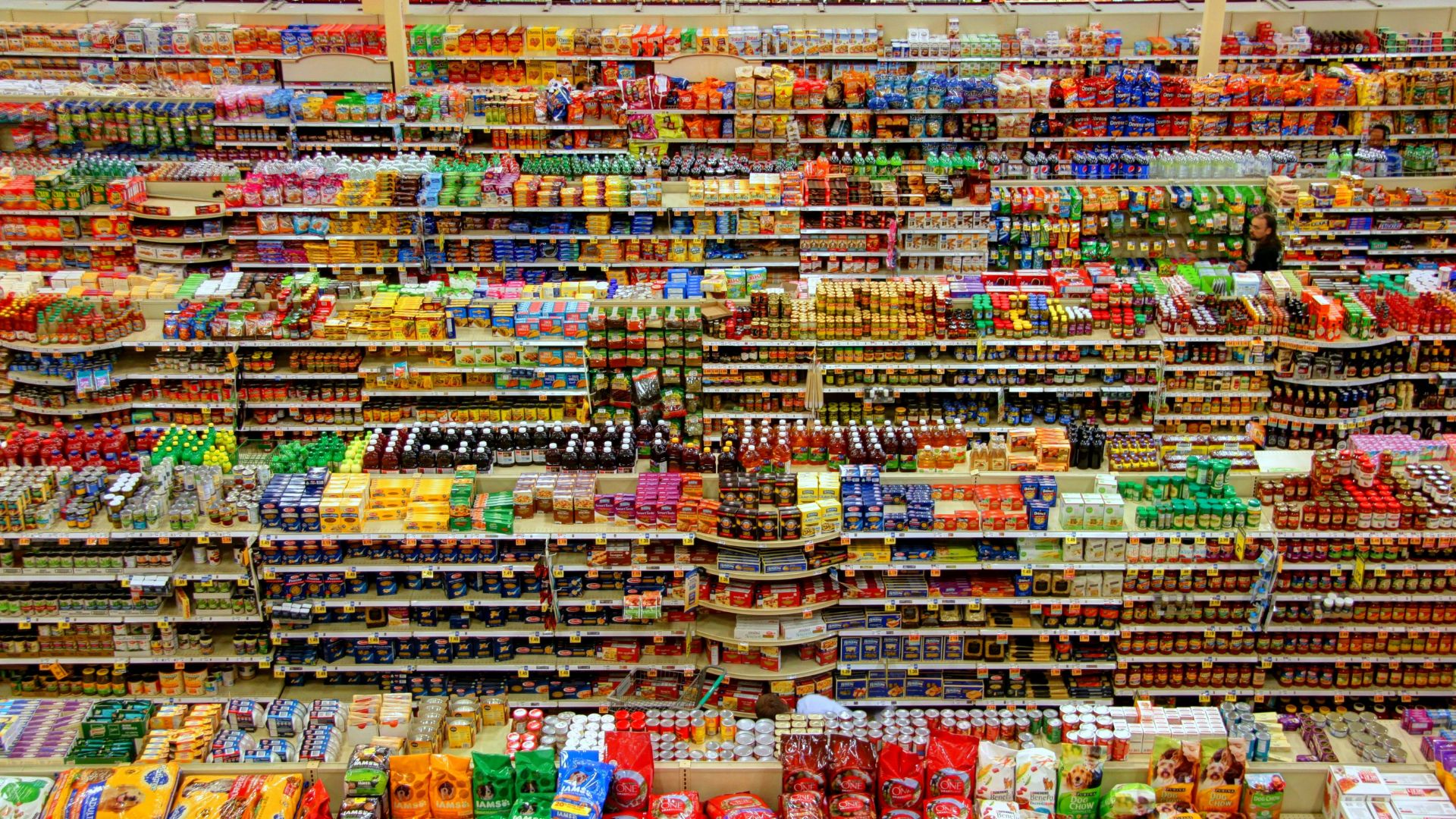
This story is less about one report and more about what it signals. As food science moves faster, the systems designed to oversee it are being tested. Some see this as a call for reform, while others point out that the U.S. still maintains one of the most regulated food systems in the world. Looking forward, the bigger question is simple: how much transparency should we expect about what we eat and who should be responsible for ensuring it?