Servers Are Opening Up About the ‘Dramatically Different’ Dining Behaviors of Boomers and Gen Z


The so-called “Waiter Rule” suggests that how people treat service staff reflects their character. For restaurant servers, this idea plays out daily. From greetings to payment, diners reveal their habits in subtle and not so subtle ways.
Generational Gap Shapes Restaurant Experiences
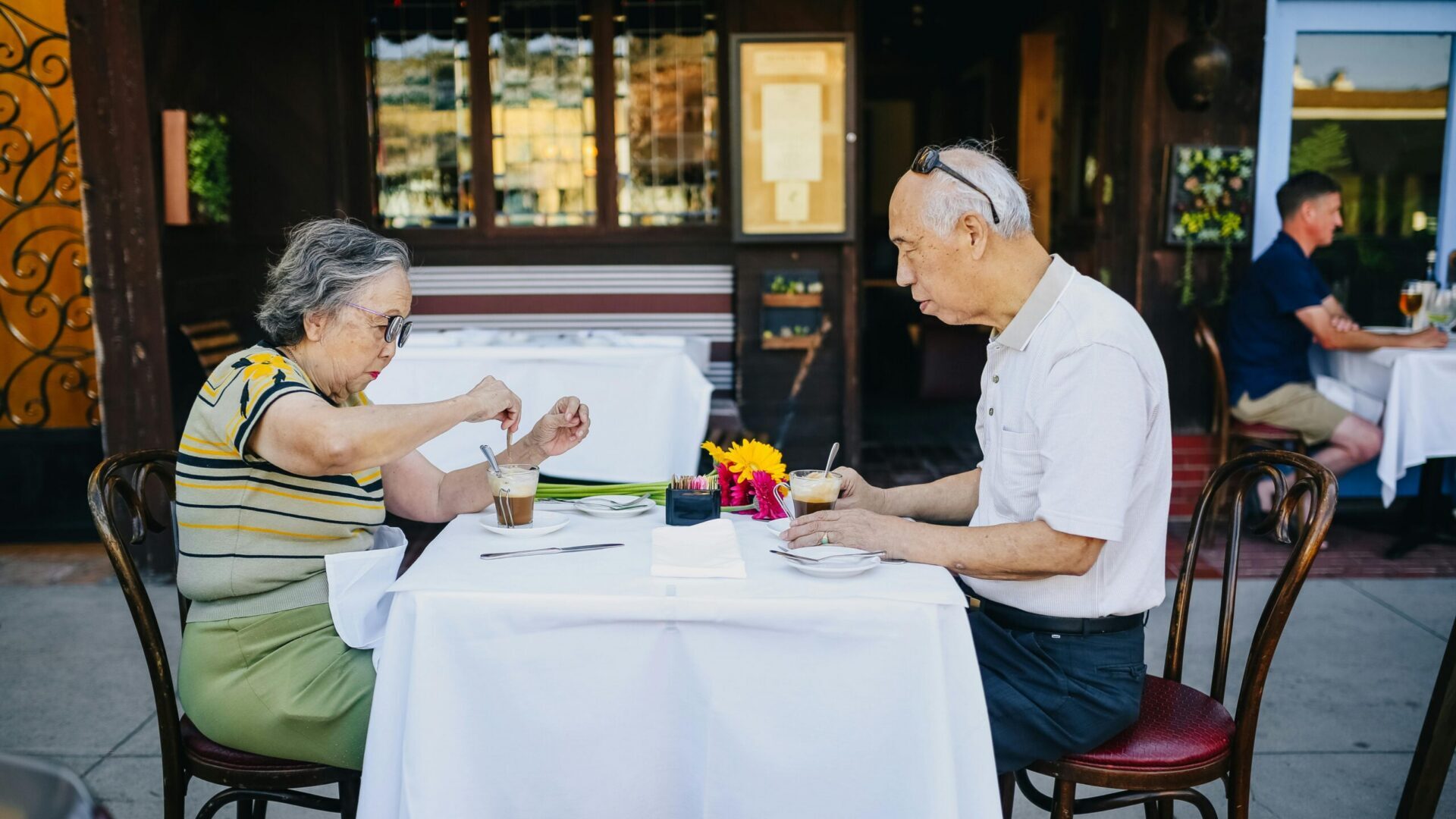
The contrast between Baby Boomers and Gen Z is significant. With decades separating them, their expectations, communication styles, and dining priorities often differ dramatically. This gap becomes especially visible in how they interact with staff.
Boomers Prefer Conversation and Connection

Older diners often initiate small talk with servers. They ask about the day, offer compliments, and engage before even ordering. For many, dining is as much about human connection as it is about food.
Friendly Engagement Sometimes Crosses the Line
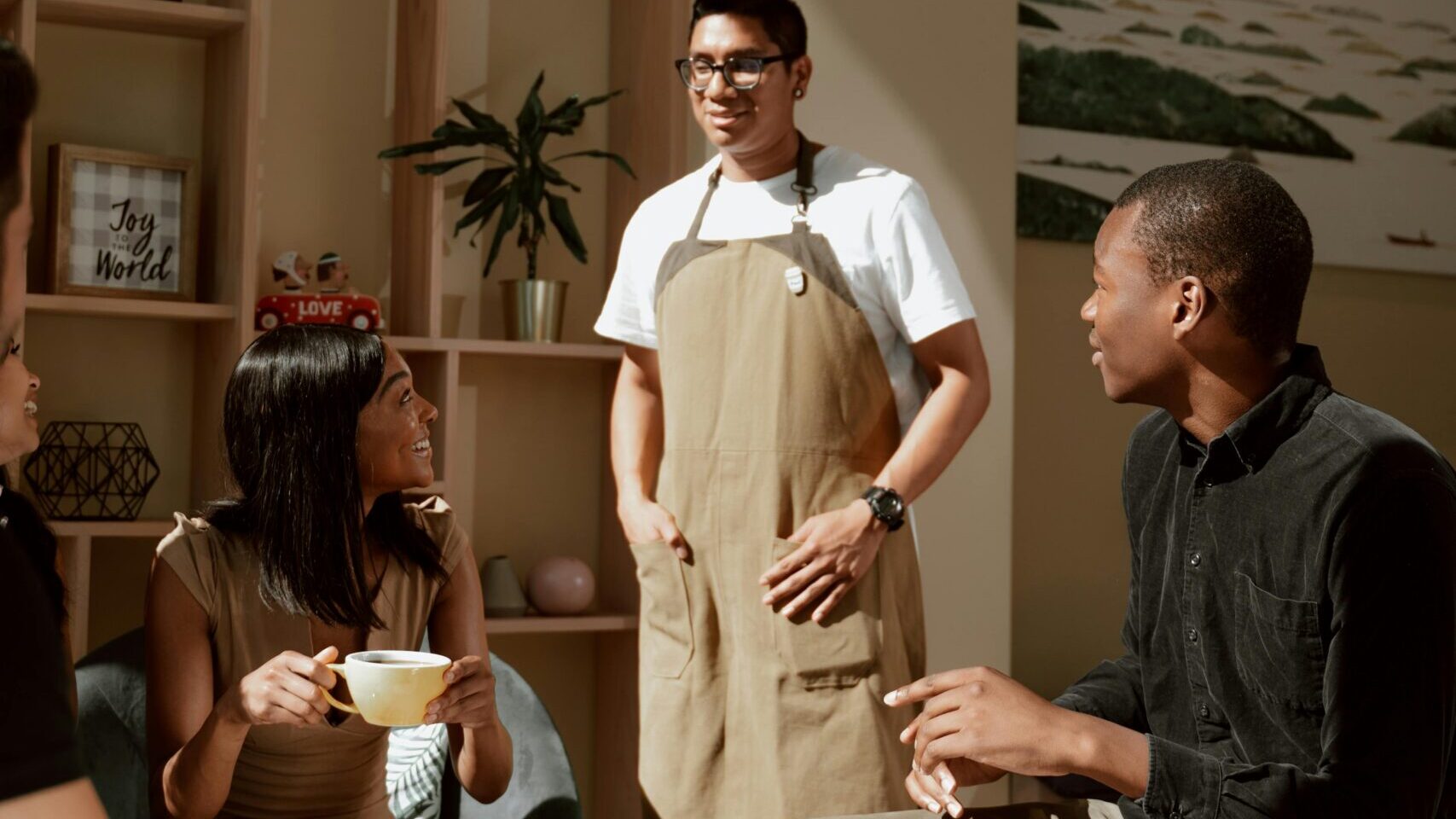
While conversation can be pleasant, it can also become intrusive. Some diners blur boundaries by interrupting staff mid-task or seeking attention at inconvenient moments. What feels friendly to one person may feel disruptive to another.
Over Familiar Behavior Can Create Awkward Moments

Servers often recount stories of diners stepping beyond expected norms. Instances like approaching hosts during busy moments or even entering kitchen spaces highlight how enthusiasm can turn into overreach. These actions can unintentionally add stress to already fast-paced environments.
Gen Z Brings a More Reserved Approach

In contrast, younger diners tend to minimize interaction. Many prefer quick, efficient exchanges rather than extended conversation. Their focus often remains on the meal and the experience rather than social engagement.
The Gen Z Stare Becomes a Notable Trend
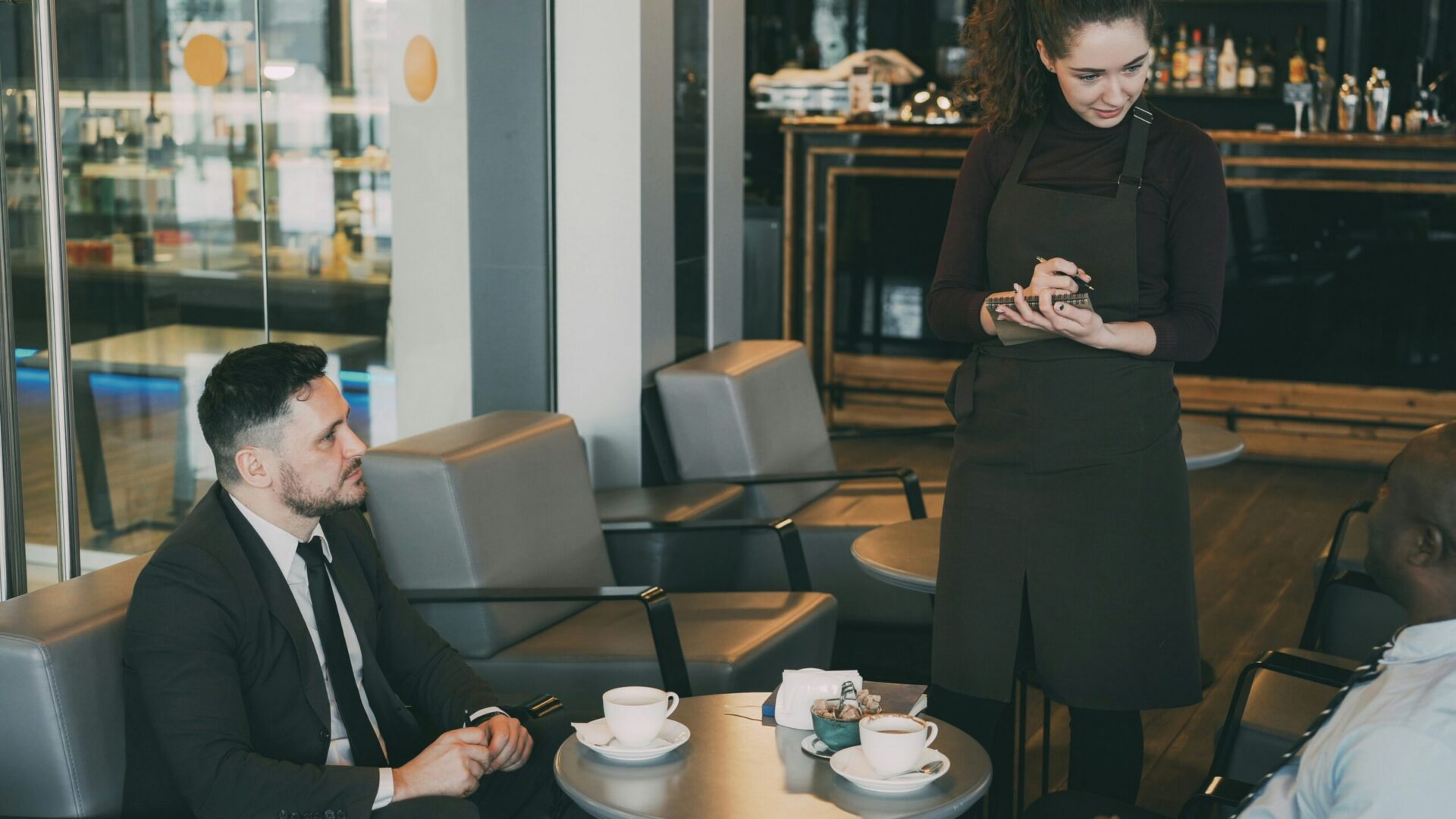
Servers frequently describe what has been dubbed the “Gen Z stare.” This involves minimal verbal response and prolonged silence during interactions. While not necessarily rude, it can create uncertainty and discomfort for staff trying to communicate.
Silence Can Slow Down Service Flow
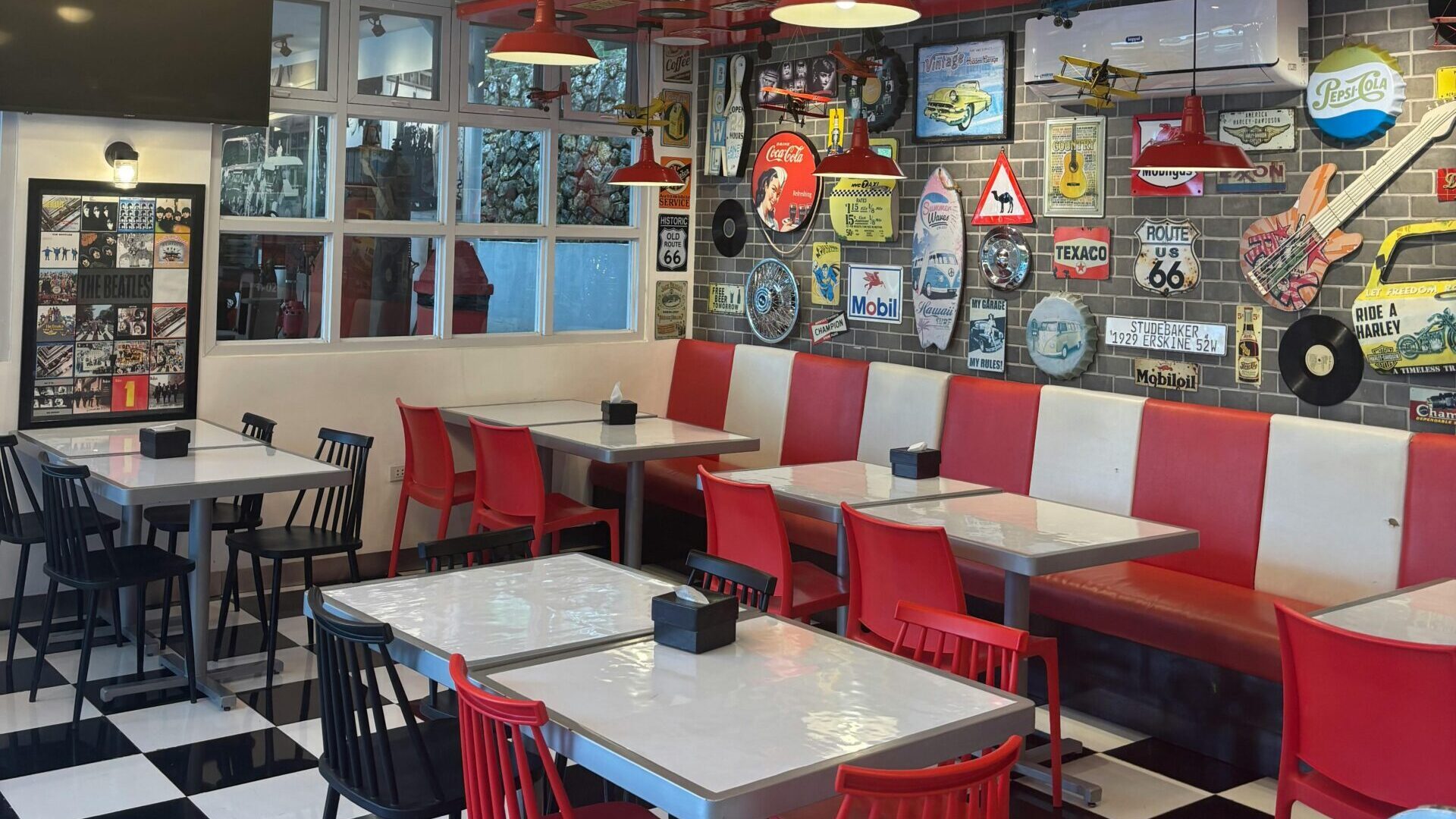
Lack of response can disrupt routine service. Simple tasks like confirming orders or checking satisfaction may take longer when communication is minimal. For servers juggling multiple tables, this can affect efficiency.
Dining Preferences Reflect Broader Cultural Shifts
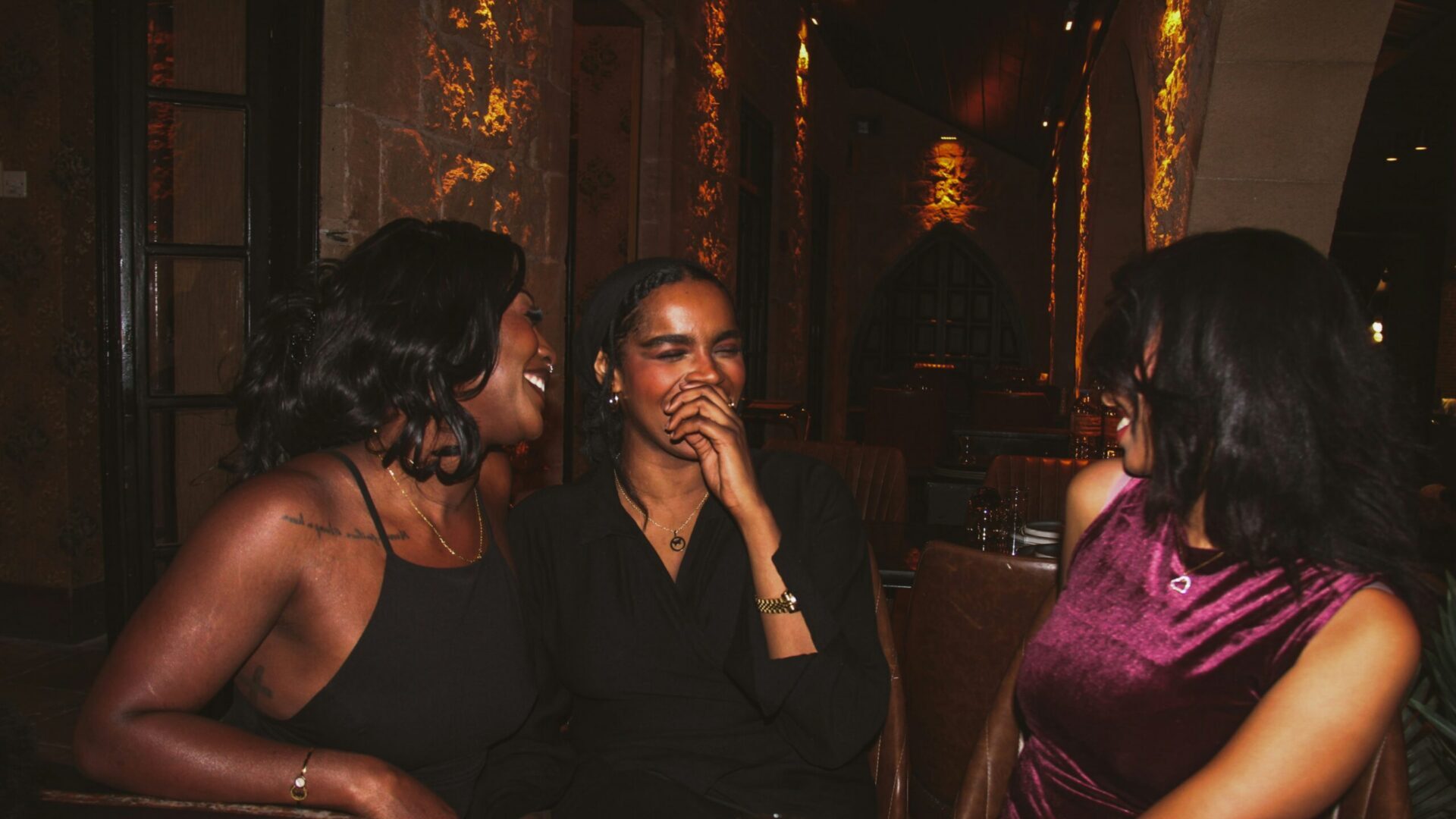
Beyond interaction styles, preferences also differ. Older diners may value familiarity and comfort, while younger customers prioritize aesthetics like lighting and presentation. These differences reflect broader cultural and technological influences shaping each generation.
Restaurants Adapt to Meet Both Generations
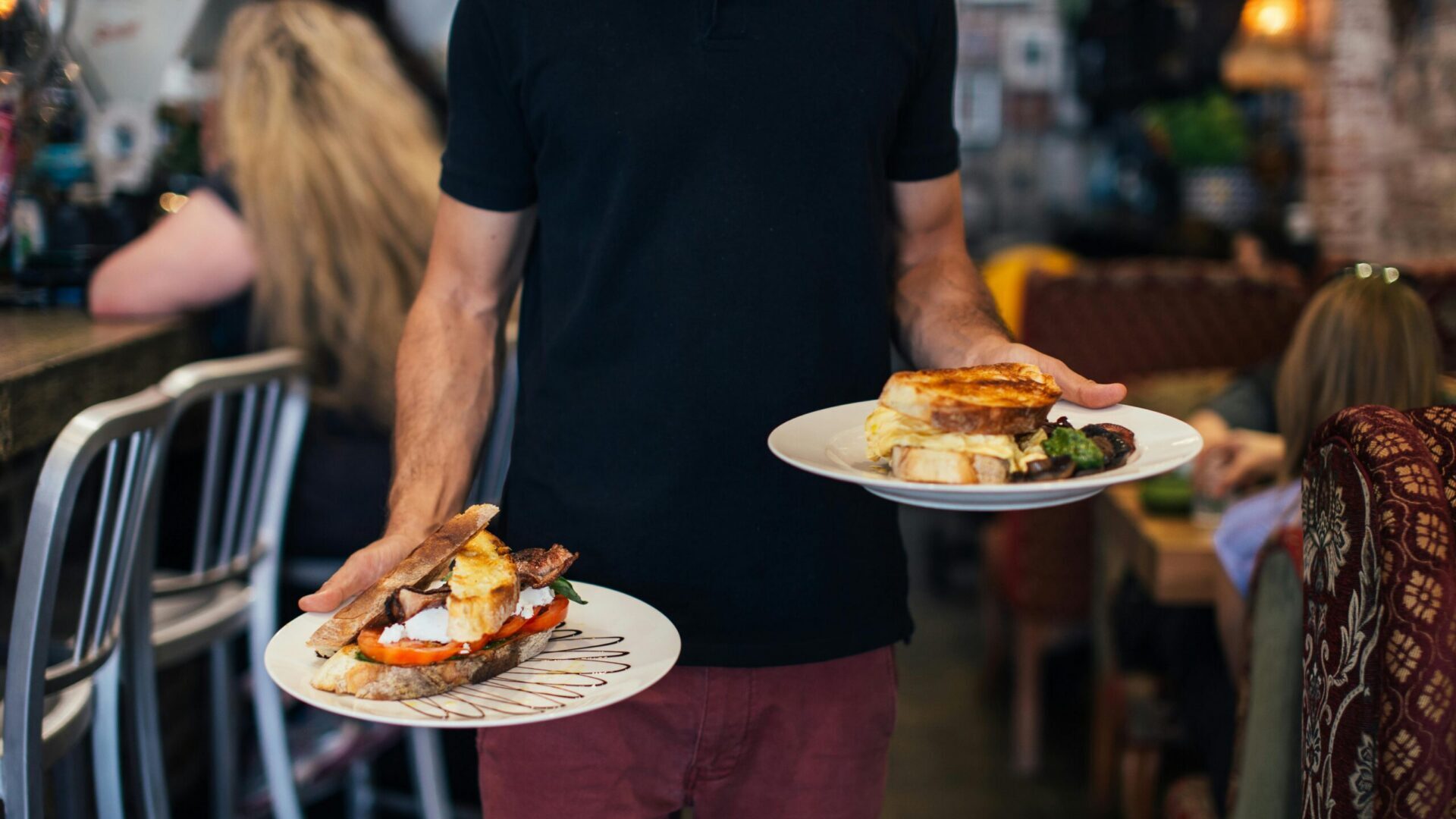
Despite the contrasts, both groups remain essential to the industry. Restaurants continue to adjust strategies to appeal to each, balancing personal service with speed and convenience. Understanding these generational nuances helps create better experiences for everyone involved.