Shoppers’ Pushback Over $7 Doritos Cost PepsiCo Billions as Sales Slumped
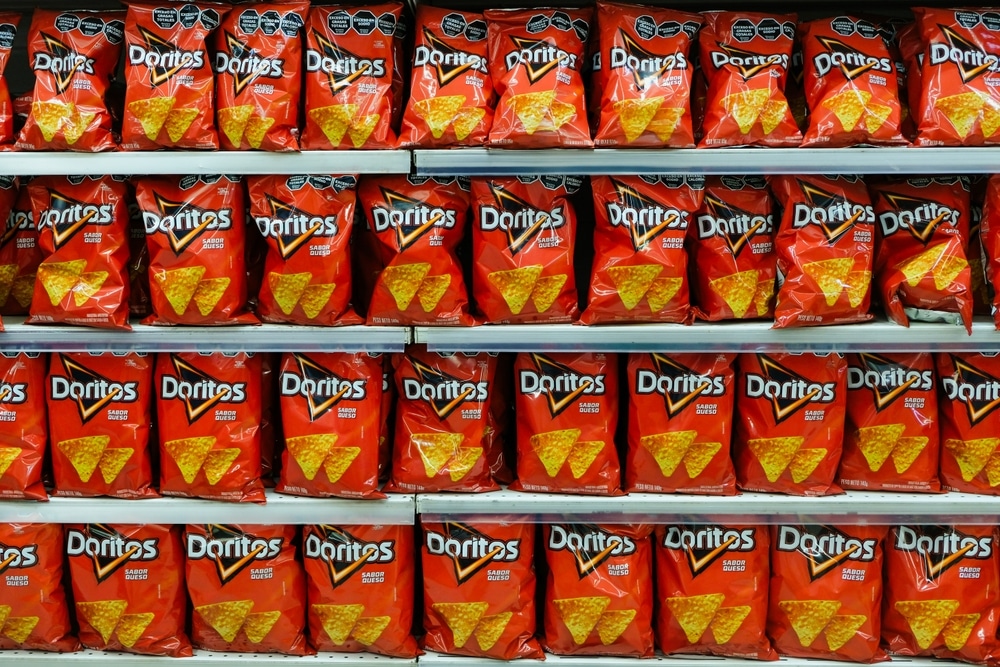

For years, PepsiCo’s Frito-Lay division was one of the company’s strongest performers, powering steady growth through brands like Doritos, Lay’s, Cheetos, and Tostitos. During the pandemic and the inflation surge that followed, the company repeatedly raised prices to offset higher costs tied to ingredients, transportation, labor, and packaging. At first, consumers kept buying despite the increases.
By 2025 and early 2026, however, the strategy began to unravel. Some party-size bags of chips crossed the $7 mark at major retailers, with Doritos prices at Walmart reportedly rising nearly 50% since 2021. Consumers who had tolerated earlier hikes started cutting back as inflation continued squeezing household budgets.
Retailers noticed the slowdown quickly. Walmart reportedly warned PepsiCo that shoppers were resisting the higher prices and even reduced shelf space for Frito-Lay products in favor of cheaper store brands and rivals like Takis. Despite the warning signs, PepsiCo hesitated to lower prices, fearing a short-term hit to revenue.
Consumers Began Pulling Back on Snack Purchases
The backlash reflected a broader shift in consumer spending habits. Grocery shoppers across the U.S. became increasingly selective about discretionary purchases, especially as food costs remained elevated across categories. Snack foods that were once impulse buys suddenly became products consumers compared carefully on price.
Government data showed the average price of a 16-ounce bag of potato chips rose sharply between 2021 and 2024, but some branded snacks climbed even faster. PepsiCo relied heavily on price increases rather than higher sales volume to drive growth, a strategy that eventually put pressure on customer loyalty.
Internally, executives reportedly debated lowering prices as early as 2024 while Frito-Lay revenues started turning negative for the first time in more than a decade. Instead of immediate cuts, the company tried promotions, smaller portions, and revised packaging strategies. Those efforts failed to reverse slowing sales as more shoppers began walking away from premium-priced snacks.
PepsiCo Reverses Course With Price Cuts
By late 2025, PepsiCo began making more aggressive changes. The company announced price reductions of up to 15% on selected snack products, especially larger bag sizes tied to flagship brands like Doritos and Cheetos. PepsiCo CEO Ramon Laguarta described the cuts as targeted and “very surgical.”
The company also tested lower prices in select markets before rolling out broader reductions in early 2026. According to executives, the tests produced a noticeable increase in sales volume, suggesting consumers were willing to return once prices became more reasonable. The lower prices also helped PepsiCo regain valuable shelf space at major retailers including Walmart, Costco, and Target.
Alongside the pricing changes, PepsiCo introduced broader operational adjustments. The company announced plans to shrink its product lineup by roughly 20%, focusing more heavily on top-performing brands while eliminating weaker products. It also increased promotions and adjusted package sizes to improve perceived value for shoppers.
The Snack Industry May Be Learning a Bigger Lesson
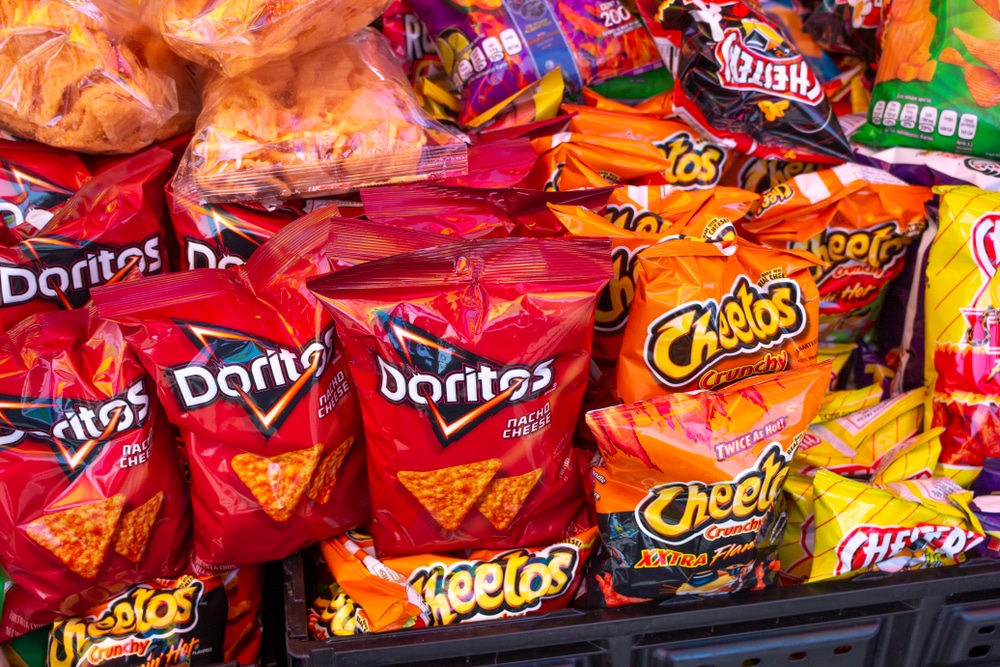
PepsiCo’s experience has become a warning sign for the broader packaged food industry. For years, Frito-Lay was viewed as one of the strongest businesses in consumer goods, controlling a dominant share of the U.S. salty snacks market and delivering reliable growth quarter after quarter.
That success encouraged executives to believe shoppers would continue absorbing higher prices indefinitely. During the pandemic, the strategy worked well as consumers continued spending despite inflation. But analysts say affordability eventually became more important than brand loyalty as household budgets tightened.
Recent earnings suggest PepsiCo’s turnaround efforts may finally be helping stabilize the business. The company reported stronger-than-expected quarterly results in early 2026, with executives pointing to “innovation and affordability initiatives” as key drivers. Even so, the situation highlighted how quickly consumer sentiment can shift when everyday snacks start feeling too expensive for ordinary shoppers.