Starbucks Faces Backlash Over $9 Coffee as Chain Moves Forward With Growth Plans
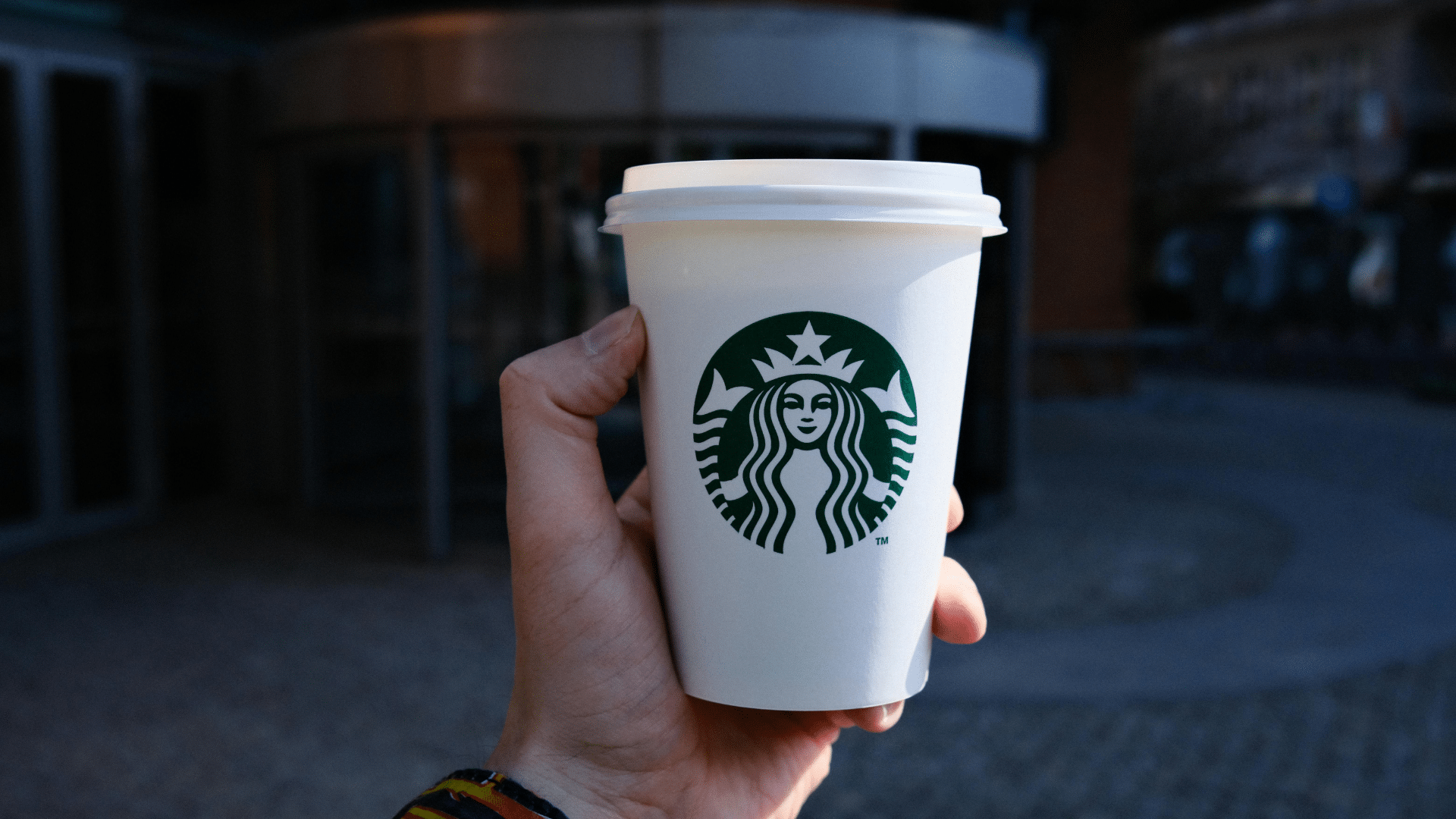

Starbucks is facing mounting criticism after comments defending its increasingly expensive drinks sparked outrage online, with some customers pointing to specialty beverages now costing nearly $9. The backlash comes at a difficult moment for the coffee giant, which is simultaneously pushing ahead with ambitious expansion and turnaround plans under CEO Brian Niccol. While Starbucks says customers are still willing to pay for a “premium experience,” critics argue the company is becoming increasingly out of touch with everyday consumers struggling with rising living costs.
The $9 Coffee Controversy Exploded Online
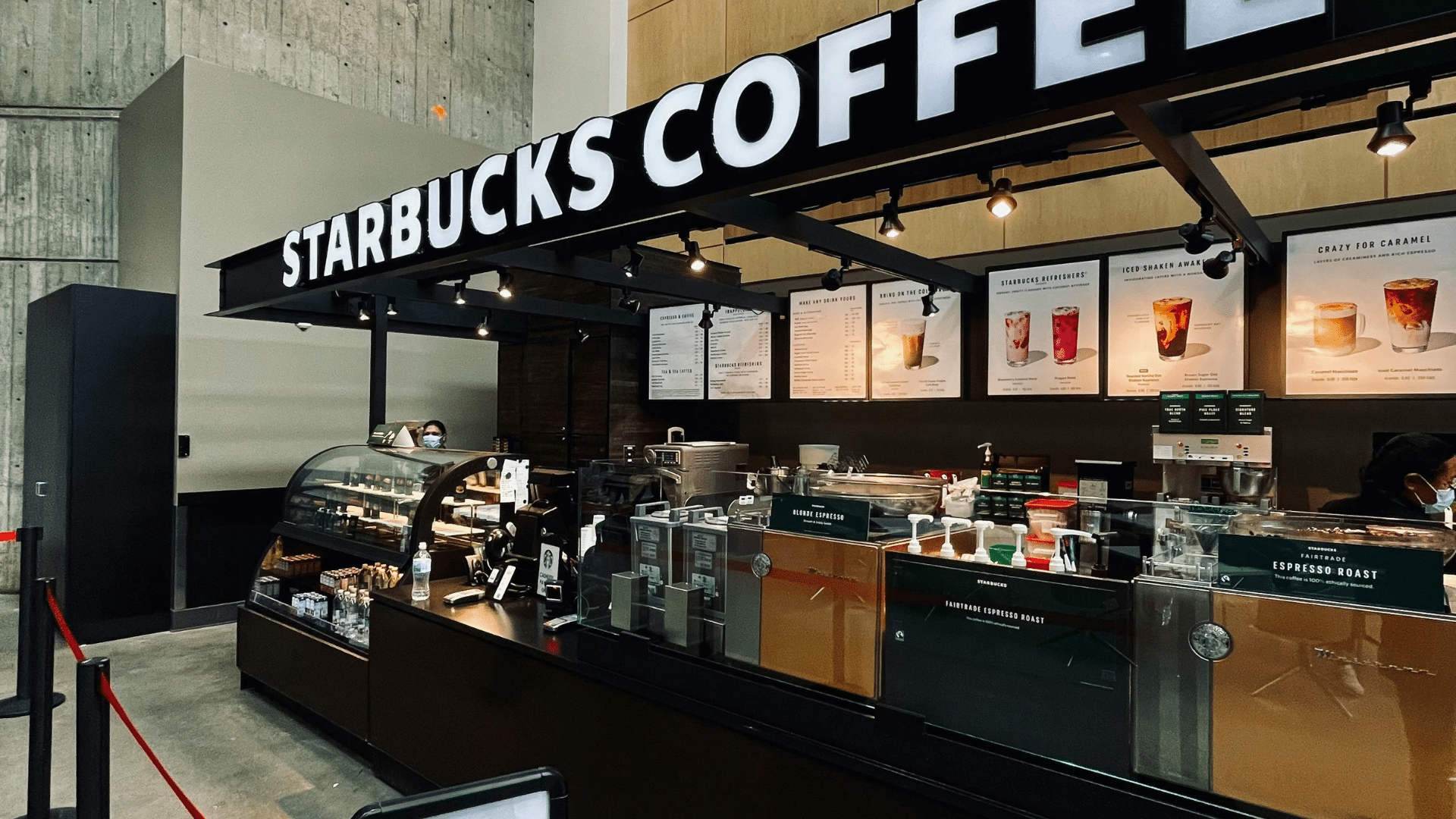
The controversy began after CEO Brian Niccol described Starbucks drinks as an “affordable premium experience” during a Wall Street Journal podcast interview. The remarks quickly went viral as many consumers mocked the idea that a nearly $9 coffee could be considered affordable in today’s economy. Social media users called the comments “out of touch” and questioned whether Starbucks still understands its core customer base.
Why Starbucks Drinks Have Become So Expensive
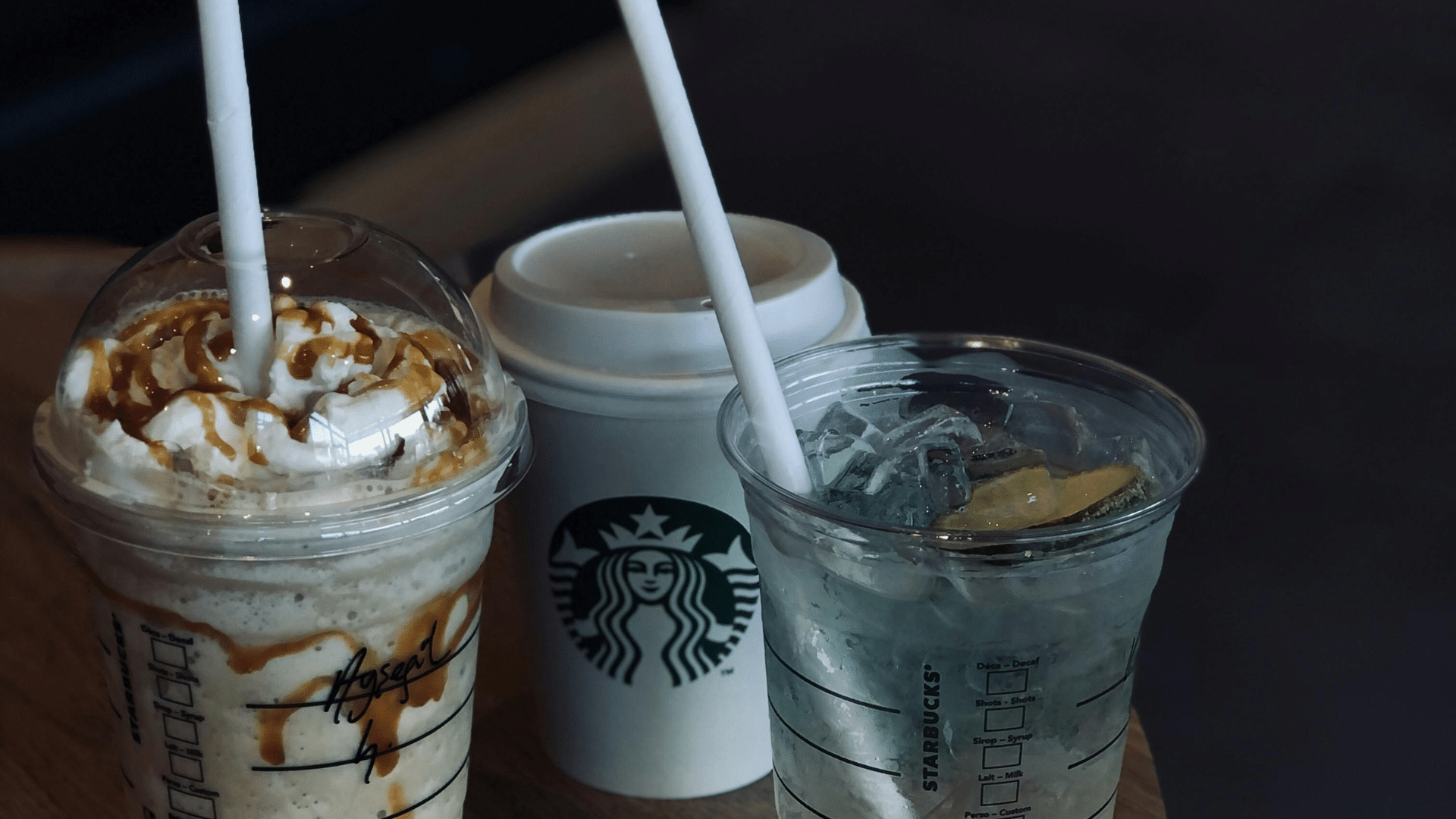
Many of Starbucks’ highest-priced drinks involve extensive customizations, including cold foams, flavored syrups, alternative milks, espresso add-ons, and energy drink enhancements. While base coffee prices are lower, heavily customized drinks can easily approach or exceed $9 in major cities. The company has increasingly leaned into personalized “drink experiences” as part of its business strategy.
Customers Say the Brand Feels Less Accessible

Critics argue that Starbucks was once viewed as an occasional luxury that felt broadly accessible, but rising prices have changed that perception. Some consumers say frequent Starbucks visits are becoming harder to justify as inflation continues affecting housing, groceries, and transportation costs. Online backlash intensified because many people viewed the company’s messaging as disconnected from economic reality.
Starbucks Is Still Pushing Aggressive Growth Plans
Despite the controversy, Starbucks continues moving forward with major expansion plans and long-term growth targets. Under its “Back to Starbucks” strategy, the company says it is focused on improving customer experience, speeding up service, modernizing stores, and expanding internationally. Starbucks executives recently pointed to rising sales and loyalty growth as evidence that the strategy is working.
The Company Is Betting Big on Younger Customers
Starbucks says younger consumers, especially Gen Z and millennials, remain key drivers of growth. The company has introduced trendy new beverages, including colorful refreshers, protein drinks, matcha products, and heavily customizable cold drinks designed to appeal to younger audiences who increasingly view beverages as part of lifestyle and social identity.
Starbucks Wants to Sell an ‘Experience’
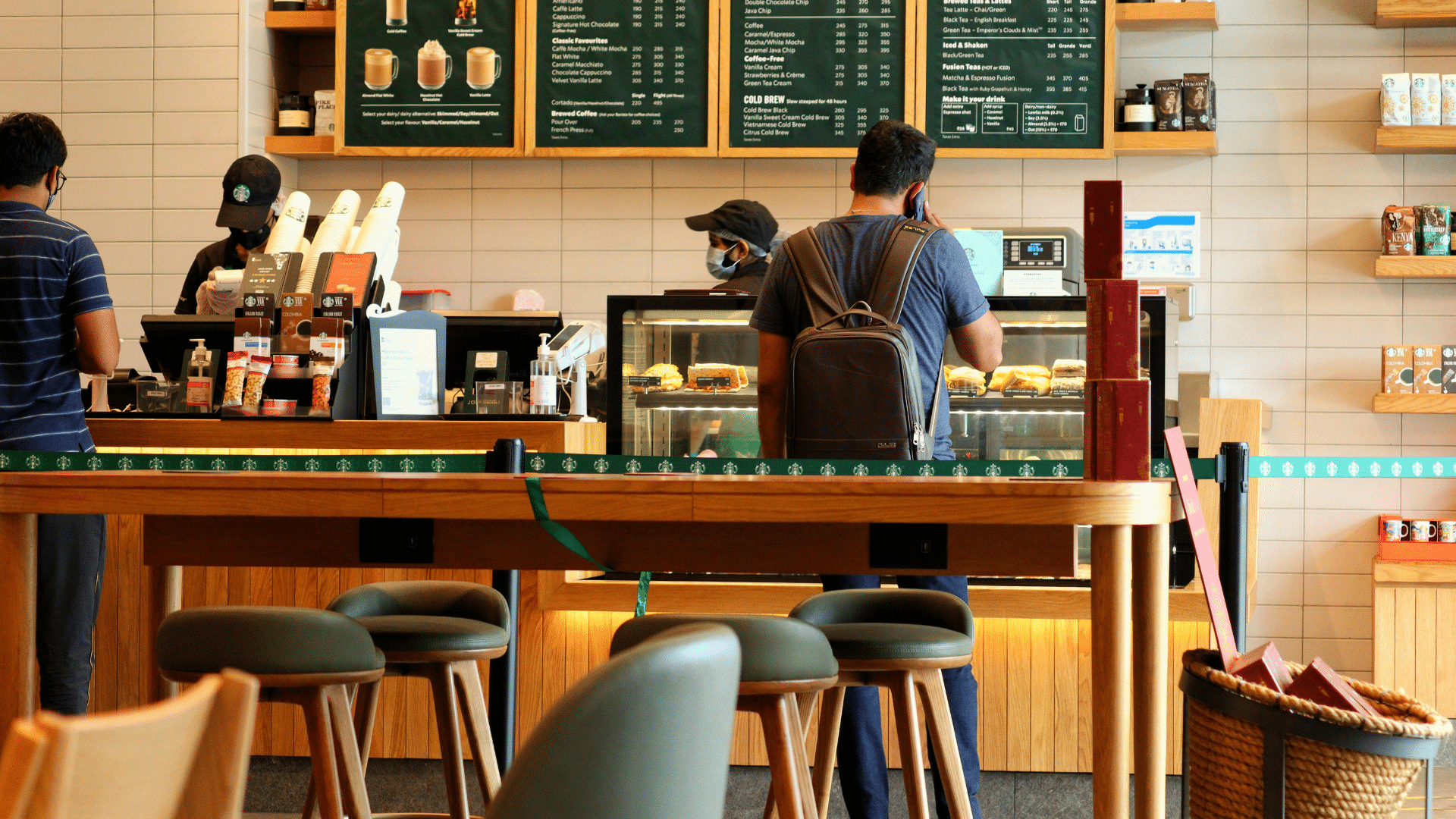
Executives argue that Starbucks isn’t just selling coffee, it’s selling atmosphere, convenience, personalization, and social experience. Niccol defended premium pricing by saying some customers see Starbucks as a small luxury or “splurge” that still feels attainable compared to larger purchases. Critics, however, argue that many stores now focus more on mobile orders and drive-thrus than the café experience Starbucks originally built its brand around.
The Backlash Highlights a Bigger Economic Divide
Commentators say the controversy reflects broader frustrations about affordability and economic inequality. Some analysts pointed to the “K-shaped economy,” where higher-income consumers continue spending freely while middle- and lower-income households struggle with rising costs. In that environment, luxury-style messaging around coffee prices struck many consumers as especially tone-deaf.
Starbucks Still Appears Financially Strong
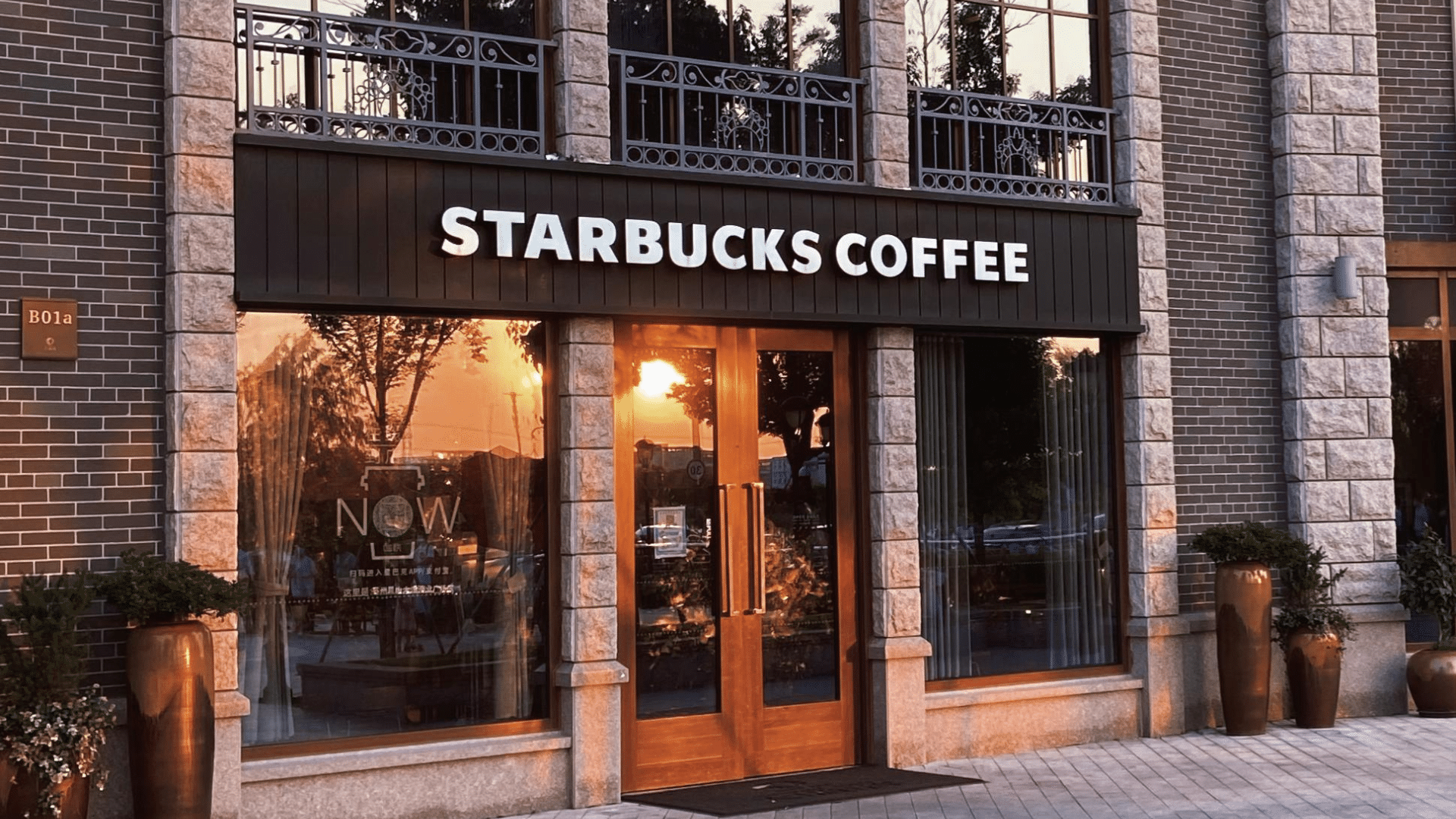
Even amid criticism, Starbucks recently reported strong sales growth and improving customer traffic. The company says investments in store upgrades, loyalty rewards, faster service, and beverage innovation are helping drive momentum. Investors have responded positively to signs that Starbucks’ turnaround strategy may be succeeding despite reputational challenges.
The Debate Over Starbucks’ Future Is Far From Over
The $9 coffee backlash has become about more than just expensive drinks, it now reflects broader debates about consumer spending, corporate messaging, and what counts as “affordable” in today’s economy. While Starbucks continues betting on growth, customization, and premium experiences, the controversy shows the company may still face challenges balancing upscale branding with everyday accessibility. For many customers, the question is no longer whether Starbucks coffee tastes good, but whether it still feels worth the price.