Stop Ruining Your Pan! The Ultimate Cast Iron Skillet Care Mistakes Checklist
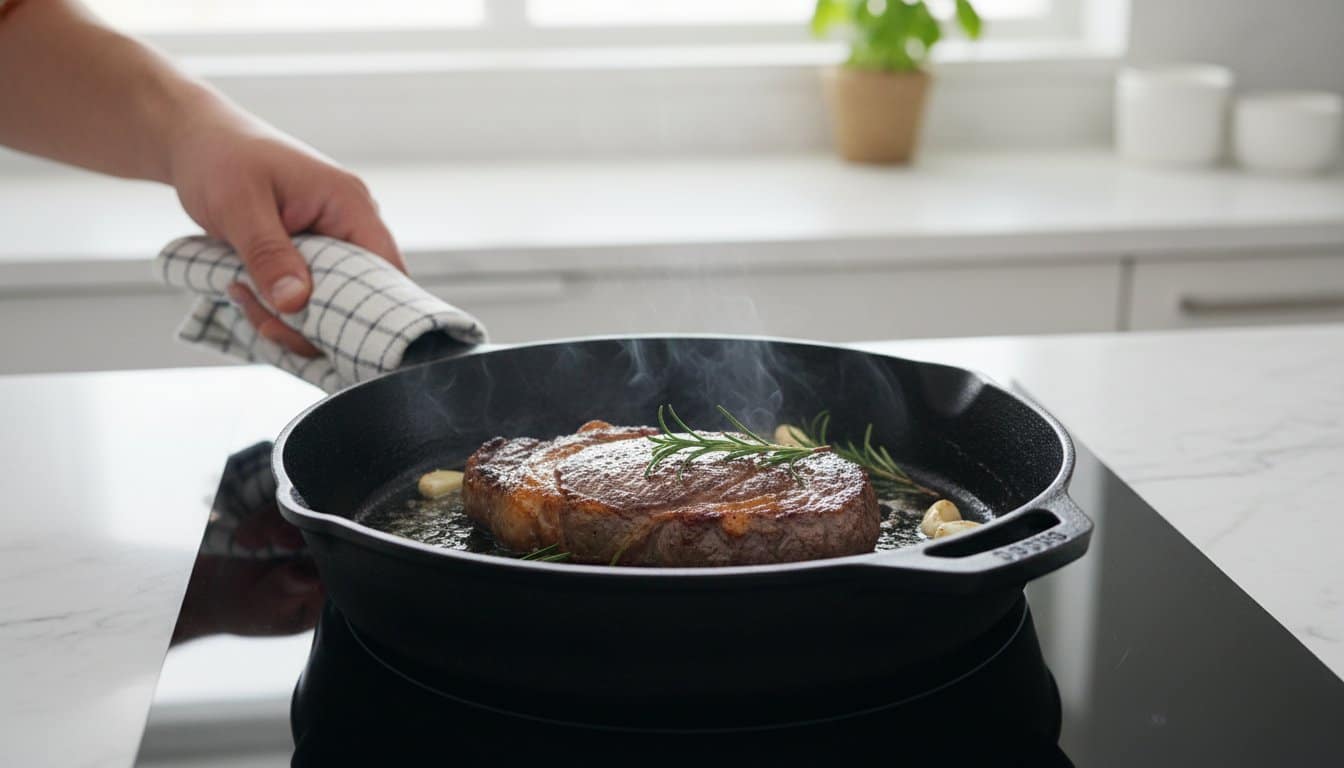

What if your most intimidating kitchen tool was actually your toughest, most indestructible, and most loyal best friend? You have probably felt that sudden spike of anxiety when a sticky mess ruins your dinner or a spot of rust ruins your mood. It is totally normal to feel overwhelmed by the wild, weird, and conflicting advice floating around the internet! We are here to tell you that your skillet is a kitchen hero, not a fragile relic. It is time to stop overthinking and start sizzle-styling with total confidence!
Don’t let common cast iron skillet care mistakes turn your cooking joy into a kitchen chore. We are showing you exactly how to dodge those blunders to achieve a surface that is slick, jet-black, and better than non-stick! You will unlock the secrets to cleaning, seasoning, and maintaining your pan with absolute ease. This guide provides a quick, clear, and high-energy checklist that transforms your maintenance routine into a fun experiment. Get ready to embrace the sizzle and create a forever-skillet that is ready for every delicious recipe in your collection!
Key Takeaways
- Stop treating your pan like glass and embrace the fact that cast iron is indestructible, tough, and totally resilient!
- Banish rust forever by ditching the sink soak and mastering the quick, easy, and essential heat-dry method.
- Fix that tacky feeling by dodging common cast iron skillet care mistakes like over-oiling and learn the “buff it out” trick for a slick finish.
- Say goodbye to sticky food disasters by mastering the perfect preheat and learning which ingredients to watch to keep your patina bold and beautiful.
- Turn a rusty relic back into a kitchen superstar with our foolproof rescue plan that brings back the sizzle in no time!
Stop Treating Your Skillet Like Fine China: The “Fragile” Myth
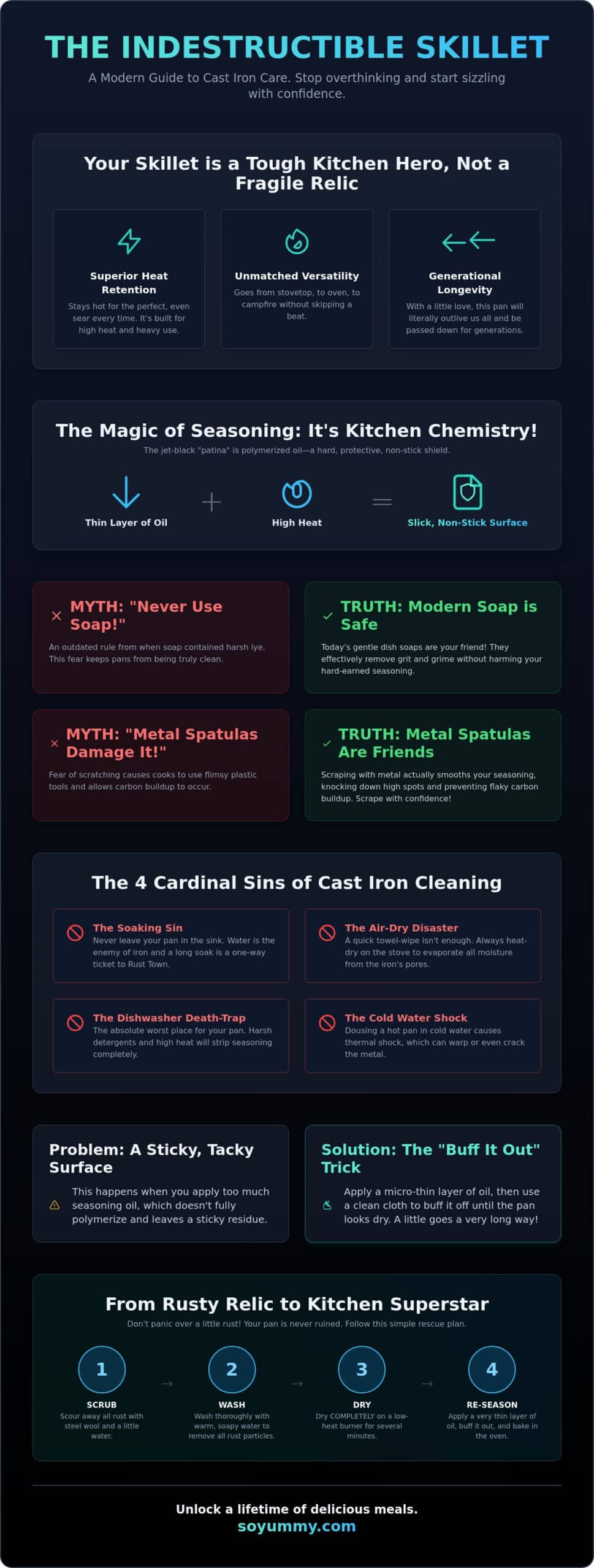
Forget the whispers about your pan being a delicate flower! One of the biggest cast iron skillet care mistakes is assuming your cookware needs to be handled with white gloves. It’s a solid, sturdy, and stunning hunk of metal that’s built to last for generations! This isn’t your grandma’s porcelain tea set. It is a kitchen powerhouse that thrives on high heat and heavy use. This comprehensive overview of cast iron proves it’s a material made for the long haul. Embrace that beautiful weight; it’s the sign of a heavy-duty MVP that’s ready for any culinary adventure. Your skillet is meant to be used, loved, and celebrated every single day! Why is this hunk of metal your ultimate kitchen best friend?
- Heat Retention: It stays hot, stays happy, and stays ready for the perfect sear.
- Versatility: Move from the stovetop to the oven to the campfire without skipping a beat!
- Longevity: This pan will literally outlive us all with just a little bit of love.
Let’s talk about that gorgeous, jet-black glow that every cook dreams of. That “patina” isn’t just a layer of old grease or a dirty surface. It’s actually polymerized oil! Polymerization is the magical bond between heat and oil. This transformation turns a raw piece of iron into a slick, smooth, and non-stick dream. It is chemistry in action! When you heat oil in the pan, it transforms into a hard, plastic-like shield that protects the metal. The more you cook, the stronger that bond becomes. Your pan isn’t getting older; it’s getting better, bolder, and more brilliant with every single sizzle. Avoiding these common cast iron skillet care mistakes starts with understanding that your pan is built to take a beating and grow stronger for it!
The Great Soap Debate: Why Your Skillet Loves Bubbles
Grab the suds and get scrubbing! There’s a massive myth that soap is the ultimate villain, but modern dish soap is actually a total friend to your pan. Back in the day, soap contained harsh lye that would strip away seasoning in a heartbeat. Today’s soaps are gentle, effective, and safe! Go ahead and wash away the grit, the grime, and the old flavors without a single worry. A clean pan is a happy pan, and keeping things fresh ensures your next meal tastes exactly how it should: vibrant, delicious, and absolutely perfect! Don’t let fear keep you from a sparkling clean kitchen.
Metal Spatulas: Friend or Foe?
Scrape away with total confidence! Ditch those flimsy, melting plastic tools and reach for sturdy, satisfying stainless steel. Metal spatulas are secret weapons for a flawless surface. Every time you scrape, you’re actually leveling out your seasoning and knocking down high spots. This prevents that dreaded carbon buildup that causes seasoning to flake off in gross chunks. It’s like giving your skillet a mini-spa treatment during every cook! A flat, smooth, and even surface is just a few scrapes away. It’s time to let that metal meet the metal and watch your skillet shine like never before. It is satisfying, effective, and totally recommended!
The Ultimate Cleaning Checklist: Are You Committing These Crimes?
Ready to scrub away the stress? Cleaning your pan should feel like a victory lap, not a stressful chore! Avoiding these major cast iron skillet care mistakes is the secret to a kitchen legacy that lasts forever. Let’s dive into the “no-go” zone so you can keep that sizzle strong, steady, and superior! Your skillet is a champion, a warrior, and a star. It deserves a cleaning routine that celebrates its strength rather than testing its limits.
While you’re mastering your cleaning routine, don’t forget the systems that make it all possible. To keep your kitchen’s plumbing and air systems as strong as your skillet, discover First Choice Plus Plumbing & Air for top-notch home services.
Your “Never-Ever” Cleaning Checklist:
- The Soaking Sin: Never leave your pan in the sink overnight. It is a one-way ticket to Rust Town! Water is the enemy of raw iron, and a long soak will eat right through your beautiful patina.
- The Air-Dry Disaster: A quick wipe with a towel just won’t cut it. Moisture loves to hide in the tiny, microscopic pores of the metal. If you don’t get it truly dry, those orange spots will show up uninvited.
- The Dishwasher Death-Trap: This is the one place your skillet should never, ever go! The high-pressure jets, harsh detergents, and intense humidity will strip your seasoning and leave your pan sad, grey, and vulnerable.
- The Cold-Water Shock: Dousing a piping hot pan in cold water causes thermal shock. This intense stress can actually crack or warp your solid hunk of metal! Let it cool down naturally before the bubbles begin.
Following proper cast iron cookware care ensures your pan stays in peak performance for every meal. It is all about respect for the metal! When you treat your tools with love, they reward you with the best flavors imaginable. Check out our latest cooking recipes to see your well-maintained pan in action!
The “Bone Dry” Rule
This is where the magic happens! After washing, place your pan back on the stovetop over low heat for about 60 seconds. Watch the moisture evaporate right before your eyes! It is satisfying, simple, and essential. This heat-dry method is snappy, speedy, and smart. Once the pan is totally dry, apply a microscopic layer of oil while the metal is still warm. This keeps the surface protected, polished, and perfect for your next big kitchen experiment!
Scrubbing Secrets for Stubborn Bits
Got some stuck-on bits from last night’s feast? Don’t panic! Grab some coarse salt and a sliced potato for a whimsical, natural scrub that works wonders. It is abrasive, effective, and totally eco-friendly! For those heavy-duty messes, a chainmail scrubber is your shiny, knightly tool. It is rugged, reliable, and ready to knock off the grime without hurting your hard-earned seasoning. Just remember to avoid steel wool unless you are doing a total restoration project; it is way too aggressive for daily maintenance and will shred your smooth surface!
Seasoning Sabotage: Why Your Pan Feels Sticky and Sad
Is your skillet feeling a bit tacky, gummy, or just plain gross? You are not alone! One of the most common cast iron skillet care mistakes is thinking that more oil equals more protection. In reality, a thick layer of oil doesn’t create a non-stick surface; it just creates a sticky mess that traps dust and lint. Seasoning is a marathon, not a sprint. It is a slow, steady, and satisfying build-up of ultra-thin layers that bond to the metal over time. Think of it as a glowing tan for your pan rather than a heavy coat of paint. Are you ready to fix that “sad pan” vibe and get back to the sizzle?
The secret to a rockstar finish is the “Buff it Out” method. When you apply oil to your pan, you should try to wipe it all off like you never wanted it there in the first place! Use a clean paper towel to buff the surface until it looks dry. This leaves behind a microscopic, invisible, and essential film of oil. This tiny layer is exactly what you need to create that hard, plastic-like shield. If you leave visible puddles or streaks, you are headed straight for sticky-town. Keep it thin, keep it light, and keep it moving! Mastering these habits helps you avoid the most frustrating cast iron skillet care mistakes and keeps your kitchen game on point.
- Respect the Smoke Point: Never use butter or extra virgin olive oil for seasoning. They burn too quickly and leave behind a bitter, flaky, and burnt residue.
- Ventilation is Vital: Always crack a window or turn on the fan. Seasoning involves smoke, and we want your kitchen smelling like fresh cookies, not burnt grease!
- Patience Pays Off: Don’t try to do ten layers in one day. One solid layer after each use is the best way to build a legacy.
Picking the Perfect Oil for a Glow-Up
Your oil choice is the foundation of your success! Grapeseed oil is our high-heat hero for a sleek, dark finish that looks absolutely professional. It handles the heat without breaking a sweat. Canola oil is the affordable, reliable, and classic choice for everyday maintenance. It’s accessible and effective for everyone! Skip those expensive, trendy “seasoning waxes” for now. You don’t need fancy gadgets or pricey pastes to achieve a So Yummy result; just simple ingredients and a little bit of heat!
The Oven Method vs. The Stovetop Quick-Fix
Think of oven seasoning as a deep-conditioning treatment for your skillet. It provides an even, all-over, and durable coat that protects the handle and the bottom too! This is perfect for new pans or total rescues. For your daily routine, the stovetop seasoning is the perfect quick touch-up. After a Tuesday night taco feast, just heat the pan, apply a tiny drop of oil, buff it dry, and let it smoke for a second. It is fast, efficient, and keeps your patina in peak condition without the long wait!
Cooking Faux Pas: Don’t Let These Habits Ruin the Sizzle!
Did you know that how you cook is just as vital as how you clean? It is true! Many common cast iron skillet care mistakes happen right in the middle of making dinner. Your cooking habits are the secret sauce to a long-lasting, deep-black patina that only gets better with time. If you want that legendary, non-stick performance, you have to play by the rules of the metal! Let’s turn your kitchen into a high-energy stage where every sear is a masterpiece and every meal is a celebration. Ready to level up your sizzle game?
The Cold Start is a total vibe-killer for your skillet. Dropping food into a pan that hasn’t found its groove leads to sticky, messy, and frustrating results. When the metal is cold, the proteins in your food bond to the surface like glue. You want those proteins to sear, not stick! Another sneaky habit is the Crowded Pan. If you pack too many steaks or veggies into the space, the temperature drops instantly. Instead of a gorgeous brown crust, you end up with food that is steaming in its own juices. Give your ingredients some room to breathe, dance, and brown! Finally, remember that patience is a kitchen virtue. Let your meat release naturally. If it is resisting the flip, it is telling you it needs more time to develop that perfect, crunchy, and golden crust. Trust the process!
Avoiding these cooking-based cast iron skillet care mistakes ensures your pan stays slick and ready for action. When you treat the metal with respect, it rewards you with the most incredible textures and flavors. It is a partnership built on heat, oil, and a little bit of timing!
The Pre-Heat Ritual
Give your pan the spotlight it deserves! A proper pre-heat takes about 5 to 10 minutes on low to medium heat. This ensures the entire solid hunk of metal is evenly, gloriously, and perfectly hot. Want to know when it is go-time? Try the Water Drop Test! Flick a tiny bead of water onto the surface. If it dances, sizzles, and vanishes instantly, your pan is ready for action! Starting low and slow is always better than cranking the heat to high and scorching your hard-earned seasoning. A steady heat creates a predictable, powerful, and professional cooking environment every single time.
Cooking with Acids Safely
Don’t be afraid of a little zing! Quick pan sauces with a splash of wine or a squeeze of lemon are totally fine for a well-seasoned pan. However, slow-simmered marinara or long vinegar braises are an Acidic Overload. These ingredients can eat away at your patina over time, leaving your food with a weird, metallic, and funky tang. If you notice your pan looking a bit dull or grey after a zesty meal, don’t panic! Just follow the stovetop touch-up we mentioned earlier to bring back the glow. Keep your long-simmering sauces in stainless steel and save the skillet for the high-heat heroics! Ready to put these tips to the test? Explore our latest cooking recipes and start creating kitchen magic today!
Fix Any Flop: The So Yummy Guide to Skillet Resurrection
Did you find an old, crusty, or rusty pan at a garage sale? Or maybe you accidentally left yours in the rain after a camping trip? Don’t panic! One of the biggest cast iron skillet care mistakes is thinking a little orange rust or some flaking seasoning means the end of the road. It is just a surface hiccup! Your skillet is a survivor, a legend, and a total rockstar. We are going to show you how to pull off a total “Strip and Flip” to bring that metal back to life. This process is satisfying, transformative, and totally foolproof! Your pan is a solid hunk of history that is ready for another 100 years of kitchen magic. Let’s get to work on that So Yummy resurrection!
If you ever see little black bits in your food that look like pepper but definitely aren’t, your seasoning is flaking. This usually happens when layers of oil get too thick, uneven, or burnt over time. It is not a disaster; it is just a clear invitation for a fresh start! You can scrub those flakes away and start building a new, better, and bolder patina today. Every scrape and scrub brings you closer to a surface that is slick, smooth, and superior. Avoiding common cast iron skillet care mistakes means knowing that even a “ruined” pan is just one afternoon away from greatness. Celebrate the comeback and get ready to cook!
Banishing the Rust Monster
Rust looks scary, but it is actually quite shallow! To fix it, use a 50/50 mixture of white vinegar and water. Let your pan soak in this solution for exactly 30 minutes. Do not go longer, or the acid will start eating the good metal underneath! After the timer dings, grab a stiff brush and scrub until that bright, grey metal peeks through the orange haze. Once you see the raw iron, you must act fast! Rinse it with cold water and dry it immediately on the stove to prevent “flash rust.” This is the instant orange film that forms on bare metal when it touches air and moisture. It is a race against time, but you are faster, smarter, and stronger!
The Foolproof Re-Seasoning Routine
Now that your pan is bare and beautiful, it is time for a factory-fresh, So Yummy-approved glow! Apply a tiny drop of grapeseed or canola oil. Wipe it with a clean cloth until the pan looks bone-dry. Place it upside down in your oven at 450°F for one hour. Placing it upside down ensures any microscopic excess oil drips out rather than pooling into a sticky mess! Let it cool completely in the oven, then repeat this process three times. This creates a foundation that is hard, slick, and incredibly durable. To celebrate your success, cook a batch of thick-cut bacon or some crispy cornbread! The extra fats from these delicious cooking recipes will help cement your new seasoning and make your first meal a total victory. Your skillet is officially back in the game and better than ever!
Unleash Your Inner Cast Iron Hero!
You are now officially a cast iron pro! You have conquered the myths and mastered the methods. You know that your pan is a tough, sturdy, and indestructible kitchen legend. Say goodbye to those frustrating cast iron skillet care mistakes like over-oiling or the “soaking sin.” Instead, embrace the sizzle with total confidence! Keep your seasoning layers thin, smooth, and slick for a finish that is better than non-stick. Your skillet is a creative, daring, and reliable companion ready for every delicious experiment you can dream up.
Ready to start your journey with a pan built for pure joy? Check out our So Yummy Cookware line for the perfect skillet! Our gear is designed for creative, foolproof cooking and is already loved by millions of home cooks. You have seen our pans shine in our viral recipe videos; now it is your turn to bring that magic into your own kitchen! Grab your spatula, turn up the heat, and let the culinary fun begin. Your kitchen legacy starts with the very next meal!
Frequently Asked Questions
Can I use soap on my cast iron skillet?
Yes, you can absolutely use modern dish soap to keep your pan sparkling and fresh! Today’s soaps are gentle, safe, and effective for removing grease without hurting your hard-earned patina. Just avoid harsh industrial cleaners or lye-based soaps that belong in a museum. Wash it, rinse it, and get back to the fun with a clean surface!
Why is my cast iron skillet sticky after seasoning?
Your skillet feels sticky because you likely applied too much oil during the process. This is one of the most common cast iron skillet care mistakes that creates a tacky, gummy, and frustrating mess. To fix it, bake the pan upside down at 450°F for an hour. This helps that excess oil polymerize and harden into a slick, smooth finish!
How do I get rust off my cast iron pan without ruining it?
You can banish rust by using a simple 50/50 mix of white vinegar and water for a quick 30-minute soak! Scrub the orange spots away with a stiff brush until you see the grey, raw iron peeking through. Dry it immediately on the stove to prevent flash rust and start your re-seasoning routine right away to bring back the glow!
What is the best oil to season a cast iron skillet with?
Grapeseed oil is the ultimate high-heat hero for a dark, sleek, and professional finish! It has a high smoke point that bonds perfectly to the metal. Canola oil is another fantastic, affordable, and reliable classic for your daily maintenance. Avoid butter or flaxseed oil; they tend to flake or burn too easily during the heat-up!
Is it okay to cook tomatoes in cast iron?
Quick pan sauces with tomatoes are totally fine, but avoid slow-simmering acidic foods for hours! The acid can eat away at your patina and give your food a funky, metallic, and weird tang. If you do cook something zesty, just give your pan a quick stovetop touch-up with a tiny drop of oil afterward to keep it happy!
Can I put my cast iron skillet in the dishwasher?
Never put your cast iron skillet in the dishwasher! It is a total death trap that will strip your seasoning, cause instant rust, and leave your pan looking sad and grey. Stick to a quick hand wash with warm water and a brush to keep your kitchen hero in peak condition for a lifetime of cooking!
How often should I season my cast iron skillet?
Give your pan a quick stovetop seasoning after every single use to keep it protected, polished, and perfect! For a deep-conditioning oven treatment, aim for once or twice a year or whenever the surface looks dull. Consistent, small, and simple steps are the secret to a legendary, non-stick surface that lasts for generations!
Why is my cast iron skillet flaking black bits?
Those black bits are usually just carbon buildup or weak, thick layers of seasoning that are peeling away. It is not a disaster; it just means your pan needs a good scrub with a chainmail scrubber! Removing these flakes helps you avoid major cast iron skillet care mistakes and ensures your next meal is clean, crisp, and delicious!