Survey Finds Millions of Americans Are Cutting Food and Utility Spending to Keep Up With Healthcare Bills
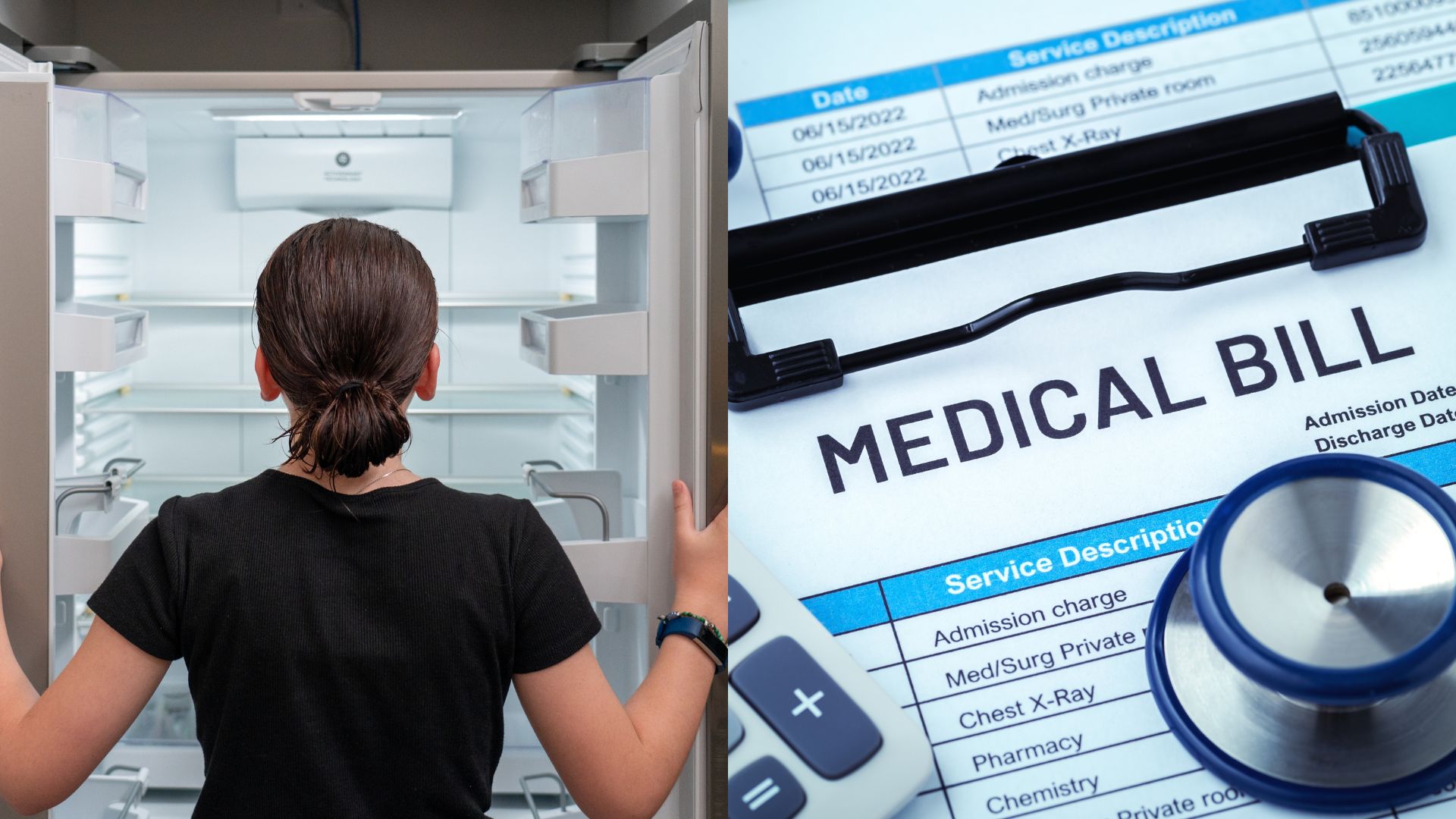

Household budgets across the United States already feel tight as grocery bills, rent, and utility costs keep climbing. Healthcare expenses now sit right in the middle of that pressure, and families often juggle daily spending just to keep up. A new nationwide survey now shows how common those difficult choices have quietly become.
One Third of Americans Cut Daily Spending for Healthcare

Uninsured Americans Report Higher Financial Sacrifices

Uninsured Americans report the heaviest financial sacrifices once medical bills arrive. However, the survey shows that pressure spreads quickly through everyday budgets. Researchers found 62 percent reported at least one sacrifice, which often meant borrowing money or stretching existing medication longer.
Borrowing Money and Extending Medication Use

Medical bills often arrive faster than households can adjust their budgets. That pressure pushes some families toward short-term solutions. Survey responses show many people borrow money to keep treatment going. Others extend existing prescriptions longer while trying to keep medical costs manageable.
Insured Households Also Report Healthcare Tradeoffs

Health coverage often suggests protection from rising medical bills. However, the survey shows many insured households still make financial adjustments. Nearly three in 10 respondents with insurance reported cutting back on everyday expenses as healthcare costs continue climbing across the country.
Rising Premiums and Out-of-Pocket Costs in 2026

Health insurance often brings the expectation of stable medical costs. However, premiums and out-of-pocket payments continue rising in 2026. That increase affects private plans and government-subsidized Affordable Care Act coverage, where pandemic-era financial assistance has expired for millions of enrollees.
End of Pandemic Subsidies Raises ACA Plan Costs

Extra financial support for Affordable Care Act plans expanded during the pandemic, and many households relied on those subsidies to keep premiums manageable. Now those temporary benefits have expired, and the change leaves millions of enrollees facing higher monthly payments for their coverage.
Survey Links Rising Illness Rates With Cost Pressure

Health researchers say rising medical costs now appear alongside worsening health outcomes. Reports from the survey show growing cases of metabolic disease, depression, and anxiety. As treatment needs increase, healthcare spending rises with them, placing heavier financial pressure on households already managing daily expenses.
Healthcare Costs Delay Retirement and Job Changes

Medical bills continue influencing decisions far beyond monthly budgets. Survey responses show many Americans delaying major life plans as healthcare costs rise. Some postpone retirement to keep employer coverage, and others hold off on changing jobs while they weigh the financial impact of medical care.
Healthcare Costs Continue Influencing Everyday Financial Decisions

Healthcare expenses keep pressing deeper into household budgets. Because of that, families rethink spending on daily needs and long-term plans at the same time. Those choices ripple into retirement timing, job decisions, and other life steps as medical costs continue climbing.