Tap Water for Over 62 Million Americans May Contain Toxins Tied to Cancer


You turn on the faucet, fill a glass, and take a sip. Simple, routine, and assumed safe. But for tens of millions of Americans, that everyday act may come with unseen risks.
Recent analyses suggest that over 62 million people in the United States—roughly 1 in 5—may be exposed to elevated levels of contaminants in their tap water, particularly nitrates and industrial chemicals linked to cancer and other serious health issues. These substances are invisible, odorless, and tasteless, making them nearly impossible to detect without testing.
At the same time, another group of pollutants—known as PFAS or “forever chemicals”—has been detected in public drinking water across the country. These compounds are associated with up to a 33% higher incidence of certain cancers in affected areas, according to recent research. While the numbers are alarming, experts emphasize that understanding the scope and limitations of these findings is key.
What’s Actually in the Water?
The contaminants drawing the most concern fall into two main categories: nitrates and PFAS. Nitrates are naturally occurring compounds, but their levels in drinking water have surged due to human activity—particularly agriculture. Fertilizers, livestock manure, and wastewater runoff can seep into groundwater, rivers, and reservoirs, eventually reaching public water systems miles away. Even moderate exposure has been linked to thyroid disease, colorectal cancer, kidney cancer, and birth defects.
PFAS, on the other hand, are synthetic chemicals used in everything from nonstick cookware to food packaging. Their nickname—“forever chemicals”—comes from their ability to persist in the environment and in the human body for years. Studies have linked PFAS exposure to cancers affecting the digestive system, thyroid, and even the brain, along with hormonal disruption and developmental issues.
What makes both contaminants particularly concerning is that health risks may occur at levels below current federal safety limits. For nitrates, research suggests increased cancer risk even at concentrations far lower than the long-standing legal threshold of 10 mg/L.
Why So Many People Are Affected

The scale of exposure is not limited to rural farming communities. It stretches across cities, suburbs, and small towns alike. Between 2021 and 2023, more than 6,000 community water systems recorded elevated nitrate levels, affecting millions of households nationwide. Large metropolitan systems, including those serving cities like Los Angeles and Phoenix, have also reported repeated detections. In fact, while smaller systems often show the highest contamination levels, large systems serve the majority of exposed populations, meaning urban residents are far from immune.
Environmental factors are making matters worse. Climate change is intensifying rainfall and flooding, which can increase agricultural runoff and push more pollutants into water supplies. Meanwhile, aging infrastructure, inconsistent monitoring, and regulatory gaps allow some contaminants to slip through.
Even more concerning, not all harmful substances are fully regulated or consistently tested. According to water safety experts, some contaminants remain either weakly regulated or entirely unmonitored, leaving potential blind spots in public health protections.
What It Means and What You Can Do
While the findings are concerning, experts caution against panic. Many of the studies linking water contaminants to cancer are observational or population-based, meaning they show associations—not definitive cause-and-effect relationships. Still, the consistency of the data has prompted calls for stronger regulation and more detailed research.
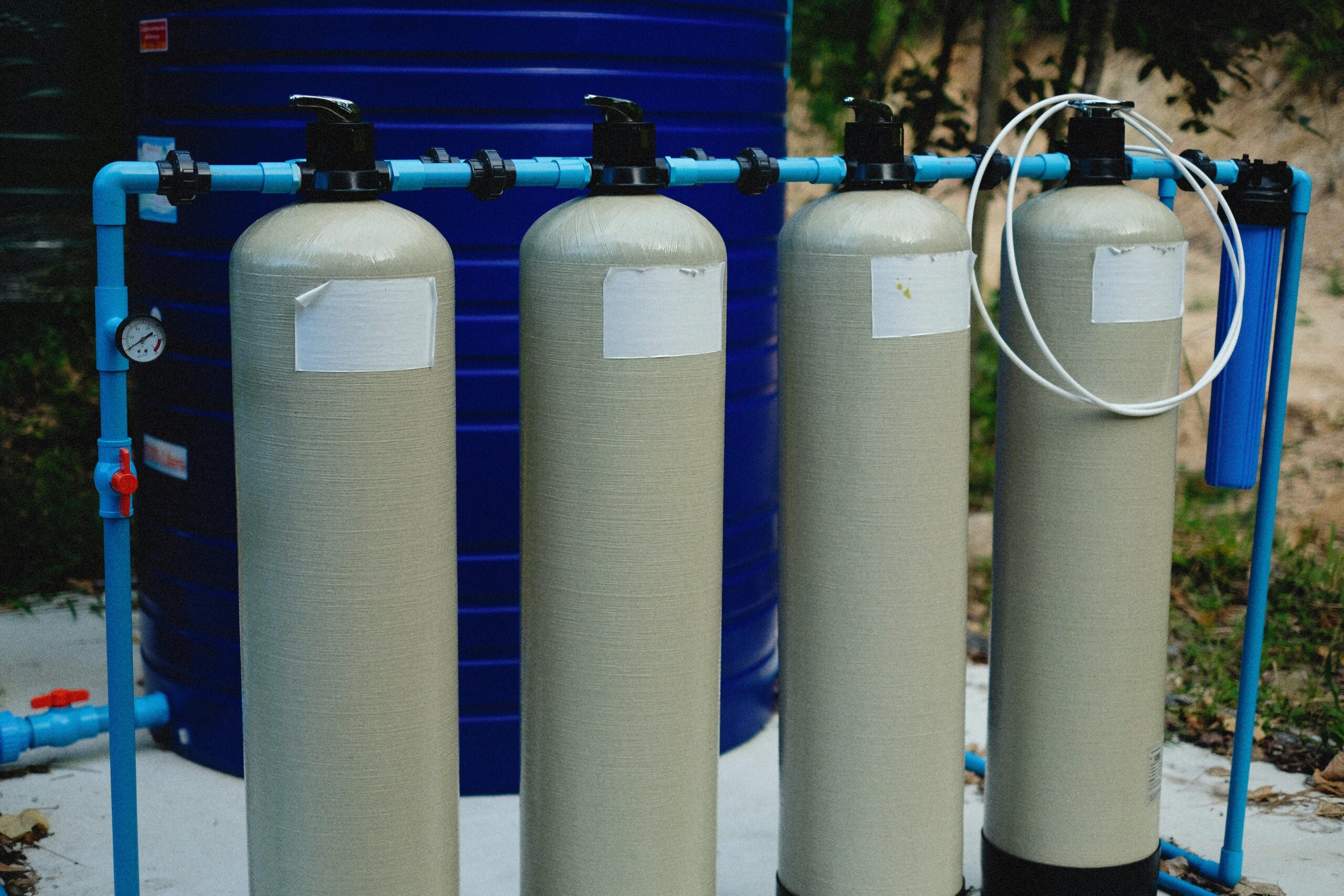
In the meantime, there are practical steps individuals can take to reduce exposure. Checking your local water quality report can help you understand what’s in your supply, while certified filtration systems—such as activated carbon or reverse osmosis—can reduce certain contaminants. For those using private wells, independent testing is often recommended since these sources are not federally regulated.
Long-term solutions, however, go beyond individual action. Experts say addressing the issue will require system-level changes, including stricter contaminant limits, improved agricultural practices, and investment in water treatment infrastructure. For now, the takeaway is simple but sobering: the water flowing from your tap is likely safe by current standards. But those standards are still evolving, and for millions of Americans, that shift may carry real consequences.