The Oldest Preserved Meat Ever Eaten Dates Back 50,000 Years
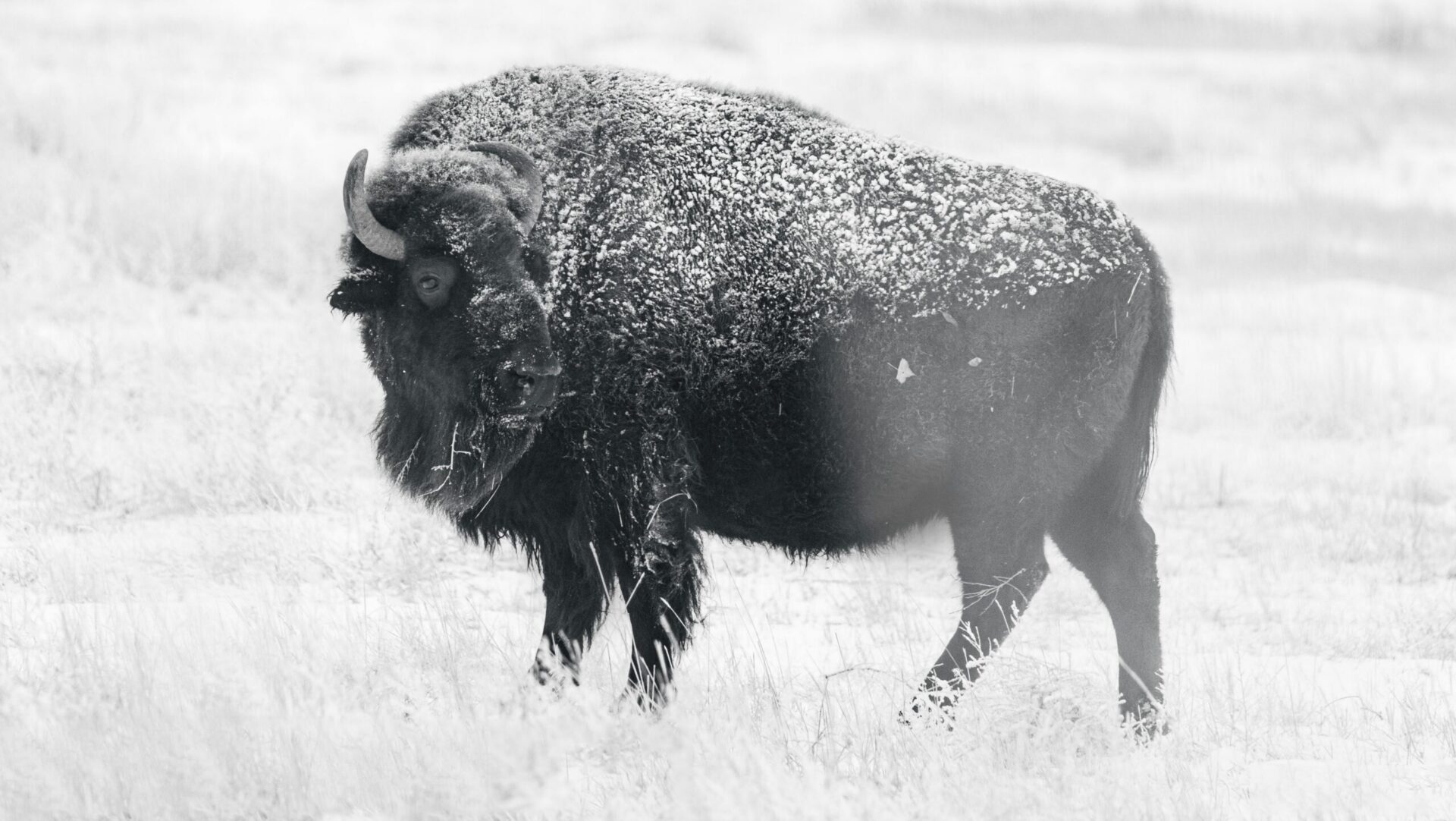

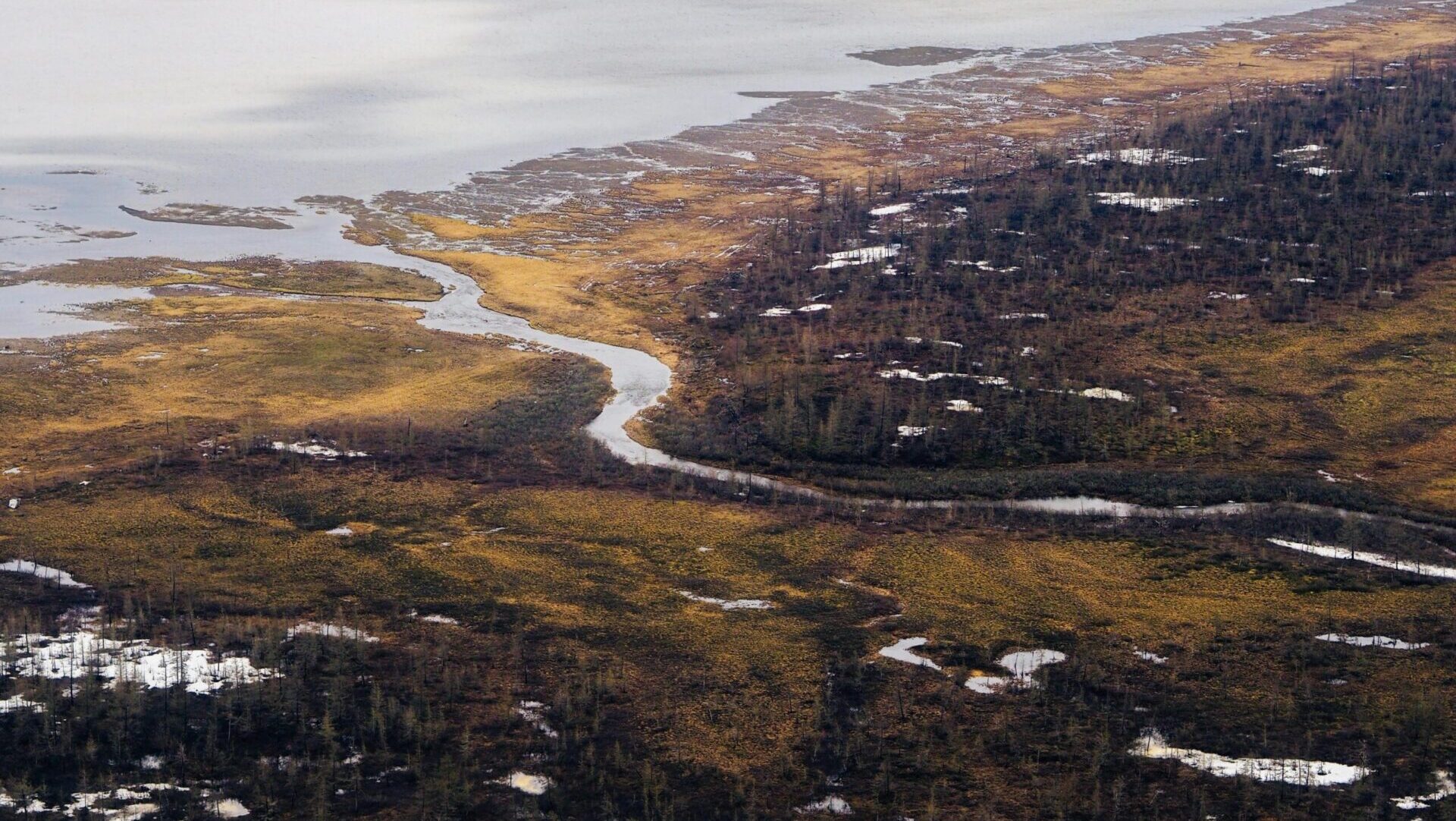
In 1984, a seemingly ordinary gathering in Alaska turned into one of the most unusual culinary experiments in modern history. Guests invited by paleontologist Dale Guthrie expected a warm meal and good company, but not a dish sourced from the Ice Age.
At the center of the evening was a stew made from ancient meat, taken from a remarkably preserved prehistoric animal. The idea alone was enough to intrigue and unsettle even the most adventurous diners.
What made the event extraordinary was not just the menu, but the fact that the meat had survived tens of thousands of years beneath frozen ground, waiting to be rediscovered and, astonishingly, consumed.
Blue Babe Emerges From the Ice Age
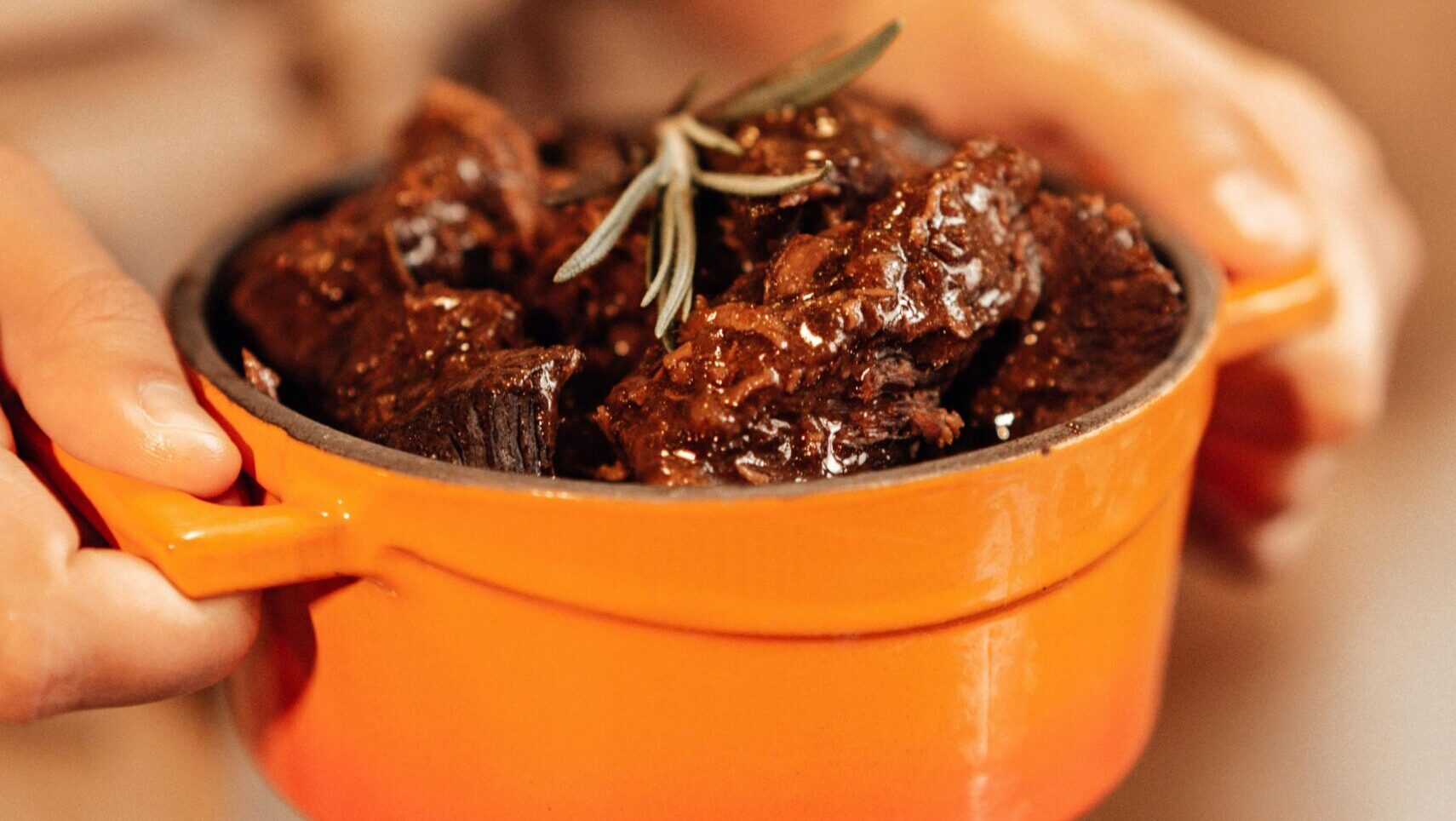
The star of the meal was a steppe bison nicknamed Blue Babe, discovered in 1979 near Fairbanks by local miners. Its remains had been naturally preserved in permafrost, protecting tissues that would normally decay over time.
Initial estimates suggested the animal was around 36,000 years old, but later analysis pushed that number closer to 50,000 years. This placed the bison firmly within the Pleistocene epoch, a time when massive mammals roamed vast, icy landscapes.
The preservation was so effective that portions of the animal, particularly the neck tissue, remained intact enough to be studied and, eventually, prepared as food.
From Fossil to Stew on the Table
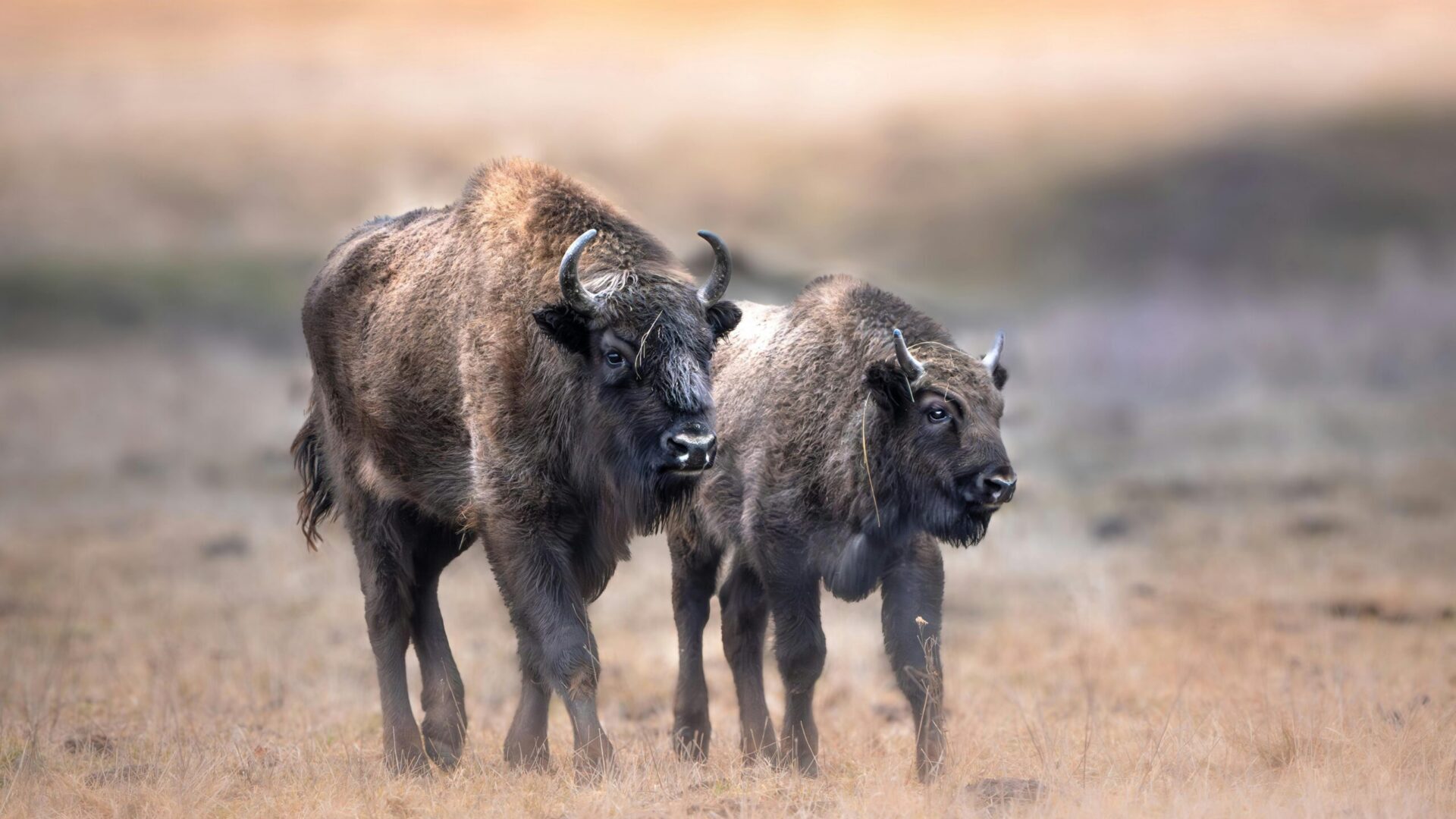
Driven by curiosity and perhaps a sense of scientific daring, Dale Guthrie decided to cook a portion of Blue Babe’s meat. The preparation involved cutting the preserved tissue into small pieces and simmering it into a stew with vegetables and stock.
According to Guthrie, the meat resembled beef in both appearance and smell, though it carried what he described as a distinctly ancient character. The texture was tougher than modern meat, a consequence of both age and preservation.
Reactions varied among those who tasted it. While Guthrie initially described the dish as enjoyable, others, including his wife, found it less appealing, comparing it unfavorably to dried meat.
A Taste of History That Divides Opinion
The experiment remains one of the most unusual intersections of science and cuisine. Eating meat that had been frozen since the Ice Age raises questions about preservation, safety, and the limits of human curiosity.
Even Guthrie later tempered his enthusiasm, noting that the flavor carried hints of earth and age, making it more of a historical experience than a culinary triumph. Still, the act itself captured imaginations worldwide.
In the end, the meal was less about taste and more about connection to a distant past. For one night in Alaska, history was not just studied or observed, it was served and tasted.