The Real Reason Your Eggs Won’t Peel Easily (And How to Fix It)
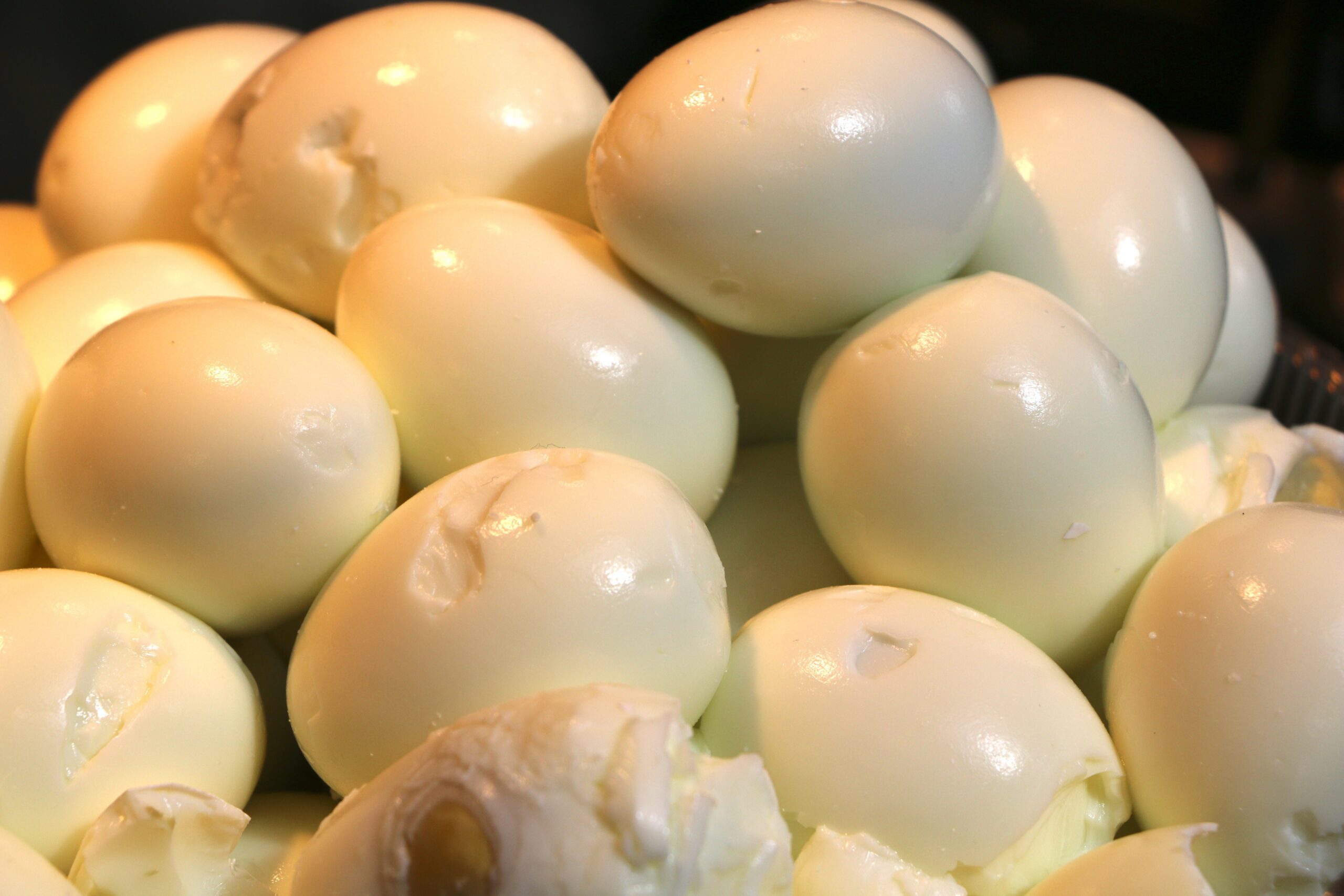

It’s not you, it’s the egg. You cook the eggs perfectly. You tap the shell. You start peeling—and suddenly half the egg comes off with it. Few kitchen frustrations feel this unnecessary. It looks simple, yet it rarely goes smoothly. The problem usually has nothing to do with your technique. It starts long before the egg hits the pot.
Fresh eggs cling. Older eggs release. Inside every egg sits a thin membrane that sticks tightly to the white when the egg is very fresh. That tight bond makes peeling feel like scraping glue off a smooth surface. As eggs age, their internal chemistry shifts. The pH rises, the bond loosens, and the shell begins to separate more cleanly.
That simple change explains why some eggs peel in one clean spiral while others fall apart in pieces—often from the same carton.
The Biggest Mistake Most People Make
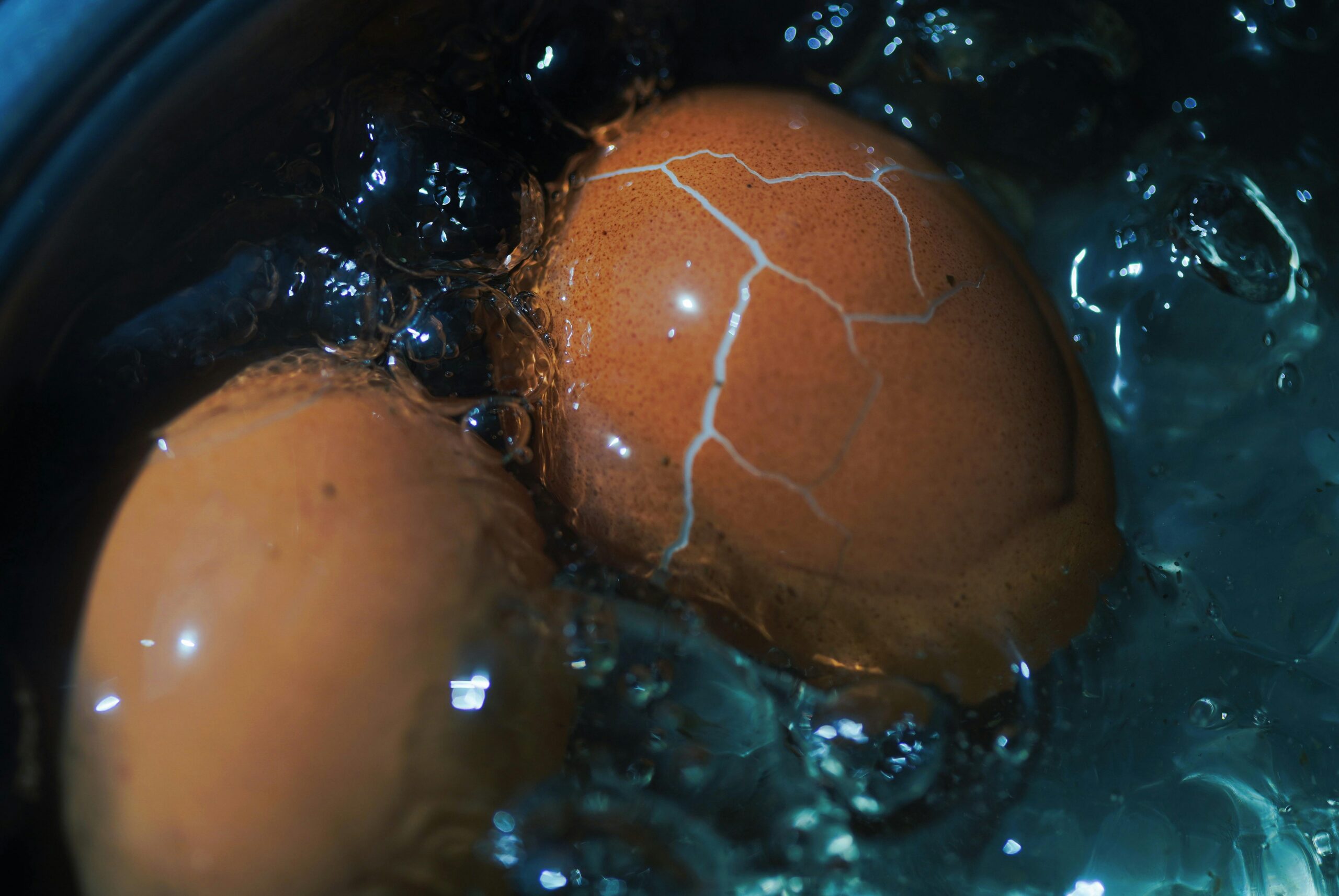
Most people still follow the same routine—place eggs in cold water, turn on the heat, and wait. It feels controlled and safe. It also sets you up for frustration. Starting in cold water allows the egg white to heat gradually, which gives it more time to bond tightly to the inner membrane. That bond is exactly what makes shells cling and tear away chunks of the egg when you try to peel them. A different approach changes everything. Lowering eggs directly into boiling water forces the whites to firm up quickly. That rapid setting reduces how strongly they stick to the shell, which leads to cleaner peeling later. This step feels small, but it shifts the entire outcome.
Many people look for shortcuts—vinegar, baking soda, salt—hoping for an easy fix. These methods circulate widely, but results rarely match the promise. Tests show that some additions, like baking soda or salt, make little to no difference in peeling performance. Vinegar can help slightly, but it still depends on timing and handling.
What Actually Works (And What Doesn’t)
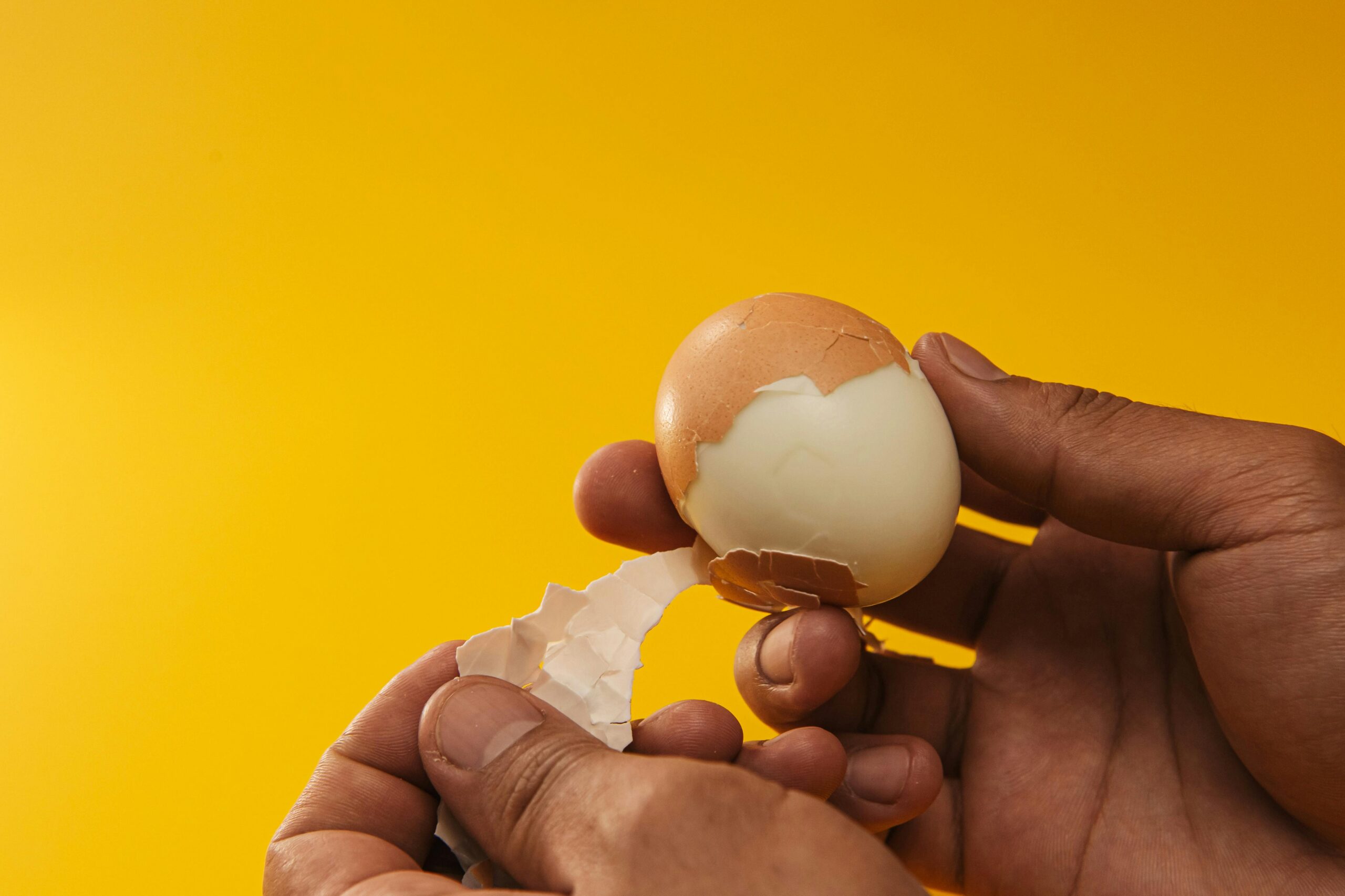
A few methods consistently improve your chances. Start with slightly older eggs. Lower them into boiling water. Control your timing. Then cool them quickly. Moving eggs into cold or ice water right after cooking helps stop the process and can separate the membrane from the shell, making peeling smoother.
Peeling under running water or starting from the wider end—where the air pocket sits—can also make a difference by helping the shell lift away more easily.
Some popular tricks fall short. Salt rarely helps. Baking soda may change the chemistry, but it does not guarantee better results. Vinegar shows more promise, but even that depends on timing and handling.
The Takeaway Most People Miss
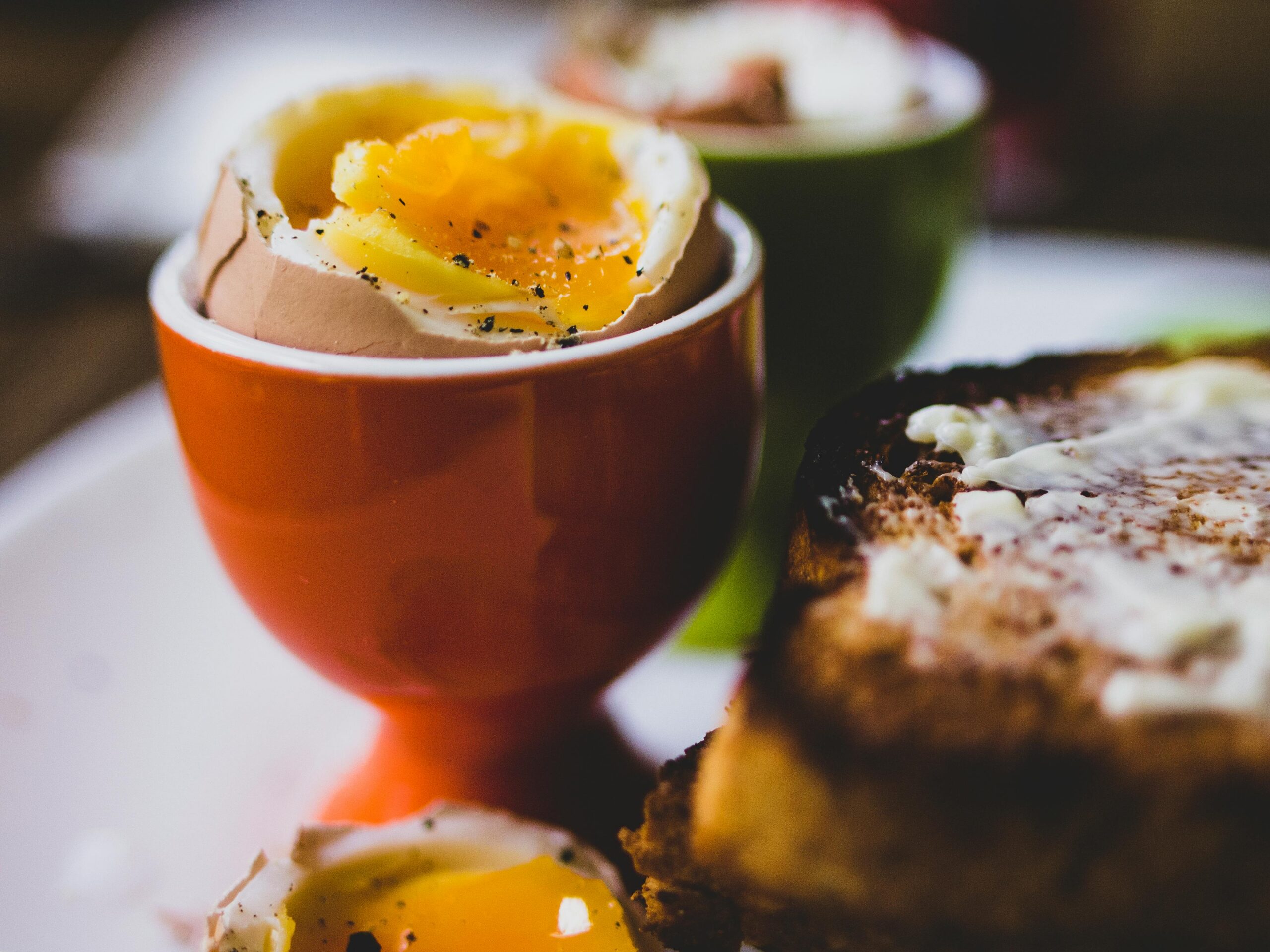
Perfect peeling does not come down to one magic trick. It comes down to understanding what the egg is doing. Fresh eggs fight you. Slightly older eggs cooperate.
Cooking method matters just as much. Quick exposure to boiling water, precise timing, and proper cooling all work together to reduce resistance between the egg and its shell. Ignore those factors, and even the best technique will struggle. Get them right, and the shell starts to come off in large, clean pieces.
It turns out the “secret” has been hiding in plain sight all along—less about what you add to the pot, and more about how you treat the egg from start to finish.