Trader Joe’s “Fake Food” Conspiracy Is Getting Out of Hand
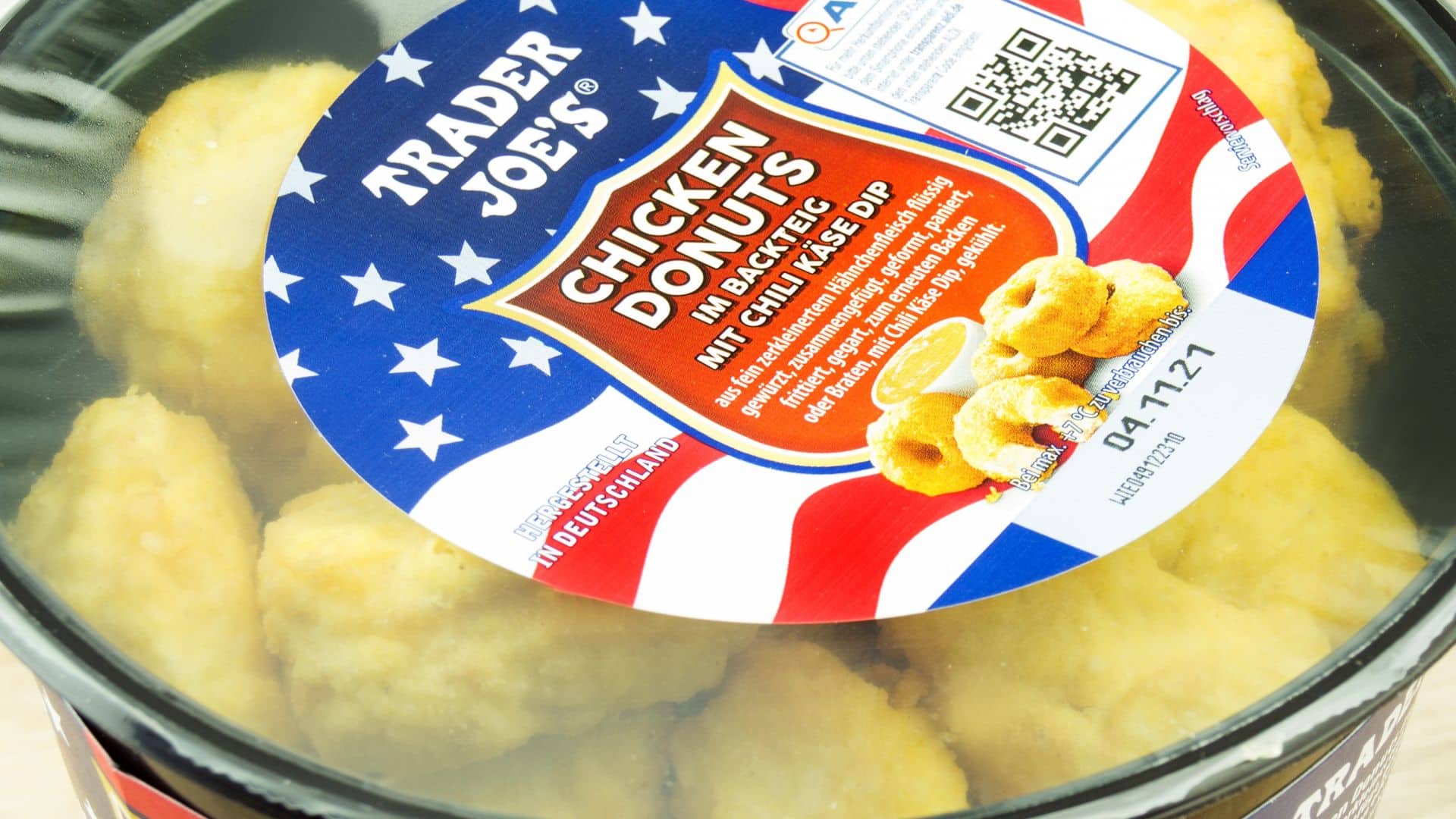

A cooked chicken dish still looking fresh after a month. That was the claim that set social media on fire, launching a wave of videos accusing Trader Joe’s of selling “fake food.” The videos racked up millions of views, with users comparing the store’s products to McDonald’s notoriously long-lasting burgers. Before you toss your grocery haul, though, there’s a lot more to this story than a stubborn piece of chicken.
What Does ‘Fake Food’ Actually Mean?
When critics use the term “fake food,” they are not accusing Trader Joe’s of selling mislabeled or counterfeit products. The concern, as expressed on TikTok and YouTube, is that certain items are lower in quality than they appear. The unusually long shelf life of some products is seen as suspicious, as if something unnatural must be preserving them. But the real explanation turns out to be far less sinister.
The Science Behind the Long Shelf Life
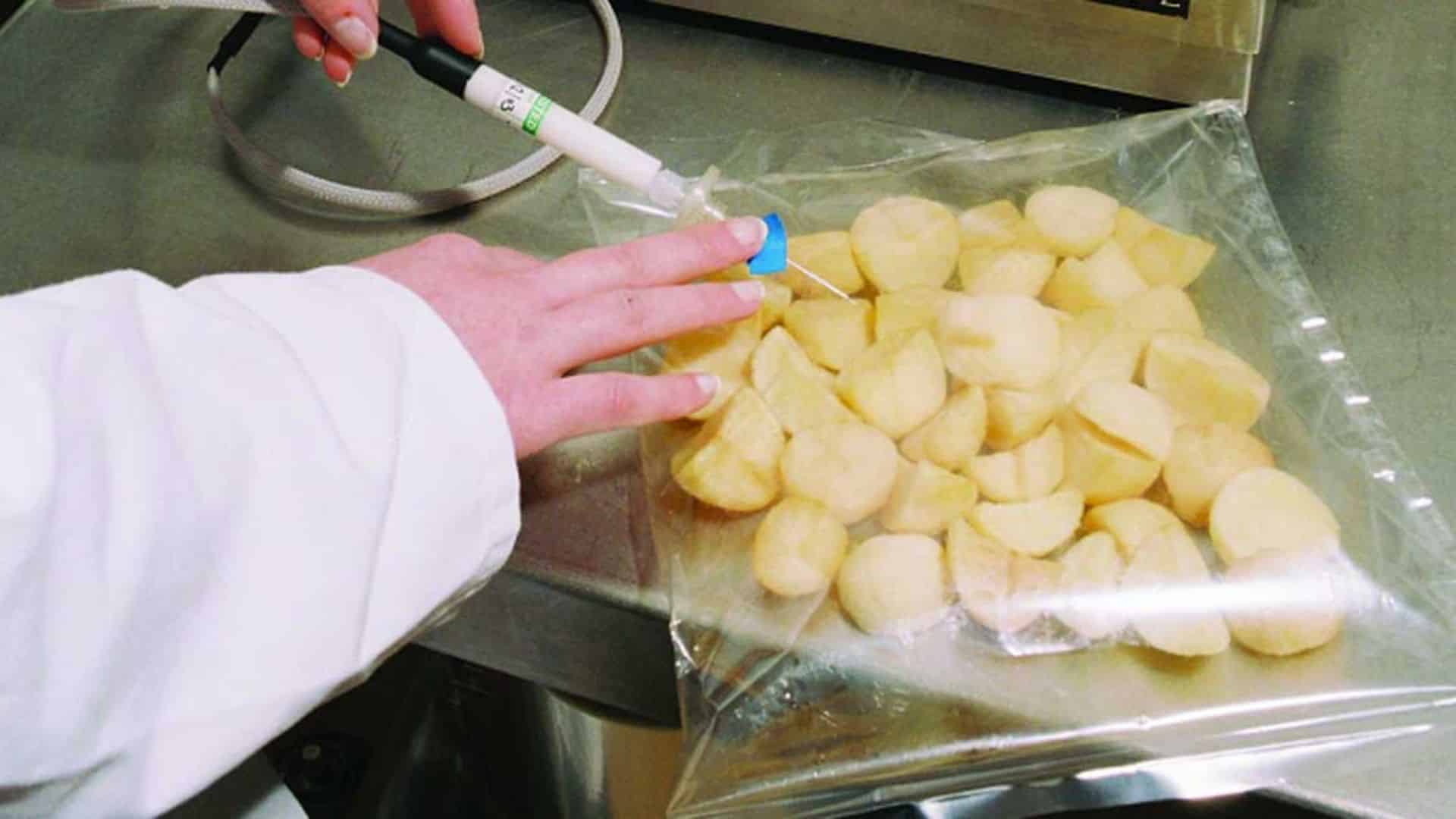
Many Trader Joe’s items use a technique called modified atmosphere packaging, or MAP. This process replaces the air inside a sealed container with a mix of gases, most commonly nitrogen, that are far less reactive than regular oxygen. Since oxygen is what drives spoilage, removing it dramatically slows down the process. The result is food that stays fresh for weeks without any added preservatives, which is not a red flag but rather an example of modern food science doing its job.
Nitrogen, Not Nonsense
The key to understanding MAP lies in basic chemistry. Oxygen makes up about 20% of the air around us, and it reacts rapidly with food, breaking it down and accelerating spoilage. Nitrogen, on the other hand, is an inert gas that rarely interacts with food at all. By flooding a sealed package with nitrogen, producers can block degradation without compromising flavor or nutrition. The food inside is genuine; only the air surrounding it has been changed.
@foodsciencebabe and the Pushback

The conspiracy did not go unchallenged. TikTok account @foodsciencebabe posted a rebuttal video that directly addressed the original clip, explaining the role of MAP and pointing out how viral claims, when shared without research, can spiral into misinformation. Food safety experts and nutritionists joined the conversation quickly, offering clear, evidence-based explanations. It was a rare moment where social media corrected itself before the story got completely out of hand.
The Ultra-Processed Question Is Real, Just Misdirected
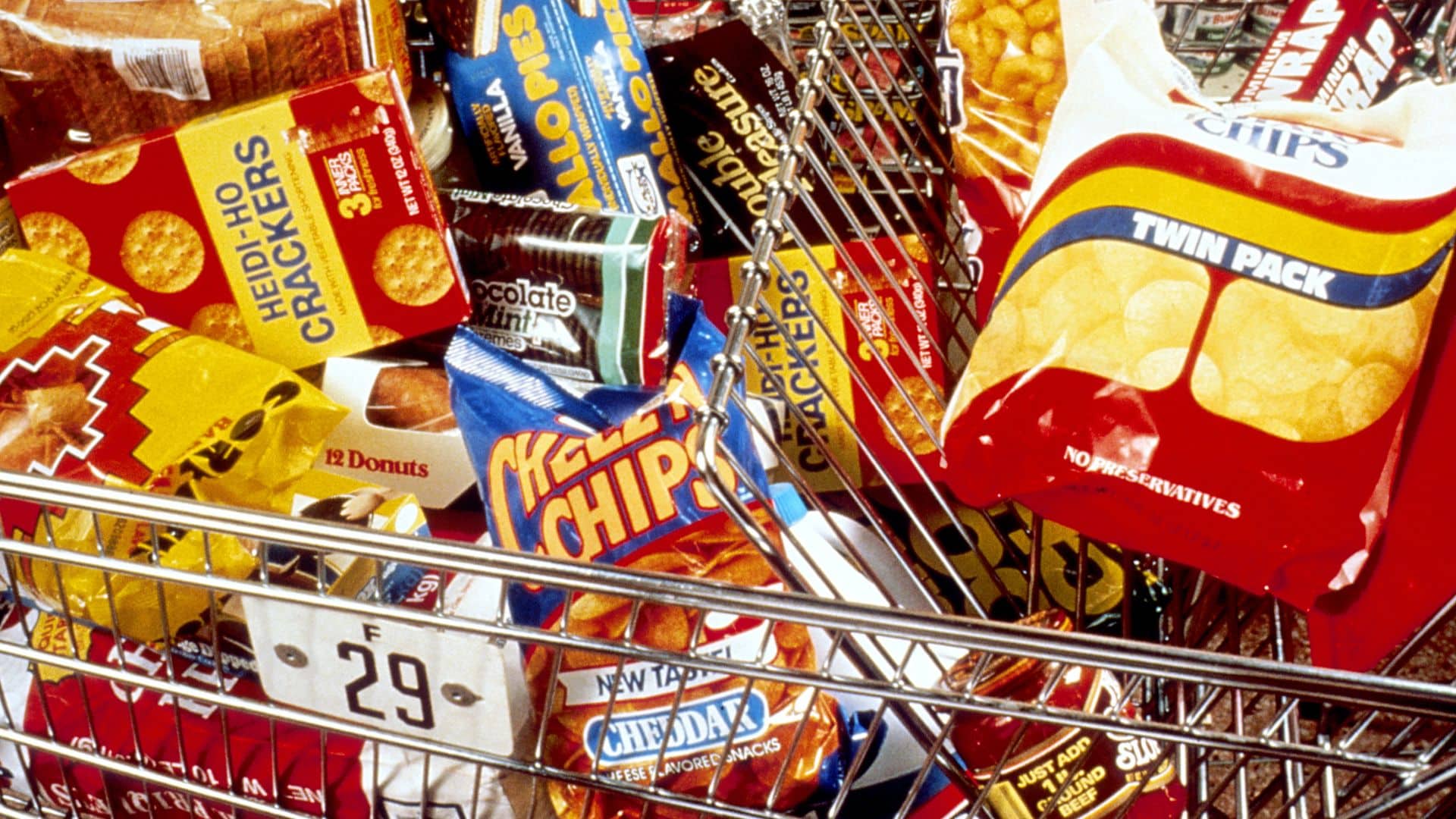
There is a legitimate concern buried inside the conspiracy, just aimed at the wrong target. Ultra-processed foods, which are products made with industrial additives and substances not found in typical home cooking, have been linked to real health risks, including a higher likelihood of type 2 diabetes, heart disease, and obesity. The problem is that this applies broadly to packaged grocery food everywhere, not specifically to Trader Joe’s. Blaming one store misses the bigger picture entirely.
Trader Joe’s Is Actually Ahead of the Industry
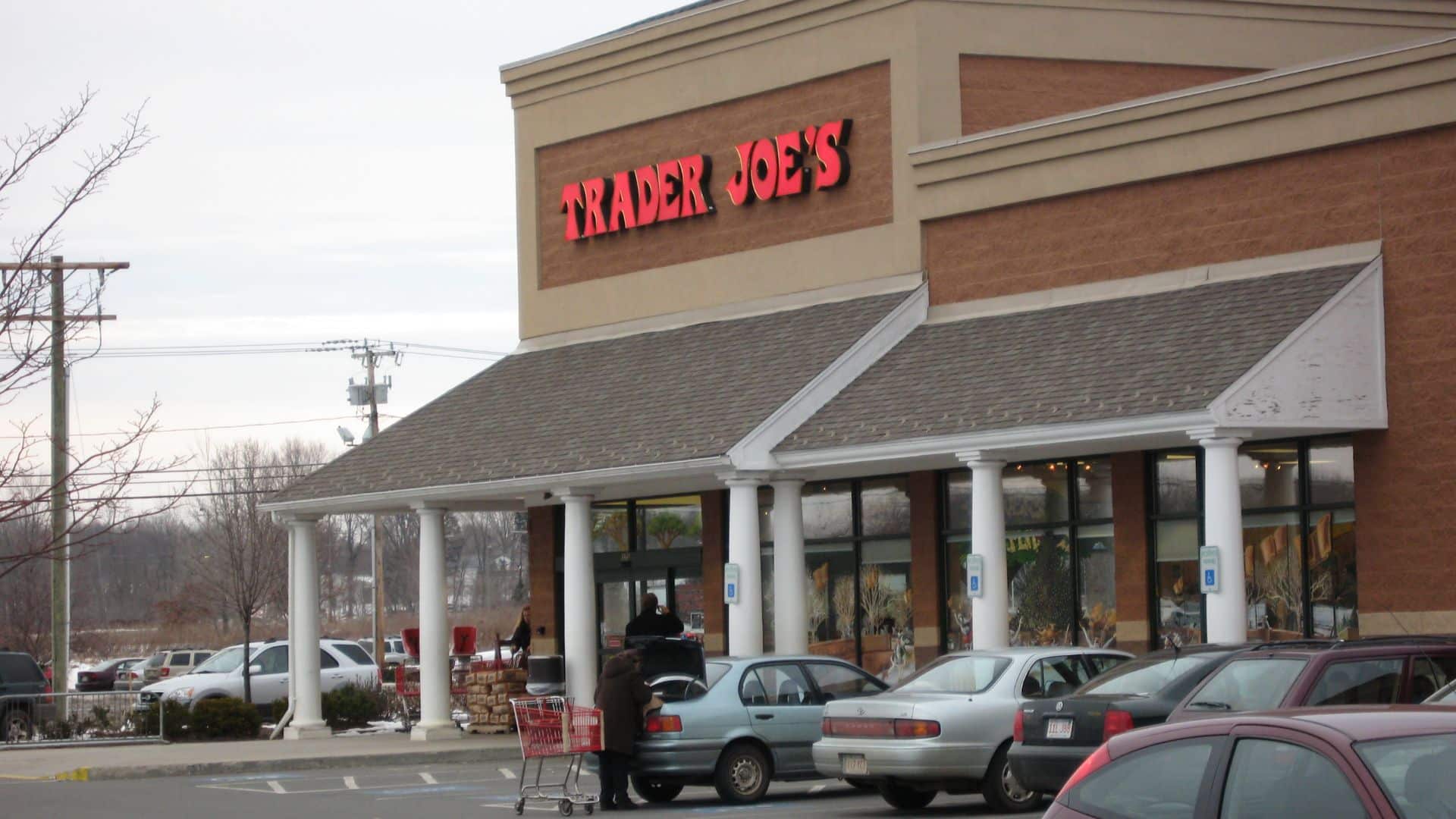
Despite the conspiracy, Trader Joe’s performs better than many competitors when it comes to additives. According to Chowhound, the chain does better than most major supermarkets in this area. Around 80% of its products are private-label items, sourced directly from global manufacturers with whom the company builds close, long-term relationships. That hands-on supply chain gives Trader Joe’s more control over what goes into its food, not less.
The Secret Supply Chain Fueling the Suspicion
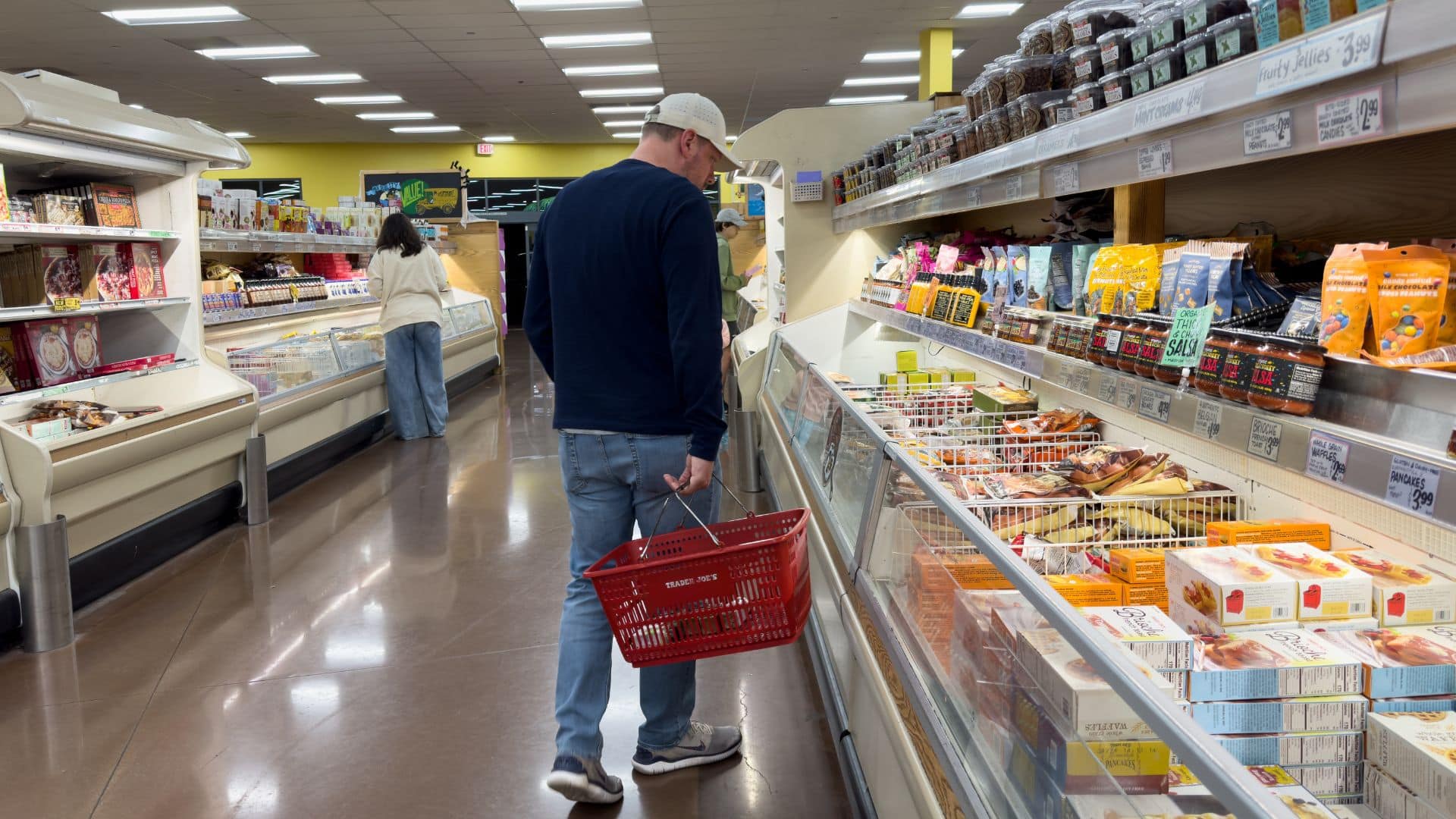
Part of what makes Trader Joe’s feel mysterious is its deliberately secretive sourcing model. The retailer sells a rotating, curated selection of exclusive items sourced from producers around the world, many of which are not available anywhere else. That exclusivity can feel strange to shoppers used to recognizable national brands. But according to analysts at Thomas Net, this model actually allows for stricter quality control by cutting out the middlemen who might otherwise compromise standards.
Quality Varies, and That Is Worth Knowing
Trader Joe’s is not perfect. Some shoppers have reported that fresh produce tends to go bad faster than expected, and certain items, such as some frozen pizzas, fall short of the store’s reputation. The company itself acknowledges that product quality can vary. What the conspiracy gets wrong is treating inconsistency as evidence of widespread deception. Every grocery chain has hits and misses. The difference at Trader Joe’s is that its curated, smaller selection means the misses tend to stand out more.
The Real Lesson Behind the Viral Panic
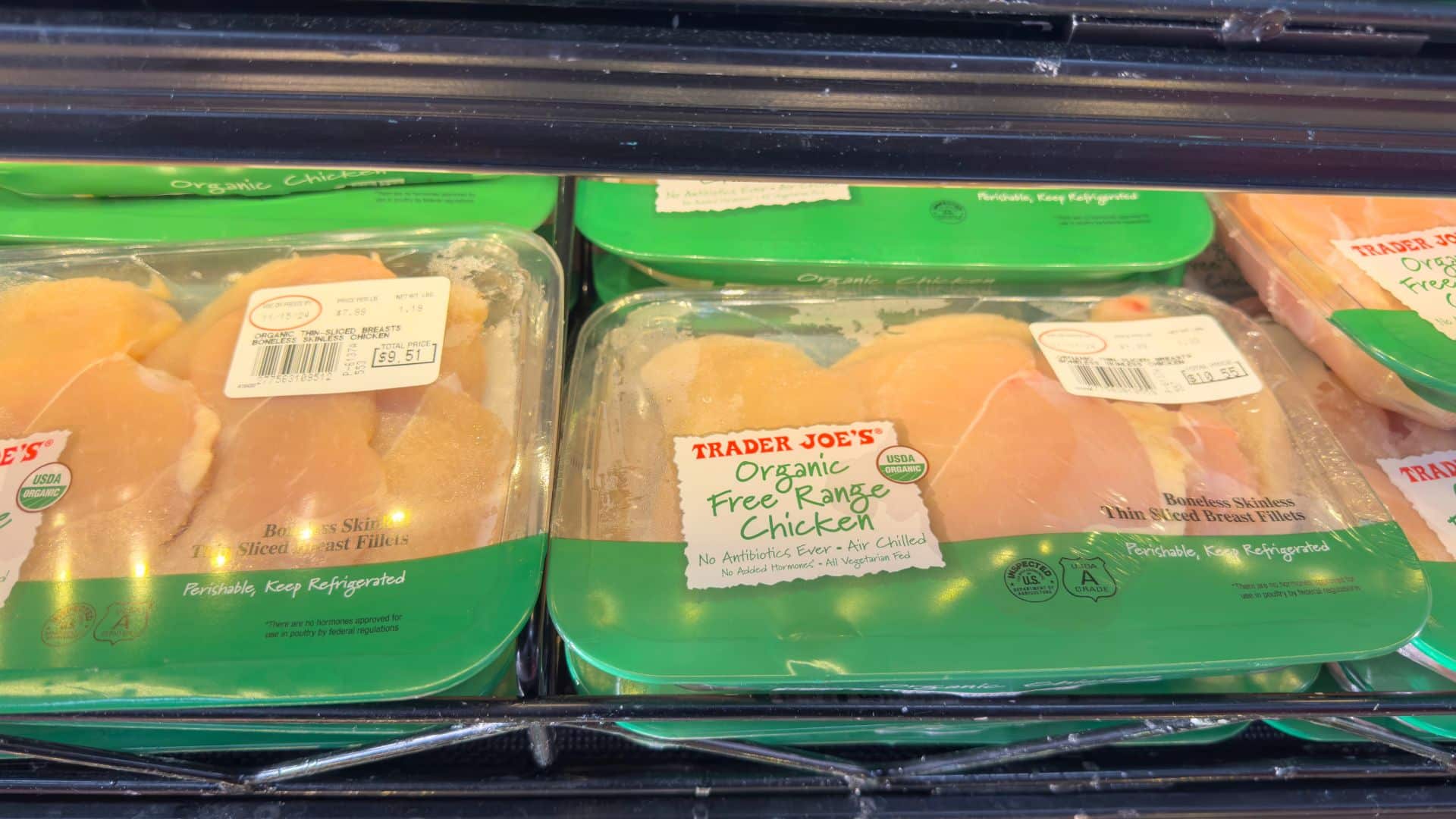
A piece of chicken that stayed fresh a little too long became the seed of a viral conspiracy that made millions of people question what is actually in their food. That suspicion is not entirely without value. In a food industry where ultra-processed products, long ingredient lists, and opaque sourcing are genuinely widespread concerns, healthy skepticism makes sense. The lesson is not to distrust Trader Joe’s specifically, but to ask better questions about all the food we buy, everywhere.