Trump Pushes Plan to Lower Beef Prices as Consumers Face Higher Costs
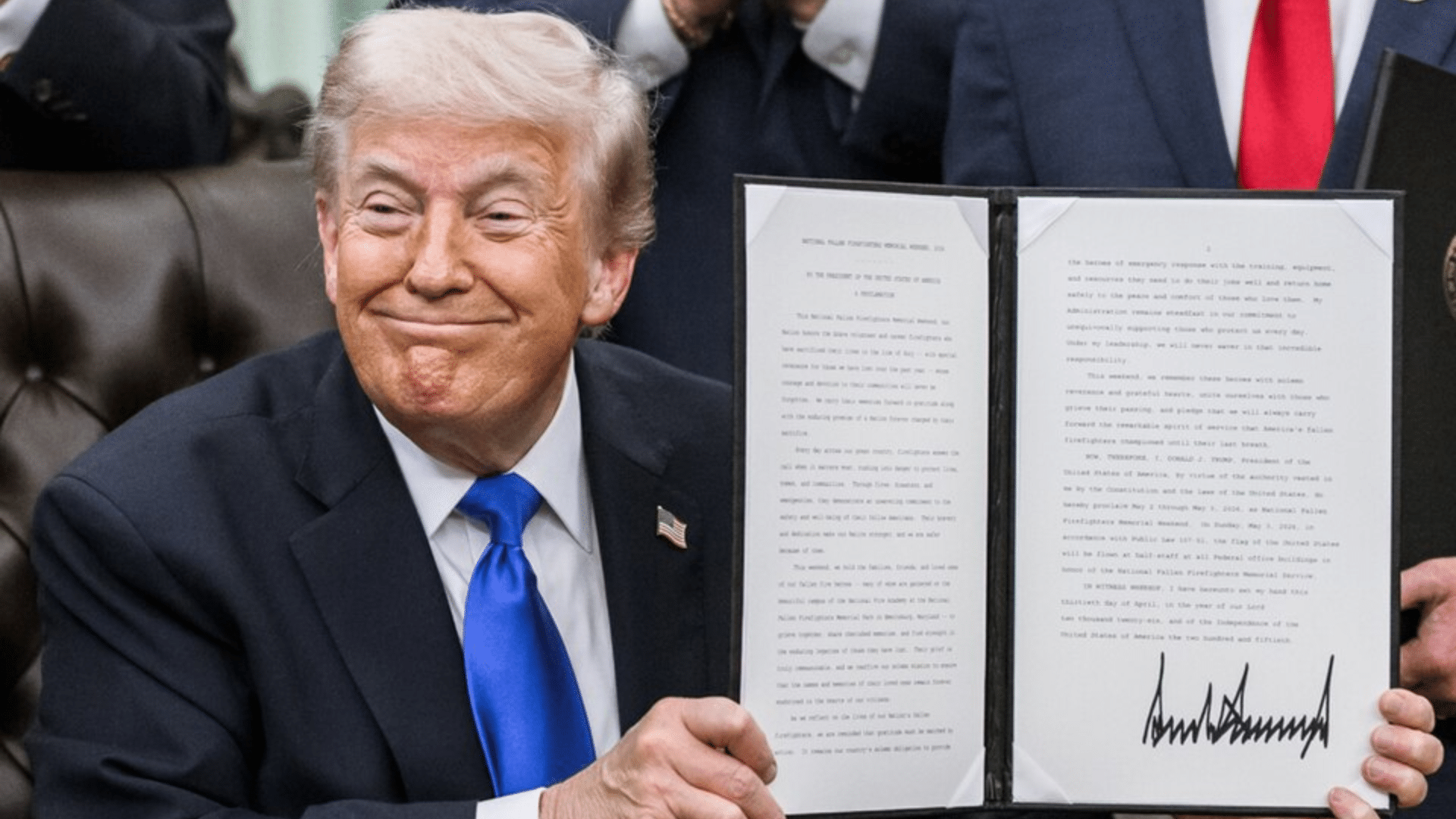

President Donald Trump is pushing new measures aimed at lowering beef prices as American consumers continue facing rising grocery costs nationwide. The administration recently announced executive actions designed to increase beef supply, reduce pressure on prices, and support the struggling U.S. cattle industry. Officials say the effort is intended to address ongoing shortages that have pushed beef prices to record levels.
Beef prices have climbed sharply over the past year as drought conditions, high feed costs, and declining cattle herd sizes reduced domestic production capacity. According to reports, the U.S. cattle herd has fallen to its lowest level since the early 1950s, creating supply shortages across the market.
The administration’s plan includes expanding certain beef imports while also offering support measures intended to help American ranchers rebuild herds. However, some ranchers and industry groups have criticized parts of the proposal, arguing increased imports could hurt domestic producers financially.
Executive Orders Aim to Expand Supply and Reduce Prices
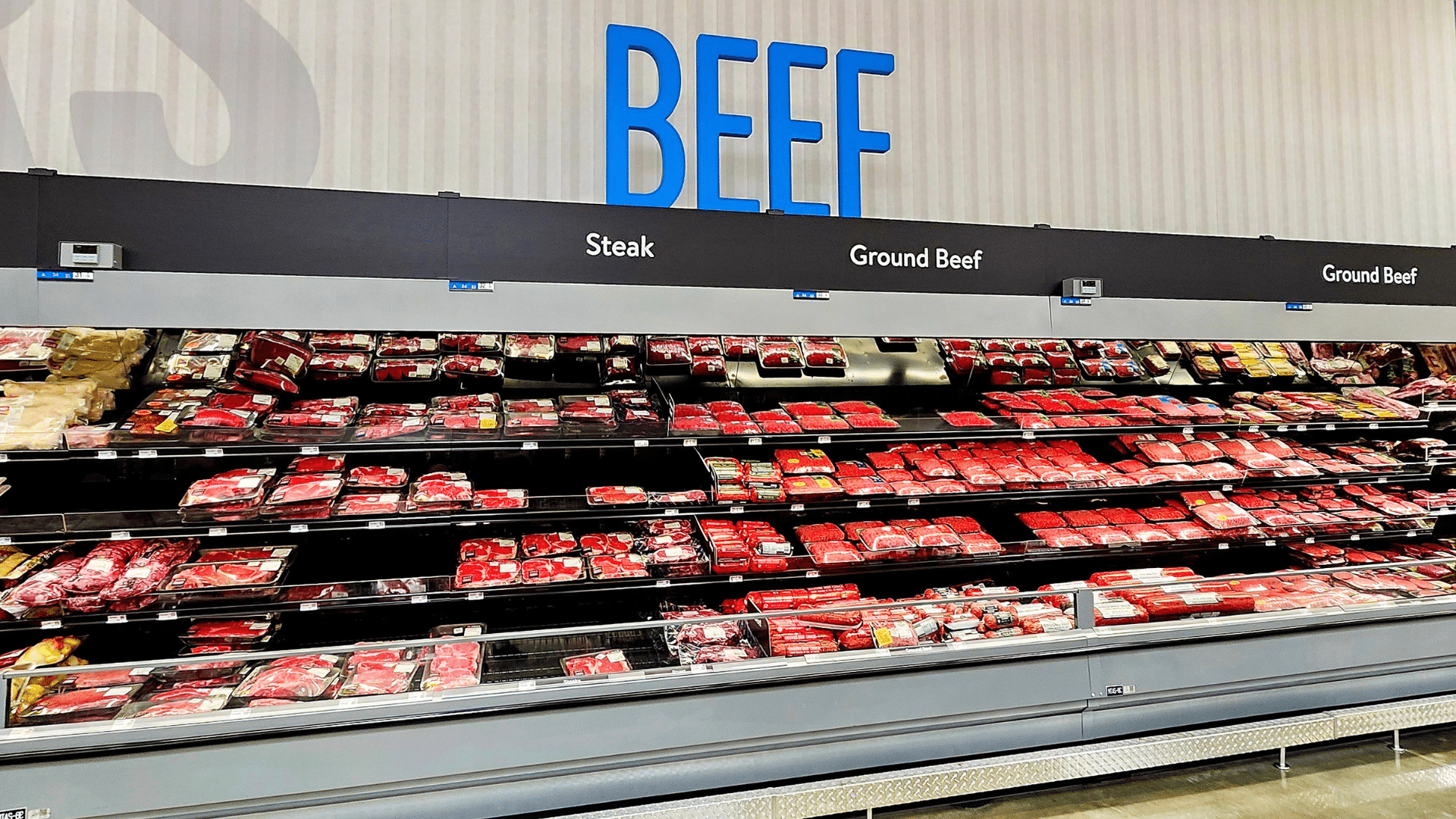
Trump’s executive actions focus heavily on increasing the available beef supply entering the U.S. market. One measure temporarily expands tariff-rate quotas on imported lean beef trimmings, particularly from Argentina, in an effort to stabilize ground beef prices for consumers.
The administration has also discussed reducing trade barriers and encouraging additional imports from countries including Brazil, Australia, and Canada. Officials argue that boosting supply in the short term could help bring down retail prices while domestic ranchers work to rebuild cattle inventories.
At the same time, Trump officials say the administration wants to strengthen long-term domestic production through financial assistance and regulatory changes benefiting ranchers. Proposed measures reportedly include expanded access to loans and reduced environmental restrictions affecting cattle operations.
Ranchers and Industry Groups Push Back Against Import Expansion
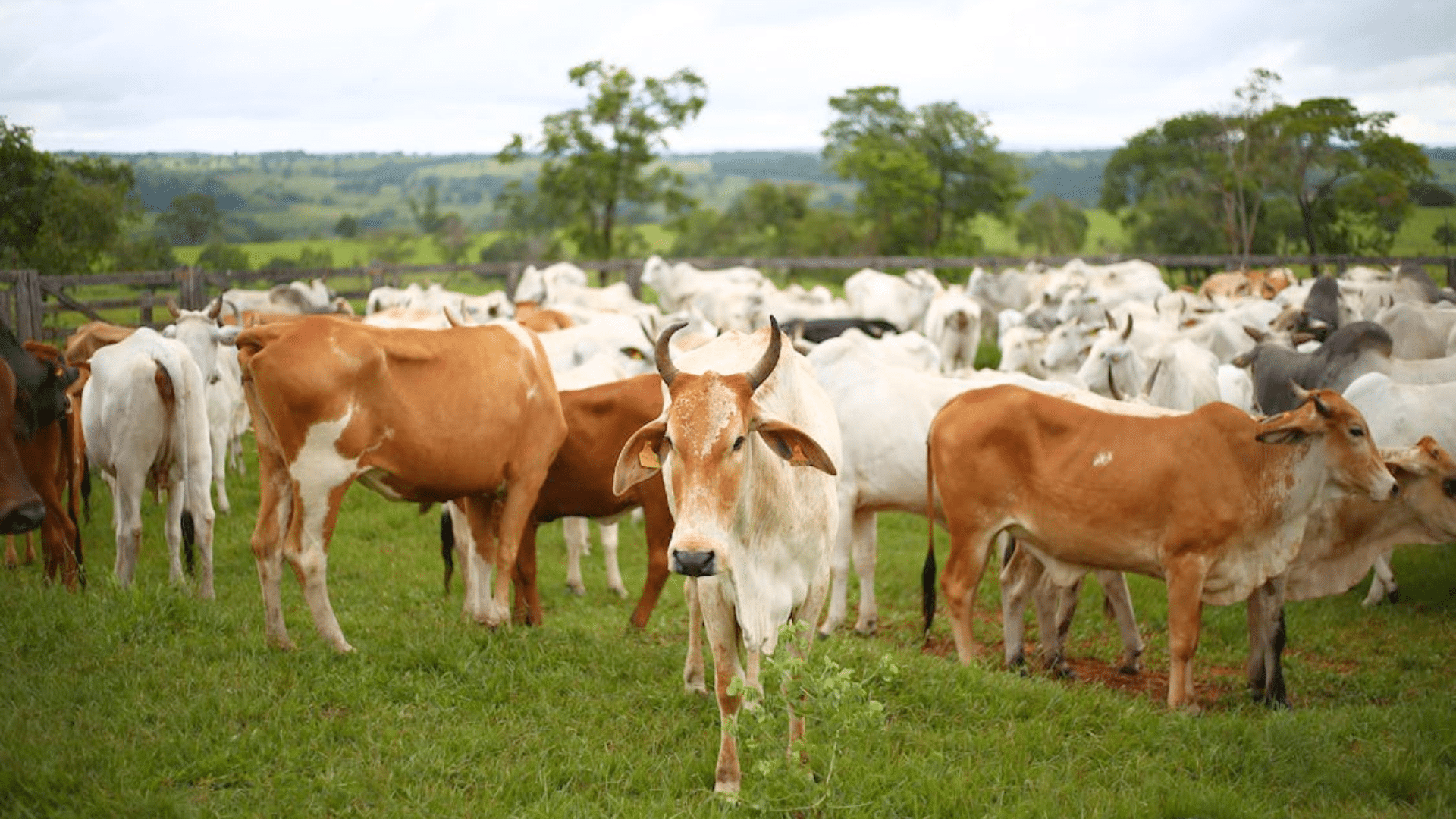
Despite the administration’s focus on lowering consumer prices, some cattle ranchers say expanded imports could place additional pressure on domestic producers already facing difficult economic conditions. Several ranchers have expressed concern that cheaper foreign beef may undercut American cattle prices and weaken local operations.
Industry critics also argue that long-term solutions should focus more heavily on rebuilding domestic herd capacity rather than increasing reliance on imports. Drought conditions, rising feed costs, and supply chain pressures have already created major challenges for ranchers across western states.
Meanwhile, the administration has also targeted large meatpacking companies through antitrust investigations tied to beef pricing concerns. Officials claim dominant processors may be contributing to higher retail costs and market imbalances within the food supply chain.
Beef Price Debate Highlights Growing Pressure on Consumers and Ranchers

The Trump administration’s effort to reduce beef prices reflects growing concern over rising grocery costs and tightening food supplies across the country. Consumers continue facing higher prices at supermarkets while ranchers struggle with shrinking cattle herds and increasing production expenses. The administration hopes expanded imports and domestic support measures can ease pressure on both sides of the market.
However, the strategy has divided the cattle industry as some ranchers warn that increased imports may create new financial risks for domestic producers. Supporters argue that temporary supply expansion is necessary to stabilize prices and protect consumers from further inflation. The disagreement highlights the difficulty of balancing affordability with long-term industry sustainability.
Ultimately, the debate underscores how supply shortages, global trade, and agricultural policy continue shaping food prices for millions of Americans.