USDA Relocates 200 Food Safety Employees to Iowa, Georgia and Colorado as Critics Warn of ‘Diluted’ Services
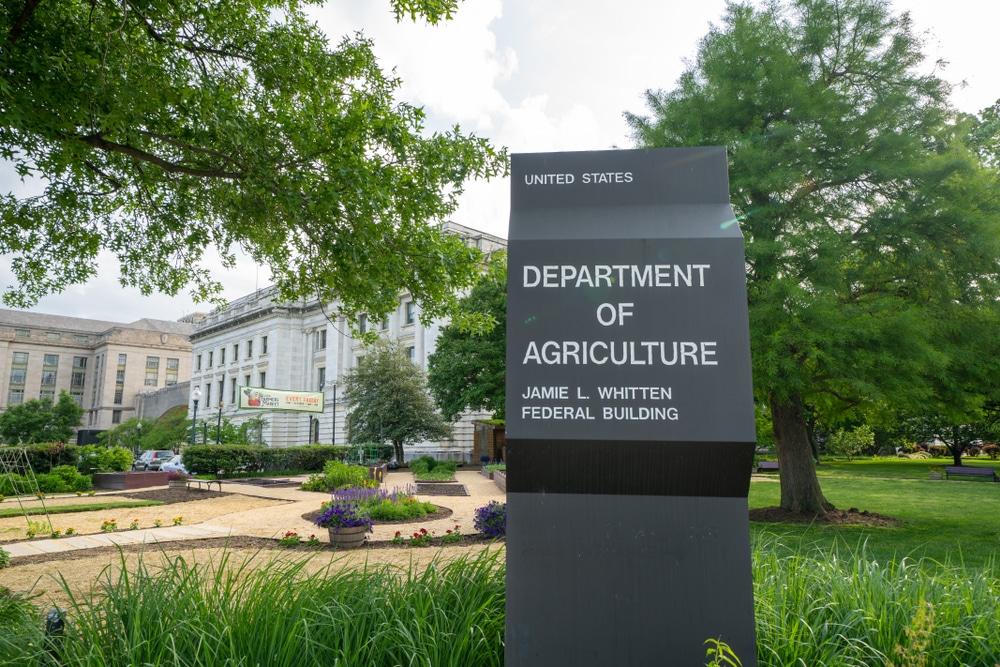

The U.S. Department of Agriculture is relocating roughly 200 Food Safety and Inspection Service employees from Washington, D.C., to Iowa, Georgia and Colorado as part of a broader federal reorganization effort aimed at decentralizing agency operations.
Under the plan, USDA will establish a new National Food Safety Center in Urbandale, Iowa, which will become the primary hub for FSIS administrative, technical and support functions. Additional scientific operations will expand in Athens, Georgia, while a smaller office in Fort Collins, Colorado, will focus on international food safety activities. About 100 positions will remain in Washington to handle congressional coordination, policy development and interagency work.
In an April 2026 announcement, USDA Secretary Brooke Rollins described the move as an effort to build a “stronger, more resilient food safety system.” USDA officials said the restructuring would reduce duplication, streamline support services and place agency operations closer to agricultural production centers across the country.
Officials Say Inspections Will Continue Uninterrupted

USDA has emphasized that frontline food inspections will not be affected by the relocation. According to the agency, inspectors responsible for overseeing more than 6,800 meat, poultry and egg processing facilities nationwide will remain in place, and no reductions are planned for the inspection workforce, which represents about 85% of FSIS employees.
The agency said the new National Food Safety Center in Iowa will centralize functions such as training, financial operations, food safety education, information technology and administrative support. USDA Deputy Secretary Stephen Vaden said the restructuring is intended to improve accountability and operational efficiency while maintaining existing food safety standards.
USDA officials also pointed to expanded scientific capabilities in Georgia as part of the modernization effort. The agency said the Athens Science Center will build upon the existing Eastern Field Services Laboratory by adding microbiology, chemistry and epidemiology resources designed to strengthen FSIS research and public health operations.
The food safety reorganization is part of a much larger USDA restructuring initiative launched in 2025. Secretary Rollins’ departmental memorandum outlined plans to relocate large portions of the agency’s Washington-area workforce to regional hubs around the country, arguing the moves would reduce bureaucracy, lower costs and bring federal employees closer to the communities they serve.
Critics Warn of Staffing Losses and Reduced Effectiveness

Consumer advocates and labor groups, however, have raised concerns that the relocations could weaken food safety operations by driving experienced employees out of the agency. According to reporting from Food Safety News, the Consumer Federation of America warned the reorganization could produce a “diluted” version of the public services currently provided by FSIS.
The organization compared the current effort to the Trump administration’s 2019 relocation of USDA’s Economic Research Service and National Institute of Food and Agriculture to Kansas City. That earlier move resulted in significant employee departures and drew criticism from researchers and lawmakers who argued the agency lost valuable institutional expertise.
Federal News Network reported that approximately 85% of impacted USDA employees left or retired during the 2019 relocation effort rather than move. The outlet also reported that an internal survey conducted by the American Federation of Government Employees Local 3403 found that 76% of union members facing relocation this time indicated they did not plan to relocate.
Union officials warned that similar staffing losses could disrupt research, delay grant funding and weaken operational oversight. In a statement reported by Federal News Network, AFGE Local 3403 argued the relocations risk dismantling decades of institutional knowledge that policymakers, universities and agricultural stakeholders rely upon.
USDA Reorganization Expands Across Multiple Agencies
The FSIS restructuring is only one piece of USDA’s broader overhaul. The department’s reorganization plan calls for relocating large segments of multiple agencies outside the National Capital Region while reducing management layers and consolidating support functions.
The Food and Nutrition Service, for example, is being reorganized into a new Food and Nutrition Administration that will distribute operations across regional hubs in cities including Dallas, Denver, Indianapolis and Kansas City. USDA officials said the goal is to improve collaboration with states and reduce administrative inefficiencies.
The department has also announced major changes to the Forest Service, National Agricultural Statistics Service and Agricultural Research Service. According to the USDA memorandum released in 2025, the agency hopes to eventually reduce the number of employees located in the Washington region from roughly 4,600 to fewer than 2,000.
Whether the latest food safety relocation effort ultimately improves efficiency or weakens agency expertise may not become clear for years. For now, USDA leadership says the changes are necessary to modernize operations, while critics argue the moves risk undermining agencies that oversee some of the country’s most critical public health and agricultural functions.