Walgreens Store Closures Spark Protests as Communities Fear Losing Pharmacy Access
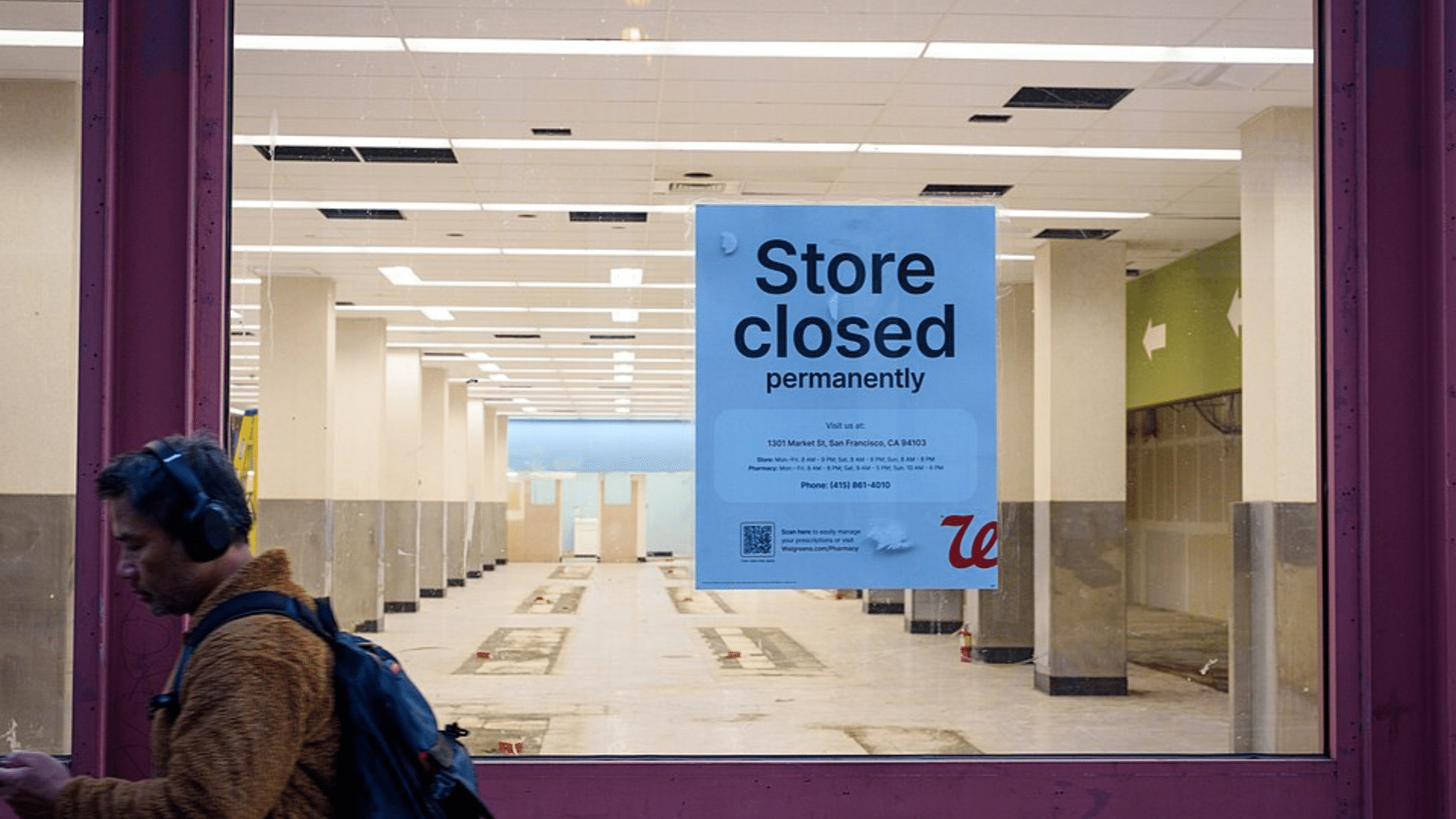

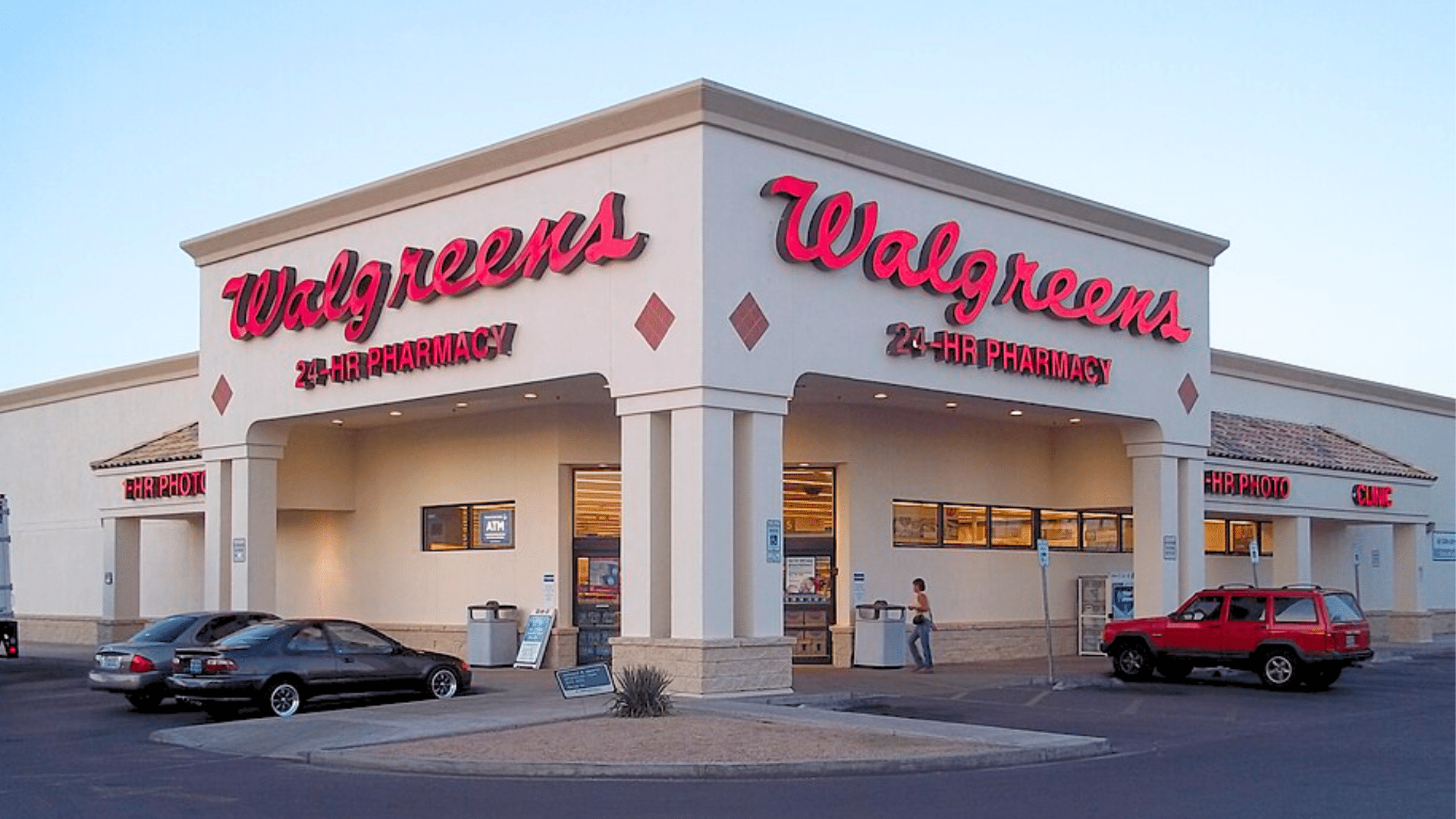
Walgreens store closures across the United States have triggered protests as residents worry about losing access to essential pharmacy services. The company is shutting hundreds of locations as part of a broader restructuring plan affecting more than 1,200 stores over several years. Many communities say these closures will create “pharmacy deserts” where basic healthcare access becomes limited.
The closures have drawn particular concern in urban and underserved neighborhoods where Walgreens is often one of the few nearby pharmacies. Residents argue that losing these locations will make it harder for elderly and low-income patients to fill prescriptions and access daily medications. Reports show that some communities are already organizing protests and public meetings to push back against the shutdowns.
Walgreens, meanwhile, says the closures are necessary due to financial pressure, shifting consumer habits, and underperforming stores. The company has stated that prescriptions will be transferred to nearby locations or delivered where possible, but many residents say that is not a practical solution for everyone.
Store Closures and Expanding “Pharmacy Desert” Concerns
Walgreens has confirmed plans to close over 1,200 stores in the coming years, with hundreds already shutting down or scheduled for closure. According to reporting, this includes locations in both major cities and smaller communities where pharmacy access is already limited.
Community leaders in affected areas argue that these closures disproportionately impact vulnerable populations, especially seniors and patients with chronic conditions. In several neighborhoods, Walgreens has been described as a “last remaining pharmacy,” meaning its closure forces residents to travel significantly farther for medications.
Protests have emerged in multiple cities, with residents and local officials criticizing the company’s decision-making process. Some argue that corporate cost-cutting is taking priority over public health needs, especially in low-income areas already facing healthcare access challenges.
Community Response and Corporate Justification
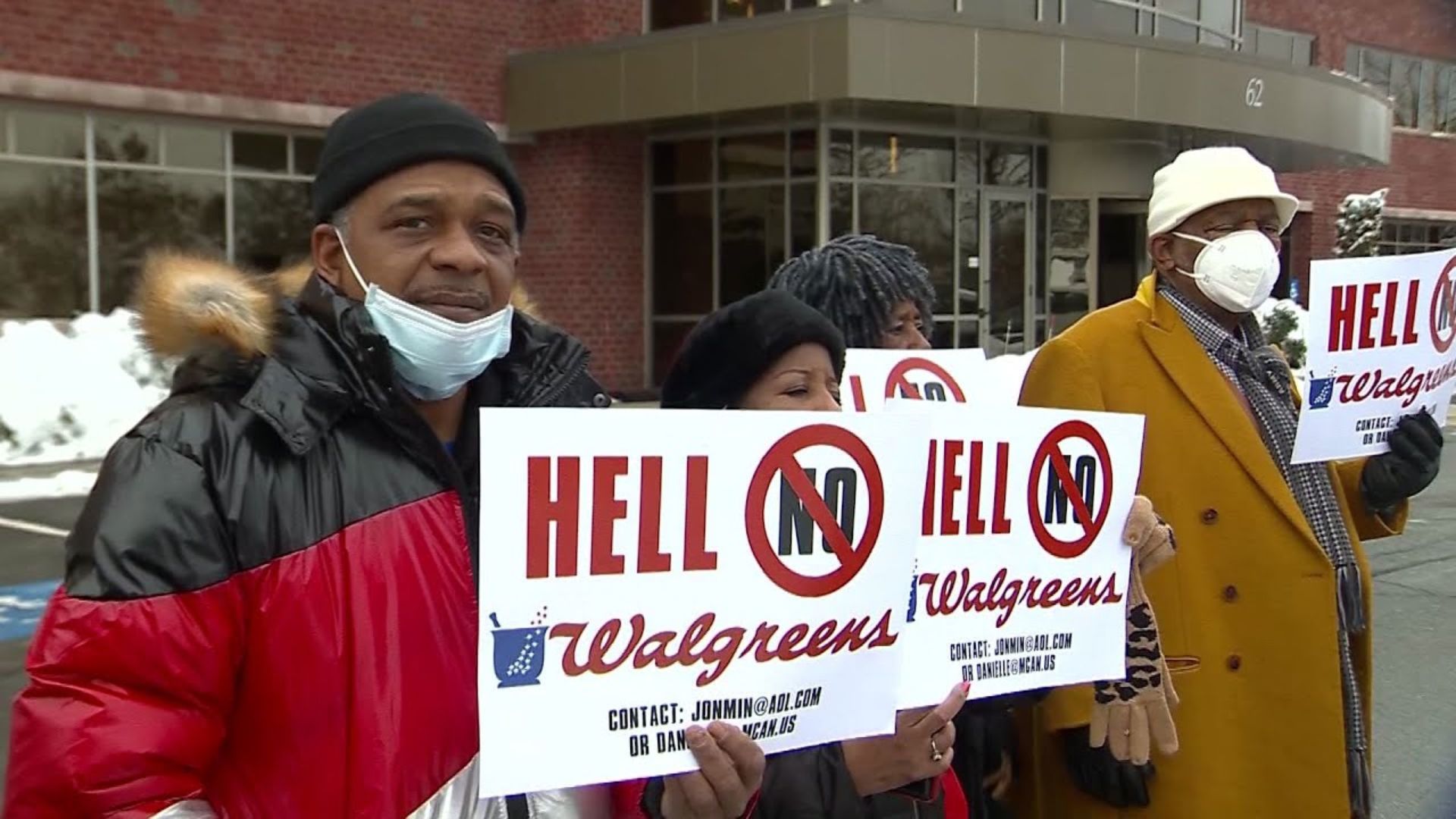
Residents affected by Walgreens closures say they are concerned about increased travel times, higher transportation costs, and delayed access to prescriptions. In some cases, people with mobility issues say they may struggle to reach alternative pharmacies at all.
Walgreens has defended its strategy by stating that closures are focused on underperforming locations and stores with financial losses or safety concerns. The company also says it is investing in delivery services and nearby store consolidation to maintain prescription access.
Despite these assurances, many community members remain skeptical that alternatives will fully replace neighborhood pharmacies. The gap between corporate plans and local impact continues to fuel public frustration and organized opposition.
Pharmacy Closures Highlight Access and Equity Challenges

Walgreens’ ongoing store closures have intensified concerns about healthcare access in communities already facing limited pharmacy options. While the company frames the move as part of a broader business restructuring, many residents see it as a direct threat to essential services. The situation has sparked protests and renewed debate over corporate responsibility in healthcare access.
As more locations close, affected communities are increasingly reliant on fewer nearby pharmacies or delivery services that may not meet urgent needs. Local leaders continue to warn that the loss of physical pharmacies could worsen existing healthcare inequalities. The issue remains especially urgent for seniors and patients managing chronic conditions.
Ultimately, the controversy highlights the tension between corporate cost-cutting strategies and the real-world impact on community health infrastructure.