Walmart and Pam Formulas Scrapped As Experts Warn of ‘Neurological Issues’ From Hidden Kitchen Gases
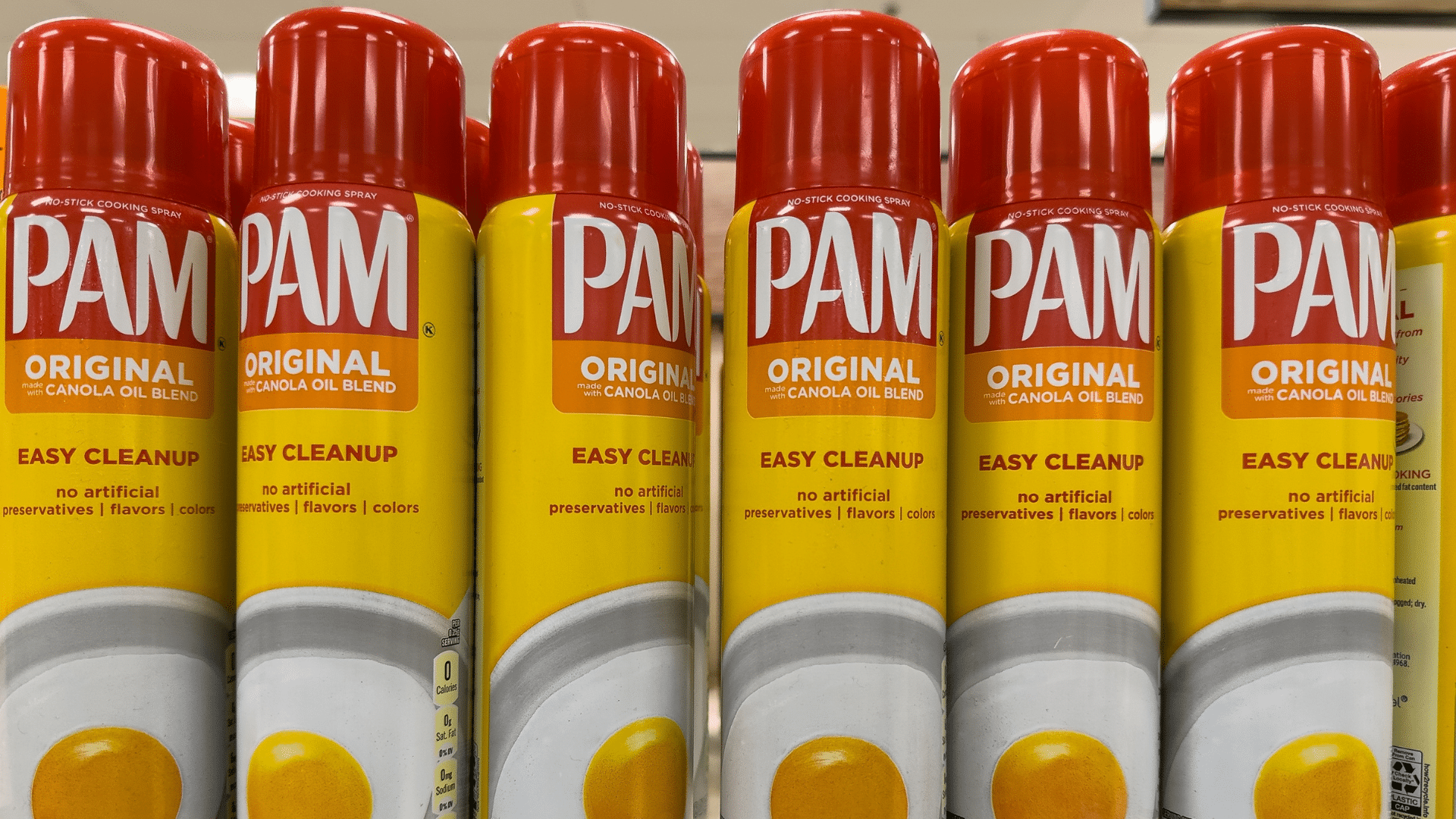

Shoppers at major retailers including Walmart are being notified that several popular cooking spray formulas have been discontinued amid growing concerns about potential health risks tied to hidden gases and chemical residues. Some of the products pulled from shelves include long‑standing favorites that consumers have relied on for non‑stick cooking, prompting questions about what caused the shift. Health and nutrition experts are now warning that volatile compounds released when certain aerosol sprays are heated could contribute to neurological irritation or other health issues over time.
The trend emerged after consumer watchdogs and food safety advocates raised alarms over the chemical propellants and additives used in some cooking sprays, particularly those that may emit gases when exposed to high heat. Manufacturers and retailers have responded by reformulating certain products or discontinuing them altogether, though exact details about which ingredients triggered the moves are still being clarified. This development has led many home cooks to seek safer alternatives for everyday food preparation.
Walmart is among the retailers adjusting inventory as suppliers reformulate or pull products, while some consumers have been caught off guard by empty shelves or altered packaging. Nutrition experts say this type of market shift shows how evolving scientific understanding can quickly change what shoppers once assumed was safe kitchen fare. Though the connection between long‑term health effects and cooking sprays is still being studied, the concern has already sparked broader conversations about food safety and ingredient transparency.
What Experts Are Saying About Hidden Gases

Health professionals have raised concerns that certain aerosol propellants and additives in cooking sprays could release volatile organic compounds (VOCs) or gases when exposed to the high temperatures common in stovetop and oven cooking. Some VOCs are known to be irritating to the respiratory system or to contribute to headaches, dizziness, or other neurological symptoms when inhaled repeatedly or in high concentrations. Although the evidence linking specific odors from cooking sprays to long‑term neurological harm is still emerging, experts urge caution and further research into the chemical behavior of these products under heat.
Some studies have found that repeated exposure to certain aerosol‑based products can contribute to respiratory irritation, particularly in poorly ventilated kitchens where fumes can build up quickly. Ventilation, such as using range hoods or opening windows while cooking, is strongly recommended to reduce inhalation of any airborne chemicals that may be produced during cooking. Public health advocates suggest that choosing alternative cooking methods, such as brushed oils or dedicated non‑stick cookware, may further limit exposure to potentially harmful gases.
Nutritionists and chemists also point out that the way these products are used, often sprayed directly into high‑heat pans where food is searing or frying increases the chance that compounds in the mist could break down into smaller particles. Smaller particles can be more easily inhaled deep into the lungs, making proper kitchen ventilation even more important. As researchers continue to study this issue, consumers are encouraged to stay aware of product ingredient lists and cooking environments that may influence exposure.
Safe Alternatives and Practical Tips
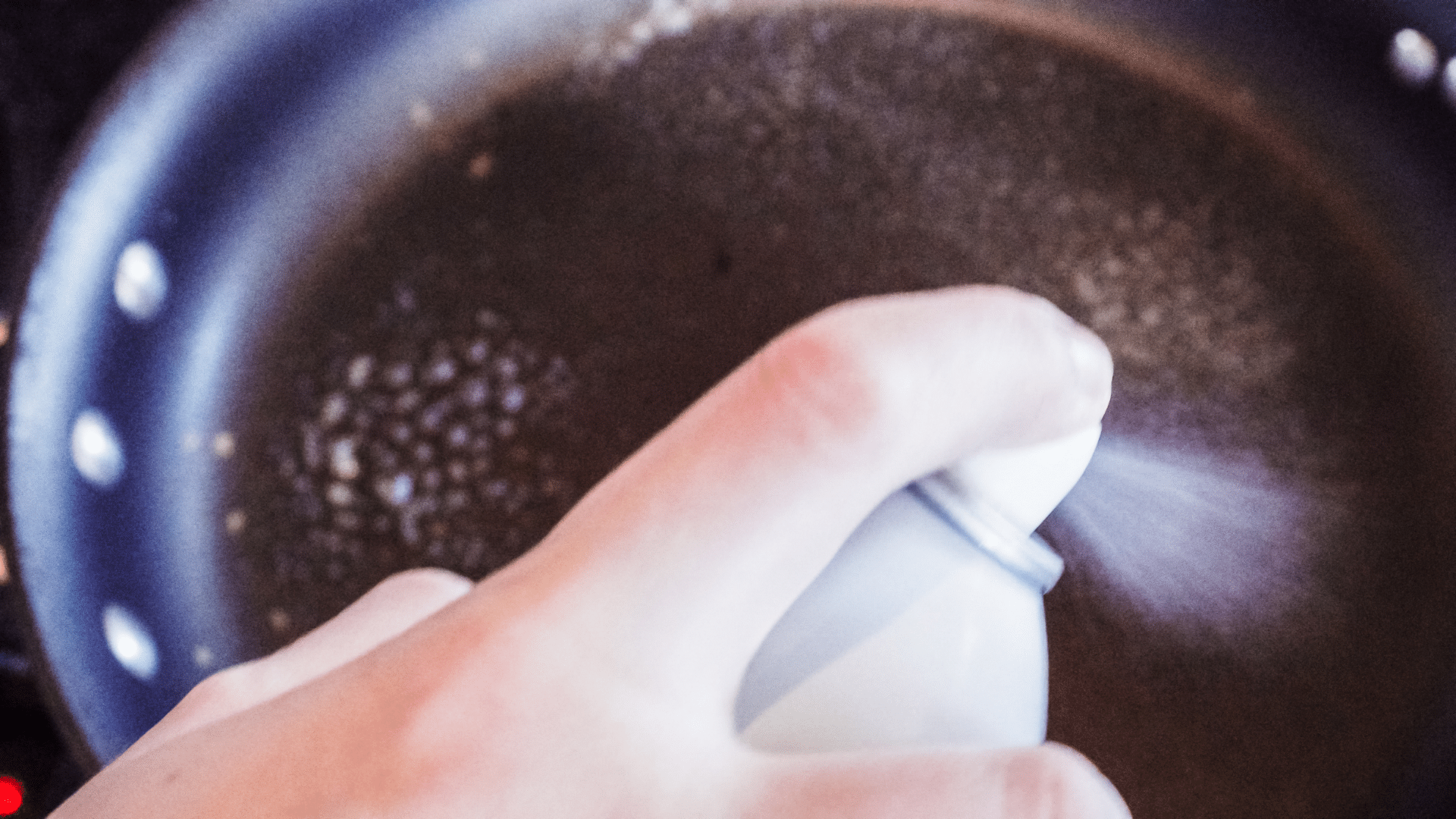
With some formulas being pulled from store shelves, many consumers are turning to traditional cooking methods such as brushing or drizzling oil directly onto cookware rather than relying on aerosol sprays. These alternatives eliminate potentially problematic propellants and give cooks more control over the amount and type of oil used, while also avoiding the fine mist that can linger in the air. Home chefs can choose heart‑healthy oils like olive, avocado, or canola, which are stable at higher heat and offer nutritional benefits in addition to non‑stick performance.
Another option is to invest in high‑quality non‑stick or seasoned cookware that requires little to no added fat for cooking, reducing the need for sprays altogether. These pans and skillets come in a variety of materials, including ceramic and seasoned cast iron, that can offer non‑stick performance through design rather than chemical additives. Pairing improved cookware with good kitchen practices, such as preheating pans properly and using moderate heat, can help home cooks achieve desired results while minimizing potential exposure to volatile compounds.
For those who still prefer spraying, reed‑diffuser or pump oil sprayers that do not rely on aerosols are available and can evenly distribute oil without generating propellant‑driven mists. These tools reduce airborne particle exposure and give users flexibility to choose their preferred oils and flavors. Combining these techniques with proper ventilation and mindful kitchen habits can help ensure cooking is both safe and satisfying.
Safer Kitchens Ahead

The discontinuation of certain cooking sprays at major retailers like Walmart highlights an emerging focus on kitchen product safety and the potential long‑term effects of inhaling chemical gases during high‑heat cooking. Health experts emphasize that while research is still evolving, choosing safer alternatives and improving ventilation can help reduce exposure to volatile compounds that might affect respiratory or neurological health. Awareness and proactive kitchen practices can lead to safer, healthier cooking environments for families and home chefs alike.
With formula changes and product discontinuations prompting consumers to rethink traditional cooking sprays, the takeaway is clear: ingredient transparency matters and understanding what we expose ourselves to while cooking is essential. Simple swaps like brush‑on oils, high‑quality cookware, and non‑aerosol sprayers can make a big difference in reducing potential risks. As science continues to examine the impact of hidden kitchen gases, home cooks are empowered to take control of their food preparation choices in ways that support long‑term wellbeing.
Ultimately, this shift may encourage the food industry to innovate safer cooking products while giving consumers tools to advocate for higher safety standards and clearer labels. By staying informed and mindful of the links between products and health, families can make decisions that protect loved ones without sacrificing convenience or flavor. Safer kitchens start with knowledge and thoughtful choices that prioritize both taste and wellbeing.