Doctors Issue Urgent Warning As Popular Weight-Loss Drugs Lead to the Resurgence of ‘Deadly’ Medieval Illness
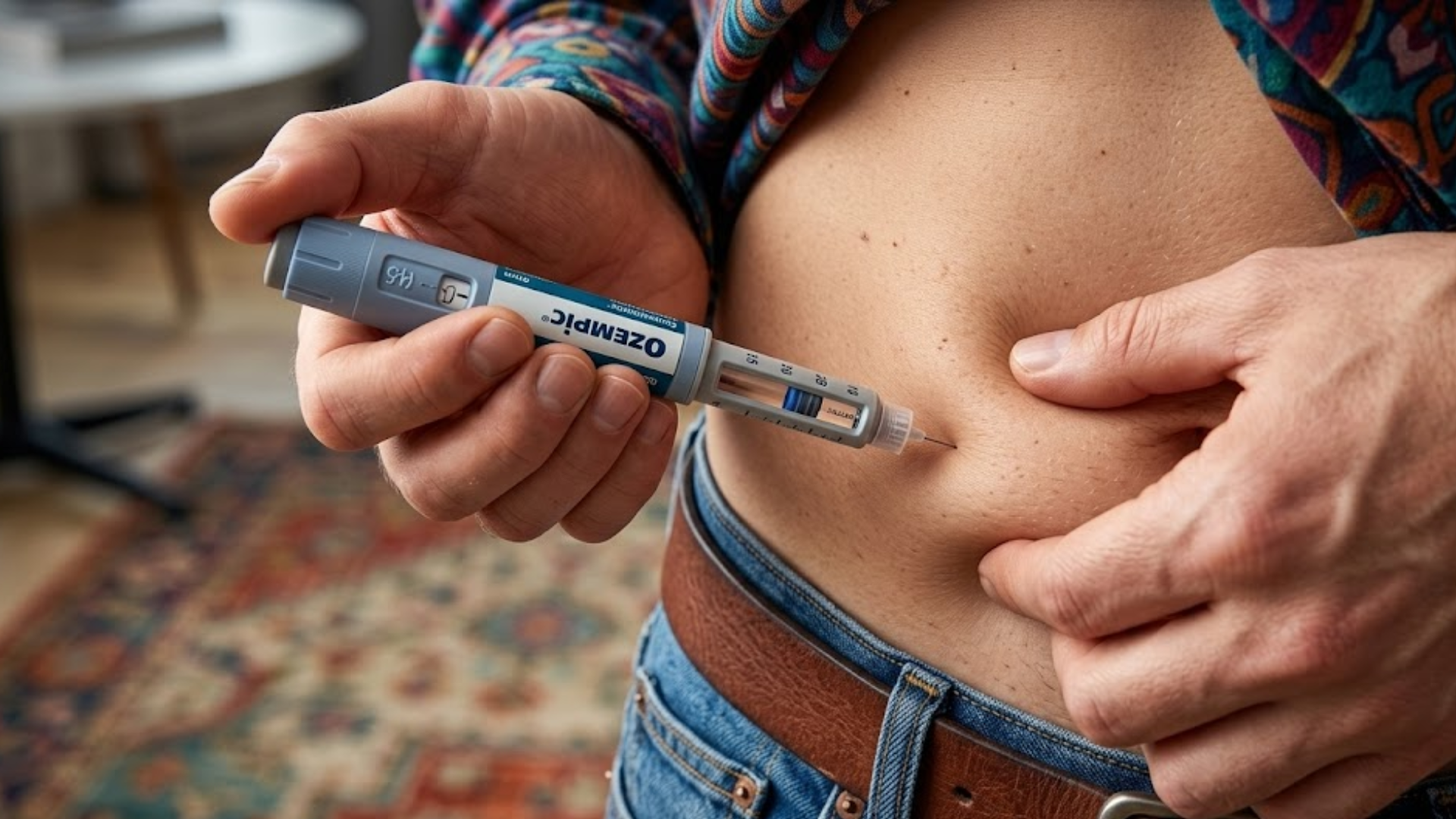

The rapid rise of GLP-1 medications like Ozempic and Wegovy has transformed the landscape of weight management, but experts are now sounding the alarm on a forgotten side effect. While these drugs effectively suppress appetite, they are inadvertently reviving a 17th-century “pirate disease” once thought to be a relic of the past. Dieticians warn that extreme malnutrition is manifesting in patients who are simply not eating enough to sustain basic health.
The primary culprit is functional malnutrition. Because the medication mimics the feeling of being full, many users stop consuming the vital nutrients their bodies require to function. Professor Clare Collins recently noted that a reduction in body weight does not automatically equate to being healthy, pointing out that nutrition is largely missing from current clinical evidence.
The stakes were brought into the spotlight by pop artist Robbie Williams, who revealed he developed scurvy—a severe vitamin C deficiency—after using a weight-loss medication. His experience of “stopping eating” and losing essential nutrients highlights a dangerous gap in how these “miracle” drugs are being managed by both patients and providers.
The Surprising Return of Scurvy

Scurvy, a disease famously associated with long-haul sailors in the 1600s, occurs when the body lacks vitamin C for an extended period. While rare in the modern world, it can be fatal if left untreated. For GLP-1 users, the risk isn’t just about what they are eating, but how little they are eating overall.
A 2025 study of adults with type 2 diabetes found that more than 20% of participants developed nutritional deficiencies after just 12 months on the medication. Even more staggering, a study of patients awaiting joint surgery found that 38% of GLP-1 users were suffering from malnutrition, compared to only 8% of those not taking the drugs.
These numbers suggest that the “weight-loss” being celebrated may actually be masked starvation. Without proper intake, the body begins to break down, leading to the resurgence of illnesses that modern medicine had largely conquered. Experts are now calling for a shift in focus from the number on the scale to the quality of the fuel being consumed.
Thiamine Gaps and Neurological Risks
The risks extend beyond vitamin C. Experts have also linked GLP-1 use to severe thiamine (vitamin B1) deficiencies, which can lead to permanent neurological and cardiovascular damage. Thiamine is essential for energy metabolism, and without it, the brain and heart cannot function correctly.
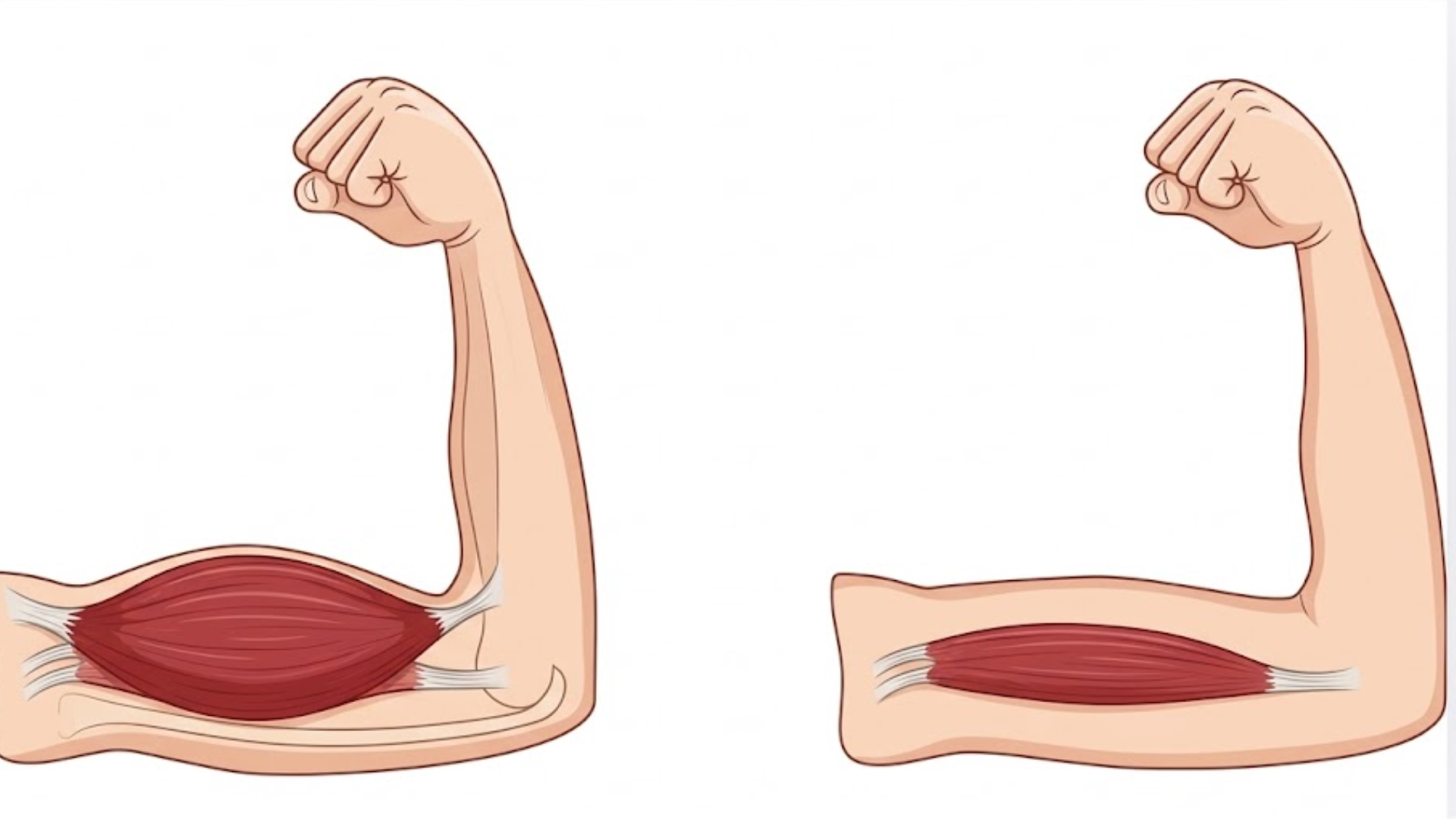
Magriet Raxworthy, CEO of Dieticians Australia, warns that medication alone cannot deliver sustainable health outcomes. Without professional guidance, users are at significant risk for muscle loss, decreased bone density, and even disordered eating behaviors. The body essentially begins to consume itself to maintain basic functions.
The lack of research on patient eating habits is particularly concerning to health professionals. Currently, only two major trials have actually recorded or published what GLP-1 users were eating during their treatment. This “blind spot” in the data means that thousands of people may be drifting toward a health crisis without realizing it.
A New Mandate for Dietician Referrals

To combat this “medieval” resurgence, health advocates are calling for a centralized solution. Professor Collins suggests that every general practitioner managing a GLP-1 prescription should be required to provide a dietician referral as part of the chronic management plan. The goal is to get “on the front foot” before scurvy becomes a common sight in modern clinics.
Personalized medical nutrition therapy is becoming as important as the injection itself. While some providers offer basic nutrition tips, the issue has not yet been integrated in a way that effectively prevents these serious deficiencies. The medical community is being urged to treat nutrition as a critical component of the prescription, not an optional afterthought.
The lesson of the “Ozempic Scurvy” scare is that there are no shortcuts to true health. Weight loss achieved at the expense of vital nutrients is a hollow victory that can leave the body vulnerable to ancient threats. As these drugs continue to grow in popularity, the focus must move toward a balanced approach that respects the body’s fundamental need for sustenance.