Zohran Mamdani’s City-Run Grocery Plan Sparks Alarm Among NYC Grocers


New York City Mayor Zohran Mamdani’s proposal to create city-run grocery stores has sparked concern among local grocers who fear it could disrupt private food retailers. The plan calls for government-operated supermarkets aimed at lowering food prices in neighborhoods with limited affordable options. Supporters say it is intended to address food deserts and rising grocery costs across the city.
However, many independent grocers argue the proposal could pull customers away from existing businesses and reshape how people shop in already competitive neighborhoods. They warn that subsidized city-run stores could operate with financial advantages that private companies cannot match. This concern has grown as details of the rollout continue to develop.
Industry voices say that even established retailers could feel pressure if publicly funded stores enter the market. Grocers worry that competition from government-backed pricing could reshape how New Yorkers choose where to shop.
Grocers Warn of Market Disruption and Customer Loss
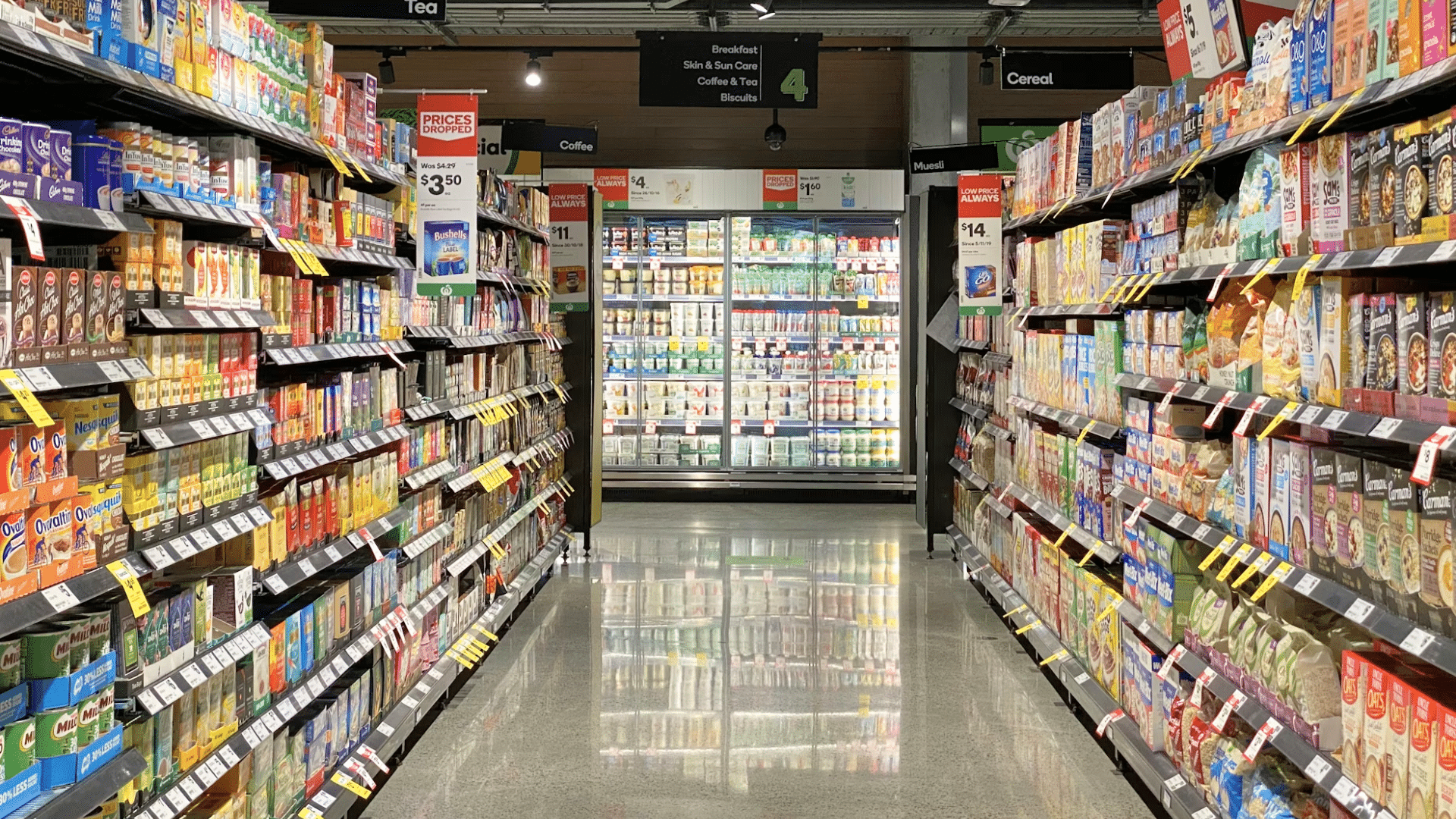
Local grocers across New York City say Mamdani’s plan could significantly change consumer behavior if implemented at scale. They argue that city-run grocery stores would not have to pay rent or property taxes, giving them a major pricing advantage over private retailers. Critics say this could force independent stores to compete with artificially low prices.
Business owners also warn that larger-format grocery chains could lose foot traffic if municipal stores offer consistently lower prices. They argue that even established retailers may struggle to compete with government-backed pricing structures. Some fear this could lead to long-term closures in already competitive markets.
Supporters of the plan argue that city-run grocery stores would help reduce food insecurity in areas where prices remain high and options are limited. They say public competition could pressure private retailers to adjust pricing and improve affordability.
Political Debate and Economic Concerns Grow
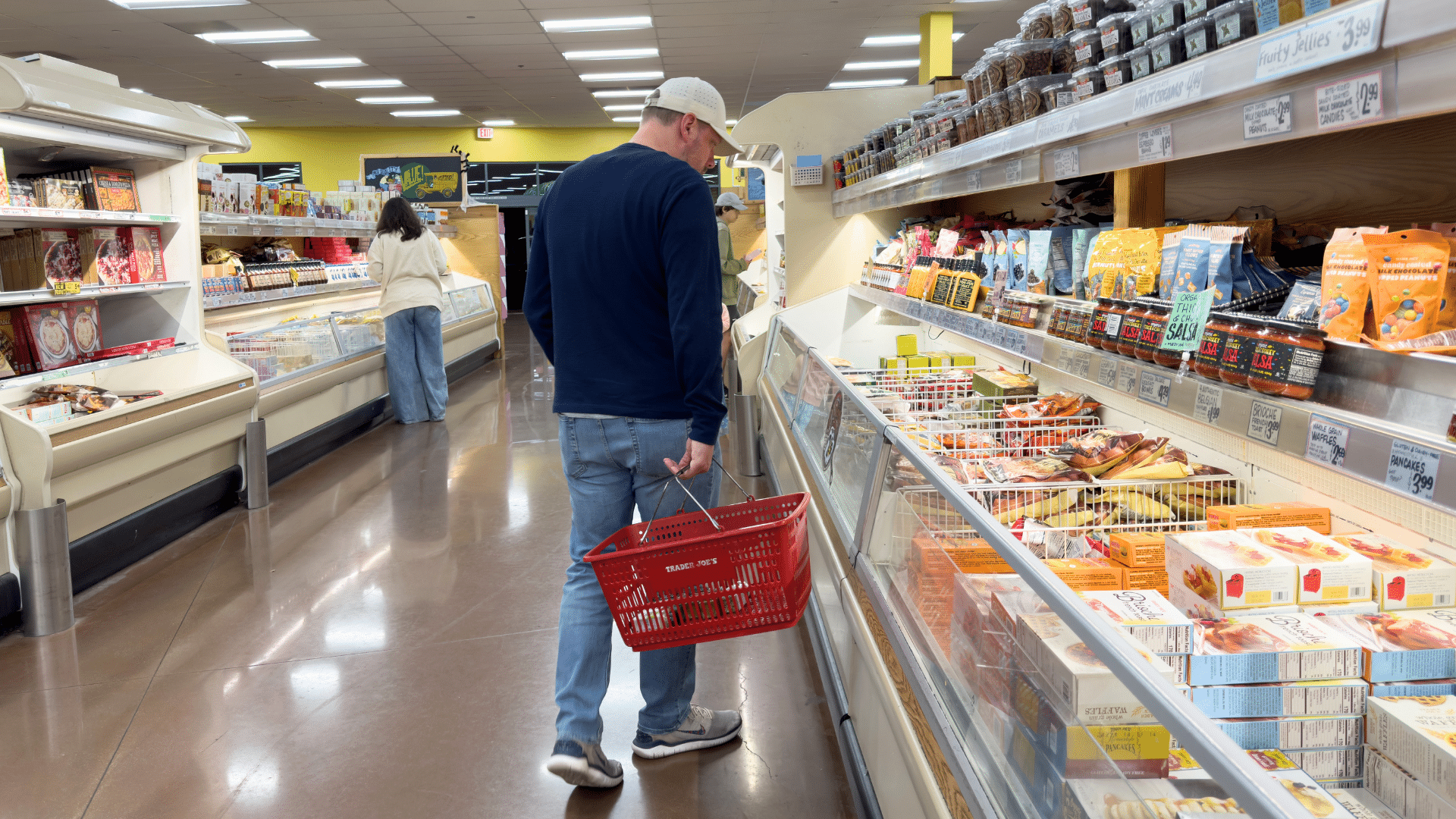
The proposal has sparked broader political debate over the role of government in retail markets. Critics argue that city-run grocery stores could distort competition and reduce incentives for private investment. Some business groups warn that established retailers could be indirectly affected if customer demand shifts significantly.
Opponents also question whether government-run grocery operations can efficiently manage supply chains, staffing, and inventory without high costs. They point to the complexity of running large-scale retail operations and the risks of inefficiency in public programs. Supporters counter that the goal is affordability rather than profit.
As the debate continues, policymakers are weighing whether public grocery stores would complement or compete with existing retailers. The uncertainty has left both small grocers and major chains closely watching the proposal’s development.
Grocery Plan Highlights Tension Between Public Access and Private Retail