California Sees Highest Death Toll in State History Amid Poisonous Wild Mushroom Outbreak


After steady winter rain, something familiar has been drawing quiet attention across California. In parks, yards, and wooded edges, wild mushrooms have grown quickly, and so have emergency calls tied to them. Over recent months, poison control doctors have tracked severe illnesses and deaths linked to mistaken foraging. That pattern has placed the state on alert, with health officials urging caution as residents head outdoors during a season that usually feels harmless to many people.
Toxic Mushrooms Surge After Winter Rains
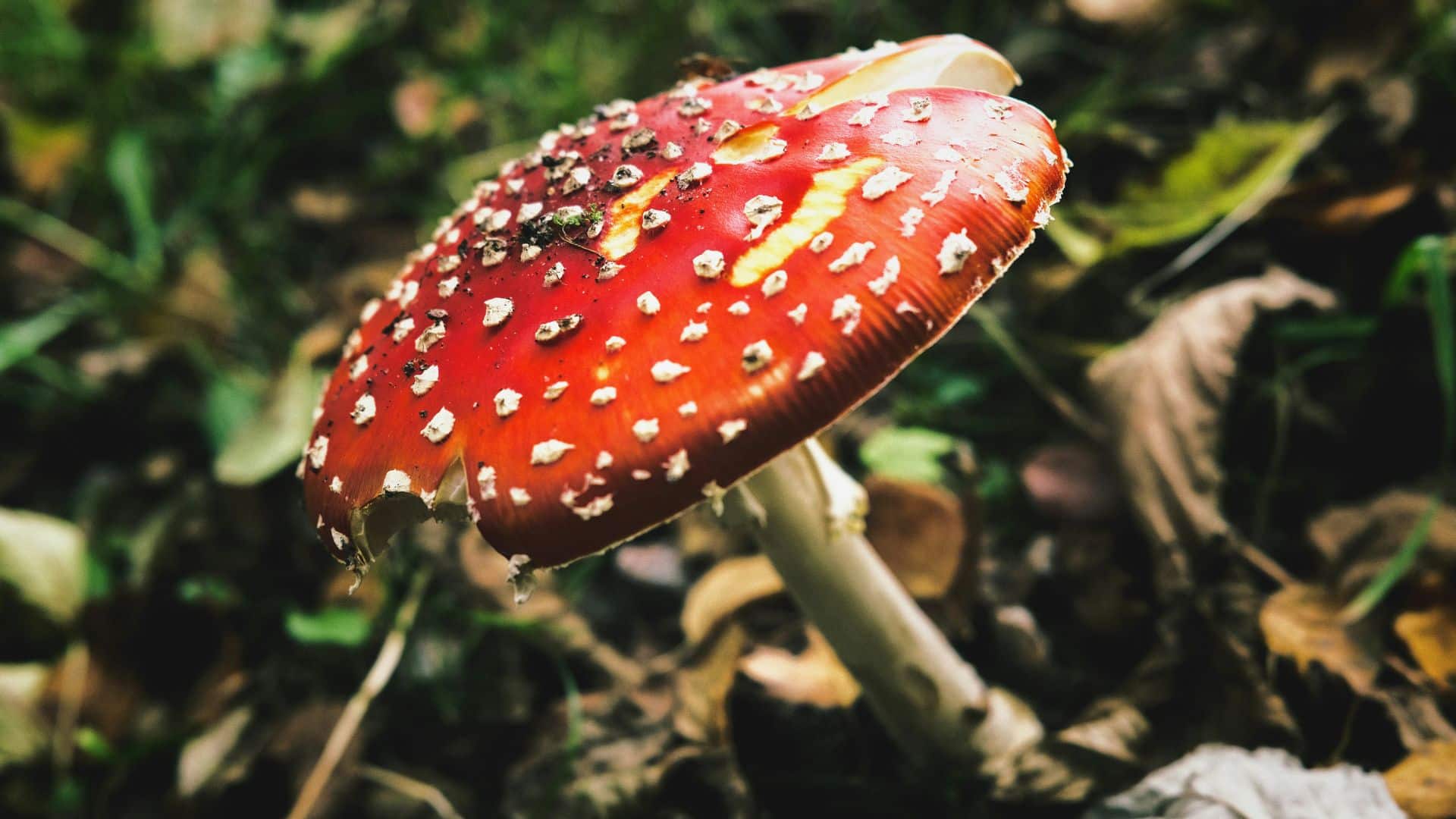
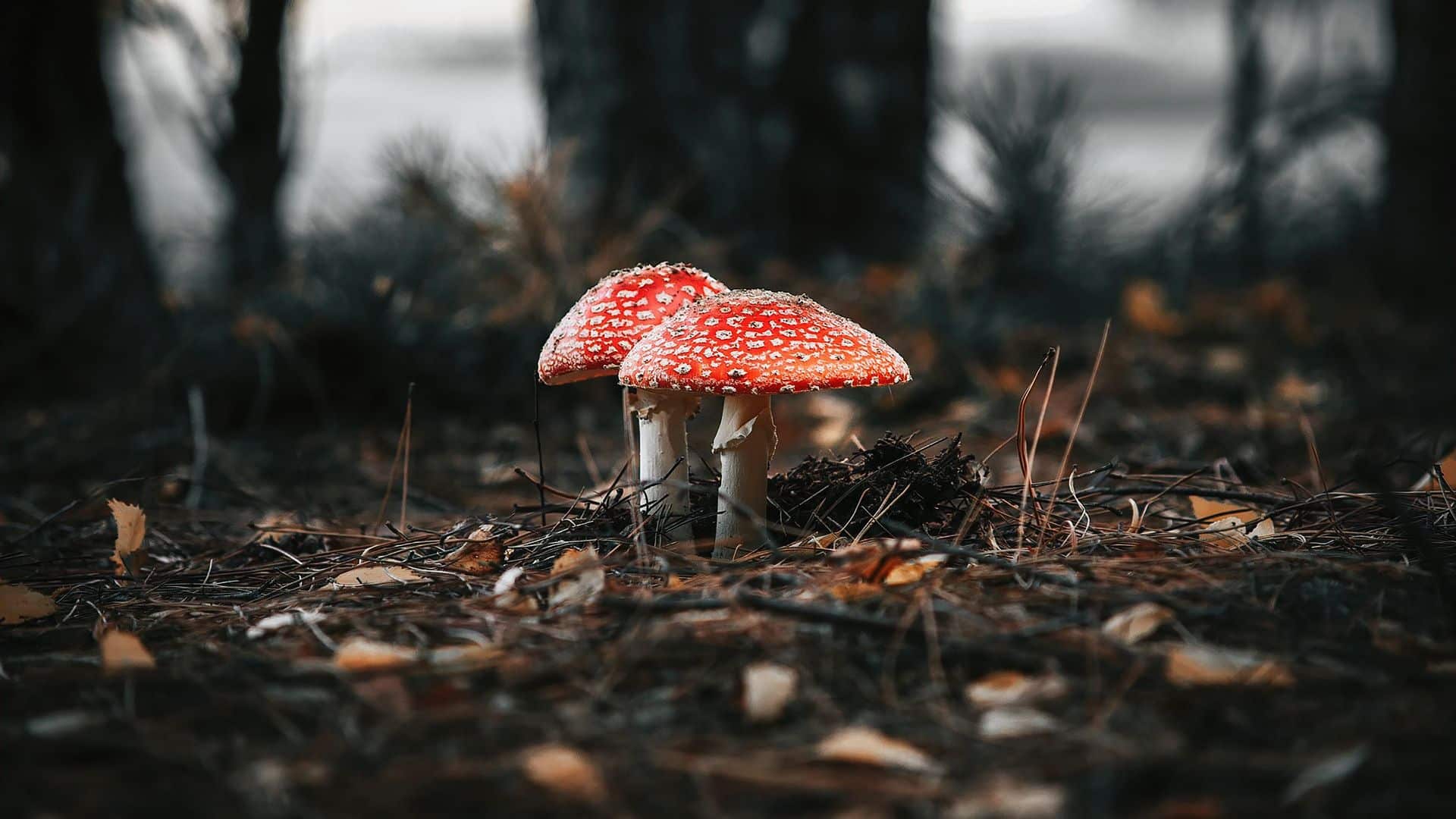
Moist soil and steady rain have created ideal conditions for wild mushrooms to spread across California. As growth accelerates, toxic varieties have appeared in parks, neighborhoods, and wooded areas where people often walk and forage. That visibility has increased casual picking, so poison control centers have logged more emergency calls. Doctors have tied the rise to seasonal weather patterns, and reports continue to surface as rainfall keeps feeding new growth across the region.
Death Cap and Destroying Angel Risks
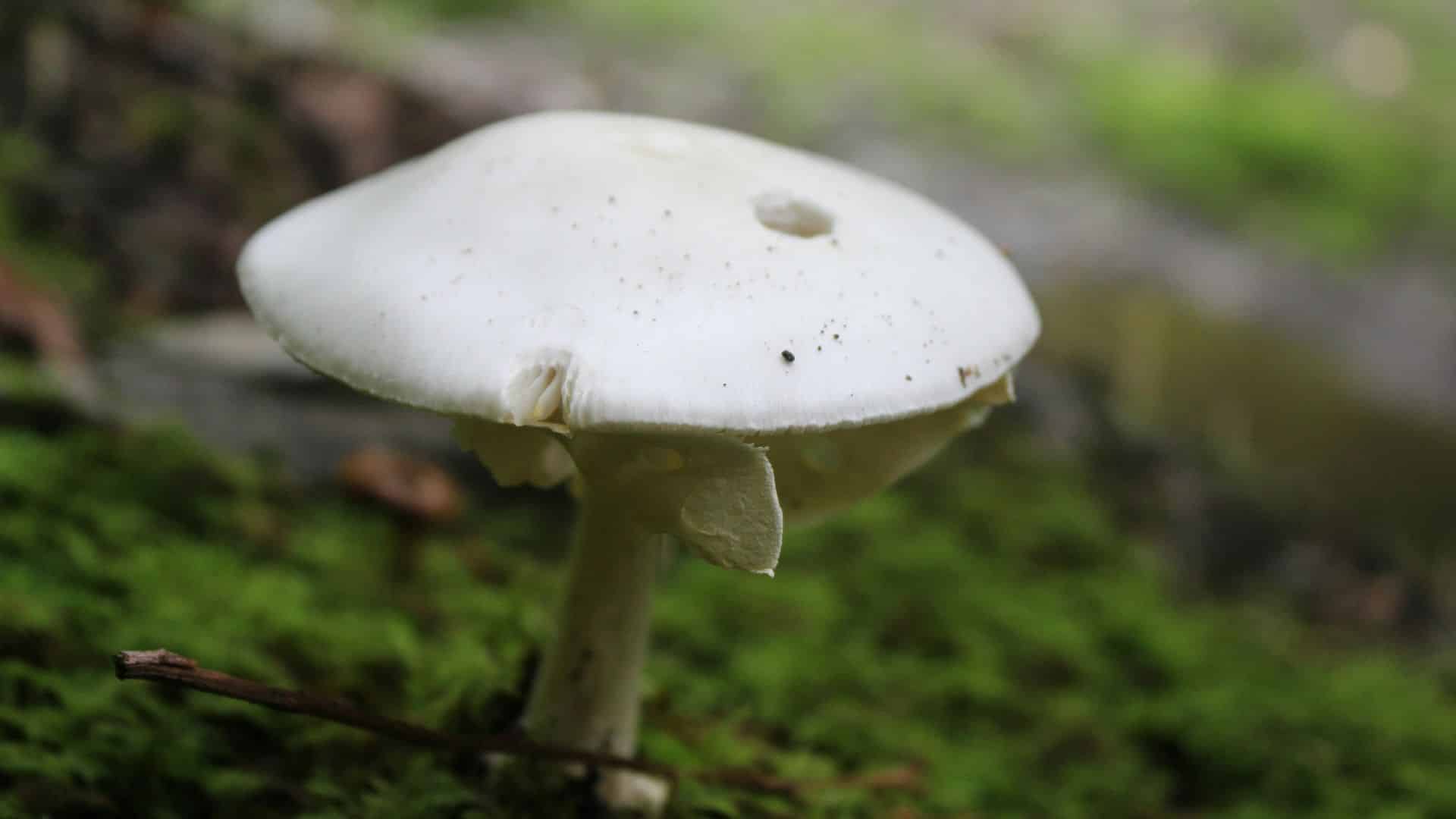
Death cap and destroying angel mushrooms sit at the center of recent poisonings, and experts keep pointing to how easily they blend in. Their pale caps and mild taste often resemble edible varieties people recognize from markets. That similarity leads to confident picking, and cooking does nothing to reduce the toxins. Doctors say ingestion can look minor at first, so people often delay care even as damage continues inside the body.
Record Fatalities and Liver Failures

Doctors now point to clear numbers as they describe the deadliest mushroom outbreak California has recorded. Since November, at least three people have died and three others have needed liver transplants after eating toxic mushrooms. Poison control teams have confirmed 35 total cases, including 21 linked to amatoxin exposure. Those figures keep climbing, so hospitals remain alert as patients continue arriving with delayed liver damage.
Bay Area Poisoning Hotspots

Why Mushroom Appearance Misleads
Higher Exposure in Immigrant Communities

Health experts have noticed higher poisoning rates within immigrant communities, so outreach has become more urgent. Many affected residents rely on knowledge from their home countries, and that familiarity does not always translate to local species. Language barriers also limit access to online warnings and identification groups. As a result, people often forage with confidence, and doctors only learn about those choices after symptoms bring families into emergency rooms.
Child Poisonings Reported Statewide

Reports also show children account for a large share of mushroom exposures across California. Poison centers logged more than 4,500 cases involving unidentified mushrooms nationwide in 2023, and roughly half involved young children. That trend connects to outdoor play, so mushrooms often get picked and eaten without warning. Doctors say those calls come quickly, since symptoms can appear soon after ingestion and prompt urgent care.
Delayed Symptoms Mask Liver Damage

Early symptoms often confuse patients, so many believe the danger has passed once stomach pain fades. Nausea and vomiting can ease within a day, and that relief creates false confidence. Liver damage often develops later, and doctors then see patients return in far worse condition. Poison specialists warn that improvement does not signal recovery, and delayed care increases the risk of severe injury once toxins continue working inside the body.
Public Warnings Continue as Foraging Risks Remain

Health officials now urge residents to avoid foraging entirely, so caution becomes the simplest response. Poison control teams remain available around the clock, which means guidance exists before symptoms escalate. Because of that access, early calls can limit harm and speed treatment. State agencies also continue public warnings as rain persists, and that messaging reflects ongoing risk. Safer choices center on purchasing mushrooms from regulated vendors, so everyday meals never depend on guesswork anywhere today.