UN Warns ‘Water Bankruptcy’ Threatens Food Systems Worldwide, Fueling Shortages and Farm Losses Unless Governments Act
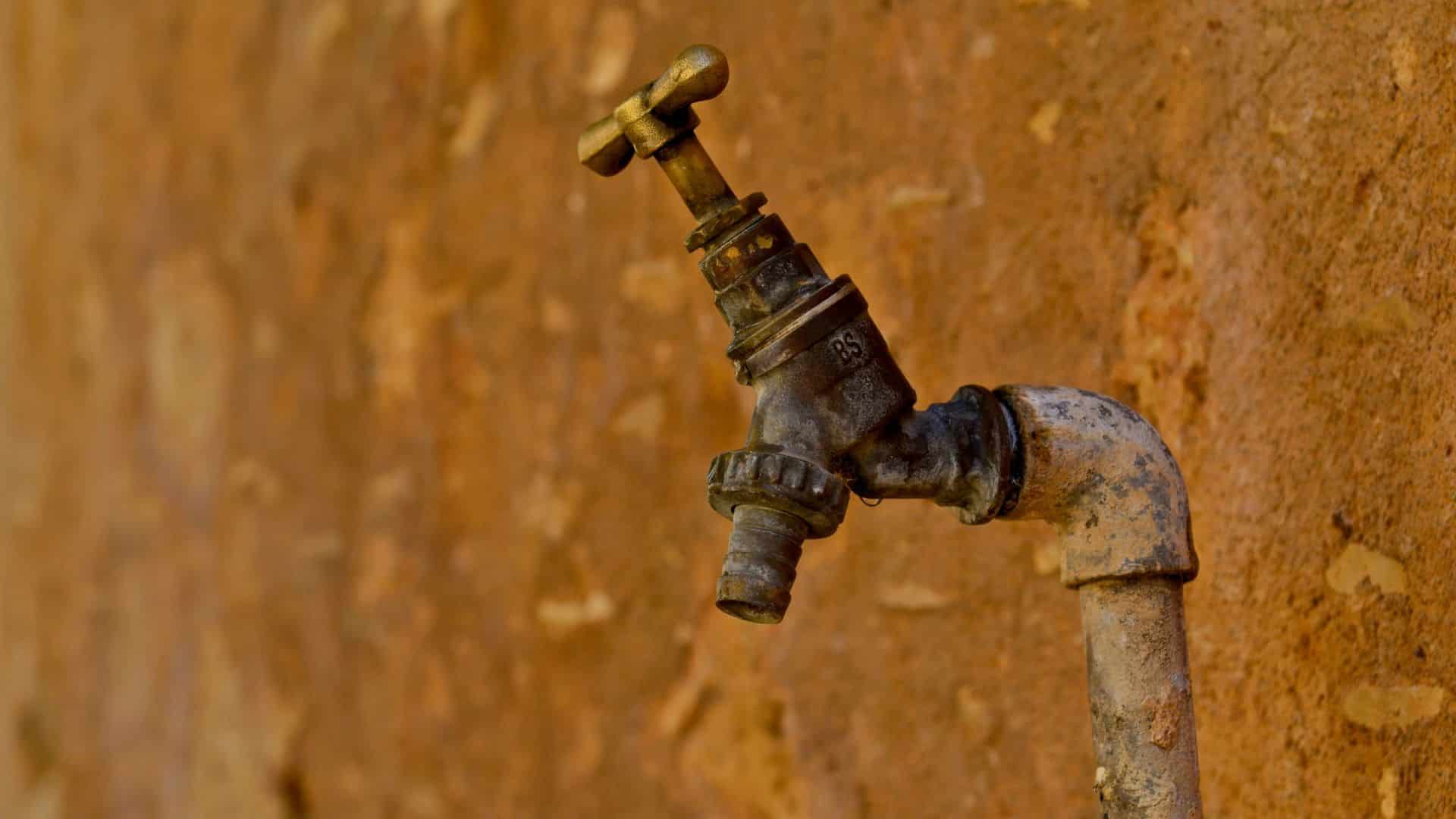

The United Nations is warning that the planet has crossed into what it calls an era of water bankruptcy, a condition that no longer fits older labels tied to temporary shortages. That framing matters because it points to permanent losses rather than seasonal stress, and it places food production squarely in the path of long term disruption. As water sources decline beyond recovery, farming regions that feed global markets begin to face limits that money or technology can’t easily erase.
That warning comes from a new UN University report that tracks decades of overuse, pollution, and climate pressure across rivers, aquifers, glaciers, and wetlands. According to the researchers, many systems can no longer return to historic levels even during wet years, which leaves agriculture operating on shrinking margins. With irrigation relying heavily on groundwater, farms increasingly depend on reserves that continue to fall, and that pressure carries forward into trade, pricing, and supply stability.
Those conditions connect daily food costs to water decisions made years earlier. As farming communities draw from declining sources, markets absorb the impact through volatility and loss, and governments inherit risks that stretch across borders. The report frames water bankruptcy as a policy reckoning, one that forces leaders to confront limits already baked into food systems rather than future scenarios waiting to arrive.
Groundwater Depletion Reshapes Global Food Production
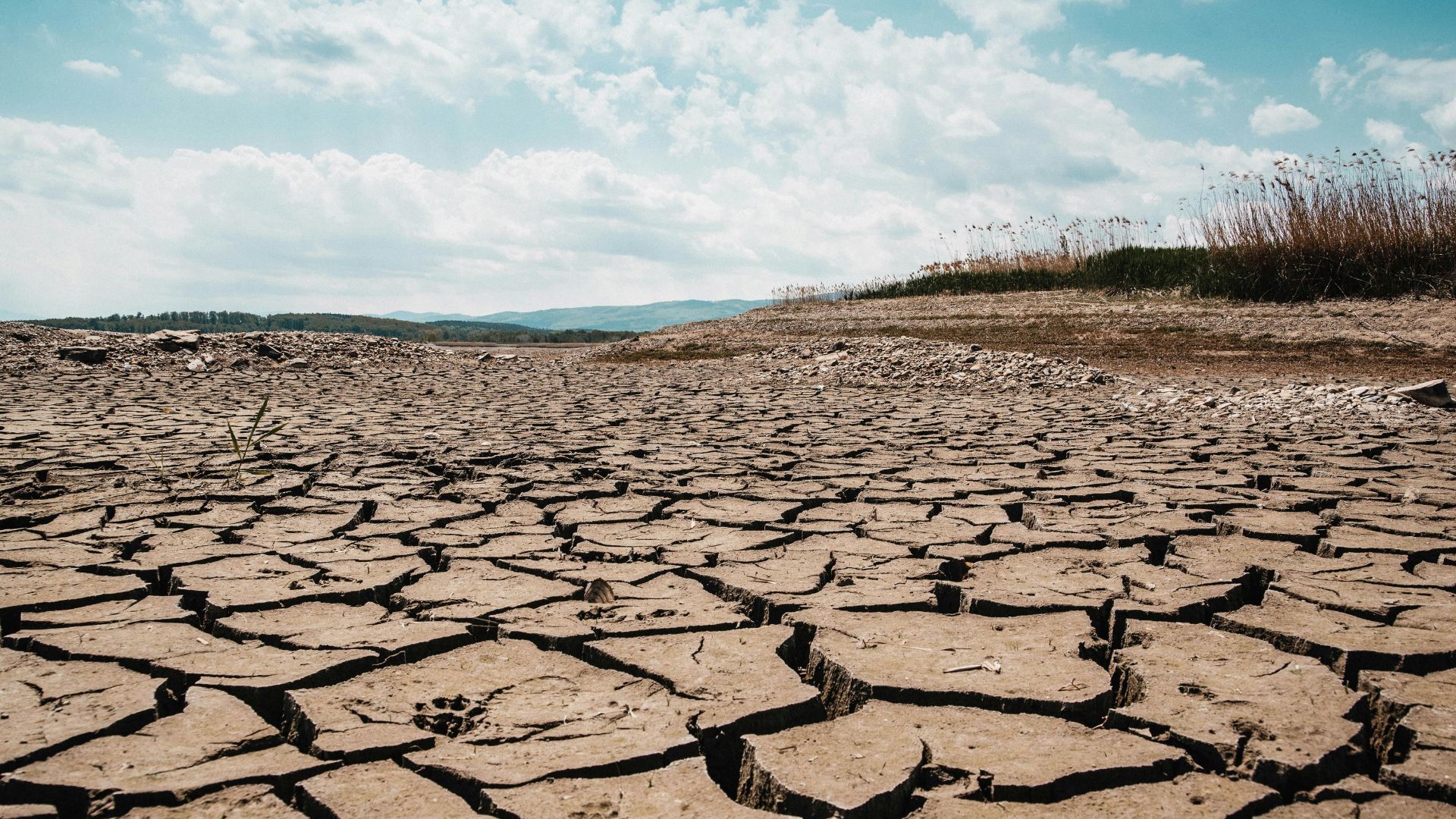
Groundwater now sits at the center of global food production, and the UN report traces how deeply agriculture depends on reserves that continue to decline. Across major farming regions, irrigation increasingly pulls from aquifers rather than surface water, and that pattern ties harvests to underground sources that refill slowly or no longer recharge at all. As pumping continues year after year, water tables fall, land compacts, and productive farmland loses capacity in ways that don’t reverse with a single wet season.
That dependence carries through food supply chains as farmers adjust planting decisions around shrinking access rather than abundance. According to the report, more than 40% of irrigation water already comes from aquifers in decline, and that reliance keeps growing as rivers and snowpack fluctuate. With groundwater supporting more than half of domestic water supplies as well, agriculture competes directly with cities for the same reserves, and that pressure shows up in rising production costs and tighter margins.
Those changes extend beyond individual farms and settle into global markets. As groundwater depletion limits output in one region, import demand increases elsewhere, and price signals move quickly across borders. Over time, the report links falling water tables to reduced crop reliability, trade instability, and food systems operating with less room to absorb disruption.
Water Bankruptcy Drives Economic and Social Instability
Water Policy Enters a New Era of Accountability

Attention now turns to how governments respond as water limits become harder to ignore across borders and supply chains. The report points toward a future where water management moves beyond basic access targets and into long-term accounting of withdrawals, losses, and recovery capacity. As monitoring improves and data gaps close, public officials gain clearer visibility into how food systems depend on water that no longer replenishes on schedule.
That clarity brings political and economic consequences. When water availability becomes measurable in financial terms, decisions around crop selection, land use, and trade agreements face tighter scrutiny. International cooperation then becomes less abstract, since shared river basins and food markets tie national choices together. Over time, water accounting frameworks could influence investment flows, insurance markets, and agricultural planning in ways that extend well beyond farms.
For food systems, the path ahead centers on adaptation rather than expansion. As limits settle into policy discussions, governments face pressure to align agricultural output with water realities already in place. The report frames that adjustment as an ongoing process, one shaped by transparency, coordination, and willingness to manage decline where recovery no longer exists.