10 Kitchen Habits From the Past Worth Reviving


Somewhere along the way, cooking stopped feeling like an act of care and started feeling like another task to rush through. In the past, meals weren’t about speed or perfection—they were about presence, patience, and making the most of what was available. These older kitchen habits weren’t just practical; they turned cooking into a grounding ritual. Revisiting them today can bring warmth, intention, and meaning back into everyday meals.
Saving Drippings and Scraps

Earlier generations wasted very little in the kitchen. Bacon grease flavored vegetables, and vegetable scraps became the base for soups and stews. Today, saving drippings and trimmings can stretch groceries further and reduce food waste. Keeping a jar for cooking fats and a freezer bag for scraps is an easy habit to revive. It’s practical, sustainable, and surprisingly economical.
Using Every Part of Produce
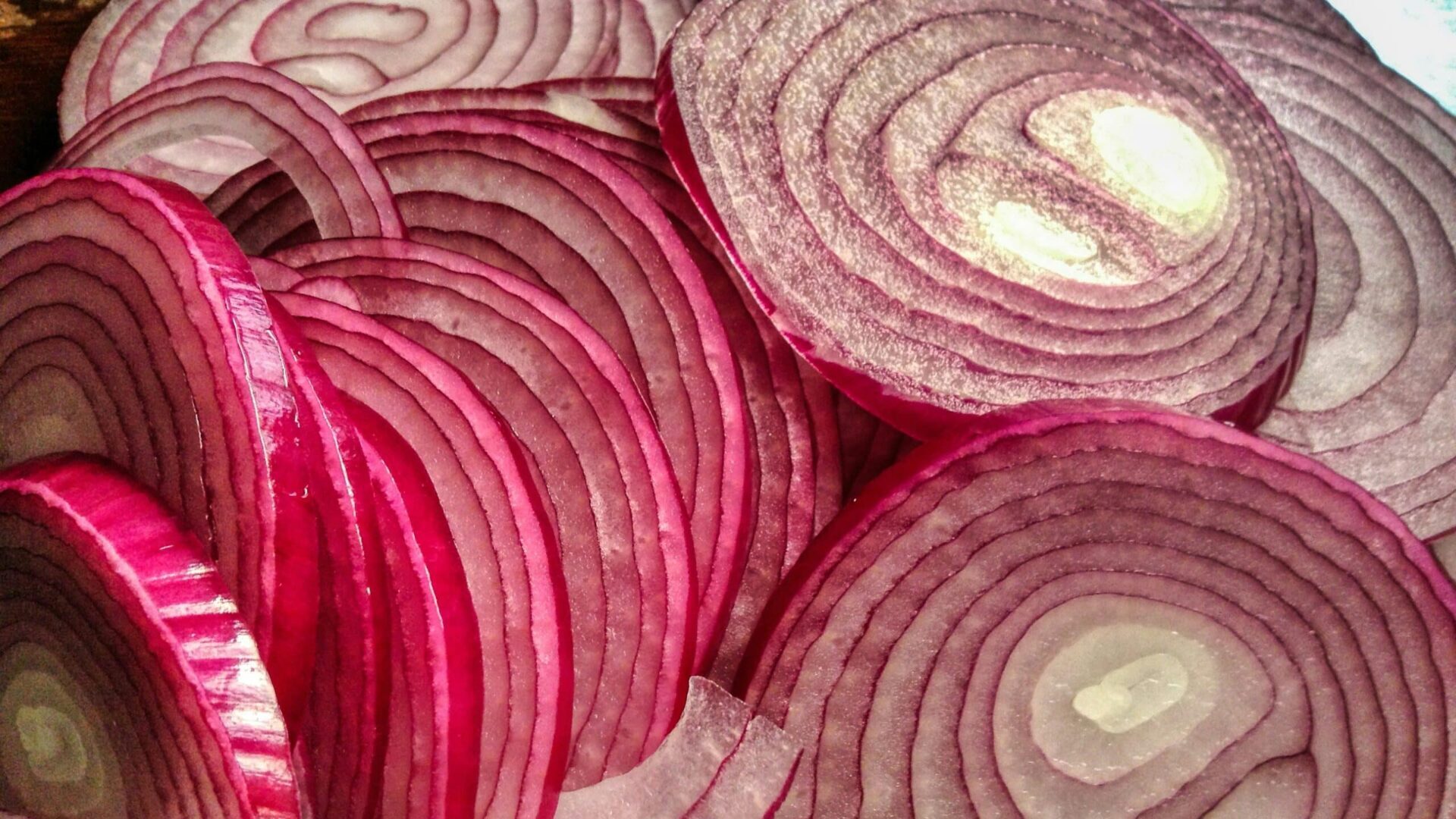
Onion skins, carrot tops, and celery leaves were once valued ingredients, not trash. These parts add depth to broths, sauces, and even pestos. Using the whole vegetable encourages creativity and makes you more mindful of what you buy and cook. It also honors the effort it took to grow the food in the first place. Small shifts like this can significantly reduce kitchen waste.
Bringing Back Home Preserving

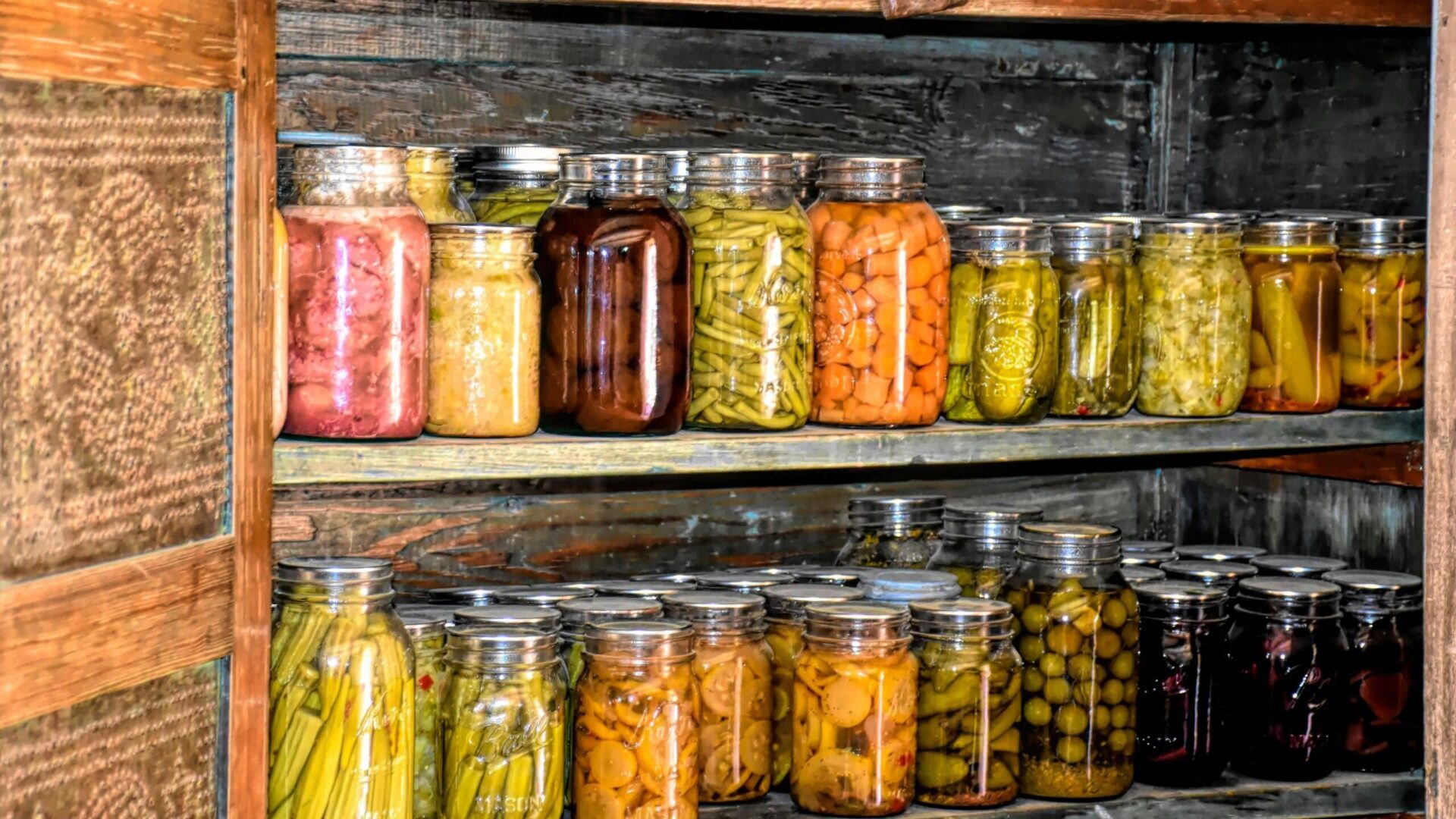
Canning, pickling, and jam-making were once essential ways to make seasonal food last. Pantry shelves filled with preserved fruits and vegetables meant less dependence on store-bought goods. Reviving this habit gives you more control over ingredients and flavors. Even one batch of homemade jam or canned tomatoes can feel deeply rewarding. It’s a blend of nostalgia and self-sufficiency.
Planning Meals With Intention

Meal planning used to be thoughtful and practical, built around what was already on hand. This approach saved time, reduced waste, and simplified daily cooking. Bringing intention back into planning helps avoid last-minute takeout decisions. It also encourages smarter use of leftovers. A little planning restores balance rather than adding pressure.
Trusting Cast Iron Cookware

Cast iron pans were once kitchen staples because they worked—and lasted. They heat evenly, improve with use, and can handle nearly any recipe. With proper care, a single skillet can last generations. Cooking with cast iron adds depth and character to meals. It’s a reminder that good tools don’t need to be replaced often.
Using Real Ingredients
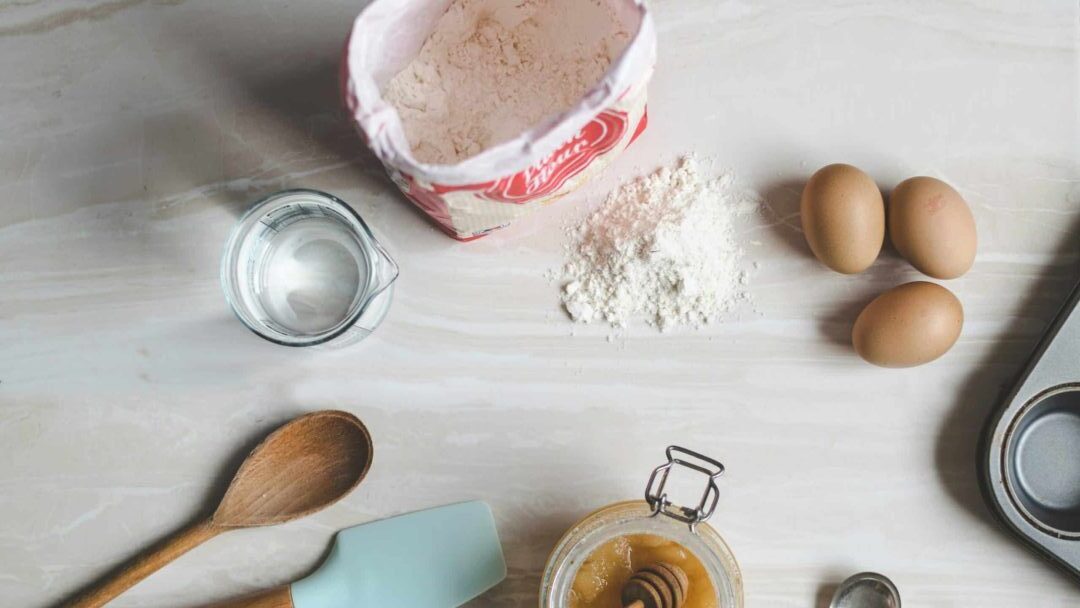
Butter, flour, sugar, and cream were once everyday essentials. While substitutes promise convenience, they often sacrifice flavor and texture. Returning to real ingredients is about quality, not excess. These basics create richer, more satisfying meals. Cooking becomes more honest when food tastes like what it is.
Making Homemade Stock
Homemade stock was once a quiet backbone of home cooking. Simmered slowly from bones, herbs, and vegetable scraps, it added depth to nearly everything. Making stock at home lets you control salt and flavor while using what might otherwise be thrown away. It elevates soups, grains, and sauces effortlessly. This single habit can transform your cooking.
Cooking With the Seasons
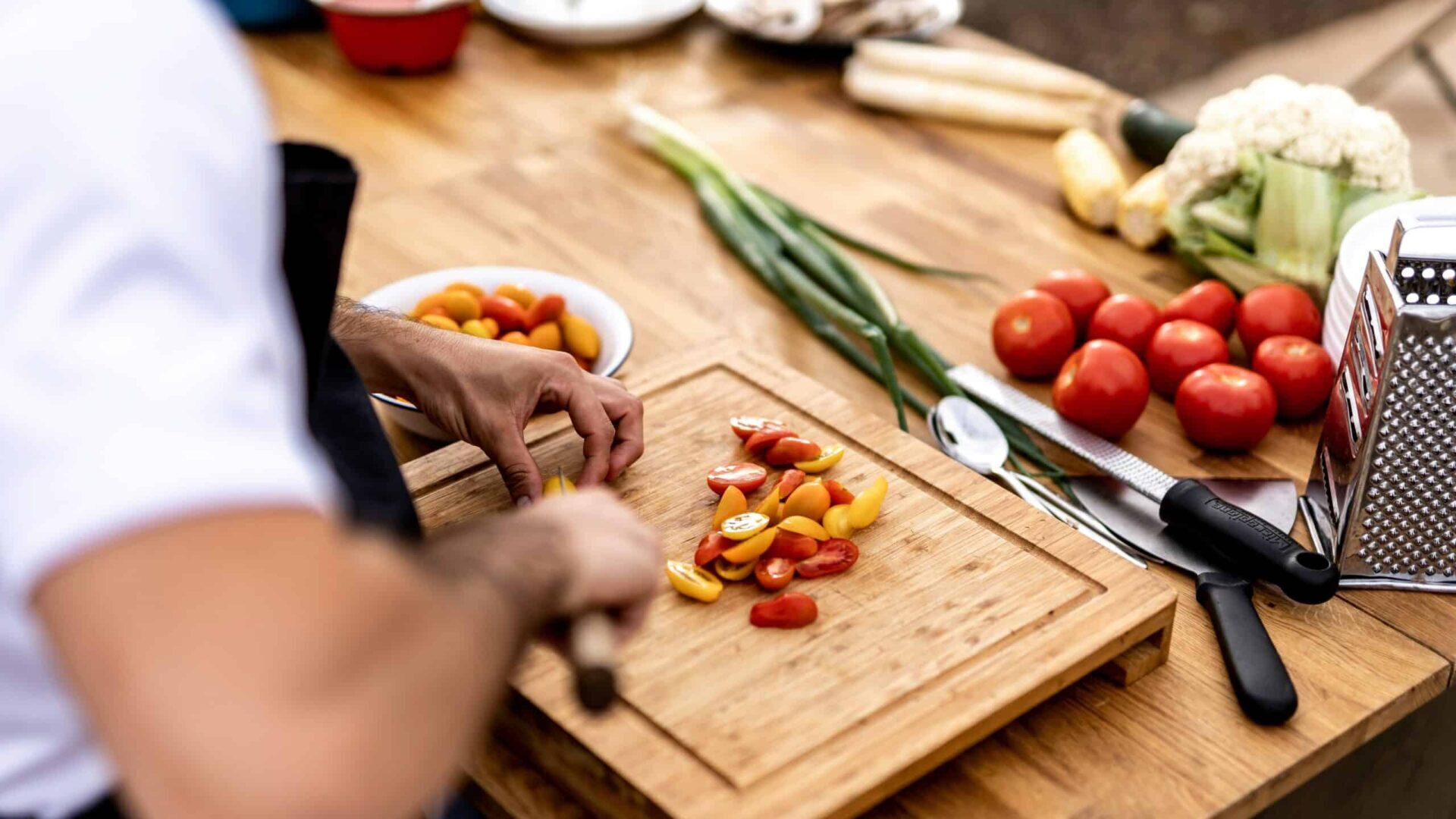
Before global shipping, people ate what grew nearby and in season. This meant better flavor, fresher food, and natural variety throughout the year. Seasonal cooking supports local farmers and often costs less. Meals built around what’s at its peak simply taste better. It reconnects you with natural rhythms.
Taking Your Time in the Kitchen

Cooking used to be slow by design. Stews simmered for hours, dough rested, and flavors developed fully. That patience created meals with warmth and depth. Slowing down—even once a week—can make cooking feel restorative rather than exhausting. Time, after all, was always the secret ingredient.