10 Surprising Facts You Probably Never Knew About Burger King

Burger King might seem like your standard drive-thru stop, but behind the Whopper lies a history that reads more like a fast-food fever dream. This is a company that changed its name, colored its buns black, handed out wine, and somehow convinced Australia to call it something completely different. If your only surprise at Burger King has been forgetting to ask for extra ketchup, these wild facts are about to raise the bar.
The Brand Wasn’t Always “Burger King”
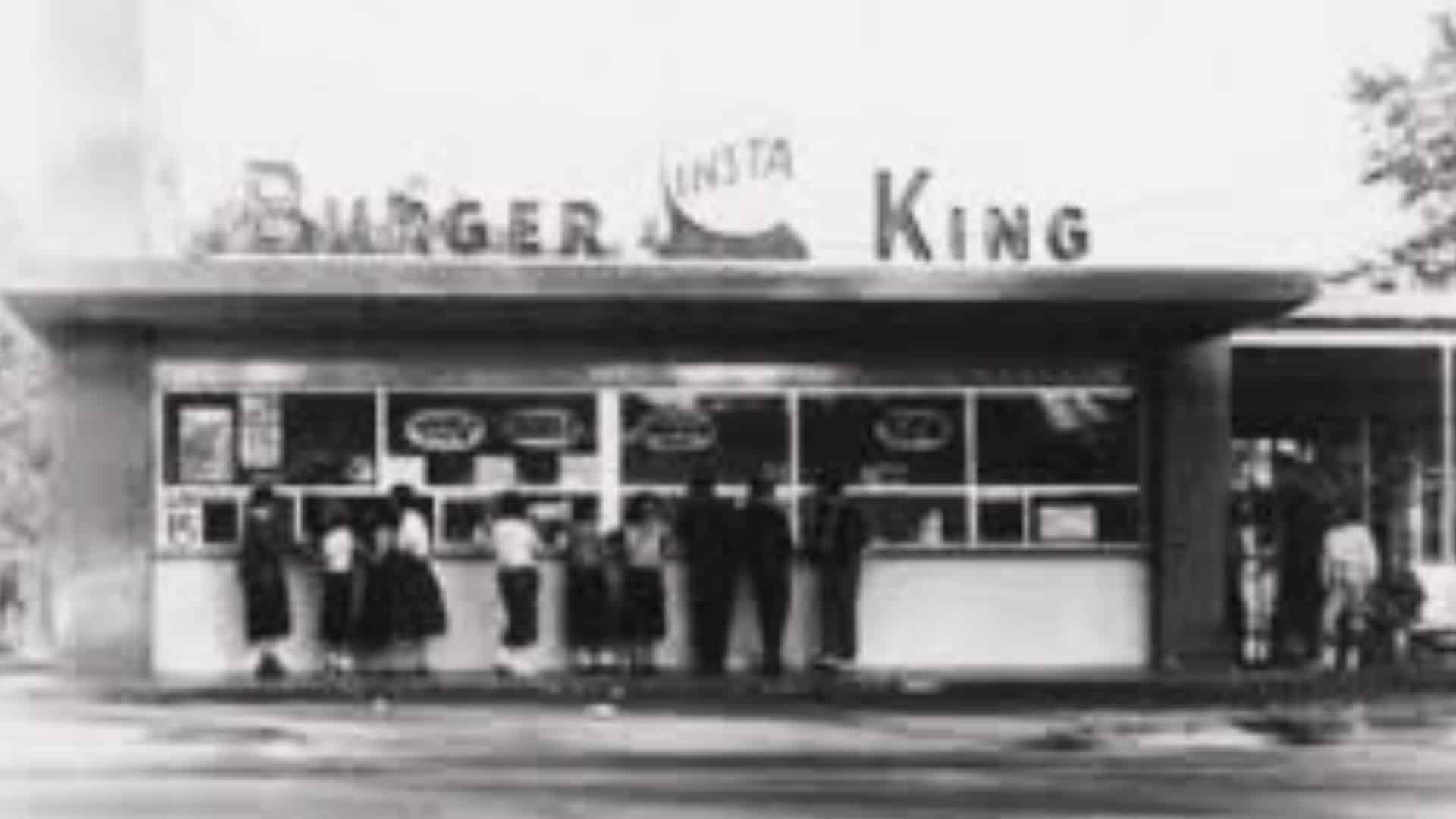
The company originally operated as Insta-Burger King, named after the “Insta-Broiler” machines used to cook its patties. The system worked for a while, but the business struggled financially until franchisees James McLamore and David Edgerton stepped in and bought out the original owners. They streamlined the operation, refined the menu, and dropped “Insta” to create the name customers know today. The rebrand marked the start of a more consistent and recognizable identity.
Why Australia Knows Them as Hungry Jack’s
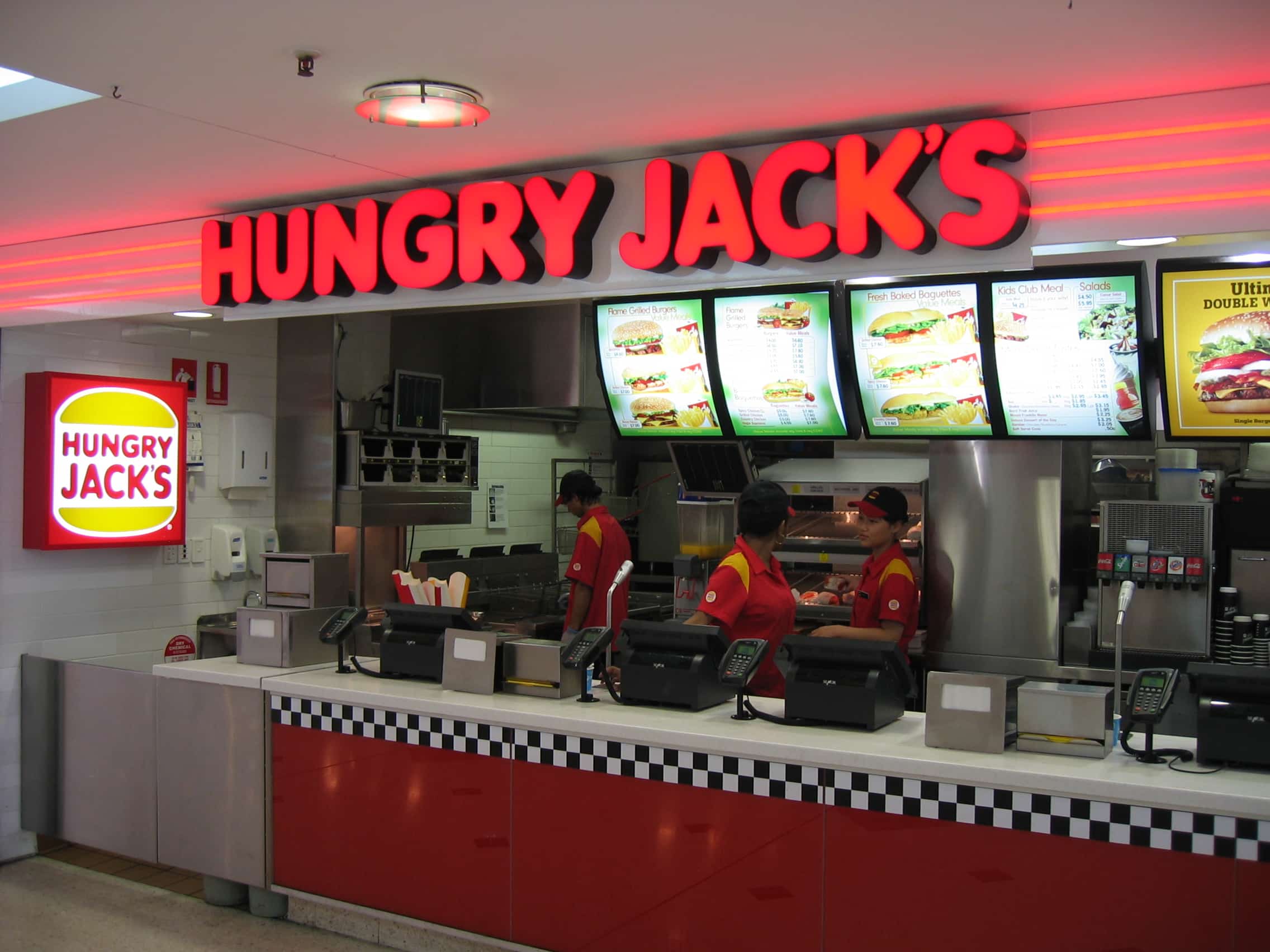
Anyone visiting Australia might be confused to discover Burger King doesn’t exist there at all. When the company expanded internationally, it learned that the “Burger King” trademark was already owned by a small takeaway shop. To avoid legal issues, the chain adopted the name Hungry Jack’s, taken from a pre-approved brand variation submitted to the trademark office. Over time, Hungry Jack’s built its own loyal following, becoming one of Australia’s most successful fast-food brands.
Extreme Creations: From “Suicide Burger” to the Halloween Whopper
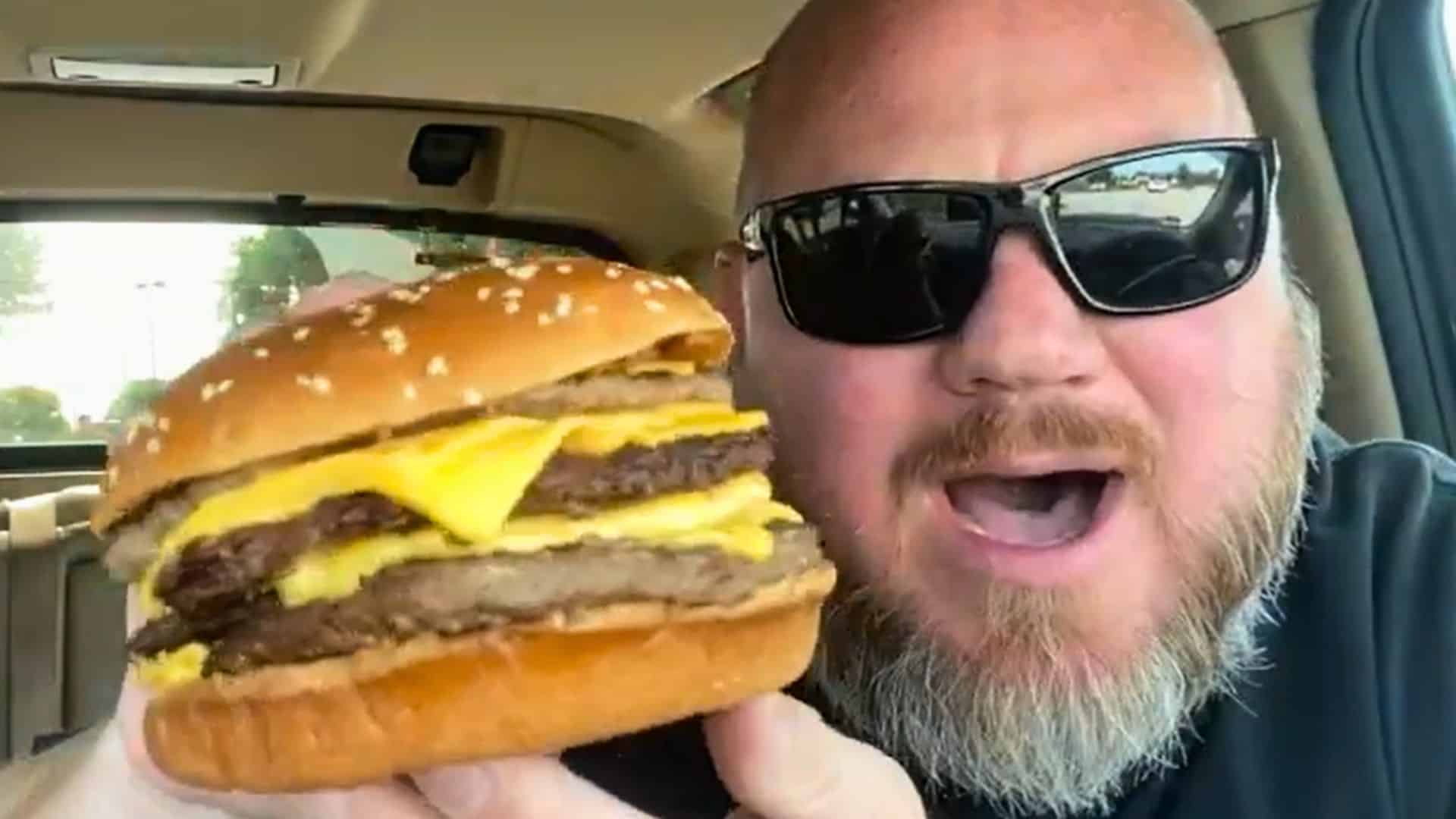
Burger King has a long history of pushing boundaries with bold menu items. One of the most talked-about creations was the multi-patty “Suicide Burger,” an off-menu item that became popular among customers seeking oversized portions. The chain also released the Halloween Whopper, which featured a jet-black bun colored with A1 seasoning. The burger gained unexpected attention when some customers reported that the coloring caused their poop to turn green, making it one of the chain’s most infamous limited-time releases.
When Burger King Tried Table Service
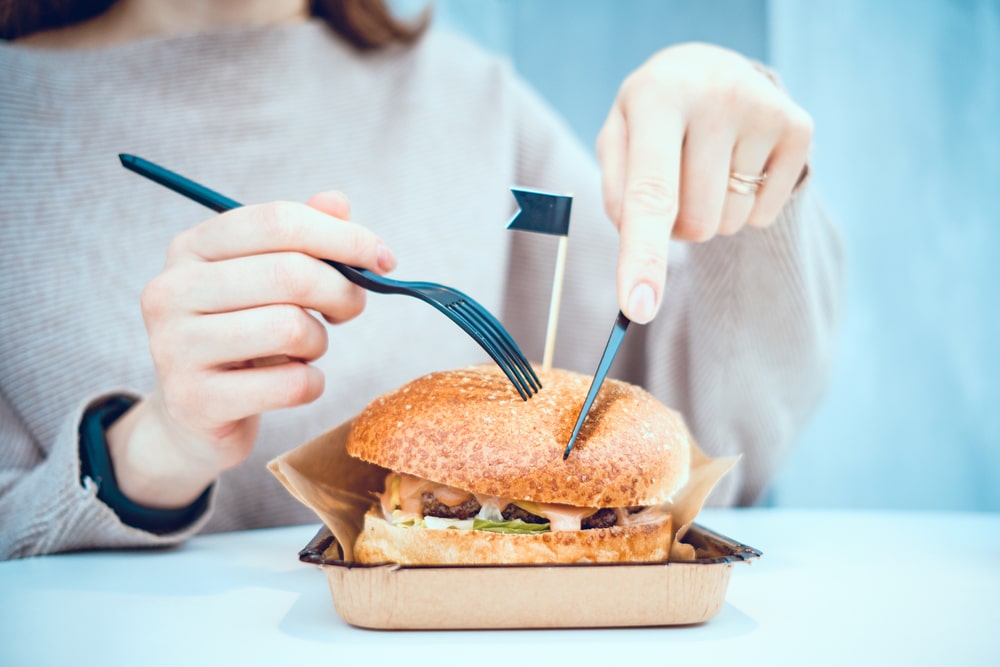
In 1992, the company experimented with a more elevated dining experience during dinner hours. Select locations tested a system where customers ordered at the counter but were seated and served by staff using real cutlery and cloth napkins. To complete the experience, guests received complimentary popcorn while waiting for their meals. The idea aimed to position Burger King as a more evening-friendly option, but the model proved difficult to scale and was eventually discontinued.
Yes, They Really Sold Hot Dogs

For a period, Burger King offered hot dogs as part of its standard menu. The company introduced both classic and chili-topped versions, hoping the familiar American staple would appeal to customers already comfortable with flame-grilled items. Despite widespread curiosity, the hot dogs didn’t achieve the staying power of the Whopper or chicken sandwiches. They eventually phased out, remaining a memorable footnote in the chain’s history.
A Marketing Oddity: The Whopper Wine
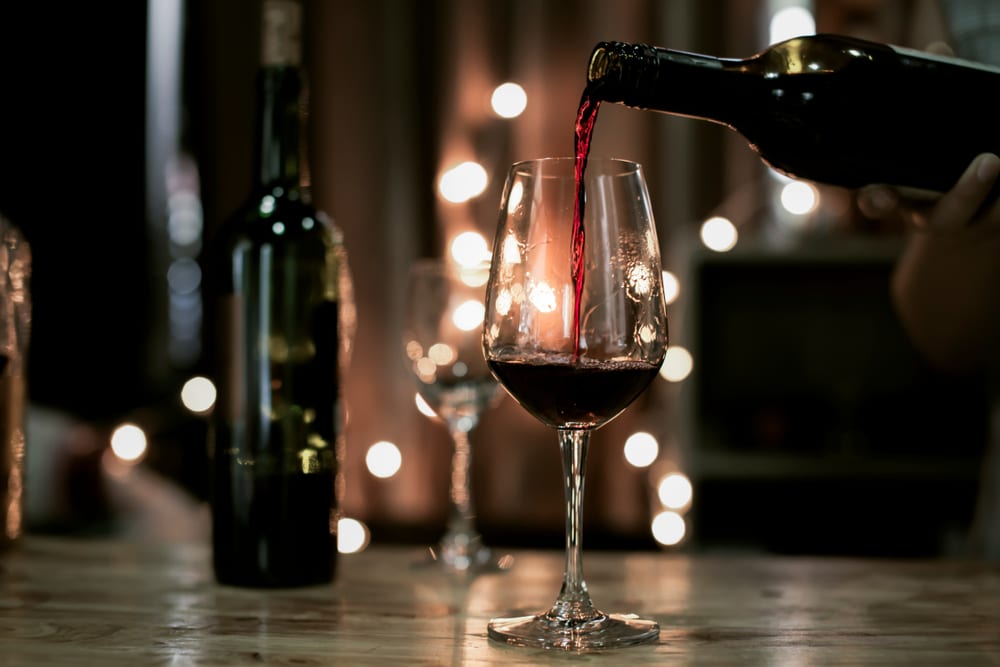
Burger King has never shied away from unusual promotional items, and one of the most surprising was the limited-edition Whopper Wine. Released in select markets, it was created to celebrate the brand’s anniversary and designed to pair specifically with a Whopper. The campaign showcased the company’s playful approach to branding and its willingness to venture into unexpected territory to grab attention.
Pioneers of Movie Tie-Ins
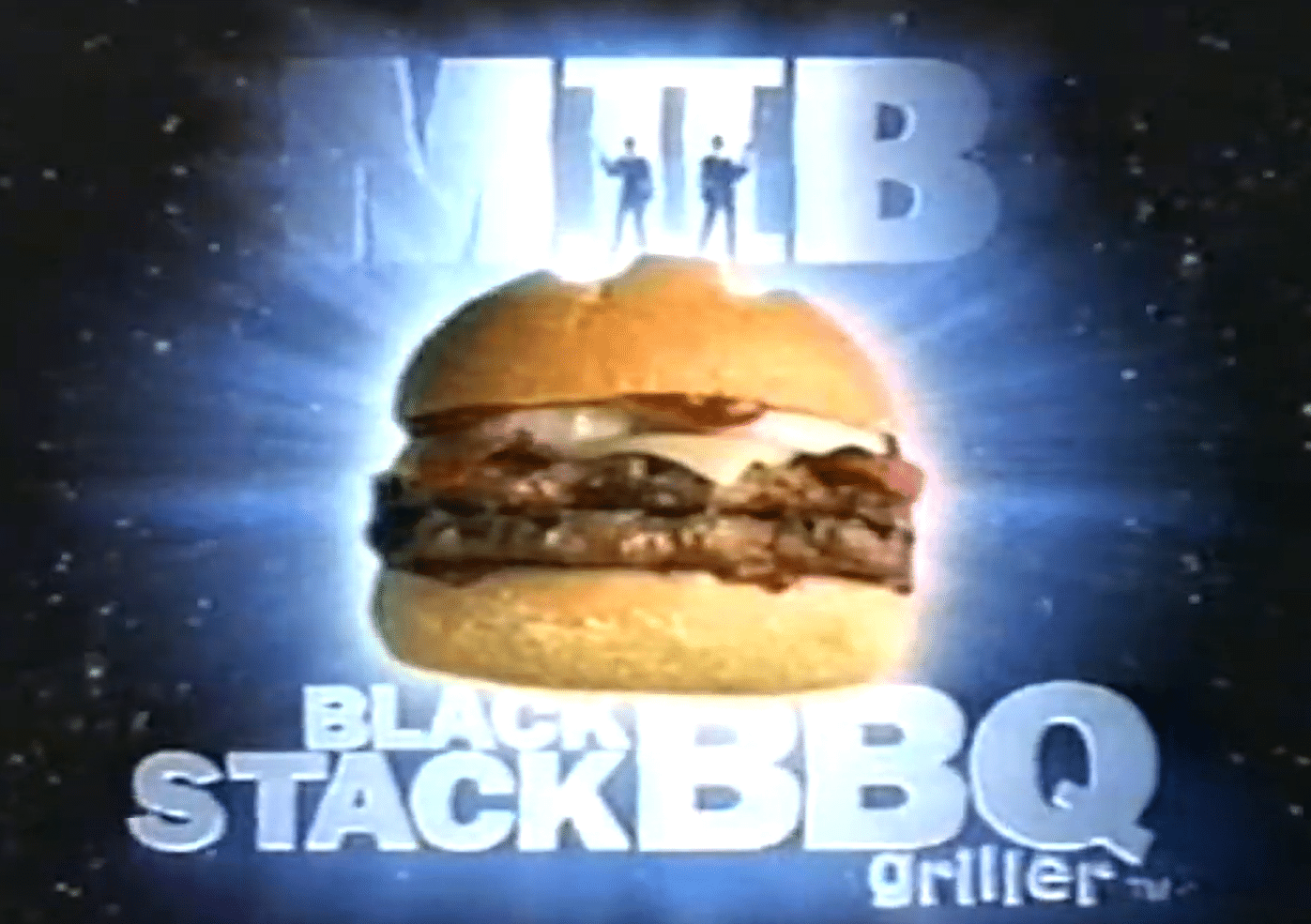
Long before movie tie-ins became standard in fast food, Burger King was already experimenting with film partnerships. The chain produced elaborate promotions for major releases, offering themed meals, toys, and collectible items. These collaborations helped cement the brand’s image as culturally relevant, especially among younger customers. Many of these campaigns set trends that other fast-food chains later adopted.
The Impossible Whopper Sparks Debate
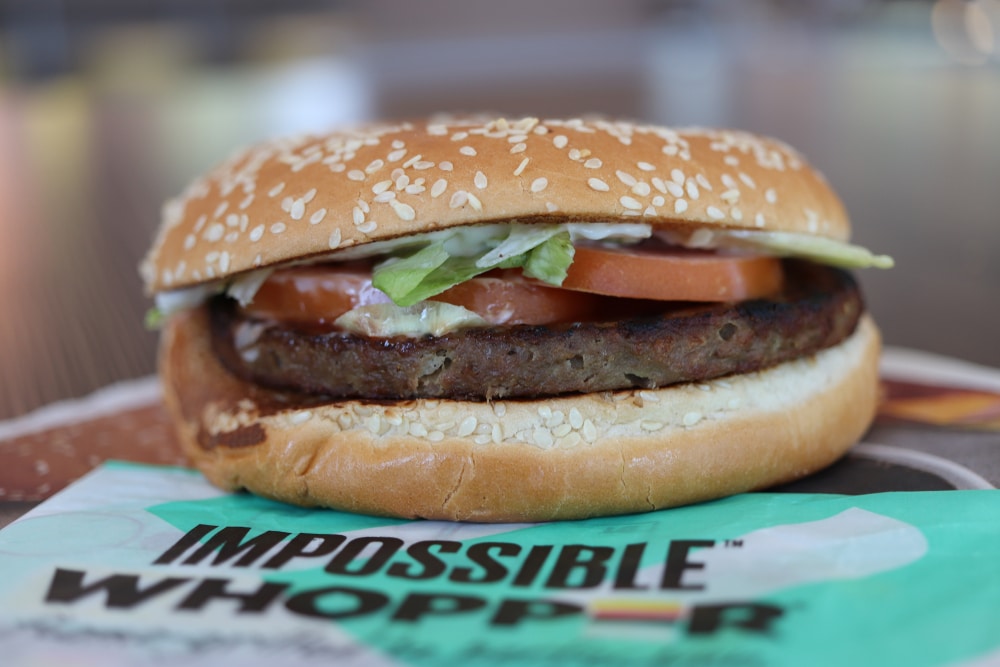
The launch of the Impossible Whopper brought plant-based eating into the mainstream fast-food world. While the product received praise for its flavor and accessibility, it also drew criticism from vegan and vegetarian consumers. The debate centered on the fact that the patties were cooked on shared equipment, raising concerns about cross-contamination. Despite this, the Impossible Whopper became a long-term menu staple and expanded plant-based options for a much wider audience.
A Secret Perk: The Burger King Crown Card

Few customers know that Burger King has a VIP card known as the Crown Card, which grants holders free food for life. The card is rarely issued and is typically given to celebrities, long-time partners, or individuals who have collaborated closely with the brand. While the chain never publicized a list of recipients, the Crown Card has developed a quiet mystique among fans who wonder who actually has one.
The Friendship Burger Promotion That Backfired
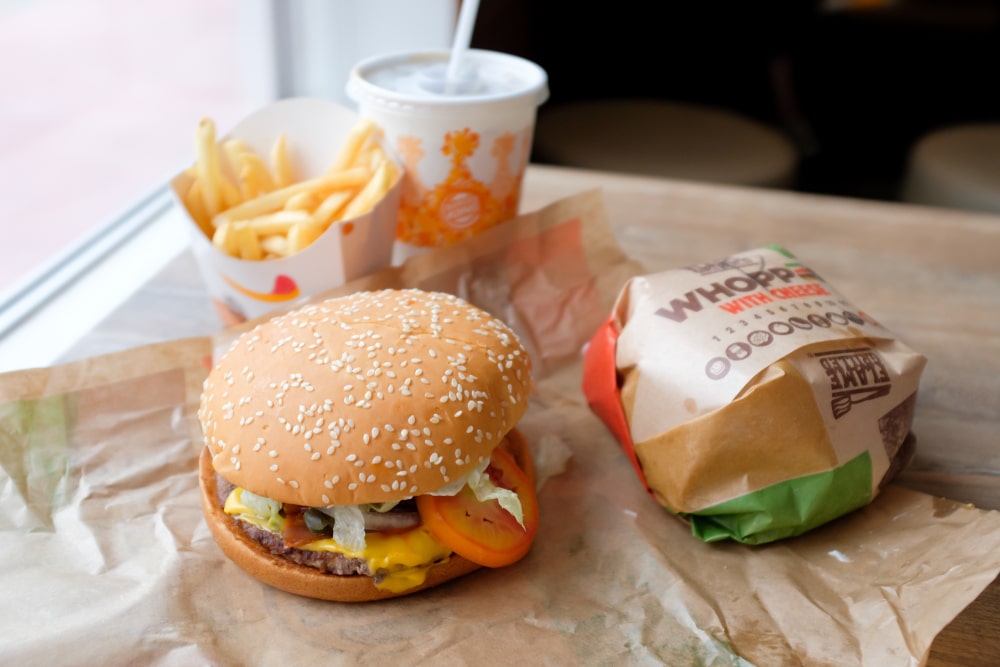
Burger King once ran a promotion offering a free Whopper to customers who brought a friend to buy one. Instead of encouraging camaraderie, the deal created unexpected complications, including long lines and confusion about eligibility. Some customers even complained about awkward social pressure tied to the promotion. Although the idea was short-lived, it remains one of the brand’s more unusual marketing experiments.
Final Thoughts
Burger King may serve familiar burgers, but its backstory proves the chain has never been afraid to get weird—in the best possible way. From oddball menu experiments to unexpected global twists, these facts show a brand that keeps finding new ways to surprise people. And honestly, that might be the most iconic thing about it.

