Prosecutors Say 115 Identities Were Stolen in Massive Food Stamp Fraud
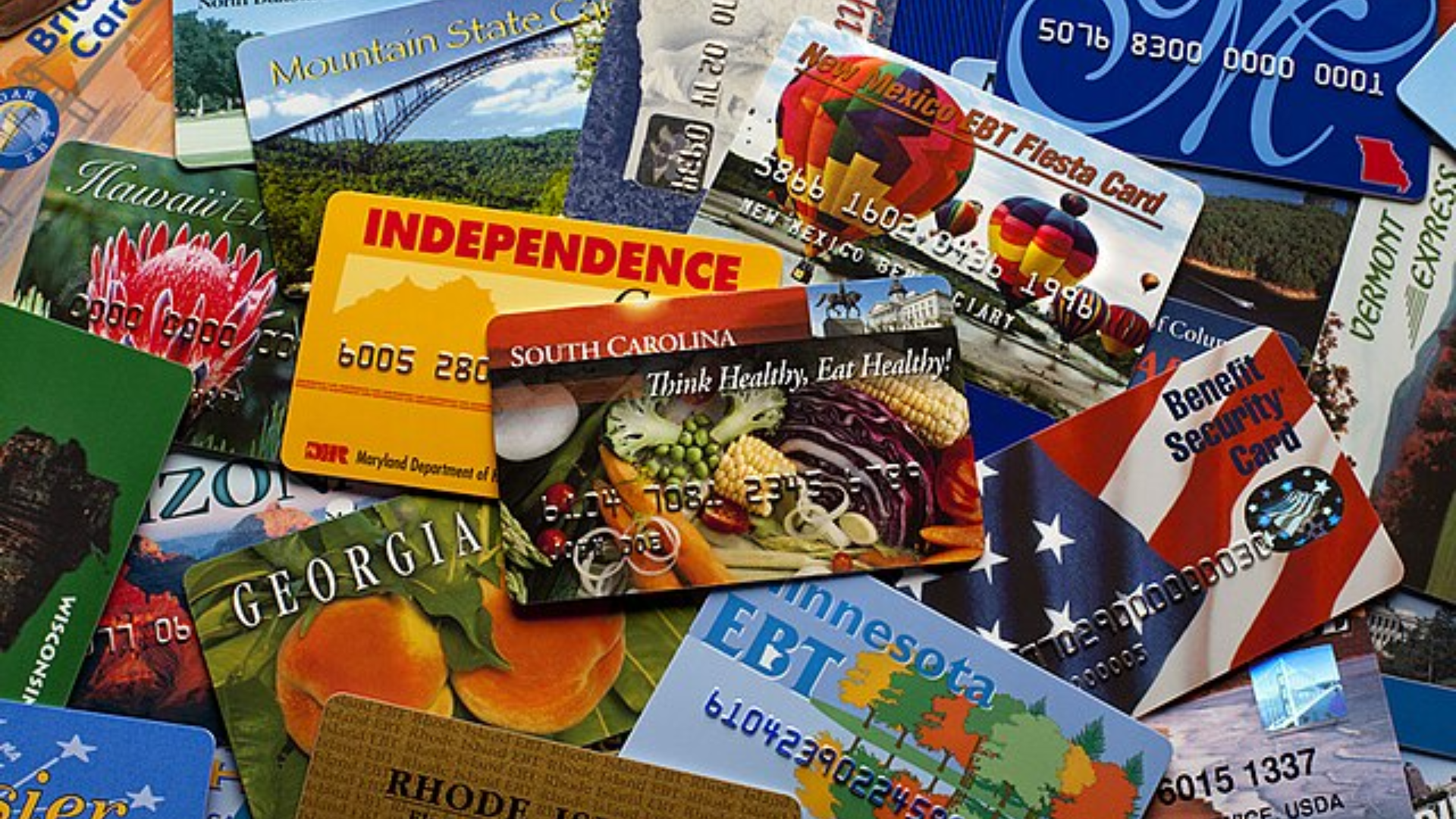

What began as a routine benefits investigation has now exploded into a sweeping federal fraud case involving stolen identities, fake documents, and a neighborhood restaurant. Prosecutors say four defendants secretly exploited the food stamp system by using dozens of stolen identities, siphoning public aid meant for struggling families. The scale of the operation stunned investigators, who say the scheme quietly operated across state lines for years.
According to the Justice Department, the group used the personal information of 115 victims, including children, to fraudulently obtain food stamps and pandemic unemployment benefits. The identities were pulled from across the country, yet many of the applications traced back to just two residential addresses. What initially appeared to be isolated benefit abuse soon revealed a tightly organized and deliberate operation.
As details emerged, investigators say the fraud wasn’t just about collecting benefits. The stolen aid was allegedly transformed into something far more profitable. The deeper authorities looked, the clearer it became that the operation was designed to turn government assistance into a steady cash engine, all while hiding behind legitimate paperwork and everyday business activity.
Inside the Alleged Scheme

Federal prosecutors identified the defendants as Joel Vicioso Fernandez and Raul Fernandez Vicioso of Massachusetts, along with Roman Vequiz Fernandez and Coralba Albarracin Siniva, two Venezuelan nationals living in the same region. Together, they allegedly purchased stolen identities and used them to submit SNAP applications claiming 24 separate households, all falsely listed as living in two single-family apartments in Rhode Island.
Authorities say the applications included more than 100 individual names, some belonging to minors. Investigators also allege that two of the defendants mixed their own personal information among the stolen identities, helping legitimize the fraudulent applications. The pattern raised red flags once benefits began flowing to the same locations repeatedly, despite representing dozens of supposedly unrelated households.
To support the applications, prosecutors say the group submitted images of counterfeit passports and passport cards. Metadata allegedly placed those images inside or near El Primo Restaurant, a business operated by Raul Fernandez Vicioso. That detail would later become central, tying the benefits fraud directly to a physical location used to convert stolen aid into profit.
How Stolen Benefits Became Real Money
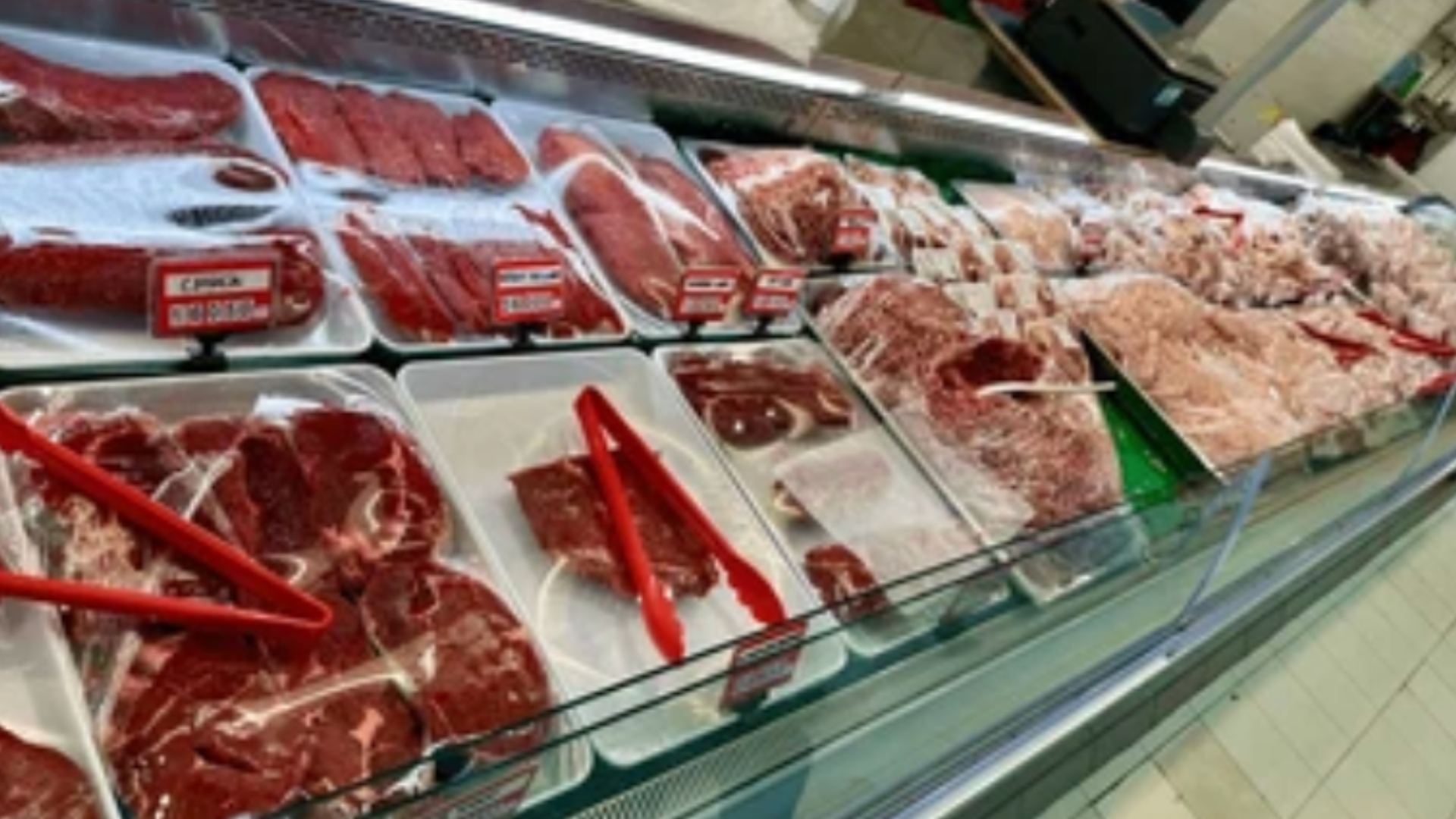
Instead of using the SNAP benefits for household groceries, prosecutors say the defendants made bulk purchases of meat and other food items. Multi-pound packages of chicken, beef, and pork were allegedly bought at wholesalers and markets, then used to supply El Primo Restaurant. With food obtained at no cost, the restaurant could sell meals at full price.
According to investigators, that setup allowed the defendants to generate pure profit. The Justice Department claims proceeds from the restaurant were later wired to individuals in Venezuela and the Dominican Republic. What made the case particularly alarming, officials say, is how seamlessly public benefits were converted into a commercial operation with international money transfers.
The fraud extended beyond food assistance. Between 2020 and 2021, prosecutors allege the group submitted fraudulent Pandemic Unemployment Assistance claims using at least 29 stolen identities. Many applications listed the restaurant itself as the residential address. Authorities say roughly $700,000 was collected, with hundreds of thousands deposited into accounts tied to the defendants.
What Investigators Found and What Comes Next

Searches of the restaurant and Raul Fernandez Vicioso’s home uncovered stacks of evidence, including fraudulent EBT cards, SNAP mailings, handwritten ledgers, and printed lists containing more than 100 identities. Investigators say the materials showed detailed tracking of benefits, suggesting the operation was carefully managed rather than opportunistic.
All four defendants now face federal charges tied to SNAP fraud conspiracies. Raul Fernandez Vicioso faces additional counts, including wire fraud, aiding and abetting, and money laundering. Prosecutors argue the case highlights vulnerabilities in emergency benefit programs expanded during the pandemic, especially when identity theft goes undetected.
As the case moves forward, officials say it underscores a larger challenge facing public assistance systems nationwide. Programs designed to help the most vulnerable can become lucrative targets when oversight fails. For prosecutors, this case is about more than one restaurant or one group, it is a warning about how easily stolen identities can drain public resources.