5 Popular Frozen Pizzas Are Under Scrutiny for Possible Cancer Risks
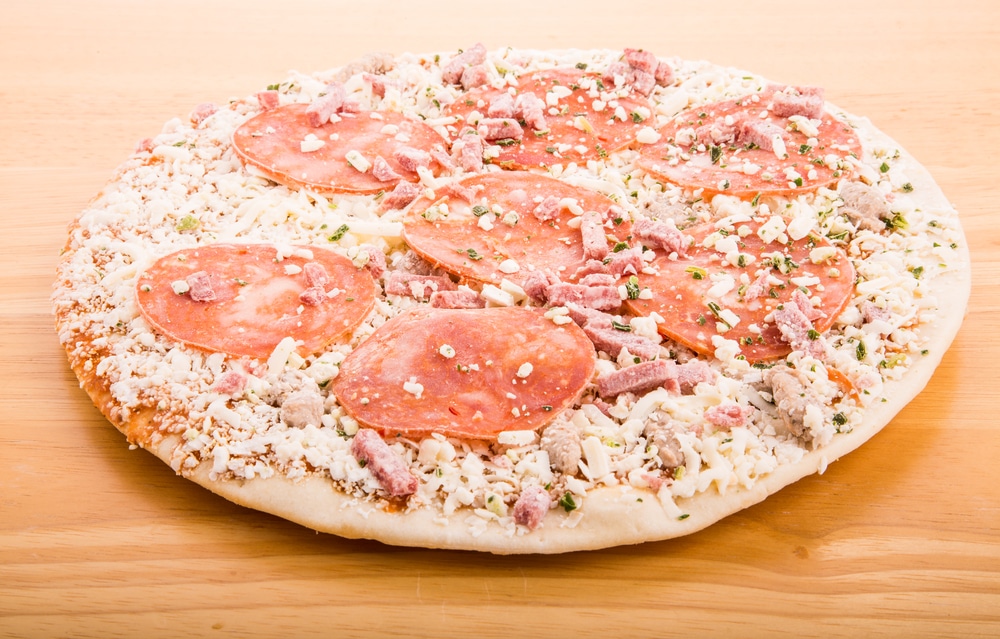

Health professionals are sounding alarms about certain popular frozen pizzas and other heavily processed frozen foods after emerging research suggested that regularly consuming ultra-processed foods, the category in which many frozen pizzas fall, may be associated with an increased risk of cancer and other chronic diseases over time. Publicly reported studies have shown that diets high in ultra-processed foods correlate with higher cancer incidence for several types of tumors, including colorectal, breast, and pancreatic cancers, prompting renewed scrutiny of convenient meals that are rich in preservatives, additives, refined carbohydrates, and processed meats.
Frozen pizzas often pack more than just cheese and crust; they commonly contain processed meat toppings like pepperoni or sausage, which are preserved with nitrates and nitrites, compounds classified by health authorities as carcinogenic when regularly consumed, as well as artificial flavors and emulsifiers designed for texture and shelf stability but without any nutritional benefit. Research on diet patterns consistently links heavily processed food consumption with biological pathways like inflammation and metabolic stress that can contribute to cancer development, especially when such foods form a regular part of daily eating habits.
Although occasional frozen pizza is unlikely to cause immediate harm, public health experts emphasize that cumulative exposure to ingredients and dietary patterns dominated by ultra-processed foods can raise long-term cancer risk, reinforcing long-standing recommendations to balance convenience foods with nutrient-dense whole foods such as vegetables, fruits, legumes, and lean proteins to support overall health and reduce disease risk.
Top 5 Frozen Pizzas Under the Microscope
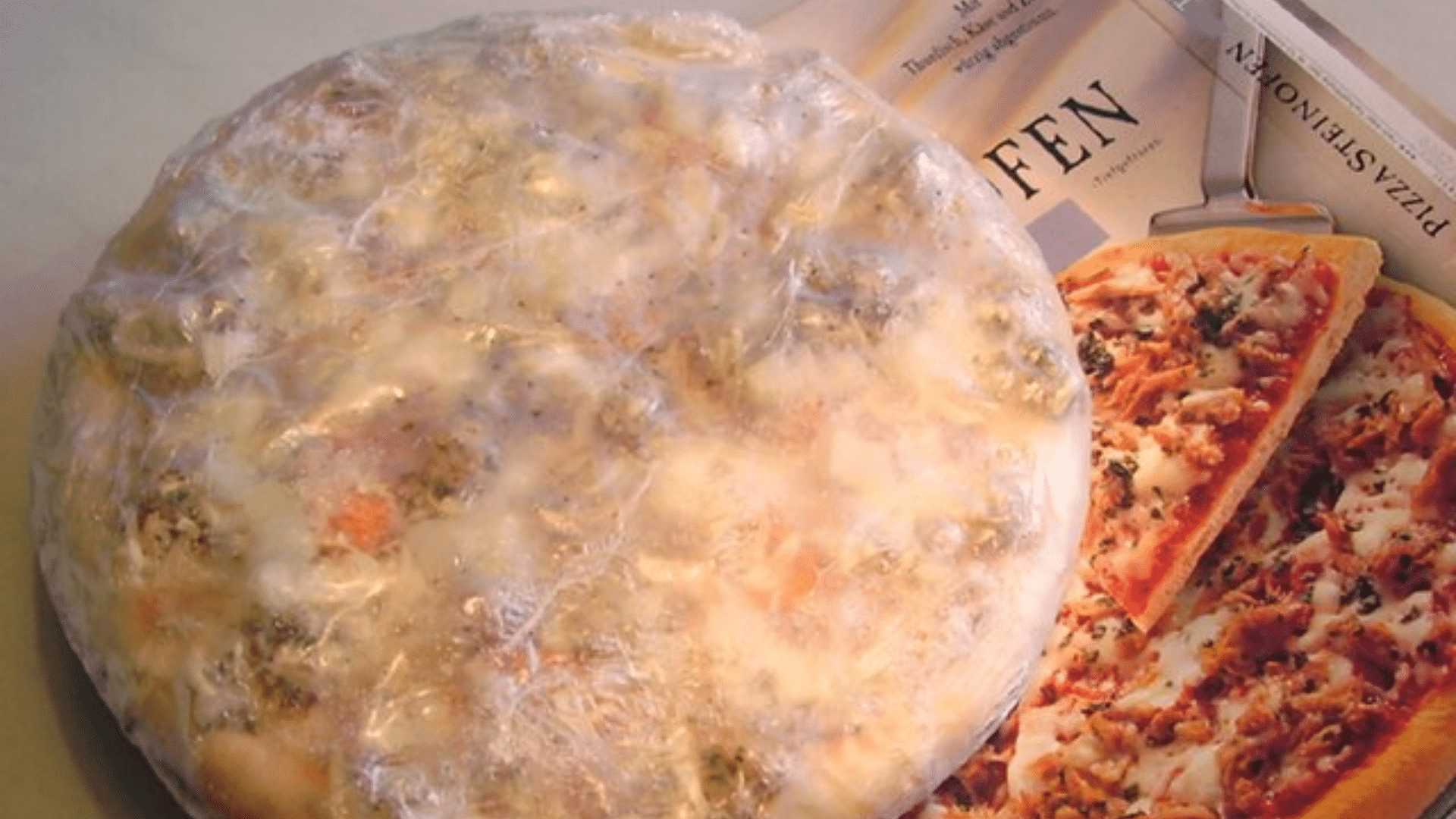
While brands and specific products differ by region and retailer, nutrition experts often point to frozen pizzas that combine processed meat toppings, artificial additives, and refined grains as among the products that could contribute most to cancer risk when eaten frequently. These typically include varieties with pepperoni, sausage, or bacon, which not only add saturated fat and sodium but also carry preservatives like nitrates and nitrites that have been linked to cancer in epidemiological and laboratory research.
In addition to meat-topped pizzas, frozen crusts with extensive processing often contain emulsifiers, flavor enhancers, and artificial colors that improve visual appeal and shelf life but have no inherent nutritional benefit and are more common in so-called ultra-processed foods, which scientists increasingly associate with poorer health outcomes including increased cancer risk, weight gain, and metabolic dysfunction.
Experts recommend that consumers reading labels look for simpler ingredient lists with fewer chemical additives and fewer high-risk preservatives such as sodium nitrite, potassium nitrate, and certain sulfites that are especially common in processed meat pizza toppings, and consider limiting their intake of such products in favor of freshly prepared or minimally processed alternatives.
Why Frozen Pizza Ingredients Matter
The connection between frozen pizza ingredients and cancer risk is not about a single food causing the disease, but rather the cumulative effect of dietary patterns dominated by ultra-processed foods that contain chemical additives, preservatives, artificial colors, flavors, and high levels of sodium and unhealthy fats. Studies on ultra-processed food consumption find that every incremental increase in the proportion of such foods in the diet correlates with a corresponding increase in cancer incidence, particularly for colorectal and breast cancers.
Processed meats like pepperoni and sausage are classified as Group 1 carcinogens by health authorities when consumed regularly because they contain preservatives that can form cancer-causing compounds in the body, and when these meats are paired with refined crusts and sugary sauces common in frozen pizzas, they contribute to dietary patterns linked with inflammation, weight gain, and metabolic stress, all factors associated with increased cancer risks.
Nutritionists stress that it is the frequent and habitual consumption of these ultra-processed foods, rather than occasional enjoyment, that poses the greatest concern, and that diets high in whole, minimally processed foods, rich in fiber and antioxidants, are associated with better long-term outcomes and lower overall cancer risk.
How to Enjoy Pizza More Safely
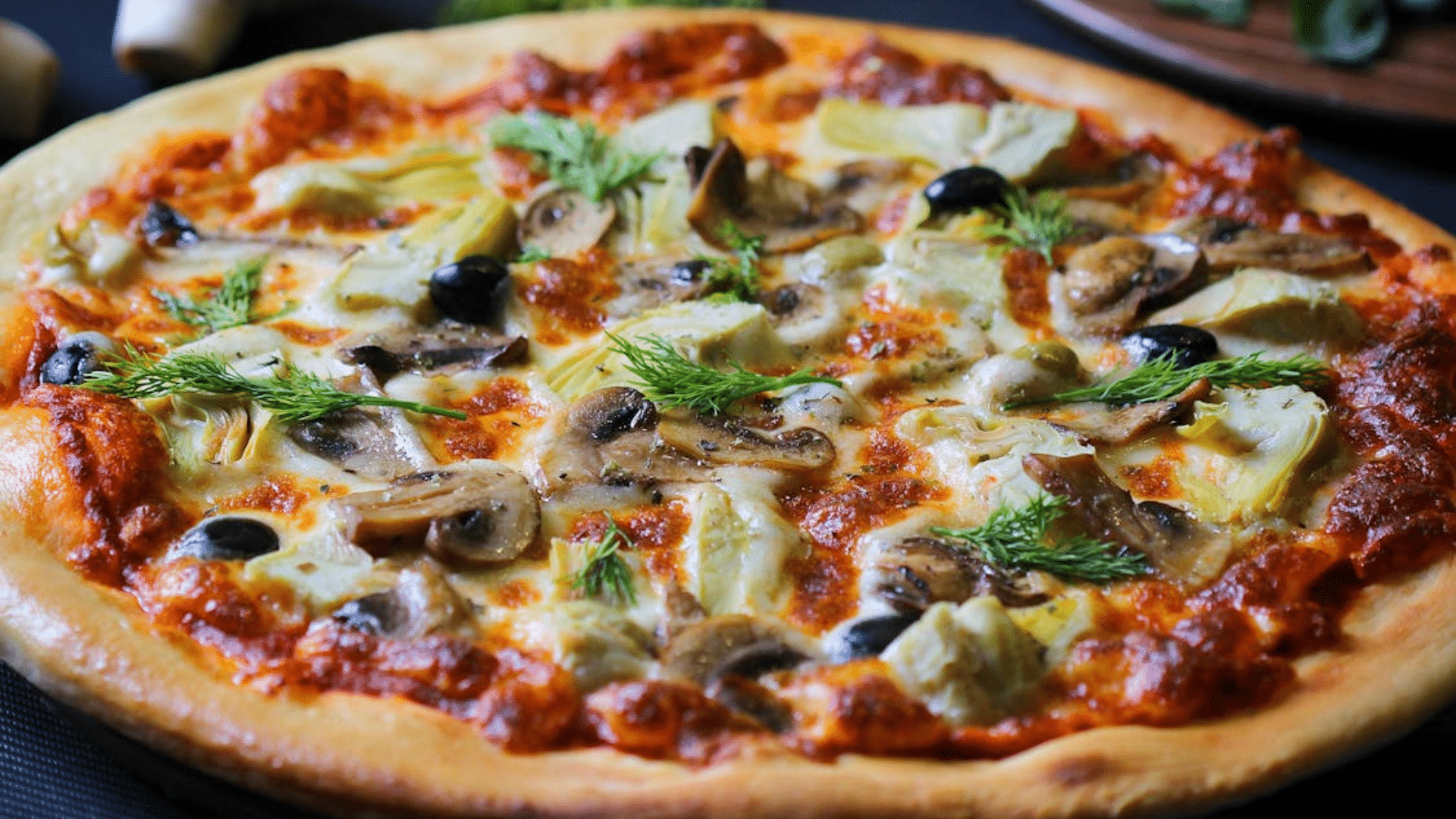
If you love pizza but are concerned about the health implications of frozen varieties, a practical approach is to prepare pizza at home using whole grain crusts, lean protein toppings such as grilled chicken or vegetables, and minimal processed meats, which allows control over the ingredients and reduces exposure to additives and preservatives linked to cancer risk.
Another strategy is to reserve frozen pizzas for occasional treats rather than weekly meals, pairing them with generous servings of salads, vegetables, and other nutrient-dense foods that help balance out dietary patterns and provide essential vitamins and antioxidants that support overall health.
Finally, reading food labels carefully for ingredient lists and choosing products with fewer artificial additives, lower sodium, and minimal processed meat toppings can help consumers make more informed choices about the frozen pizzas they buy, helping to reduce the reliance on heavily processed foods while still enjoying the convenience and flavor of a frozen meal.

