51-Year-Old Vlogger Dies After Eating Poisonous ‘Devil Crab’ in Viral Video
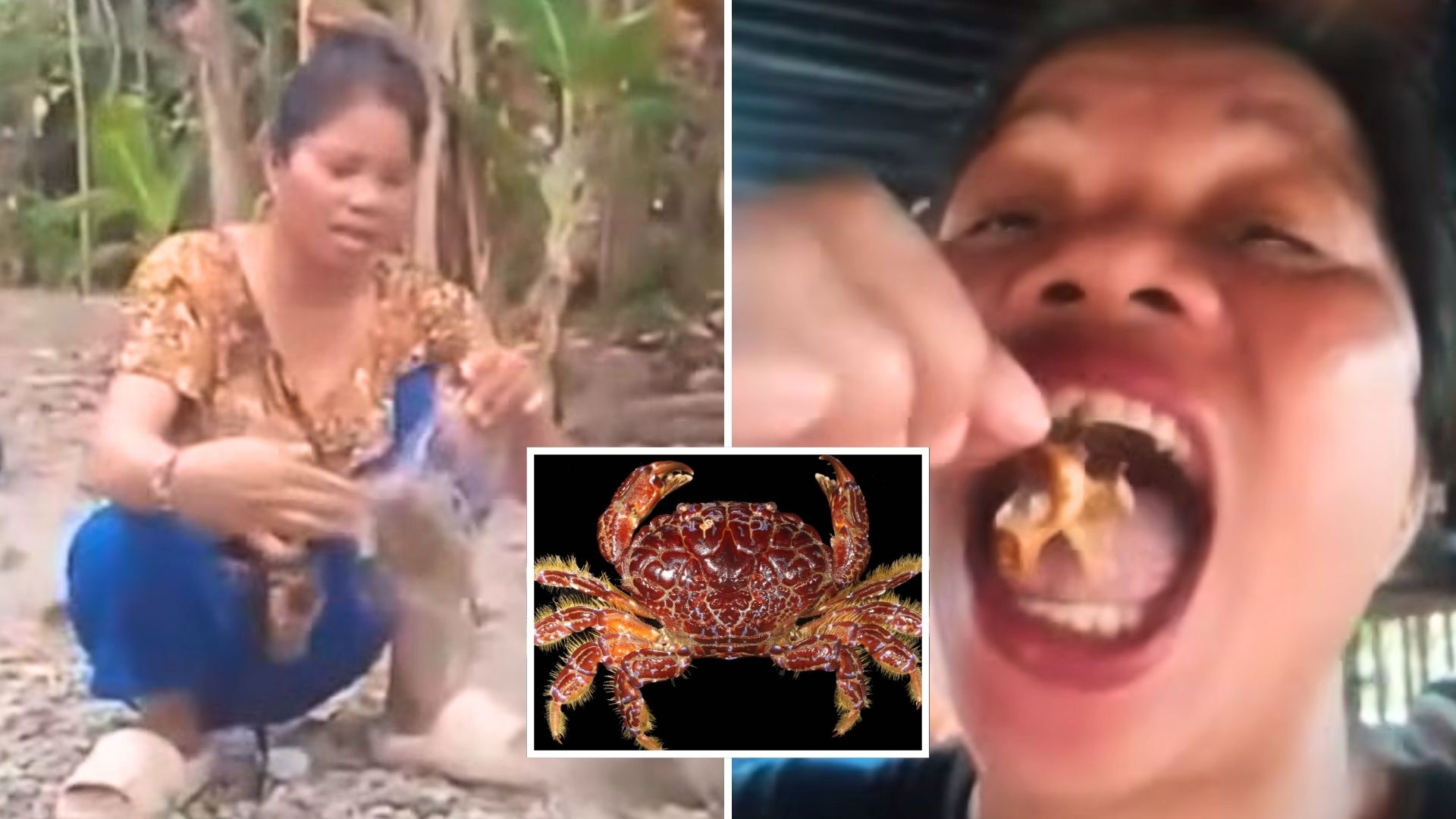

A Filipino food vlogger has died after filming herself eating one of the country’s most poisonous reef crabs. Emma Amit, 51, recorded a video on February 4 showing her foraging along mangroves near her seaside home in Puerto Princesa, Palawan. In the clip, she drops a brightly mottled crab into a pot of simmering coconut milk, tastes it, smiles and continues eating.
The crab was later identified as Zosimus aeneus, commonly known in the Philippines as the “devil crab.” Marine biologists consider it one of the most poisonous crabs in the Indo-Pacific. Its flesh contains potent neurotoxins, including tetrodotoxin and saxitoxin, which are not neutralized by cooking.
According to local reports, Ms Amit fell gravely ill shortly after consuming the crab. She lost consciousness and was rushed to hospital, where she died two days later. A friend who had also eaten the crab reportedly died as well. Village officials later found vivid crab shells discarded at her home.
What Is the ‘Devil Crab’?
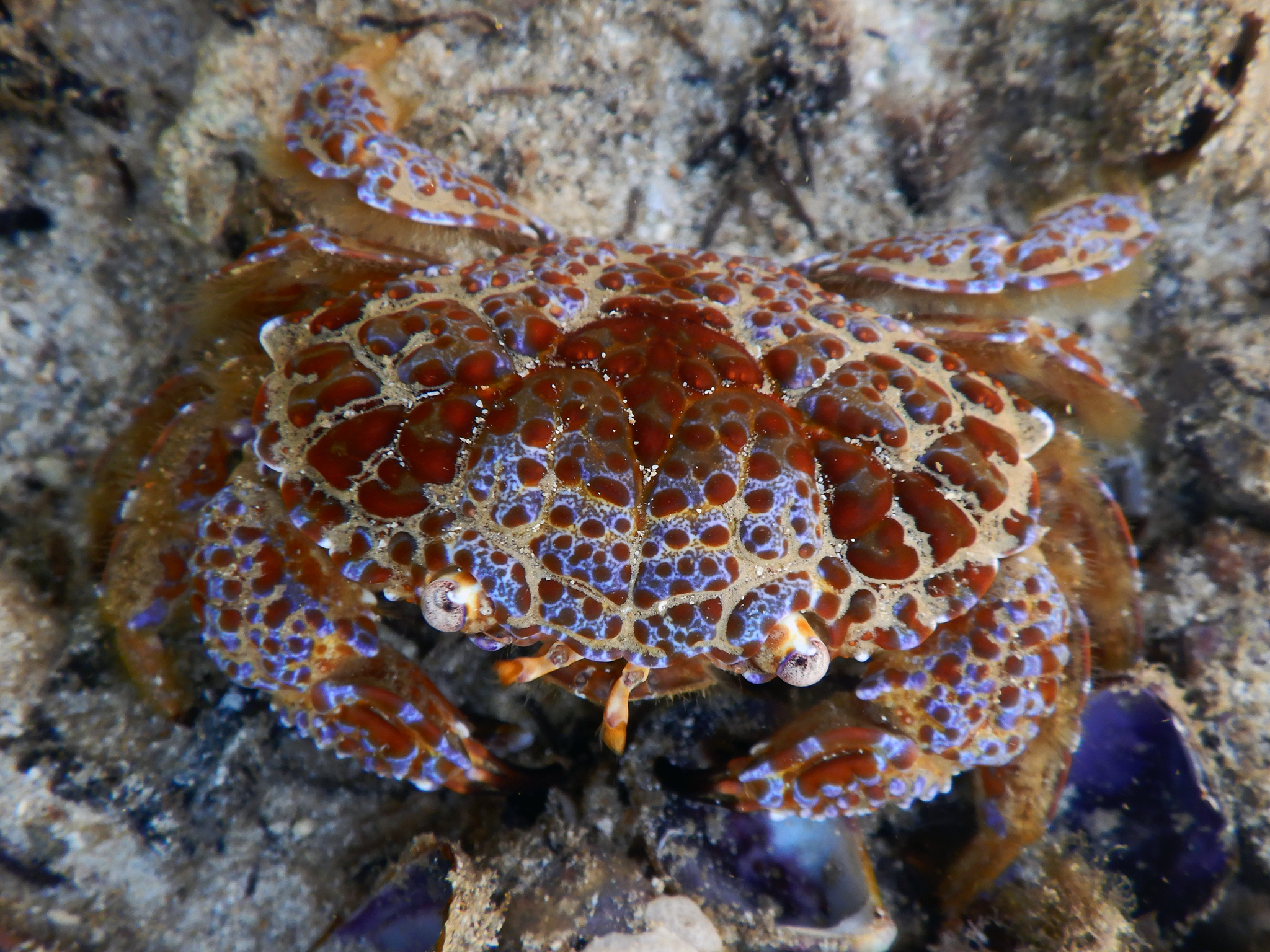
The devil crab, scientifically known as Zosimus aeneus, inhabits coral reefs across the Indo-Pacific, from East Africa to Japan and Hawaii. It grows to roughly 60 by 90 millimetres and is marked by distinctive reddish-brown blotches on a pale background. Its striking coloration makes it easy to spot but also deceptive to the untrained eye.
Both the shell and meat of the crab contain tetrodotoxin and saxitoxin, neurotoxins that interfere with sodium channels in nerve cells. Tetrodotoxin is the same toxin found in pufferfish, while saxitoxin is associated with paralytic shellfish poisoning. The toxins accumulate naturally in the crab’s body and remain even after prolonged cooking.
Ingesting even small amounts can cause tingling in the lips, numbness in the extremities, nausea, convulsions and respiratory failure. According to scientific documentation cited in marine databases, poisoning from Zosimus aeneus can be fatal within hours. The species is considered the most poisonous crab in the Philippines, with studies indicating that roughly half of severe intoxication cases have resulted in death.
Officials Issue Urgent Warnings
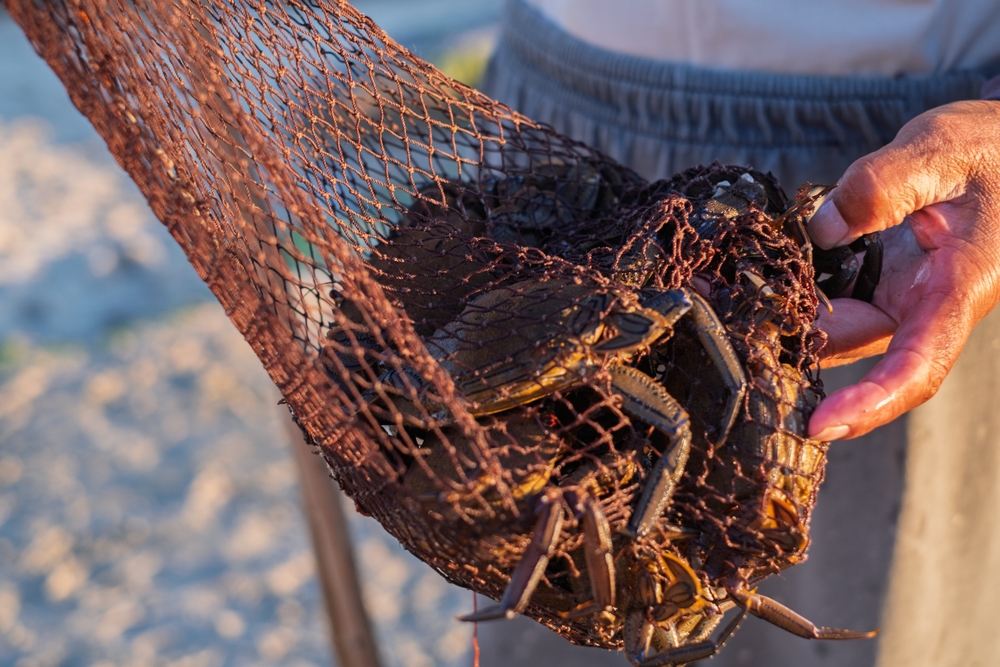
Following Ms Amit’s death, Philippine authorities renewed warnings about the dangers of consuming reef crabs. The Bureau of Fisheries and Aquatic Resources (BFAR) cautioned the public not to eat devil crabs and emphasized that toxins remain present even after boiling or cooking for several hours.
In a February advisory, BFAR reiterated that both the devil reef crab (Zosimus aeneus) and the green egg crab (Atergatis floridus) contain tetrodotoxin, saxitoxin and gonyautoxin. The agency urged residents to familiarize themselves with the appearance of the crabs and to avoid direct contact, particularly with their pincers.
Barangay Captain Laddy Gemang described the incident as deeply troubling. “This is really saddening because they should have known,” he told ABS-CBN, noting that Ms Amit and her husband were experienced fishers. “So why did she eat it? That is what I’m confused about.” He warned residents not to “gamble with your lives” after what he said were multiple local fatalities linked to the crab.
Viral Risks and a Broader Conversation

Ms Amit’s death has sparked discussion about the risks content creators take in pursuit of viral engagement. In her final video, shared by the New York Post on TikTok, she appears confident and at ease while cooking and tasting the crab. The footage has since circulated widely, raising questions about whether awareness of the species’ toxicity was overlooked or underestimated, though people close to her insist that she didn’t know it was poisonous.
The tragedy also follows other high-profile cases involving food content creators. In 2024, a Filipino mukbang vlogger died following a stroke after filming himself eating large quantities of food, prompting debate in the Philippines about health risks tied to online food challenges.
Health officials continue to stress that brightly colored reef crabs are not necessarily safe for consumption. BFAR has advised residents in coastal communities to avoid harvesting unknown crab species and to seek guidance from fisheries authorities before consuming reef catches.