78-Year-Old Veteran Eats at This Restaurant Every Day. When He Stopped, the Chef Stepped Into a ‘Role’ That Had Nothing to Do With Cooking
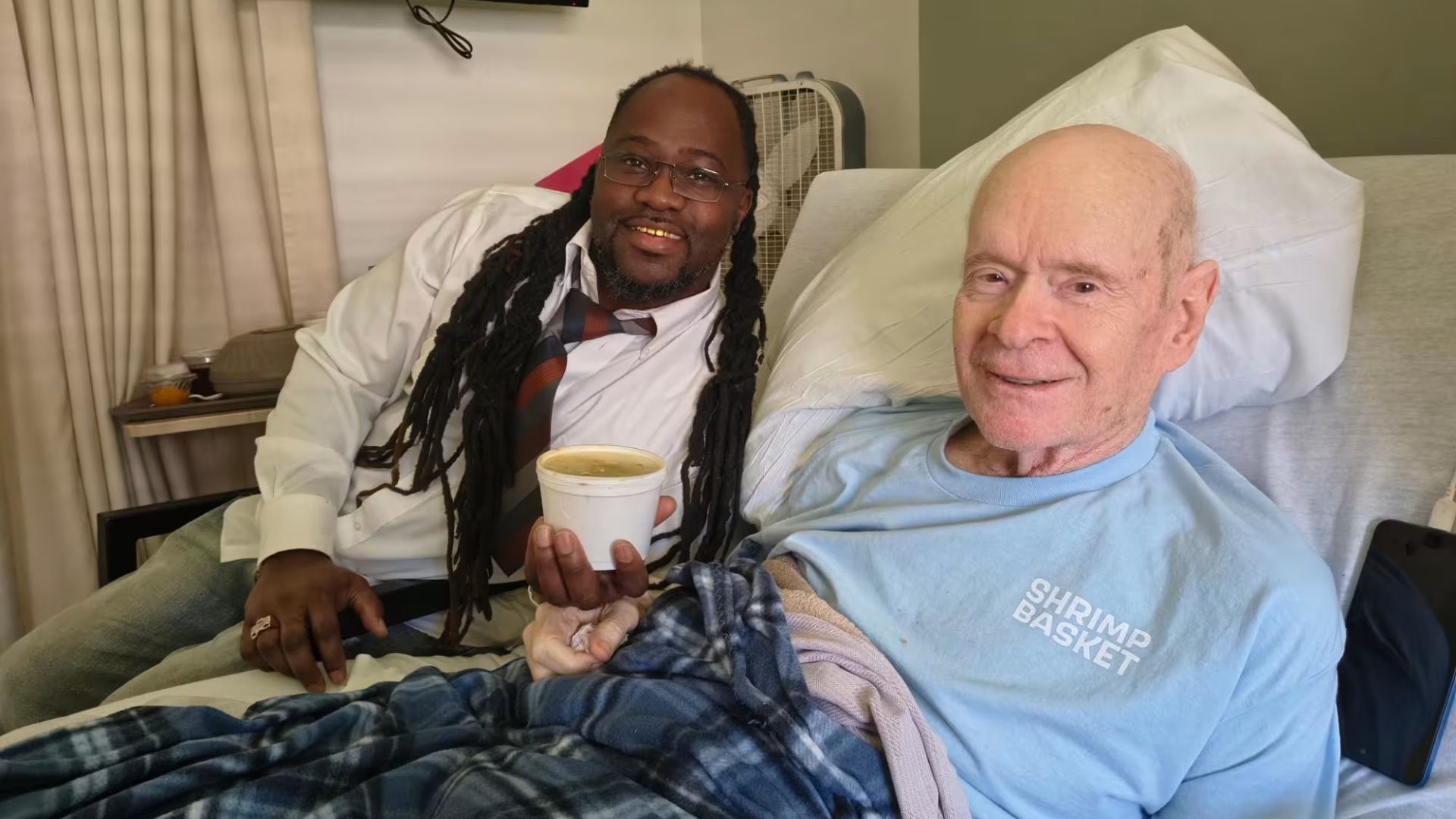

For 10 years, Charlie Hicks never missed a day at his favorite restaurant. The 78-year-old Air Force veteran was so regular at Shrimp Basket in Pensacola, Florida, that staff could set their clocks by his arrival. But one September morning changed everything when his empty seat triggered a critical chain of events.
The Creature of Habit
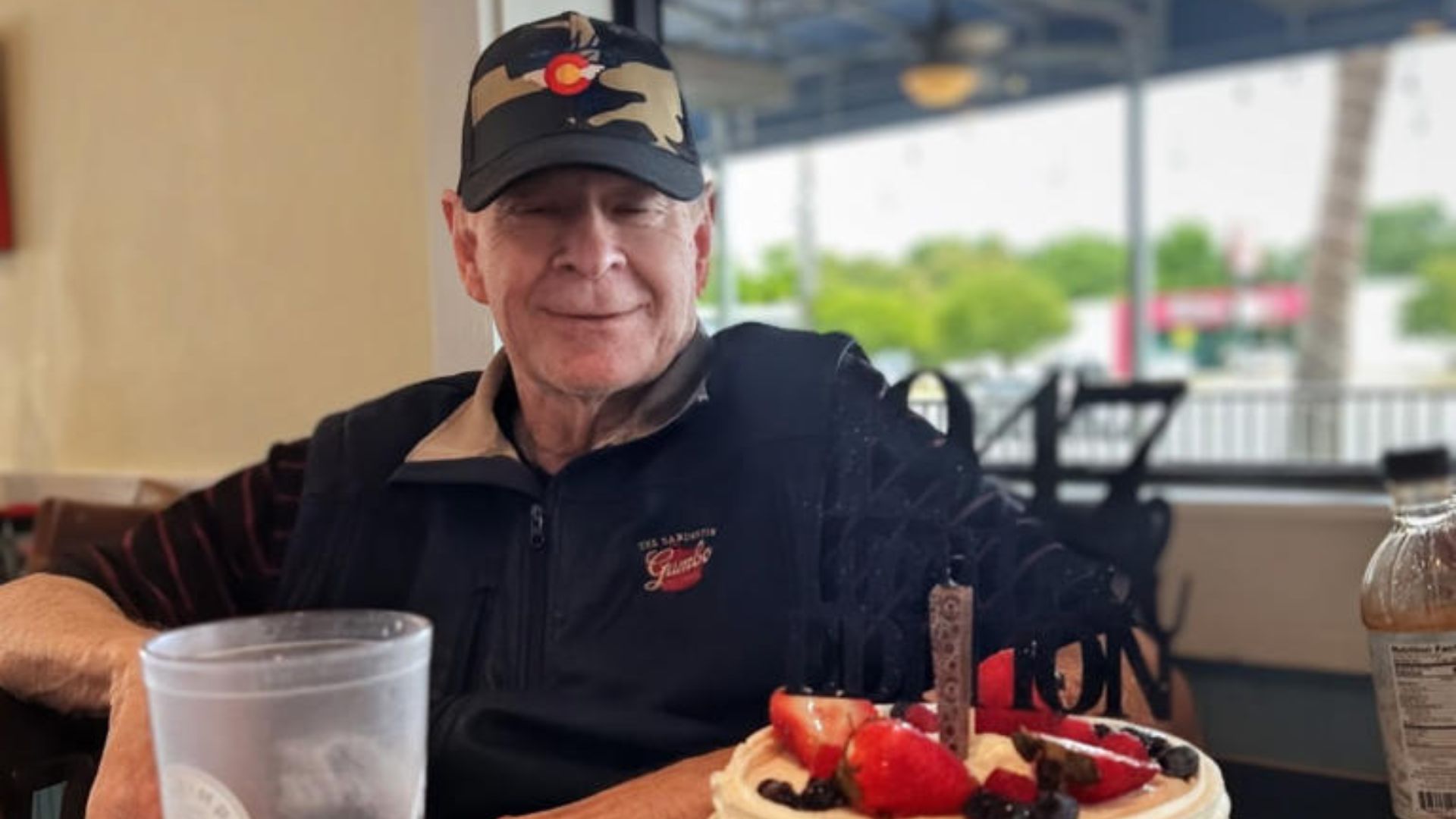
Charlie Hicks lived by routine. Every day at 11 a.m., he’d drive to Shrimp Basket for his signature order: gumbo with rice, no crackers. Often, he’d return for dinner too. The restaurant became more than a dining spot—it was his community, his connection to the world outside his solitary life.
A Friendship Forged Over Food
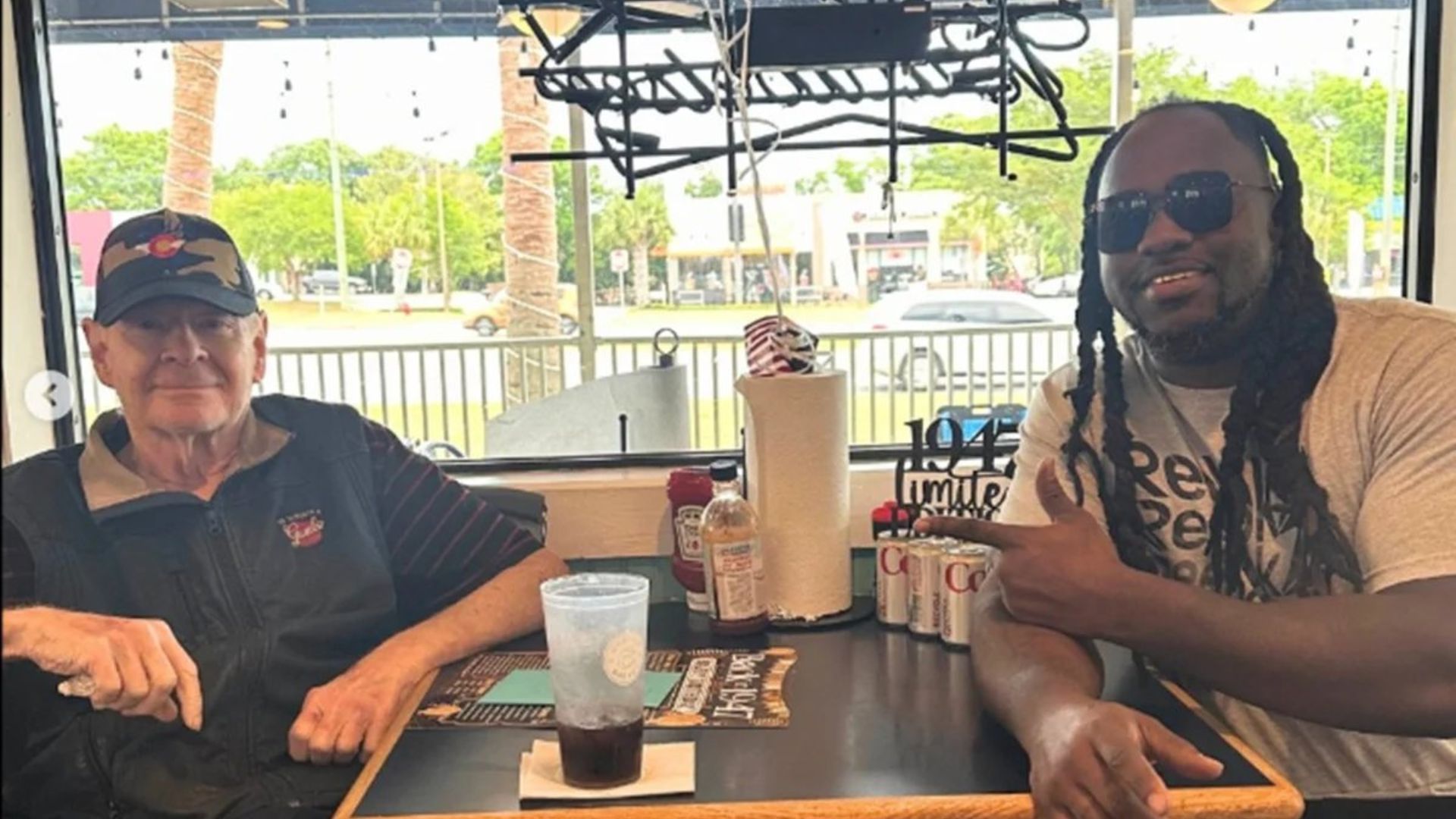
Chef Donell Stallworth and Hicks developed an unlikely bond over the years. They’d chat about sports and “The Andy Griffith Show” reruns. Hicks, who never married or had children, found companionship in these daily conversations. Stallworth saw Hicks as inspiration, describing his humor as better than “Saturday Night Live,” with jokes that just kept coming.
More Than Just a Customer
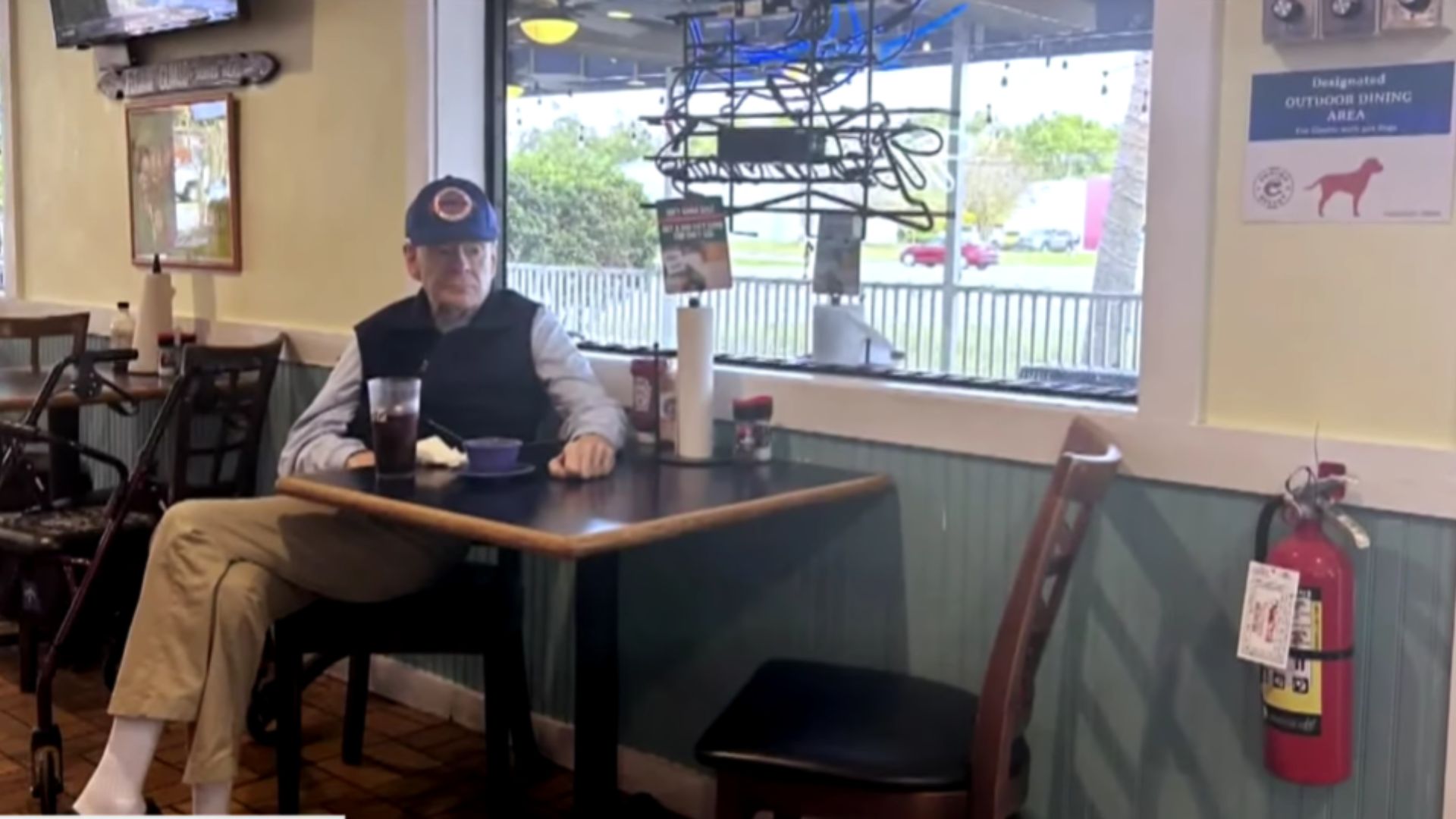
Hicks admitted that making friends wasn’t easy at his age. Living alone, he cherished his chats with Stallworth. The chef would even prepare special meals for him, trying to convince him to switch from his beloved gumbo to healthier options like grilled chicken and green beans. Their relationship transcended the typical customer-server dynamic.
When Routine Breaks
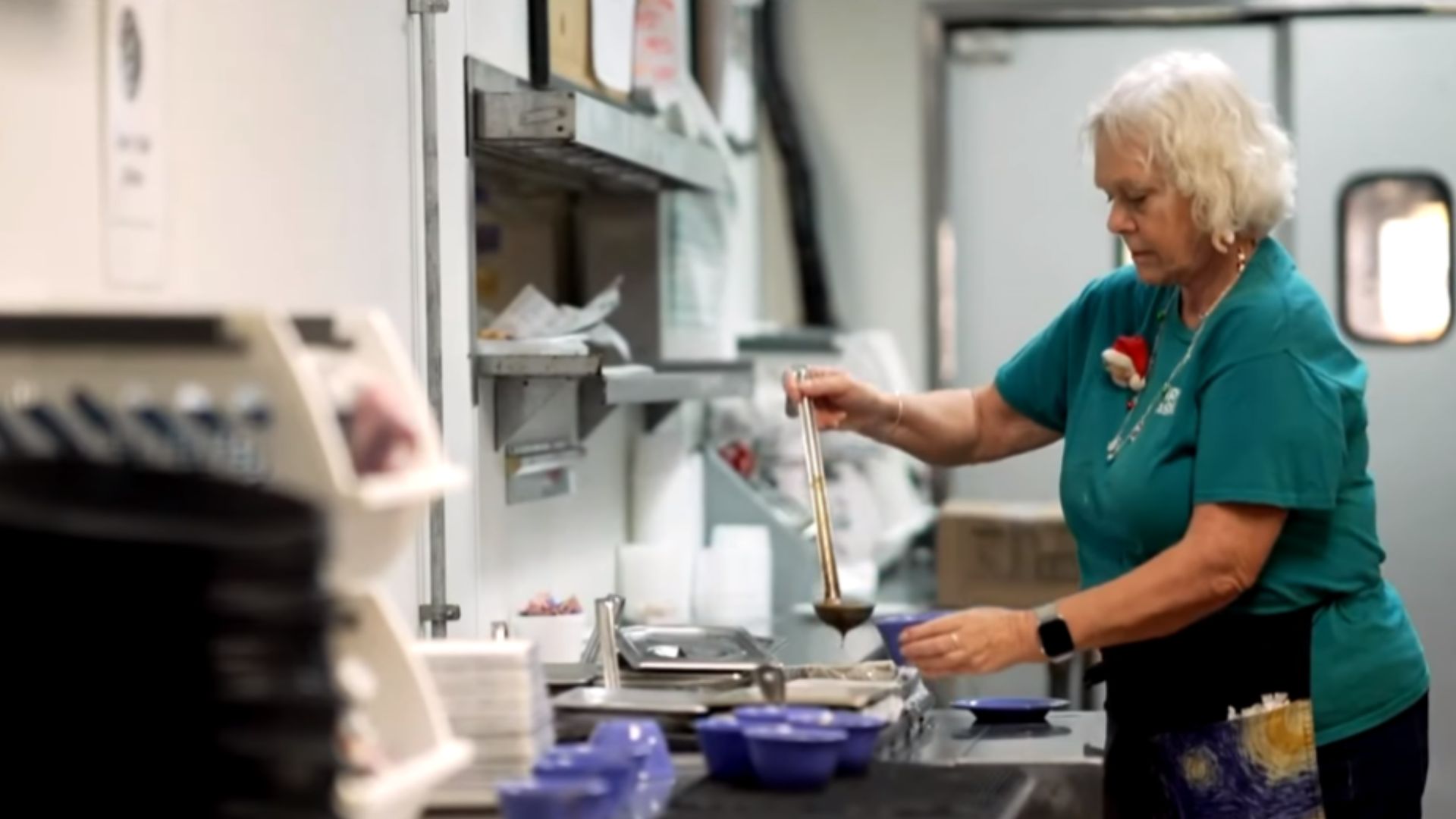
In early September, something unusual happened. Hicks wasn’t feeling well enough to make his daily trip. He asked the restaurant staff if they could deliver meals to his home a few miles away. The team immediately agreed, showing how much he meant to them. Staff leader Denise Galloway personally delivered gumbo to his doorstep.
A Day That Started Normally
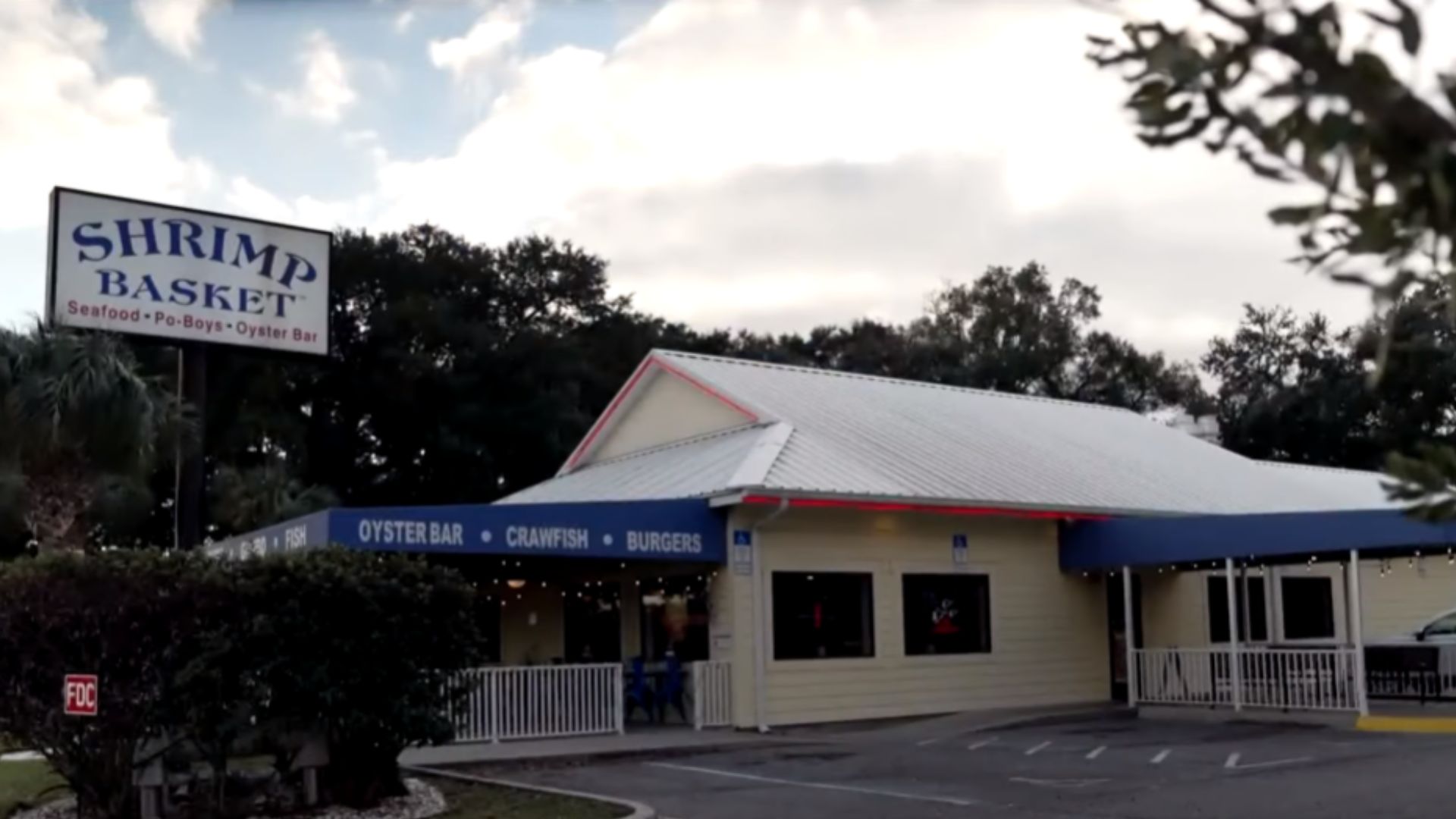
September 11 began like any other day for the Shrimp Basket crew. But this morning would prove different. At 78, Hicks faced a danger many seniors know too well. Falls become increasingly serious with age. What happened next in his home would put his life in jeopardy and test the bonds he’d formed.
Alone on the Floor

Hicks fell in his home and couldn’t get up. Hours passed as he lay helpless on the floor, unable to reach his phone or medication. As a diabetic, missing his morning medicine was dangerous. Dehydration set in quickly. He later recalled wondering if he’d escape this situation, lying there for three or four agonizing hours.
Something Felt Wrong
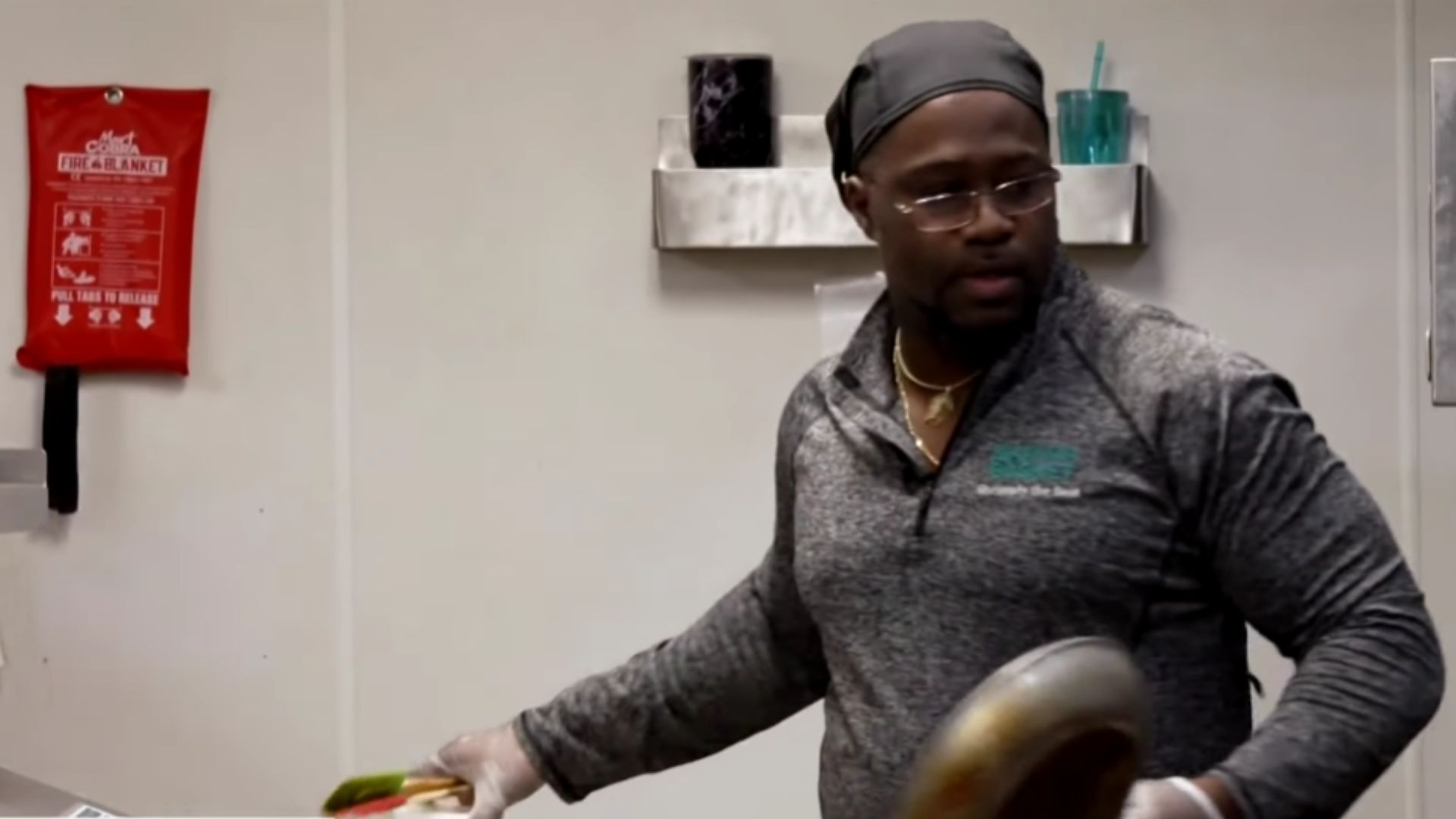
Miles away at the restaurant, Stallworth arrived for his shift. He immediately noticed something off—Hicks wasn’t there. When coworkers confirmed nobody had heard from him, Stallworth tried to focus on prep work. But instinct wouldn’t let him. Hicks was always there before opening, as if he had his own key. The absence felt ominous.
Following His Gut

Stallworth couldn’t shake the feeling that something was seriously wrong. He grabbed his keys and left work, telling coworkers he needed to check on Hicks. Galloway directed him to Hicks’ residence. The chef rushed over, hoping his concerns were unfounded but prepared for the worst. His decision to trust his instinct would prove crucial.
The Persistent Knocking

Stallworth knocked twice on Hicks’ door with no response. On the third knock, he pounded harder. Then he heard it—a faint cry for ‘help’ from inside. Fortunately, the door was unlocked. What he found inside was difficult to witness: his friend lying helpless on the ground, unable to speak from severe dehydration. Stallworth later described finding Hicks in that position as heartbreaking. The elderly veteran was so weak that he couldn’t communicate properly.
Racing Against Time
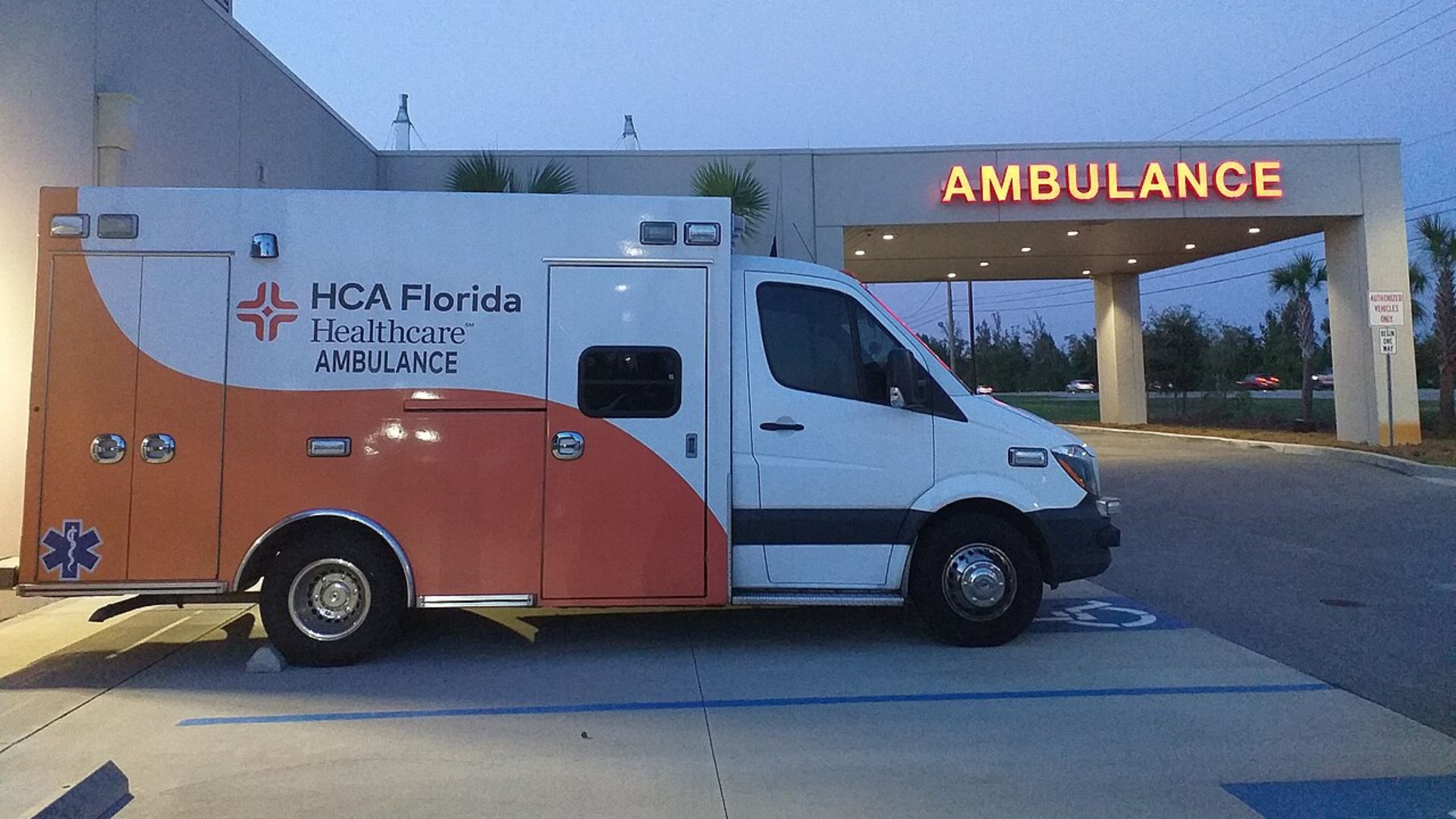
Galloway called 911 from the restaurant, and paramedics arrived quickly. Hicks was rushed to the hospital with two broken ribs and severe dehydration. Without Stallworth’s intervention, Hicks believed he would have had to crawl to the front door and wait on the sidewalk for someone to find him. The chef’s instinct had literally saved his life.
The Long Road Back
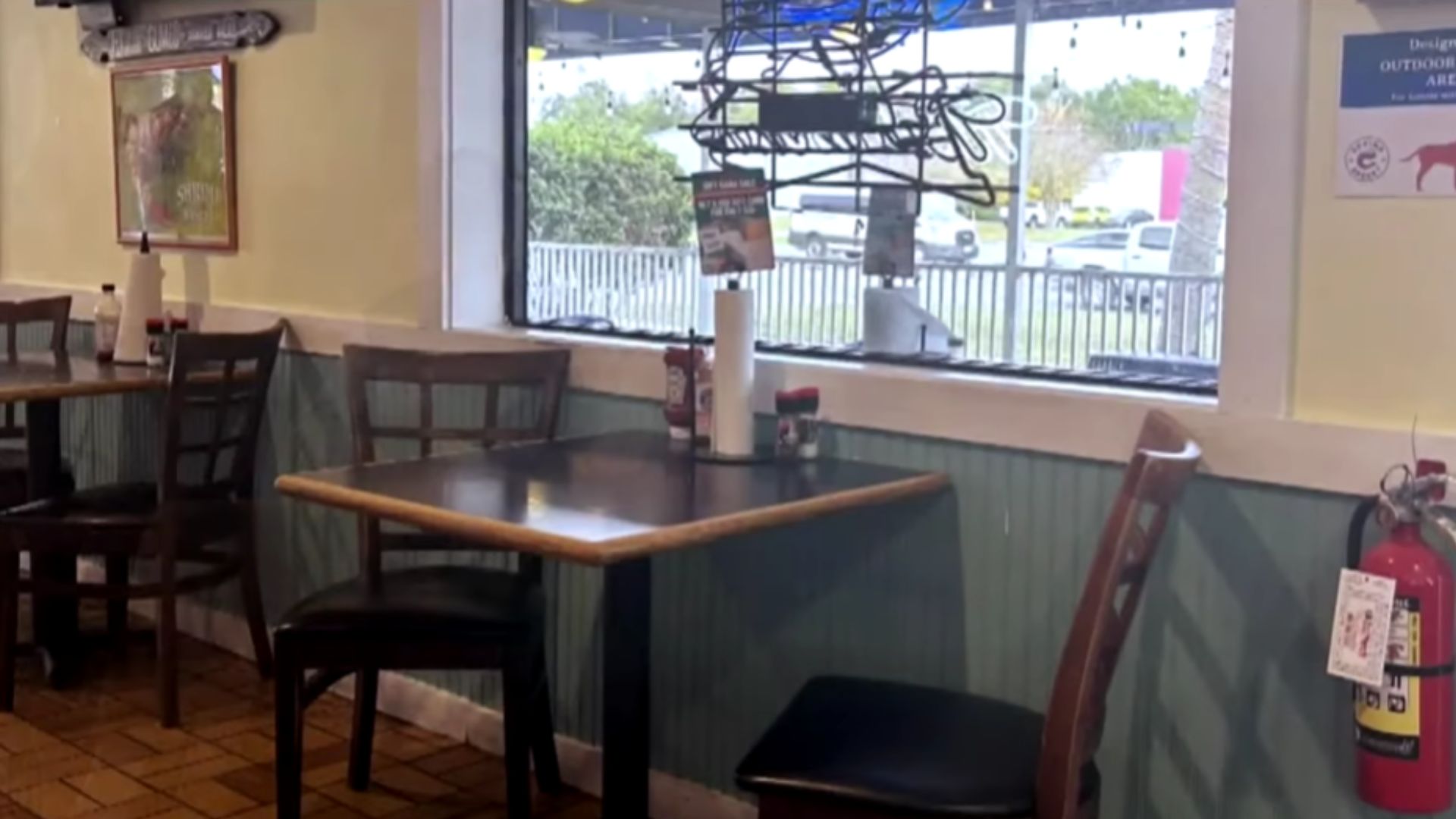
Hicks spent a week in the hospital followed by seven weeks in physical rehabilitation. Two months passed before he could move around independently again. The fall had taken a serious toll on his body. During his recovery, the restaurant staff stayed in touch, reminding him that his seat would be waiting whenever he was ready to return.
A Community Rallies
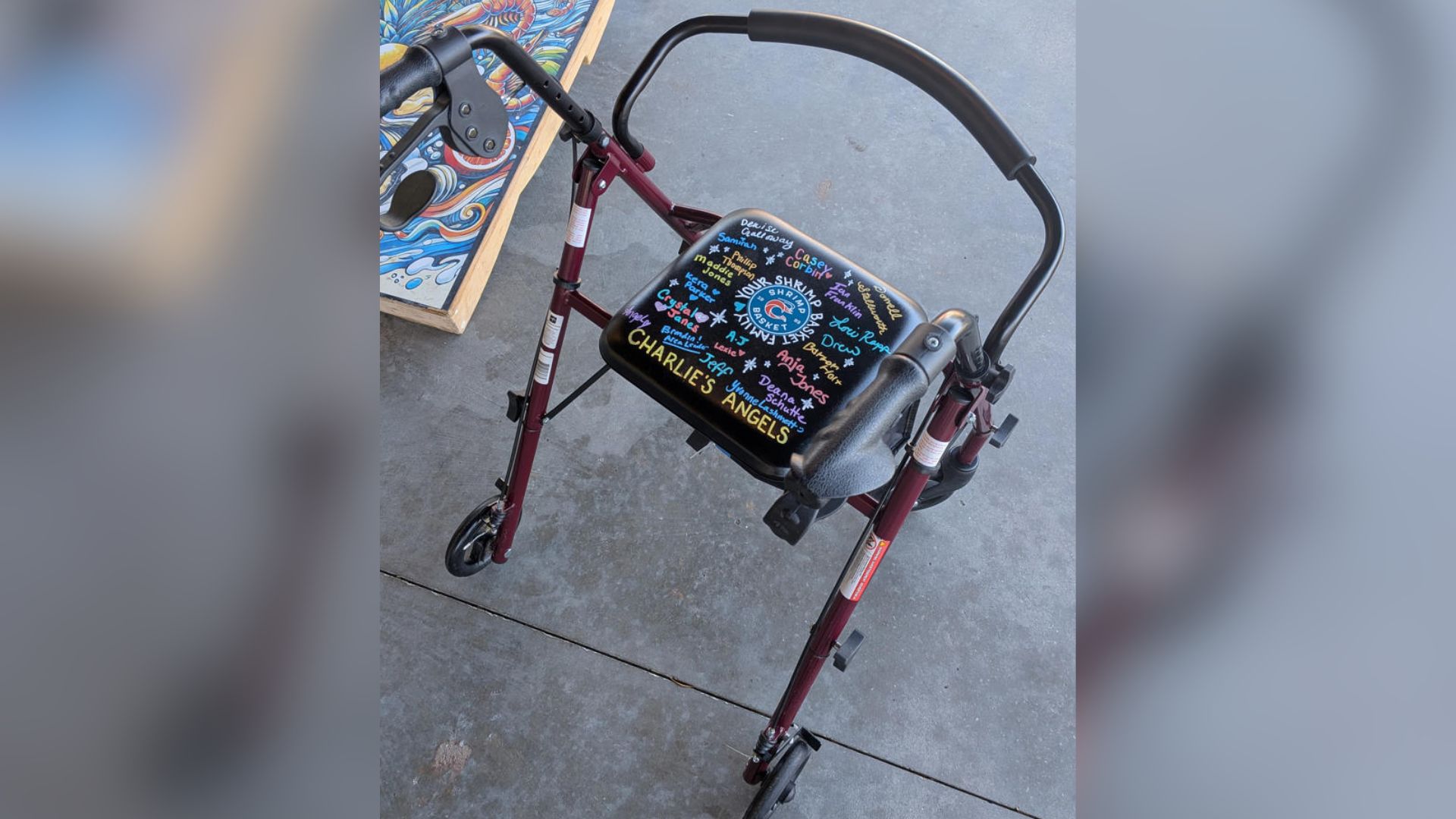
The Shrimp Basket employees signed a walker and gifted it to Hicks for his recovery. But the support didn’t stop there. General manager Casey Corbin found an empty apartment right next door to the restaurant. Hicks moved in, now living just steps from his daily gumbo and the people who’d become his family.
Gumbo for Life
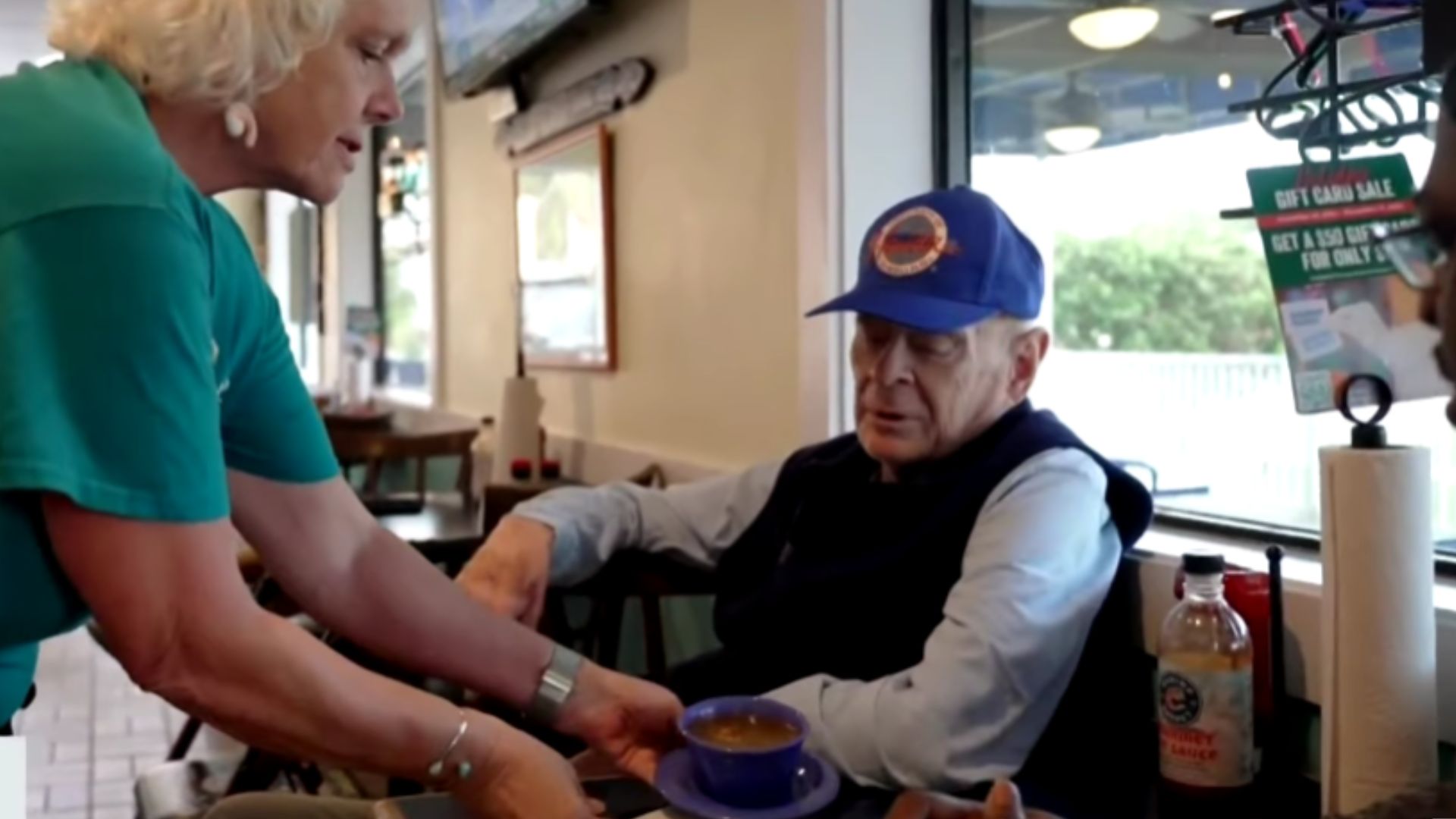
Brand president Jeff Brooks announced that Shrimp Basket would give Hicks free gumbo for life, twice daily, for lunch and dinner. The chain also launched a promotion offering free gumbo every Monday for three weeks to inspire kindness between neighbors. The first week alone saw nearly 1,000 cups given away across their 18 locations.
A Message for Others
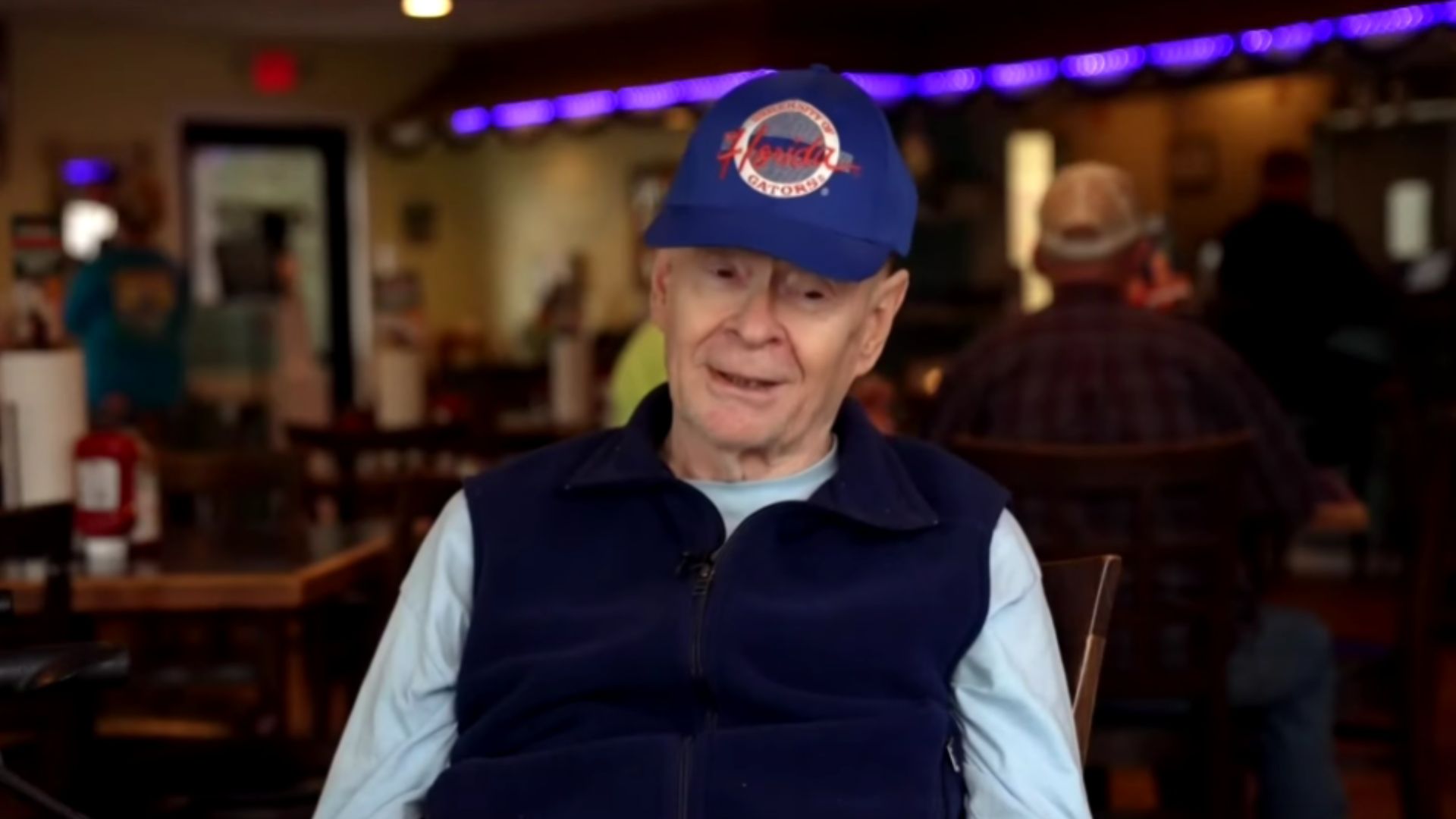
Hicks appreciated the love but wanted to highlight a broader issue. He urged people to check on elderly neighbors living alone regularly. At his age, he acknowledged needing “a little help.” His story resonated because millions of seniors face similar isolation. One simple check-in can make the difference between life and death for vulnerable individuals.
More Than Family
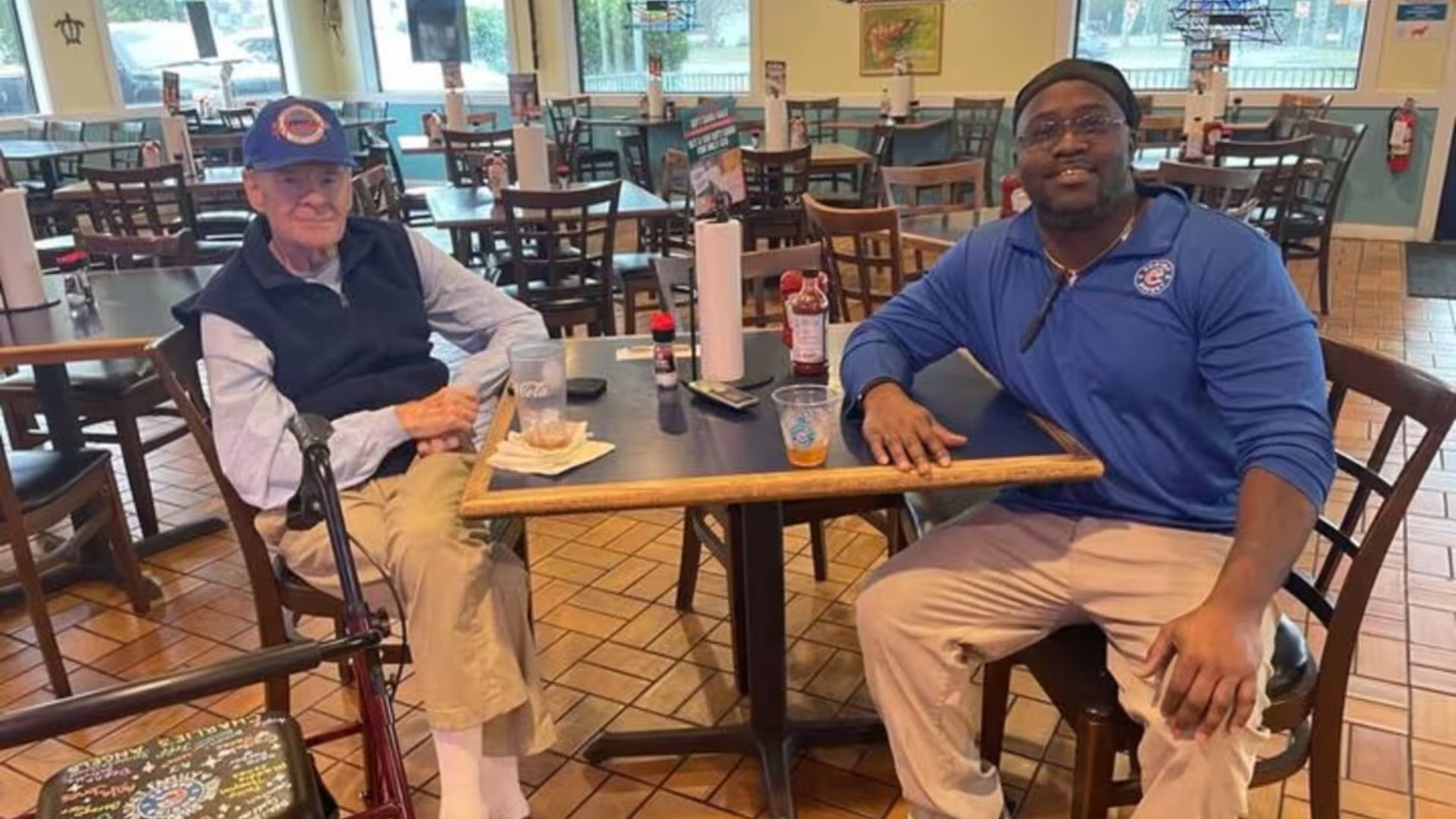
Stallworth reflected on what Hicks means to him, describing his friend as an uncle, grandfather, and best friend all rolled into one. The chef expressed gratitude for their friendship, which had evolved from casual restaurant chats into something profound. Their bond proved that family isn’t always defined by blood—sometimes it’s built over bowls of gumbo and daily conversations.
The Ripple Effect
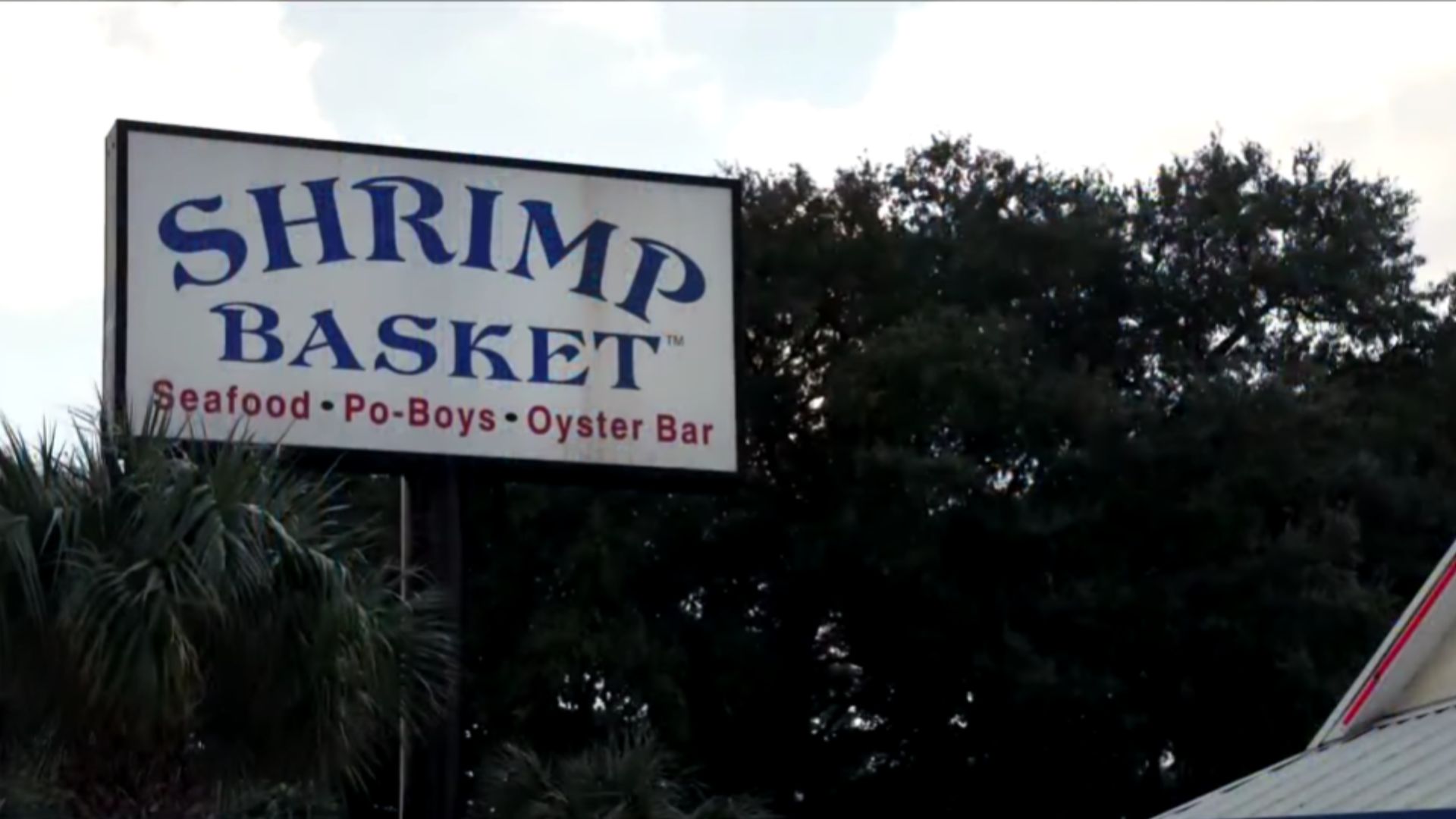
Brooks noted that Hicks, Stallworth, and the Pensacola team embodied Shrimp Basket’s mission to put people first. Their story inspired the entire restaurant chain and touched hearts nationwide, and that heroism isn’t always dramatic—sometimes it’s simply showing up, paying attention, and acting when something feels wrong. Their friendship proves that kindness and connection can flourish anywhere, even over daily gumbo.