$934 Million Deal Merges KFC and Pizza Hut Operators

In one of India’s biggest fast-food moves yet, two major franchise operators of global favorites KFC and Pizza Hut are joining forces in a $934 million merger that could reshape the country’s quick-service restaurant landscape. The boards of Devyani International and Sapphire Foods India have approved the deal, which aims to combine their operations into one powerhouse operator with thousands of locations across India and abroad.
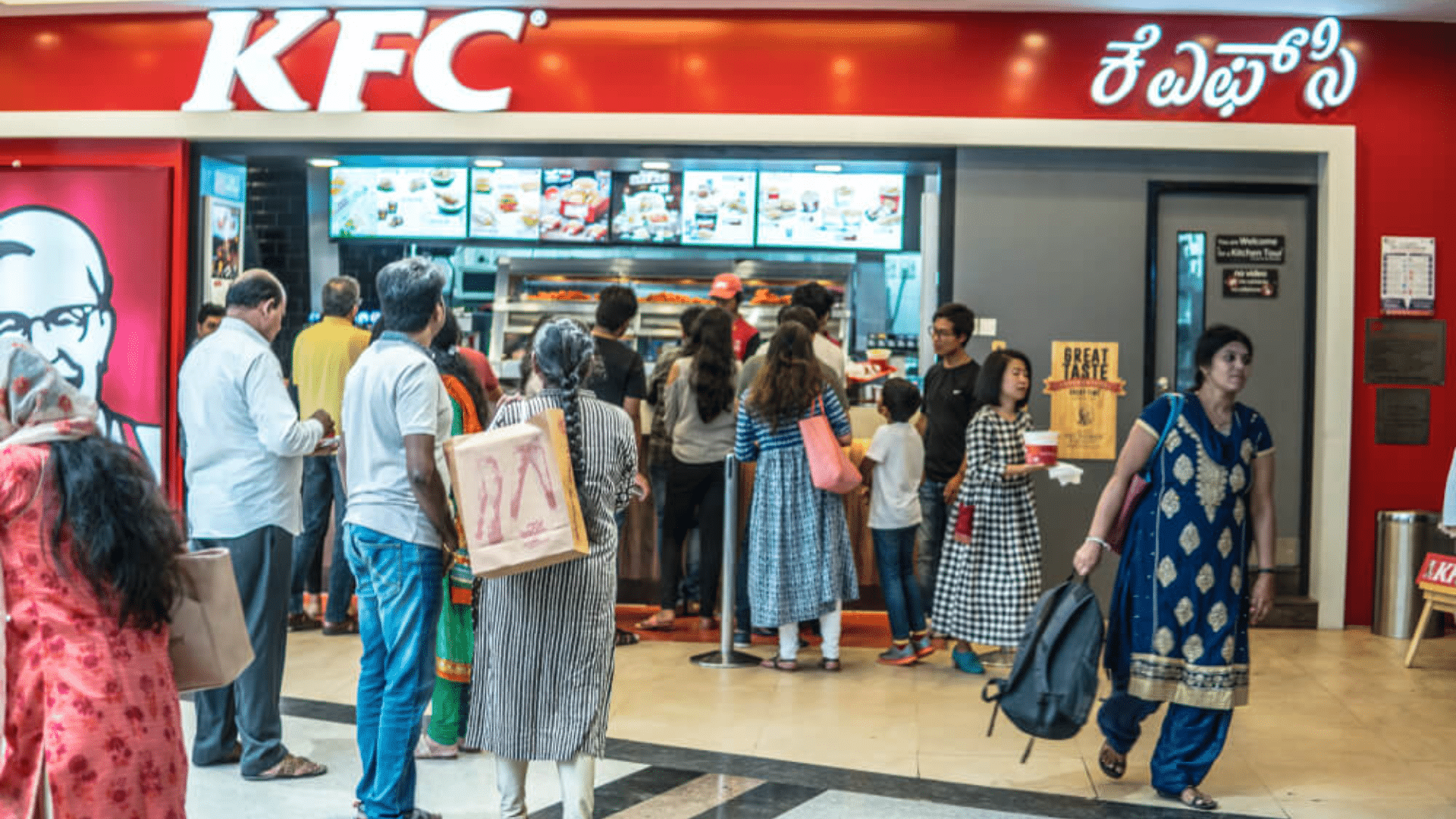
Under the terms of the all-stock agreement, Devyani will issue 177 shares for every 100 held by Sapphire shareholders, essentially making Sapphire part of the larger Devyani entity. Once complete, the merged company will run more than 3,000 outlets of KFC and Pizza Hut, making it one of the biggest quick-service restaurant (QSR) franchisees in the world’s most populous country.
The merger comes amid headwinds for India’s fast-food industry, including rising input costs, slowing same-store sales and intense competition from chains such as McDonald’s and Domino’s Pizza’s local operator, Jubilant FoodWorks. Analysts say the consolidation could help the combined business improve efficiency and scale.
Reason why the merger matters for the Indian fast-food market
By bringing together two of Yum! Brands’ biggest franchisees, the merger is expected to streamline operations and unlock cost synergies. Analysts estimate annual savings of around ₹210–₹225 crore ($23–$25 million) starting from the second full year of combined operations, driven by more efficient supply chains and shared overheads.
Both Devyani and Sapphire have faced financial pressures. In the quarter ended September 2025, Devyani reported a net loss while Sapphire’s losses widened compared to the previous year; a sign that scale and efficiency are increasingly important for survival in a competitive QSR market.
Investors reacted with mixed signals: Devyani’s shares jumped as much as 8.3% after the announcement, signaling optimism about future growth prospects, even as Sapphire’s stock edged lower. Market watchers see the consolidation as a strategic play to better compete with rivals and expand the combined footprint.
What the merger could mean for growth and competition
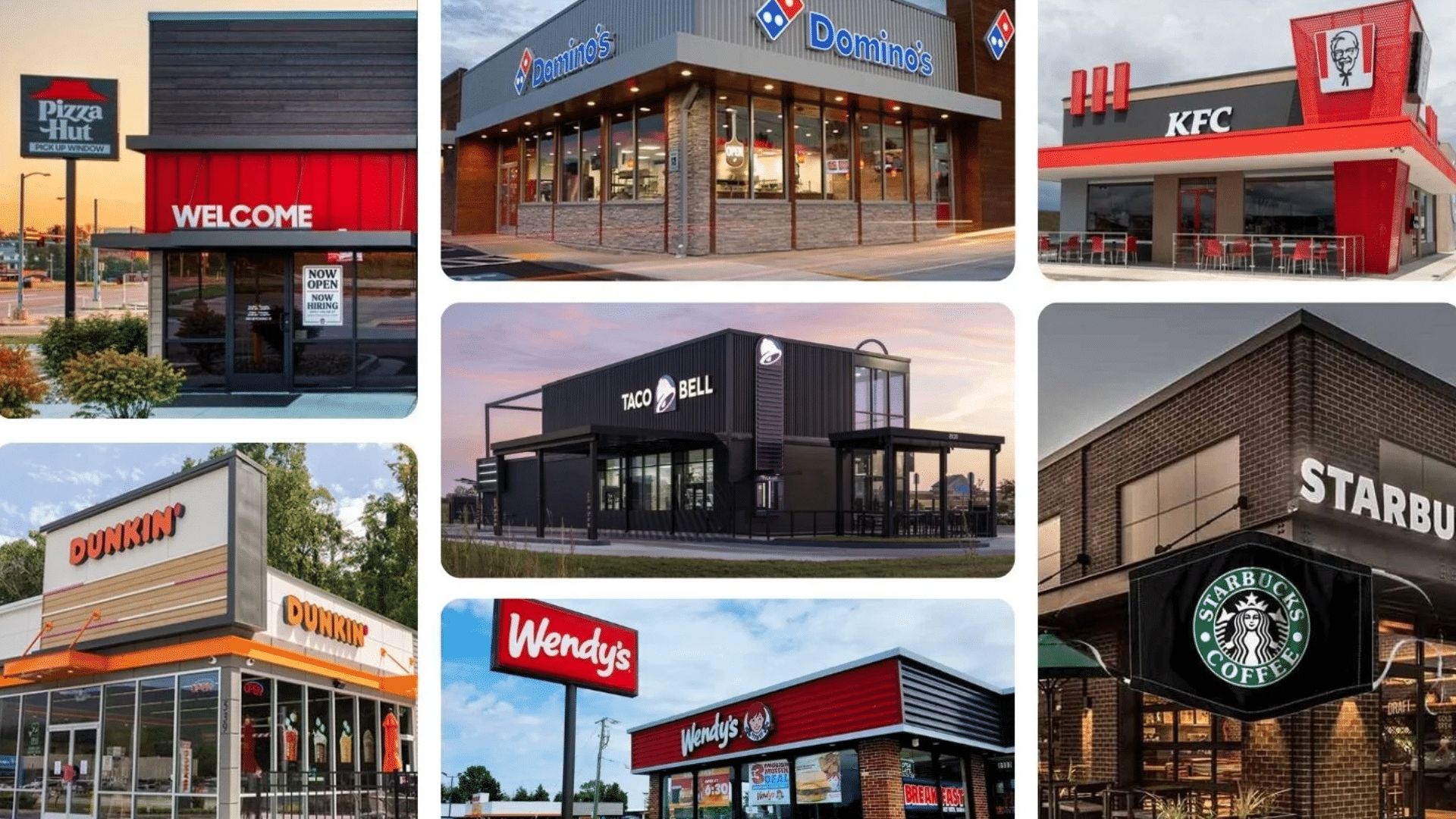
The combined entity won’t just be larger, it may be more competitive. With over 3,000 outlets in India and overseas, the new group can go head-to-head with Jubilant FoodWorks, the master franchisee for Domino’s Pizza and other brands. That’s a major shift in a market where brand presence and delivery reach matter.
The merger also opens doors for expanded market strategies, such as unified menus, shared loyalty programs, and broader negotiation power with suppliers. Industry analysts say these advantages could translate into better prices, faster expansion and more robust customer engagement across urban and smaller markets alike.
However, the deal is not final yet; it still requires approvals from regulators, stock exchanges, and other authorities, a process expected to take 12–15 months before the merger can fully take effect. During that time, both companies will operate independently.
Bigger footprint, bolder strategy for India’s fast-food future
If regulators give the green light, the new Devyani-Sapphire entity could become India’s largest Yum! Brands franchisee, cementing its leadership position in the local quick-service restaurant sector. By consolidating KFC and Pizza Hut operations under one roof, the companies hope to achieve faster decision-making and stronger brand coordination.
Industry watchers see this merger as a bellwether for future consolidation in India’s food-service industry, driven by rising costs and shifting consumer habits. With discretionary spending under pressure, scale could be the key to sustained profitability.
Whether the merged company can turn scale into long-term profitability remains to be seen. But one thing is clear: this pact marks a significant milestone in India’s fast-food history, and could be a major step in reshaping how global franchise brands compete in one of the world’s most dynamic markets.