A Major SNAP Funding Change Could Leave 42 States Scrambling to Cover the Cost

A sweeping federal overhaul of the Supplemental Nutrition Assistance Program (SNAP) could dramatically change how the nation’s largest food assistance program is funded. Beginning in federal fiscal year 2028 (October 2027), many states with high SNAP payment error rates may have to cover part of the cost of food benefits for the first time in the program’s history. Analysts say 42 states could face new financial pressure, forcing lawmakers to identify millions or even billions of dollars in additional funding while continuing to support millions of residents who rely on food assistance.
The Proposal Would Shift More Costs to States
Historically, the federal government has paid 100 percent of SNAP food benefits while states shared administrative expenses. Under the new law, states with higher payment error rates will begin paying between 5 percent and 15 percent of benefit costs, depending on their performance. States will also see their share of SNAP administrative costs increase from 50 percent to 75 percent beginning in fiscal year 2027, adding another financial challenge even before the benefit cost-sharing begins.
How the New Formula Works
The amount each state pays depends on its SNAP payment error rate, which measures incorrect benefit payments rather than fraud. States with an error rate below 6 percent will continue paying nothing toward benefits. States with error rates between 6 and 8 percent will pay 5 percent of benefit costs, those between 8 and 10 percent will pay 10 percent, and states at 10 percent or higher will pay the maximum 15 percent. Officials note that these error rates include both overpayments and underpayments caused by administrative mistakes or inaccurate case information.
California, Florida and Other Large States Could Face Enormous Costs

Some of the nation’s largest states could face the biggest new expenses if their payment error rates remain elevated. Current estimates suggest California could pay roughly $1.9 billion annually, while Florida could owe around $900 million. Other states projected to face substantial costs include Massachusetts (about $350 million), Michigan (about $300 million), Maryland (about $220 million), Colorado (about $210 million), and Arizona (about $200 million). The actual figures could change depending on future error rates before implementation.
Some States Are Exempt While Others Receive a Delay

Not every state will immediately face the new cost-sharing requirement. States with payment error rates below 6 percent, including South Dakota, Nebraska, Idaho, Iowa, Kentucky, Utah, Vermont, Wisconsin, and Wyoming, would owe nothing under the current formula. Meanwhile, jurisdictions with exceptionally high error rates, including Alaska, Delaware, Georgia, Illinois, New Mexico, Oregon, and the District of Columbia, qualify for a delayed implementation that pushes their benefit cost-sharing requirement back until at least fiscal year 2029, giving them additional time to improve program accuracy.
The Changes Do Not Take Effect Immediately

Although the law has already been enacted, the benefit cost-sharing provisions are not immediate. The higher state administrative cost begins in fiscal year 2027, while the new requirement for states to contribute toward SNAP benefits generally begins in fiscal year 2028, which starts in October 2027. States may use either their 2025 or 2026 payment error rate to determine their initial cost share, giving many governments one final opportunity to reduce errors before the financial penalties begin.
State Leaders Are Raising Concerns

Many states operate under balanced-budget requirements, meaning unexpected SNAP expenses could force difficult financial choices. Officials have warned that higher SNAP obligations may compete with funding for education, transportation, healthcare, corrections, or other essential public services. Some policy experts also worry that states could tighten eligibility rules or reduce optional SNAP services to control costs if the new financial burden becomes too large.
Supporters Say the Change Encourages Accountability
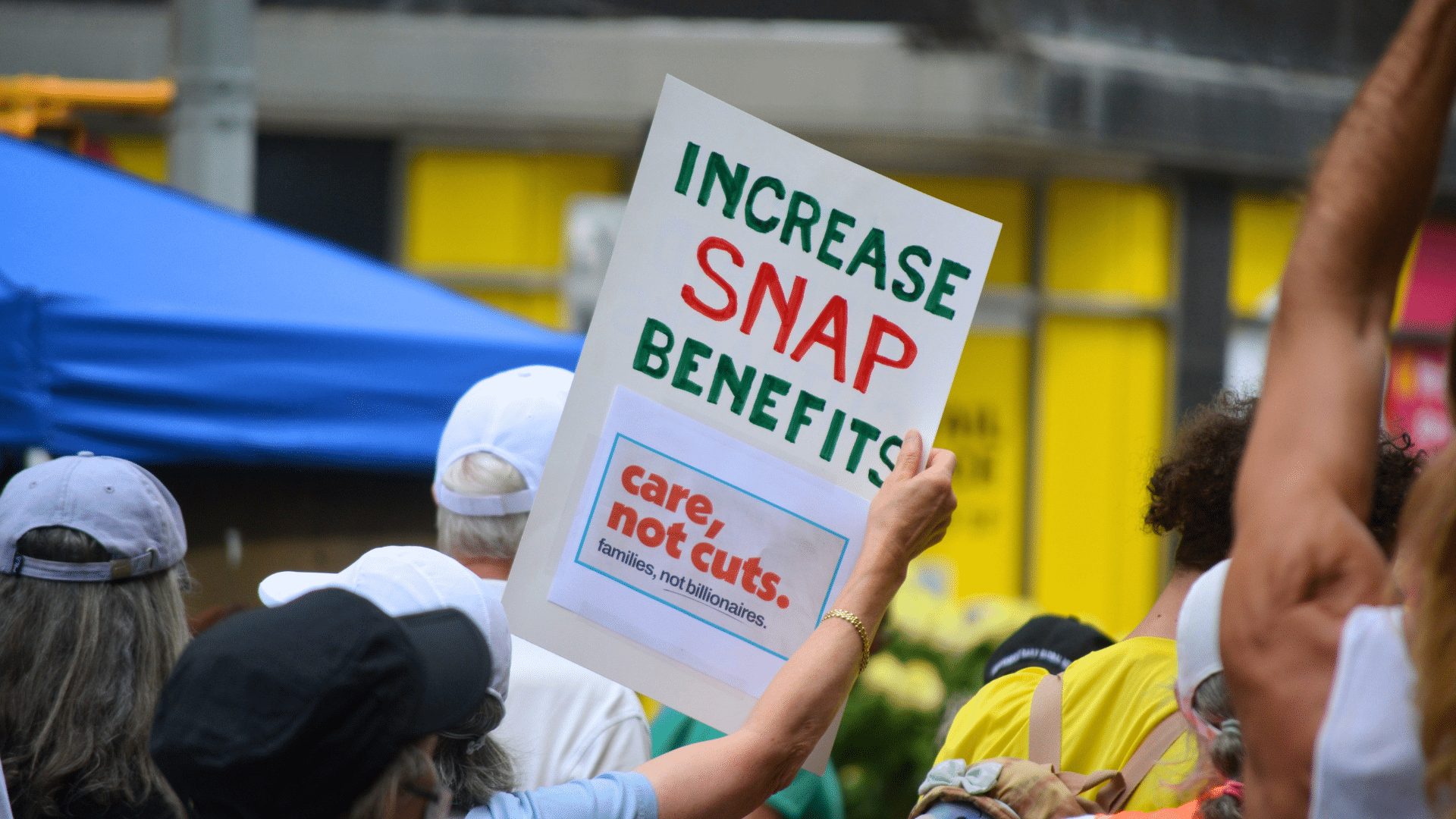
Supporters of the proposal believe requiring states to share more of the cost could improve oversight and reduce payment errors. They argue that giving states greater financial responsibility creates stronger incentives to administer the program efficiently while ensuring benefits reach eligible recipients. Federal officials also say the proposal is intended to reduce long-term federal spending.
What SNAP Recipients Should Watch Next
For now, SNAP recipients generally do not need to take immediate action, as the proposal would require implementation by states before any changes could affect program operations. However, policy experts recommend paying close attention to announcements from state agencies, as lawmakers continue debating budgets and implementation timelines. Future decisions at both the federal and state levels will determine how the funding changes ultimately affect recipients.
The Debate Could Shape SNAP for Years to Come

The upcoming SNAP funding overhaul represents one of the biggest changes to the program since its creation. With 42 states potentially facing new financial obligations beginning in fiscal year 2028, lawmakers will need to balance tighter budgets with continued support for millions of households that depend on food assistance. Whether states reduce their payment error rates, absorb the added costs, or make broader budget adjustments will shape how the program operates for years to come.

