‘A Natural Disaster for Farms’: When 80% of a Crop Fails, It Threatens Farmers’ Survival and America’s Food Supply
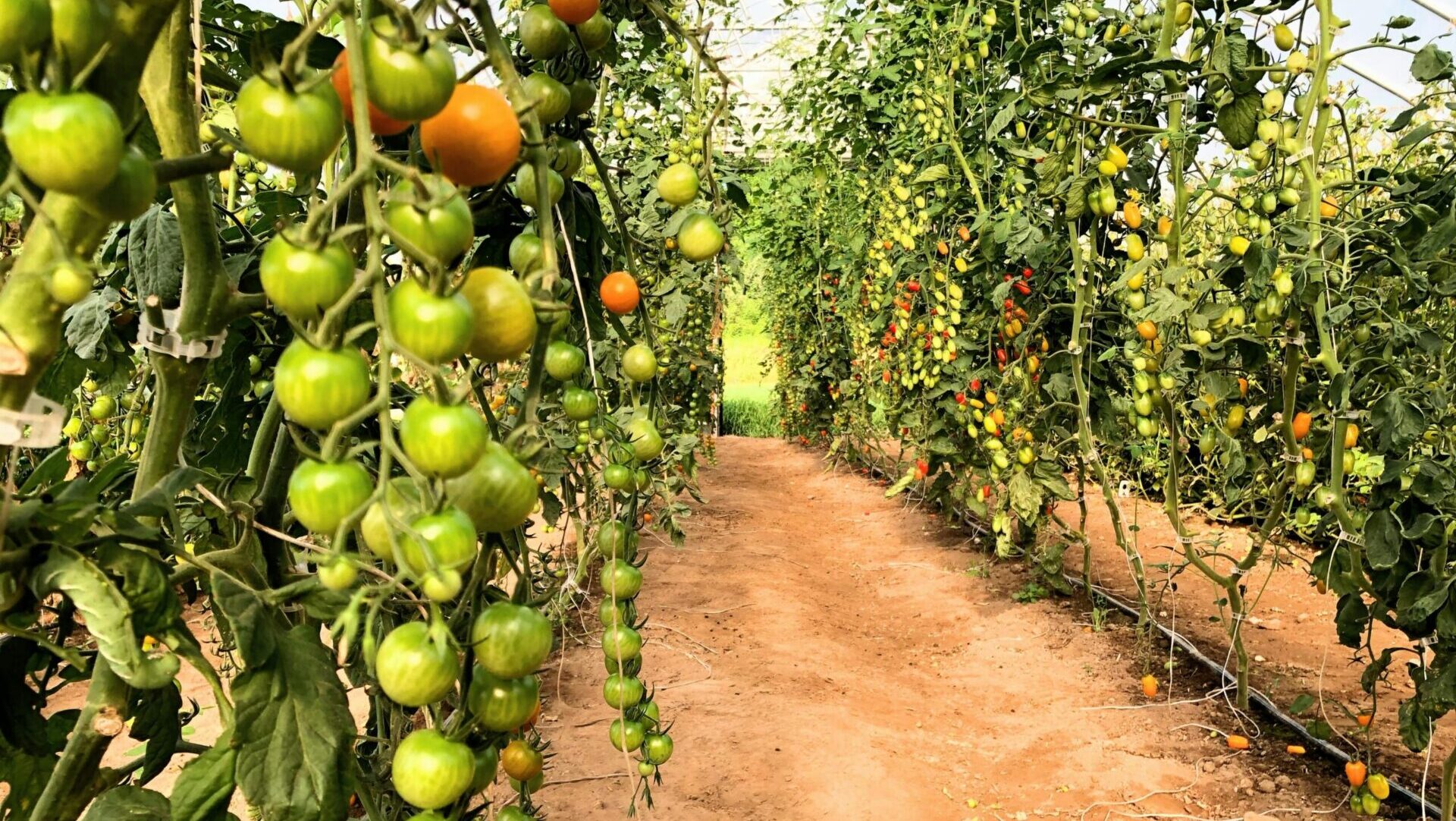

Tomato farmers in northern India are enduring one of their harshest growing seasons in years after a devastating combination of pest infestations and extreme weather wiped out much of their harvest. In areas surrounding Gaulapar, a town long associated with tomato production, what should have been a routine planting season quickly turned into an agricultural emergency.
The losses were swift and widespread. Farmers who invested months of labor, fertilizer, and irrigation watched their crops fail before reaching maturity, leaving little opportunity to recover within the same season.
This crisis reflects a growing vulnerability in agriculture, where environmental stress and biological threats intersect with little margin for error.
How Pests and Rising Temperatures Destroyed the Crop
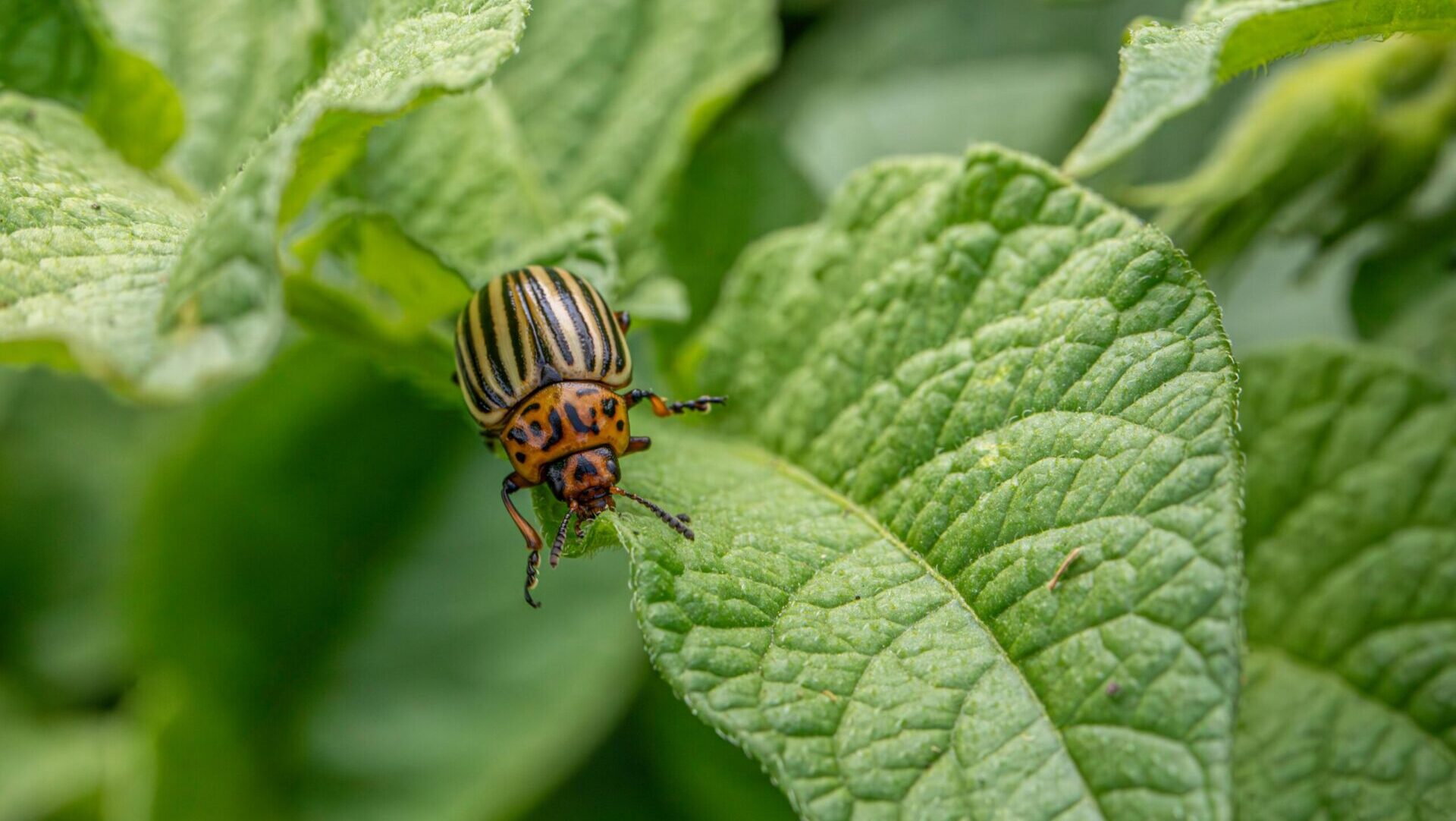
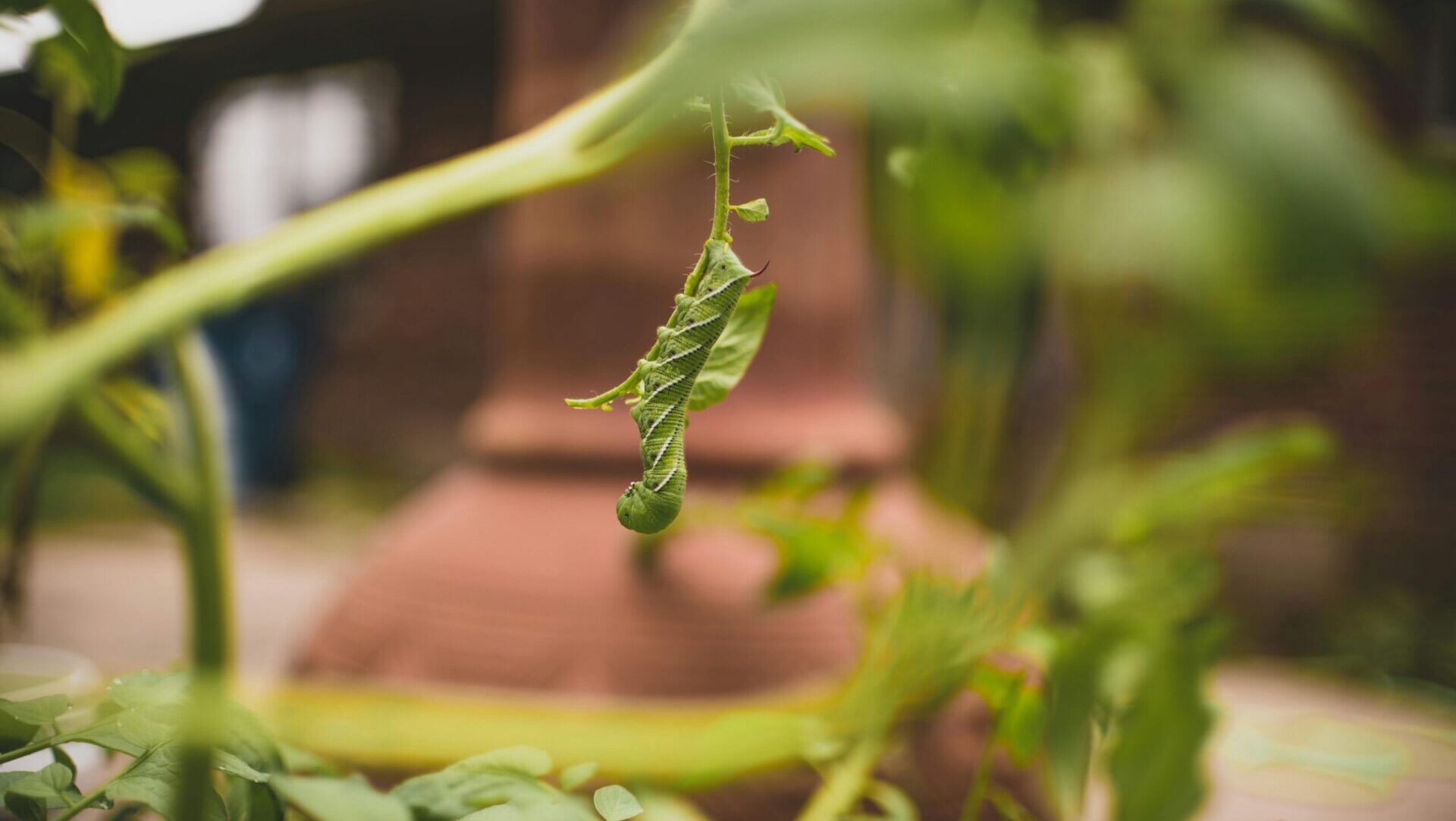
Growers in the region report that roughly 80% of cultivated tomatoes were damaged by pest infestations that spread rapidly across fields.
At the same time, unusually high temperatures during the planting phase weakened young tomato plants. Heat stress slowed early growth and reduced the plants’ natural defenses.
The combination proved disastrous. Stressed seedlings became easy targets, and traditional pest control methods offered limited protection under such extreme conditions.
Why the Loss of Tomatoes Affects Everyone
The sudden drop in tomato supply has already led to sharp price increases in local markets, affecting households that rely on the crop as a daily staple.
While higher prices can sometimes offset losses for farmers, most growers in Gaulapar have little or nothing left to sell. For them, the season has brought debt rather than profit.
Beyond the local impact, the situation echoes a global trend. Similar climate-driven crop failures have pushed up food prices in regions from Southeast Asia to Africa, revealing how fragile food systems have become.
What This Crisis Signals for the Future of Food
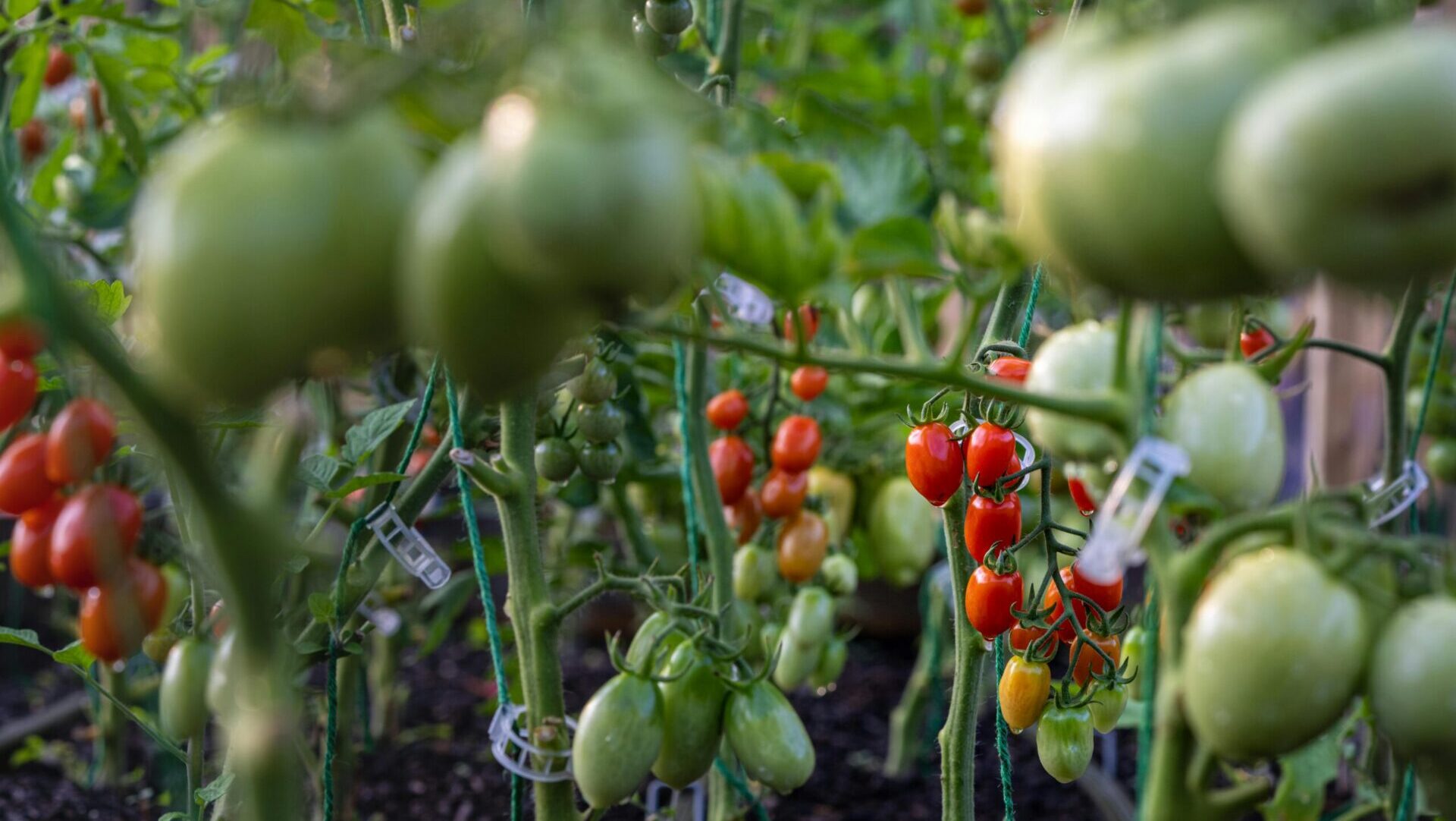
Agricultural researchers are exploring ways to help crops survive in a hotter, more unpredictable climate, including breeding plants that are more resistant to heat, drought, and pests.
Longer term, reducing greenhouse gas emissions remains critical to limiting the severity of these disruptions. Without addressing the root causes of climate instability, adaptation alone may not be enough.
For farmers in northern India, this season serves as a stark warning. As environmental pressures intensify, protecting food security will require coordinated action far beyond the fields themselves.

