A Popular Fast-Food Chain is Scaling Back, With More Closures Possible

For decades, the Jack in the Box’s iconic logo has been a late-night staple across the West and Southwest. Now, the company behind it is signaling a major pullback as rising costs and weaker consumer spending reshape fast-food economics. Executives say the goal is survival and simplification, not expansion.
Hundreds of Closures on the Table
On April, Jack in the Box has announced plans to close up to 150–200 underperforming locations over the next two years. Between 80 and 120 restaurants are expected to shut down by the end of this year alone, depending on franchise agreements. The company currently operates about 2,200 locations across 22 states, with nearly half concentrated in California.
The “JACK on Track” Reset
The closures are part of a broader restructuring strategy called “JACK on Track.” Newly appointed CEO Lance Tucker, who stepped into the role in late March, said the plan focuses on accelerating cash flow, reducing debt, and returning to a simpler operating model. Company leadership framed the move as a financial reset rather than a retreat.
Already More Than 70 Stores Gone
The scaling back isn’t hypothetical. By late summer, more than 70 Jack in the Box locations had already closed, according to company disclosures and earnings reports. Additional closures were reported through the fall, putting the chain on pace to meet its year-end targets.
Sales Pressure and Rising Costs

Financial filings show why the company is acting now. Jack in the Box reported a 7.4% year-over-year sales decline in the fourth quarter of fiscal 2025 and an $80.7 million net loss for the full fiscal year. Executives pointed to higher beef prices, fewer customer visits, and mounting debt as key pressures.
Franchise Geography Shapes the Impact
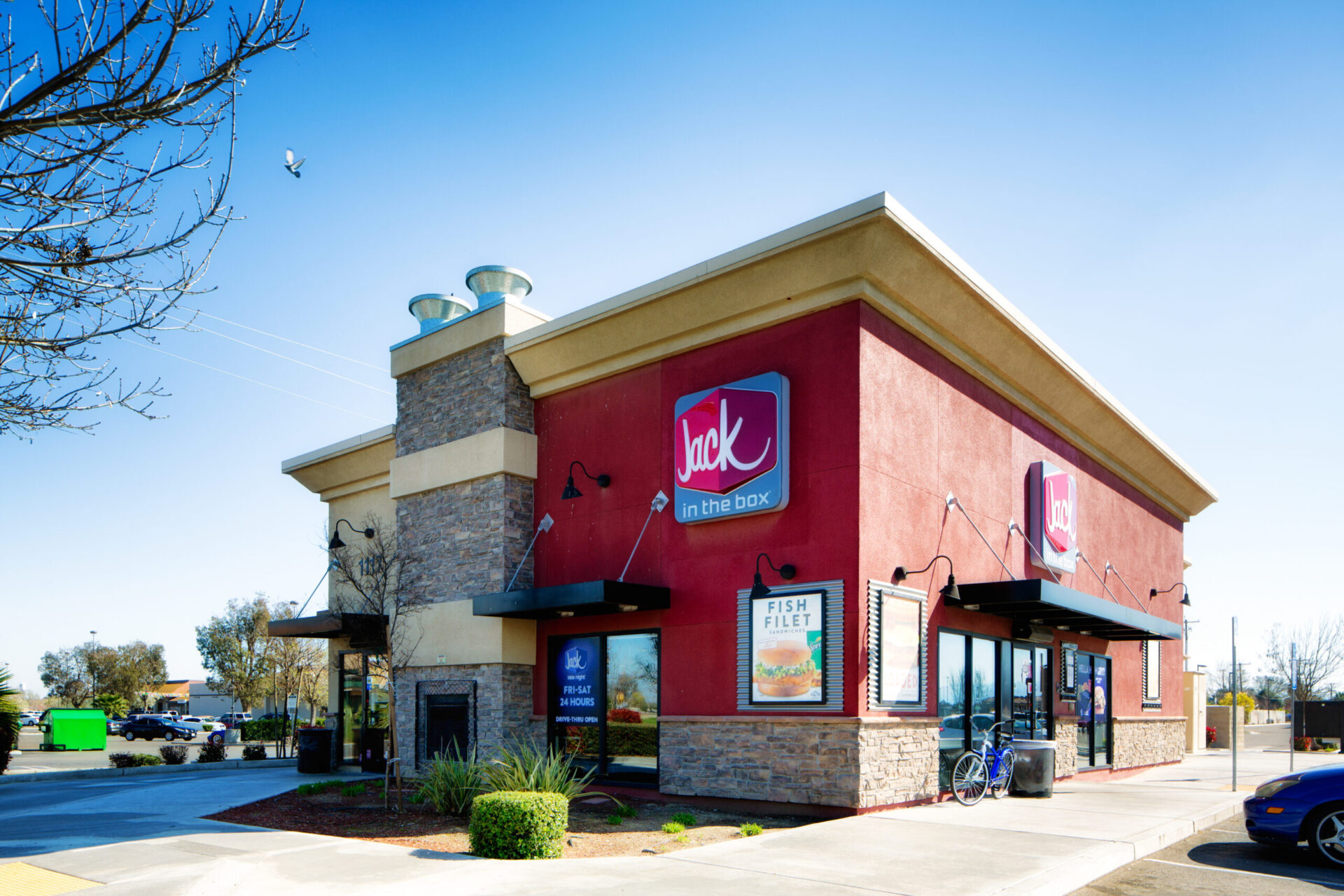
Most closures are expected to hit older, lower-volume stores, particularly in saturated markets. California alone accounts for 942 Jack in the Box locations, roughly 43% of the chain’s footprint, making it a focal point for consolidation. The company has not released a public list of affected restaurants.
A Broader Fast-Food Slowdown
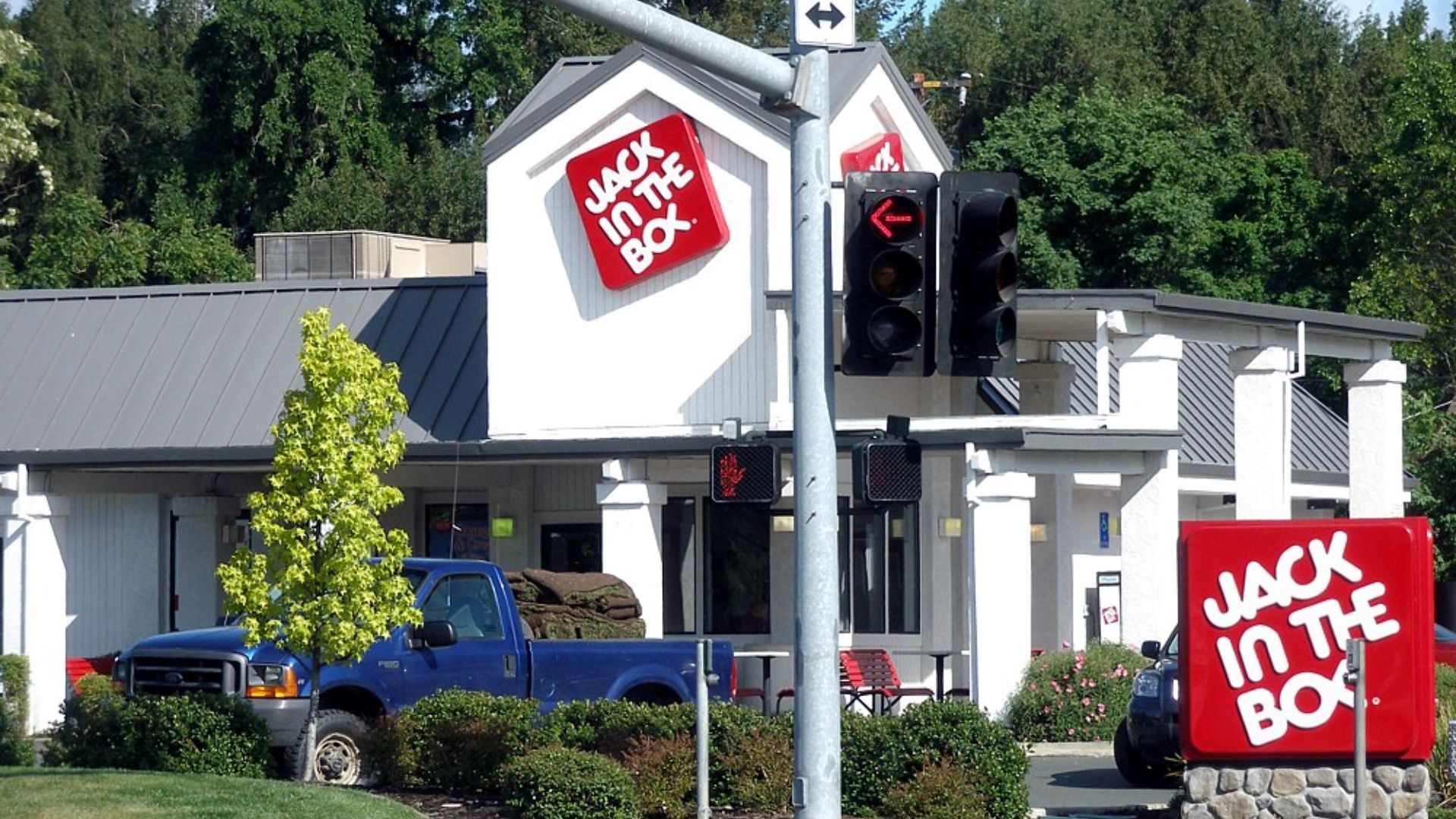
Jack in the Box’s pullback mirrors a wider trend across the restaurant industry. As inflation squeezes household budgets, consumers are cutting back on discretionary spending, even on traditionally affordable fast food. Analysts note that store closures have become increasingly common across national chains.
Del Taco No Longer the Priority
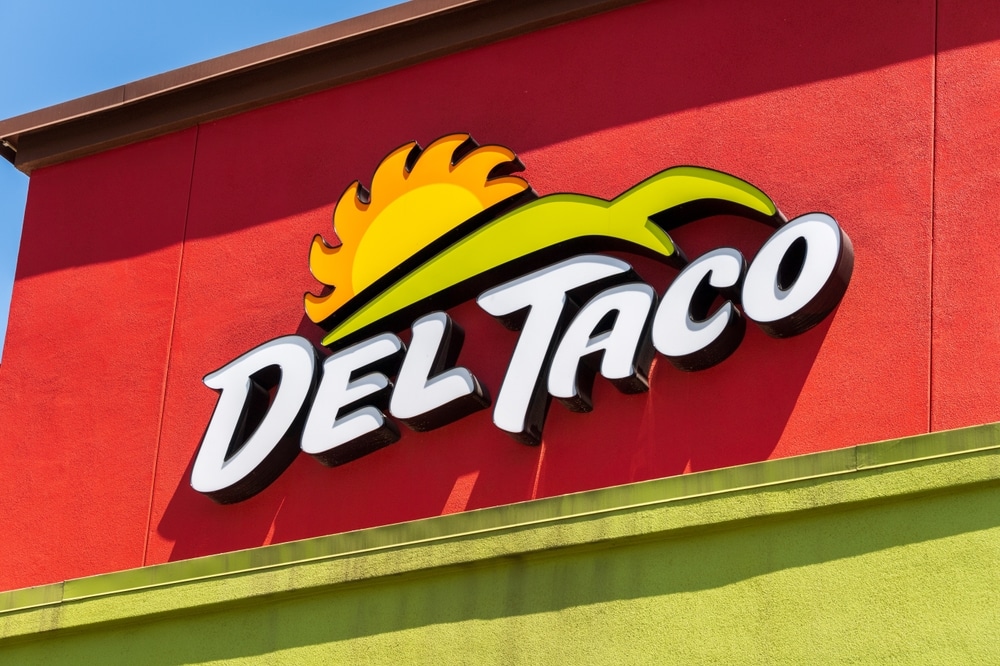
The company is also distancing itself from Del Taco, the Mexican-inspired chain it acquired in 2022. Jack in the Box has explored selling or divesting the brand, with leadership acknowledging that Del Taco’s performance is unlikely to meaningfully boost the parent company’s bottom line
A Shift Toward Fewer, Stronger Stores
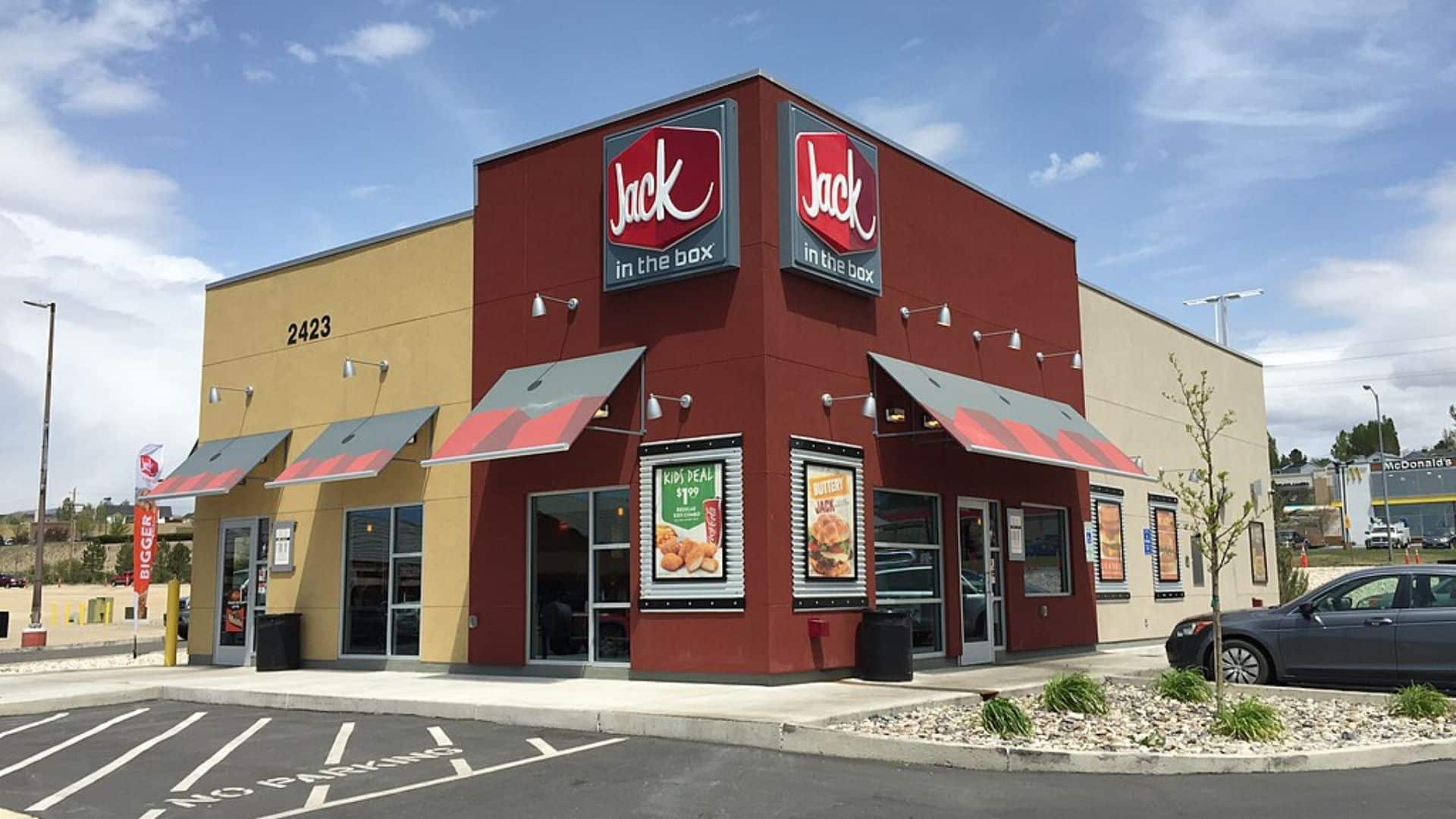
Rather than chasing rapid growth, executives say the focus is now on store-level profitability. Closing weaker locations allows the company to reinvest in technology upgrades and restaurant reimaging at remaining sites. The strategy reflects a shift toward efficiency over expansion.
What Comes Next
Jack in the Box has made clear that more closures remain possible as franchise agreements come up for renewal. For customers, that could mean fewer locations—but potentially more stable ones. For the fast-food industry, it’s another sign that even long-standing brands are being forced to adapt.