A Tariff Plan Could Double the Price of Generic Drugs Starting in 2028
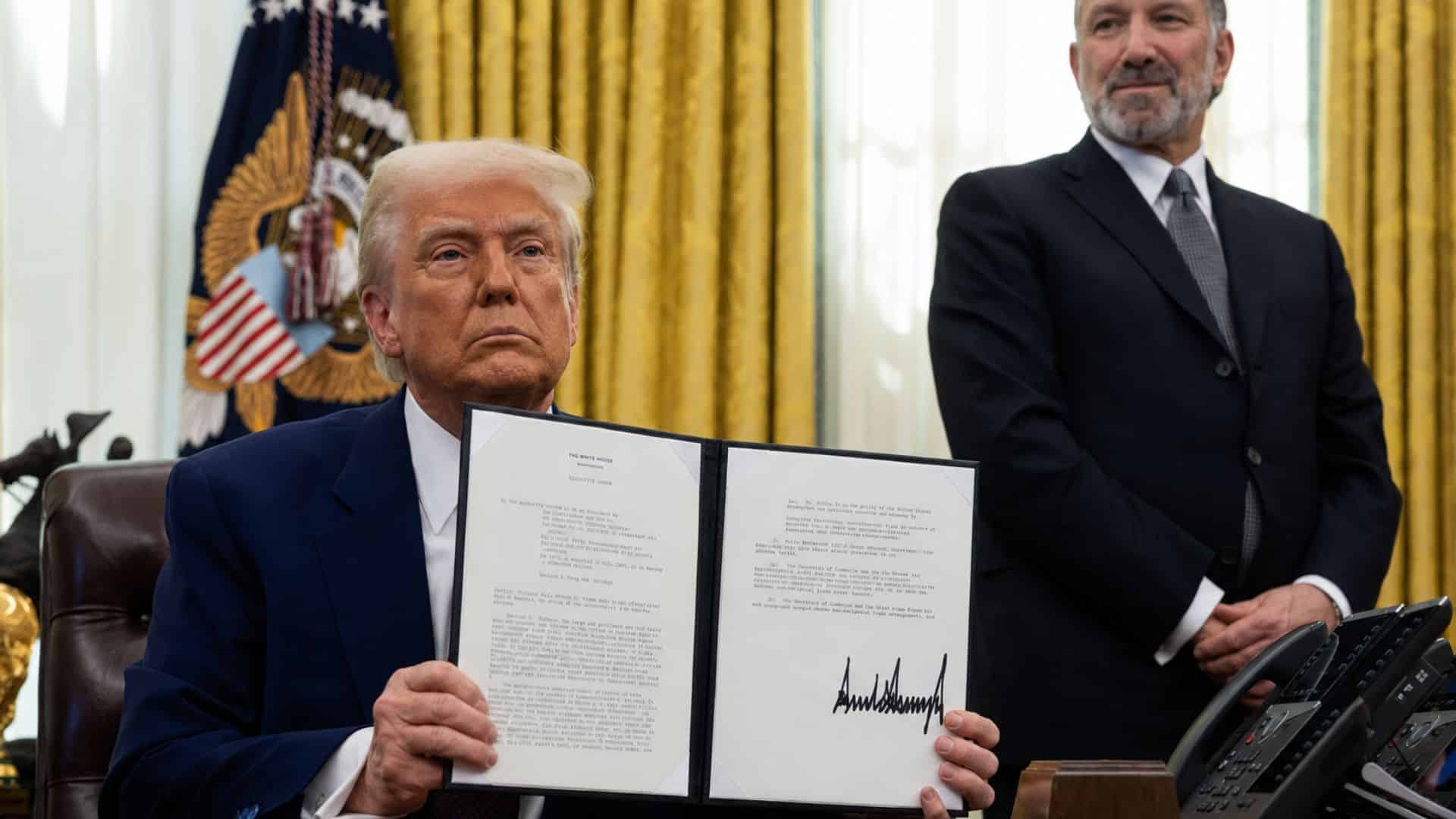

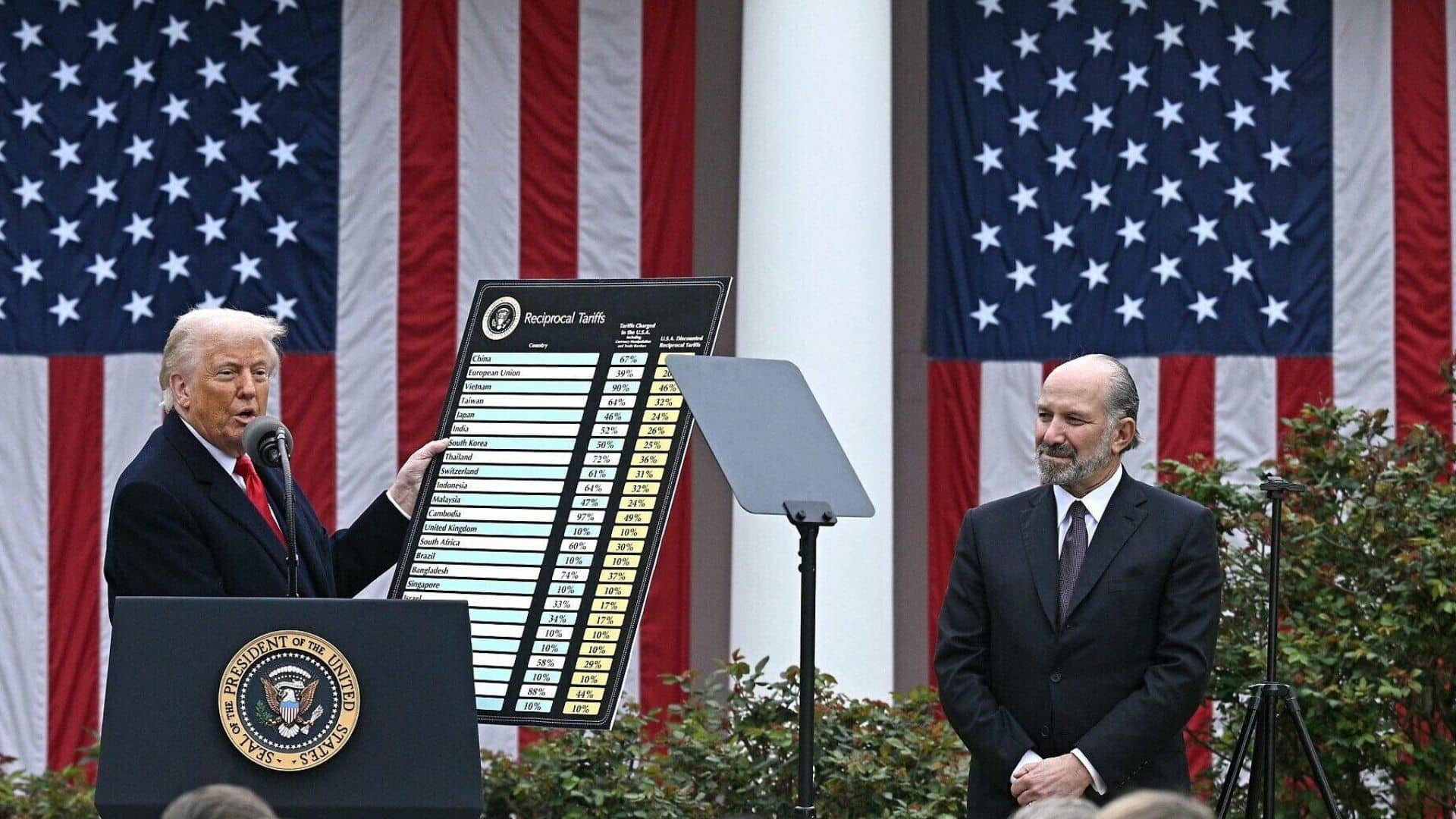
In a social media post that caught the pharmaceutical industry off guard, President Trump laid out a tariff timeline that could reshape what Americans pay for the pills already in their medicine cabinets. Generic drugs, which fill nine out of ten prescriptions in the U.S., would face a 100% import tax starting in August 2028, then climb to 200% a year later. The stated goal: force manufacturers to build factories on American soil, or pay steeply for staying overseas.
Generic Pills Cost $4. Brand-Name Versions Cost $157
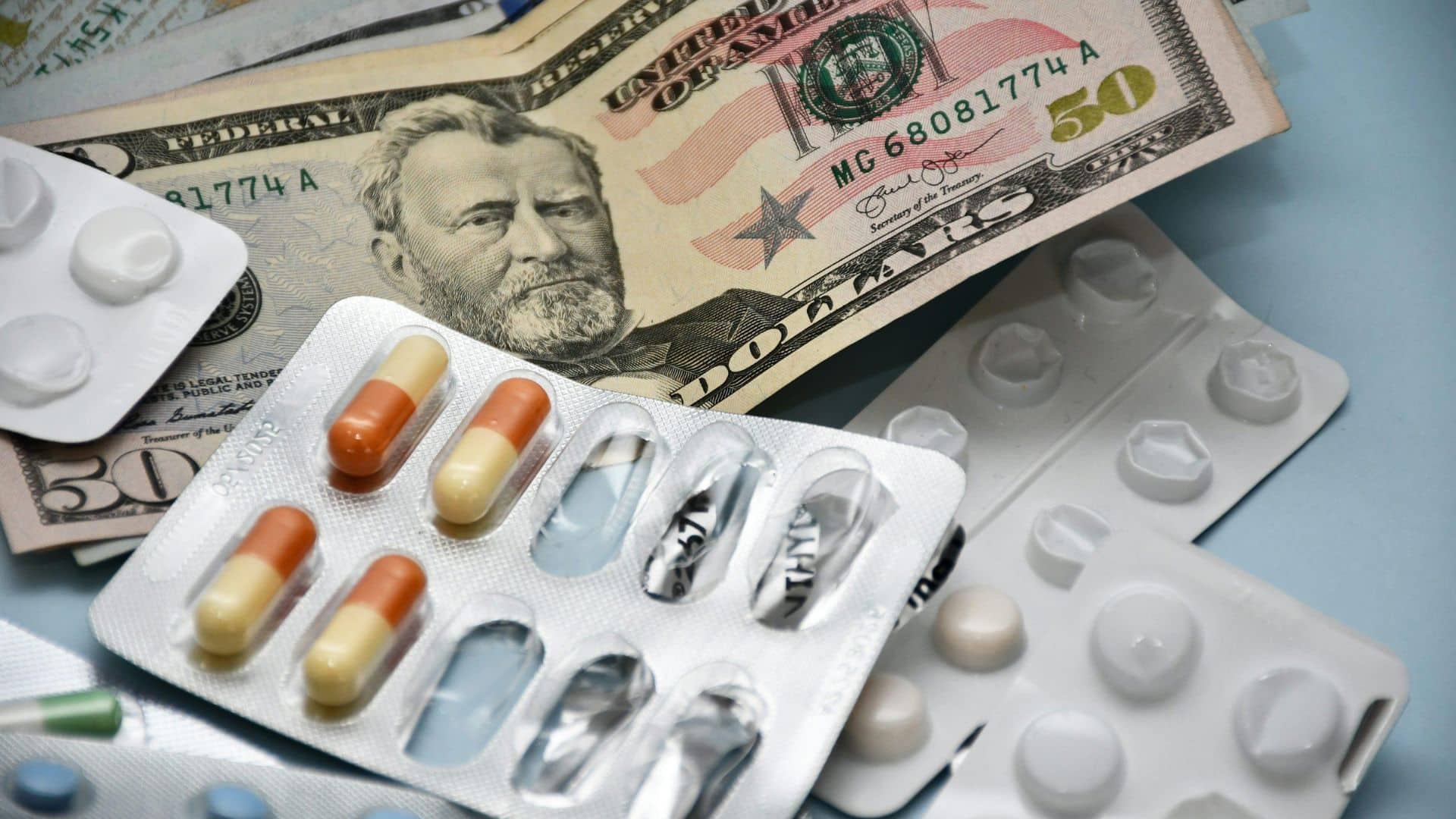
Generic drugs are built from the same active ingredients as brand-name medications, sold at a fraction of the price. Robin Feldman, a University of California Law San Francisco professor who studies drug markets, found the average generic dose costs $4. The brand-name equivalent costs $157 once rebates are factored in, according to her review of claims from one million Medicare patients spanning 2005 to 2019. That gap explains why generics dominate American medicine cabinets.
Nine in Ten U.S. Prescriptions Are Generic
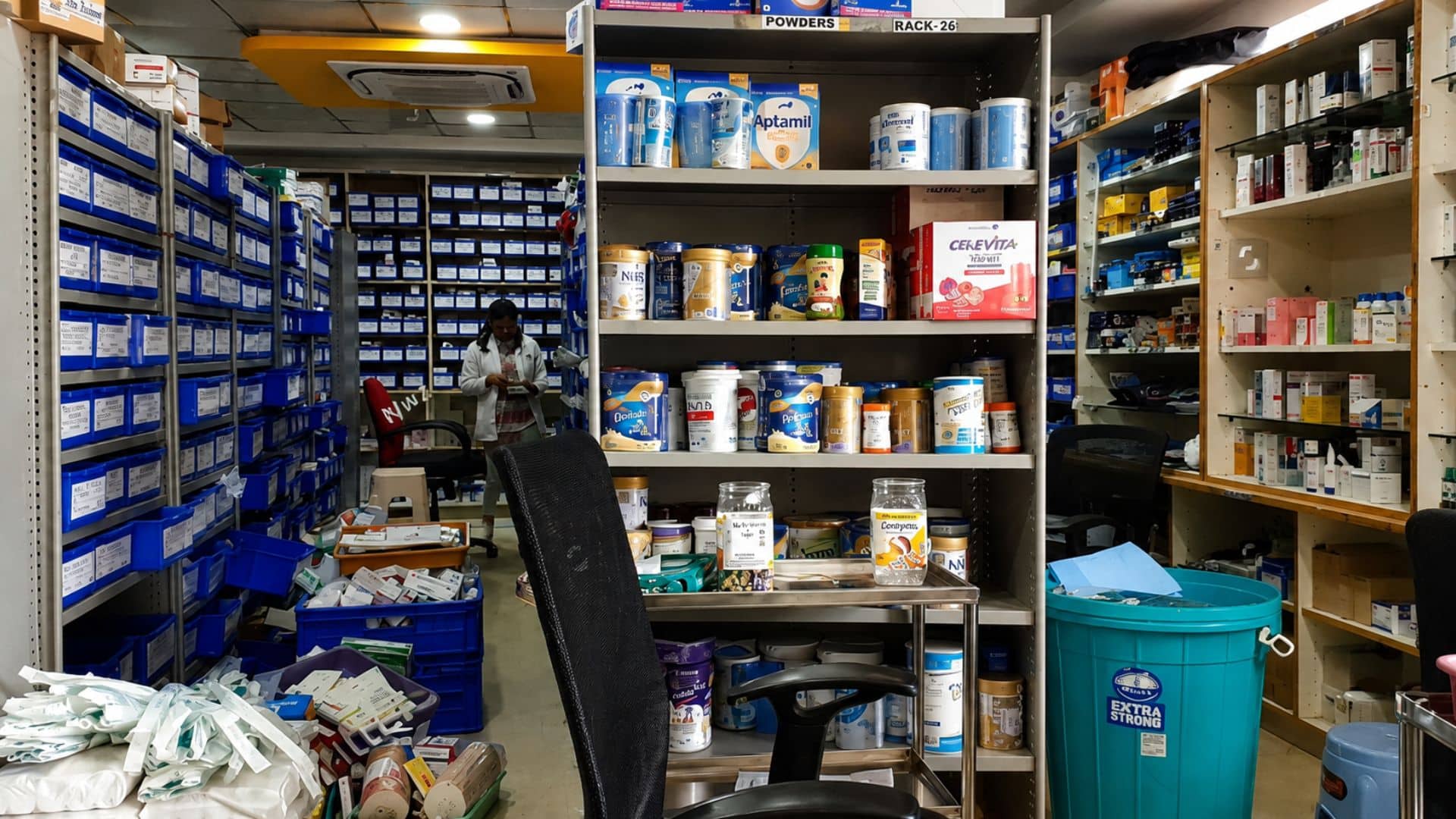
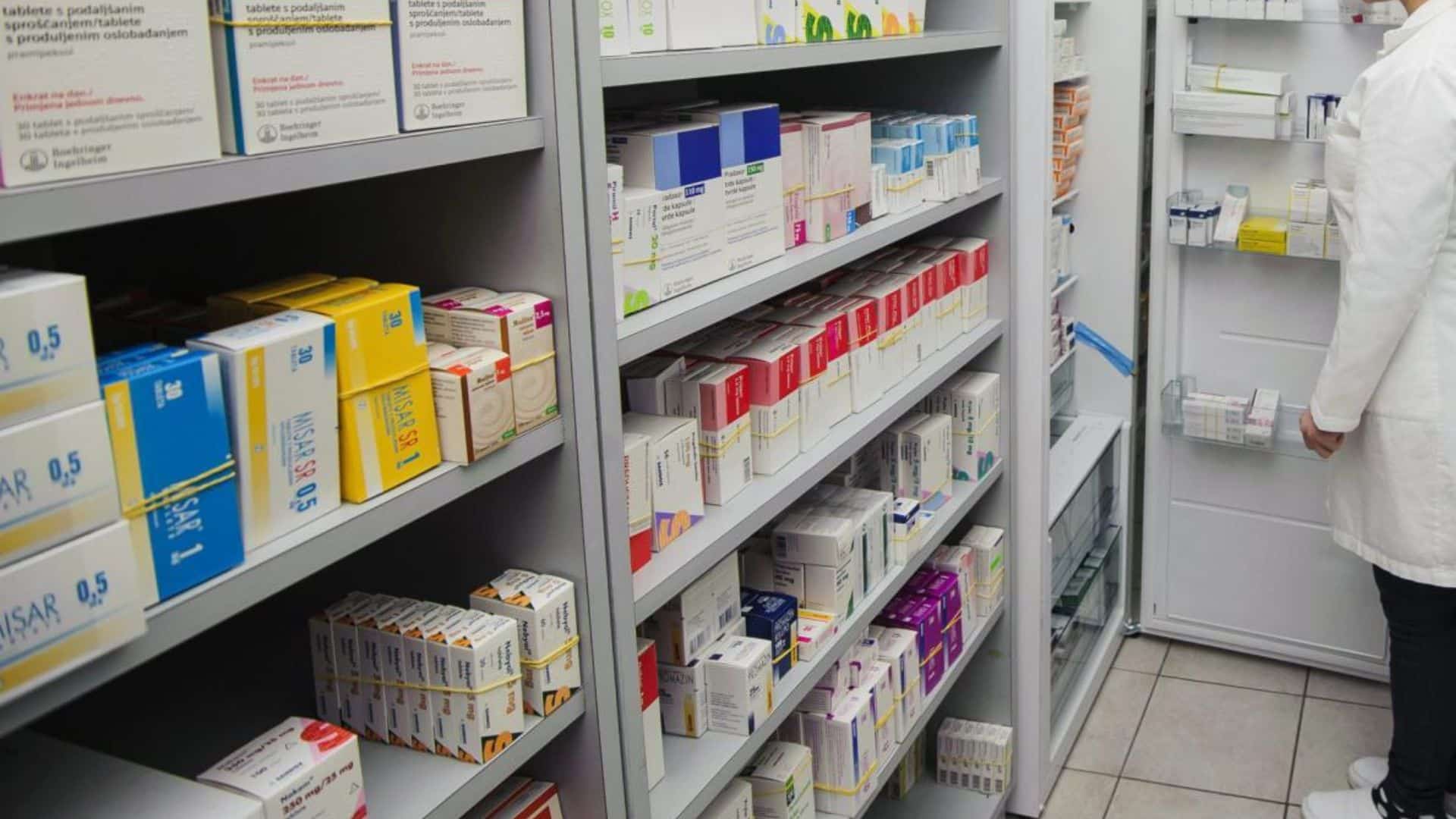
The scale here is enormous. Generic drugs account for more than 90% of all prescriptions filled in the United States, according to the Food and Drug Administration. This isn’t a niche corner of the pharmaceutical market. It reaches into daily routines for blood pressure medication, antibiotics, insulin and dozens of other treatments millions of Americans take without a second thought. A tariff at this scale touches nearly every household with a prescription.
India Supplies Half of America’s Generic Drug Stockpile
Much of that supply chain runs through Asia. India supplies roughly half of the generic drugs sold in the U.S., according to a 2025 Senate Committee on Aging report. That same report found about 80% of the active ingredients Indian manufacturers use are themselves sourced from China, layering one foreign dependency on top of another. China also directly supplies a large share of common generics, including the vast majority of America’s ibuprofen and acetaminophen imports.
A Two-Year Grace Period Comes Before the Tariffs Bite
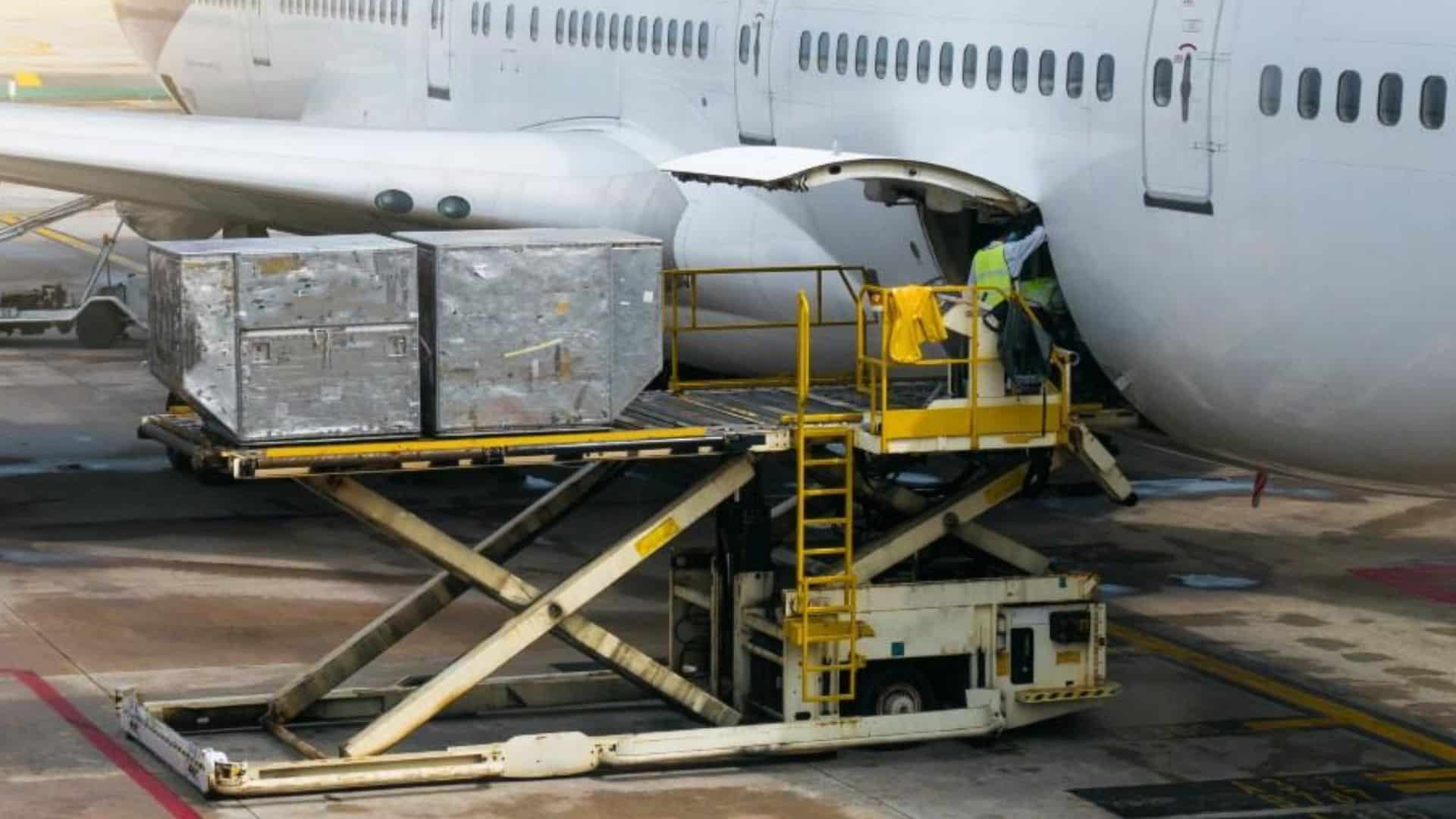
The plan isn’t immediate. Generic drugs will carry a zero tariff for two years starting August 1, 2026, giving manufacturers a window to relocate production. Only after that grace period ends does the 100% tariff take effect in August 2028, climbing to 200% in August 2029. Trump described the escalating rate as a penalty aimed squarely at companies that don’t break ground on U.S. plants within the allotted time.
Building a Pharmaceutical Plant Takes Longer Than Two Years
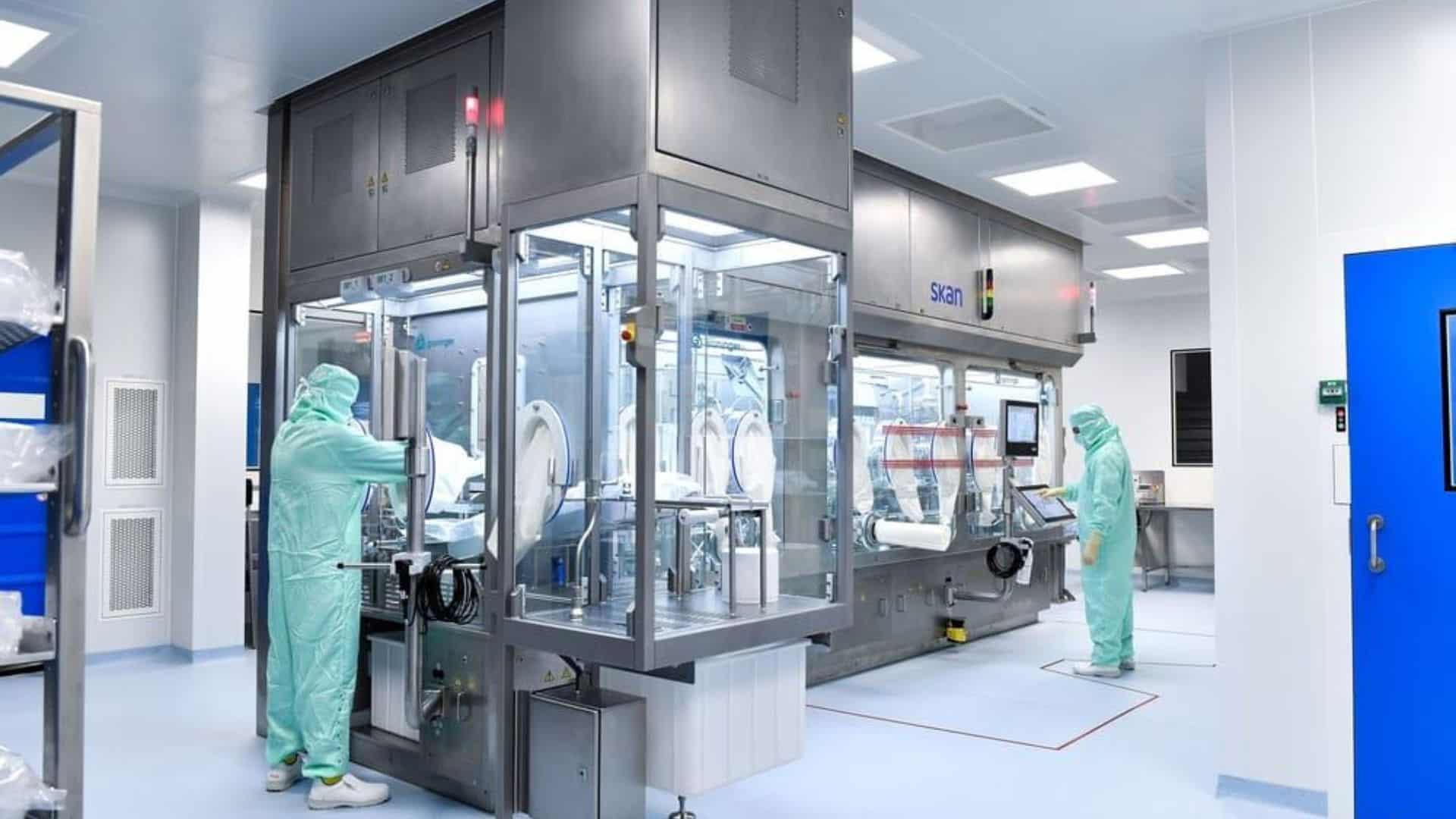
The timeline creates a mismatch industry analysts have flagged repeatedly. Constructing and validating a new pharmaceutical manufacturing facility in the U.S. typically takes considerably longer than the two-year runway the administration has offered. That gap raises a hard question for generic drugmakers: absorb tariffs they can’t avoid in time, pass rising costs to patients, or exit the American market altogether rather than gamble on a factory that won’t be ready when the deadline arrives.
“Tariffs Are Most Effective When Threatened, Not Applied”
Feldman described the announcement as a message rather than a guarantee, telling TIME that tariffs work best when they push behavior without ever being enforced. Her read: the administration is telling generic drugmakers to manufacture domestically or sell elsewhere. Even so, she noted that generics would remain far cheaper than brand-name drugs even if prices doubled under the full tariff, since the starting price point sits so much lower.
“Millions of Americans” Could Lose Access, Advocate Warns
Not everyone shares Feldman’s relatively measured framing. Merith Basey, CEO of the advocacy group Patients For Affordable Drugs, warned that imposing steep tariffs on generic medicines risks making the low-cost drugs millions of Americans depend on more expensive and harder to reach. Some experts share a related fear: that manufacturers facing high tariffs simply abandon the U.S. market rather than relocate, triggering shortages of medications patients already struggle to access.
Nearly Half of American Adults Already Struggle to Afford Medicine
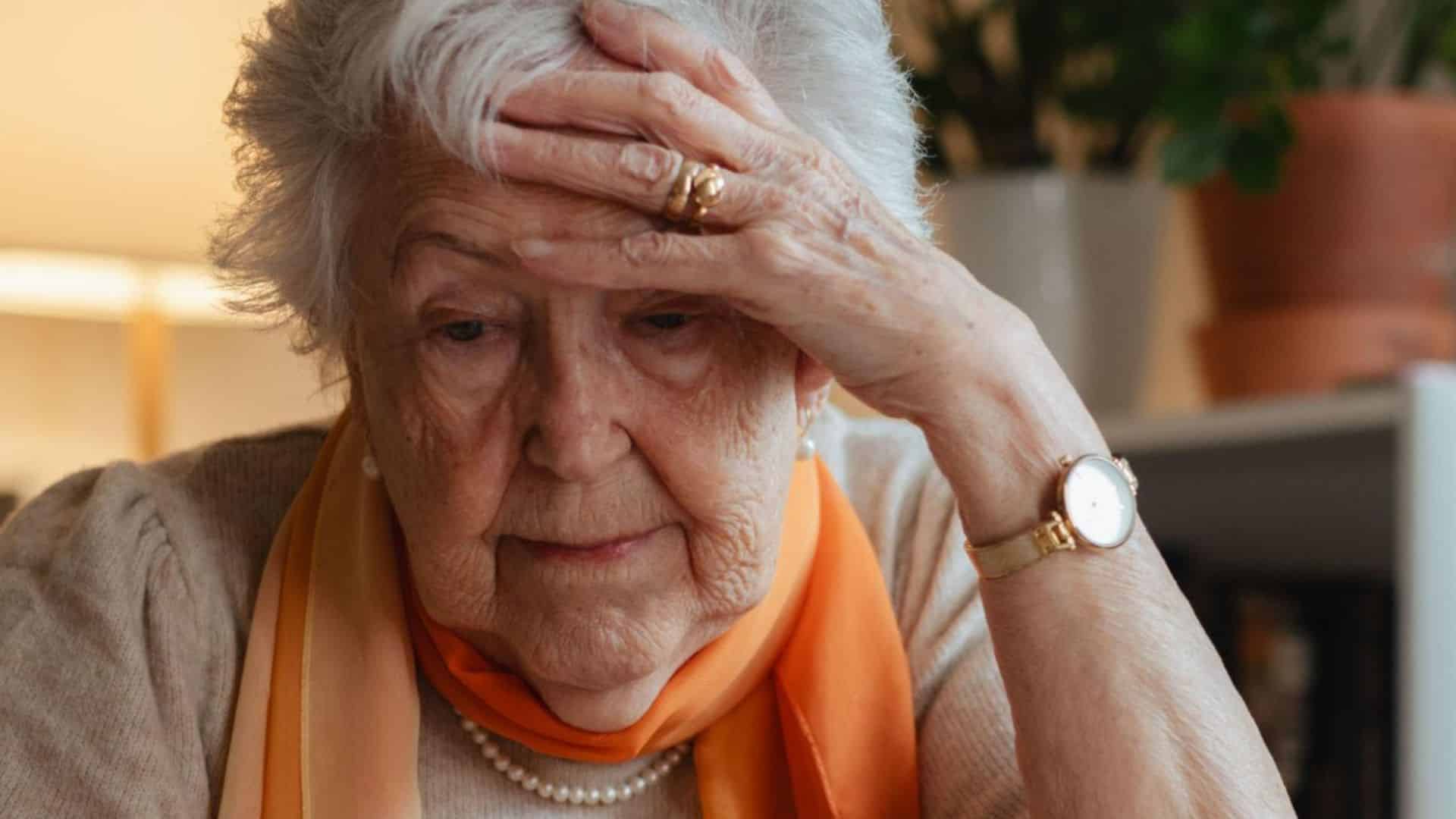
The tariffs would land on a population already stretched thin. Close to half of U.S. adults say it’s difficult to afford health care costs, and more than 40% report skipping a prescribed medication in the past year because of price, according to recent KFF polling. The country has also weathered repeated generic drug shortages in recent years, a pattern this new tariff structure could deepen rather than resolve if manufacturers retreat from the U.S. market.
The Deadline Is 2028. The Industry’s Response Isn’t Written Yet
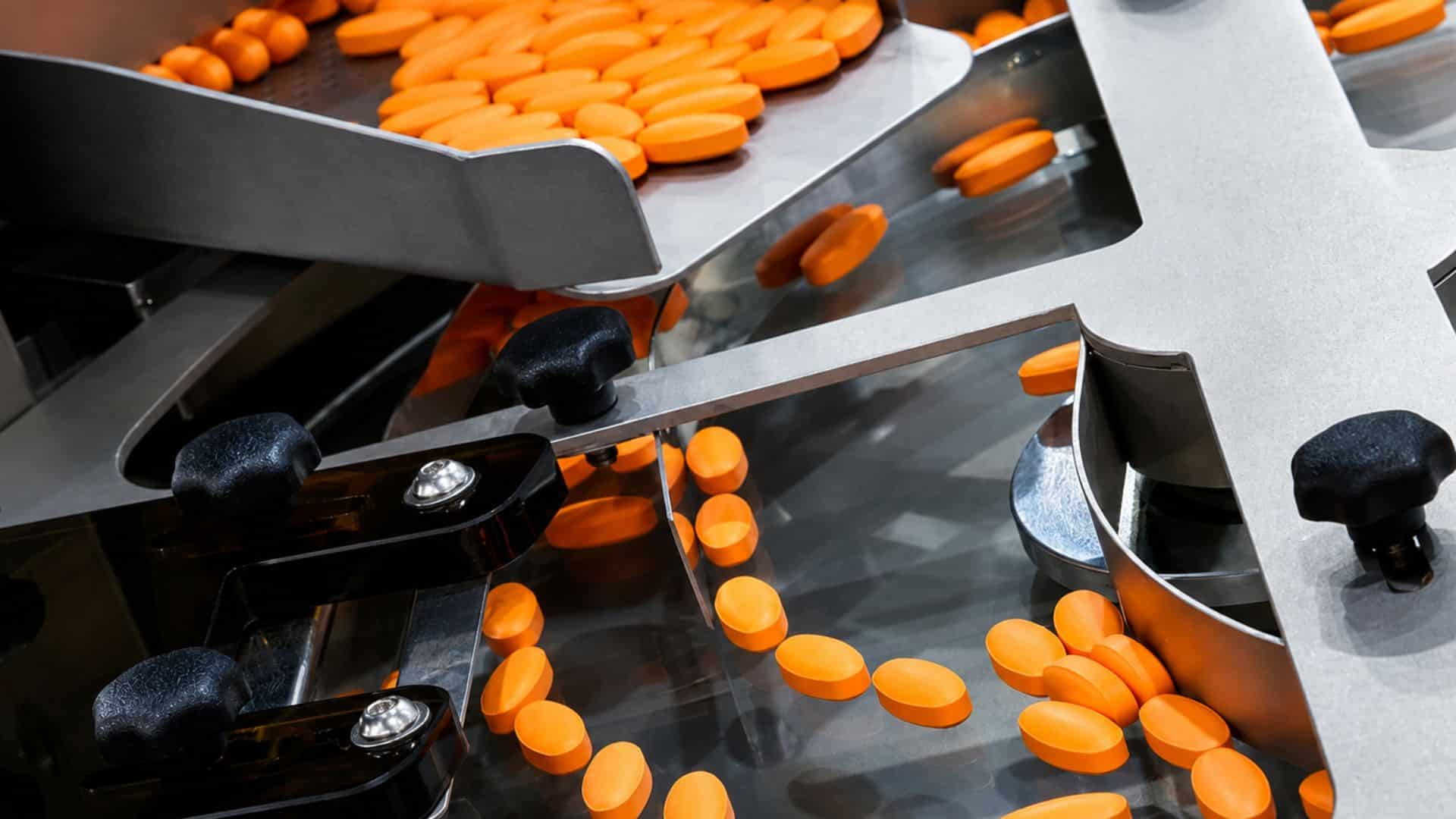
Everything now hinges on execution. John Murphy III, president of the Association for Accessible Medicines, said the industry needs more specifics before it can react, but remains committed to policies that keep affordable medicine accessible. Whether Trump follows through, whether factories rise fast enough, and whether prices at the pharmacy counter actually double will be decided over the next two years, not by another social media post, but by what manufacturers build, or fail to build, before the clock runs out.

