After 42 Years, Beloved Pizza Chain Suddenly Shuts Down 300 Locations
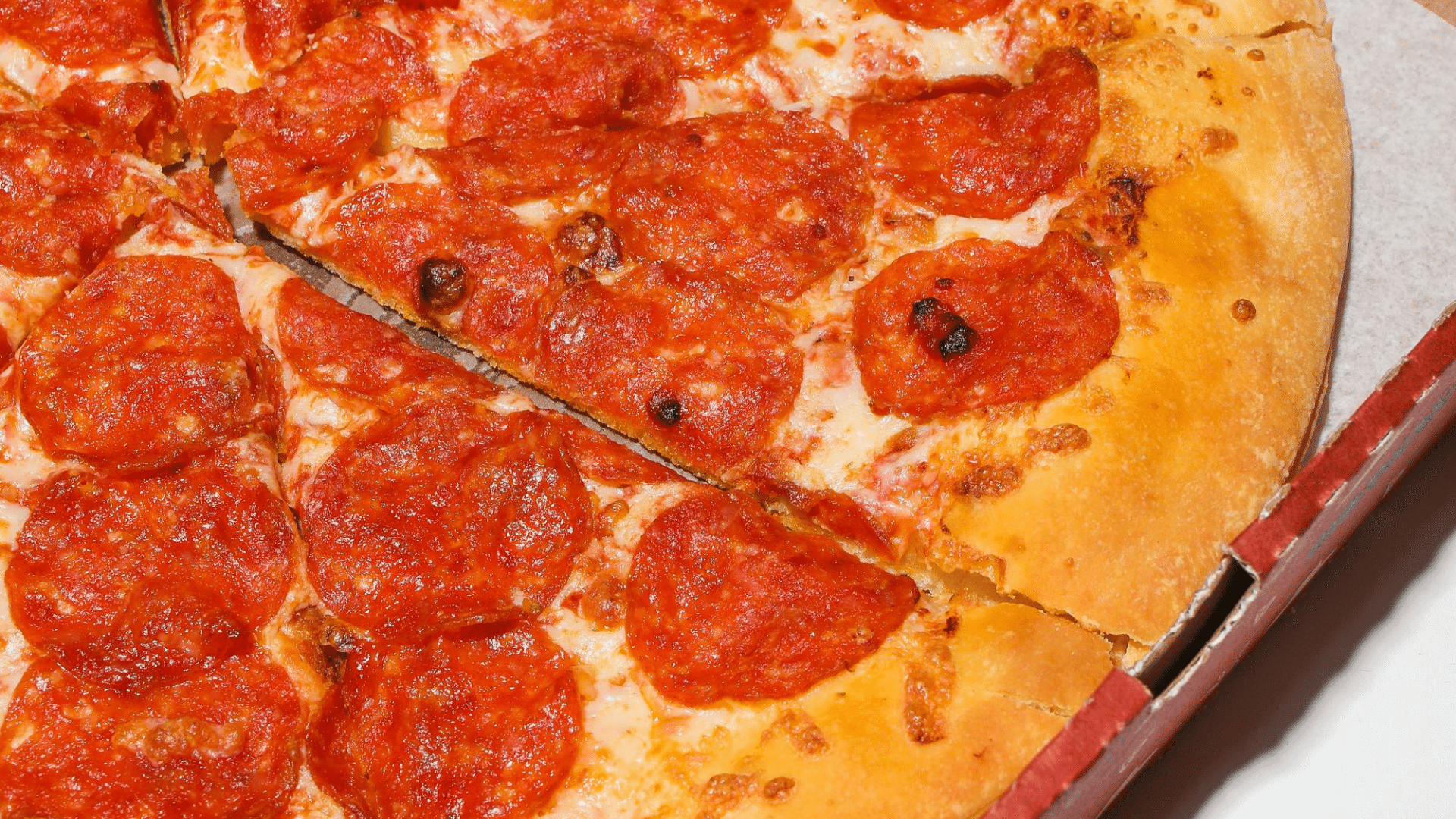

A major shakeup is hitting the restaurant industry as a beloved pizza chain announces plans to shut down around 300 locations after more than four decades in business. The closures, tied to Papa Johns’ international operations, signal a significant shift for the company as it looks to restructure and improve performance. For longtime customers, the news comes as a surprise, marking the end of an era for many locations that have served communities for years.
Which Pizza Chain Is Closing Locations
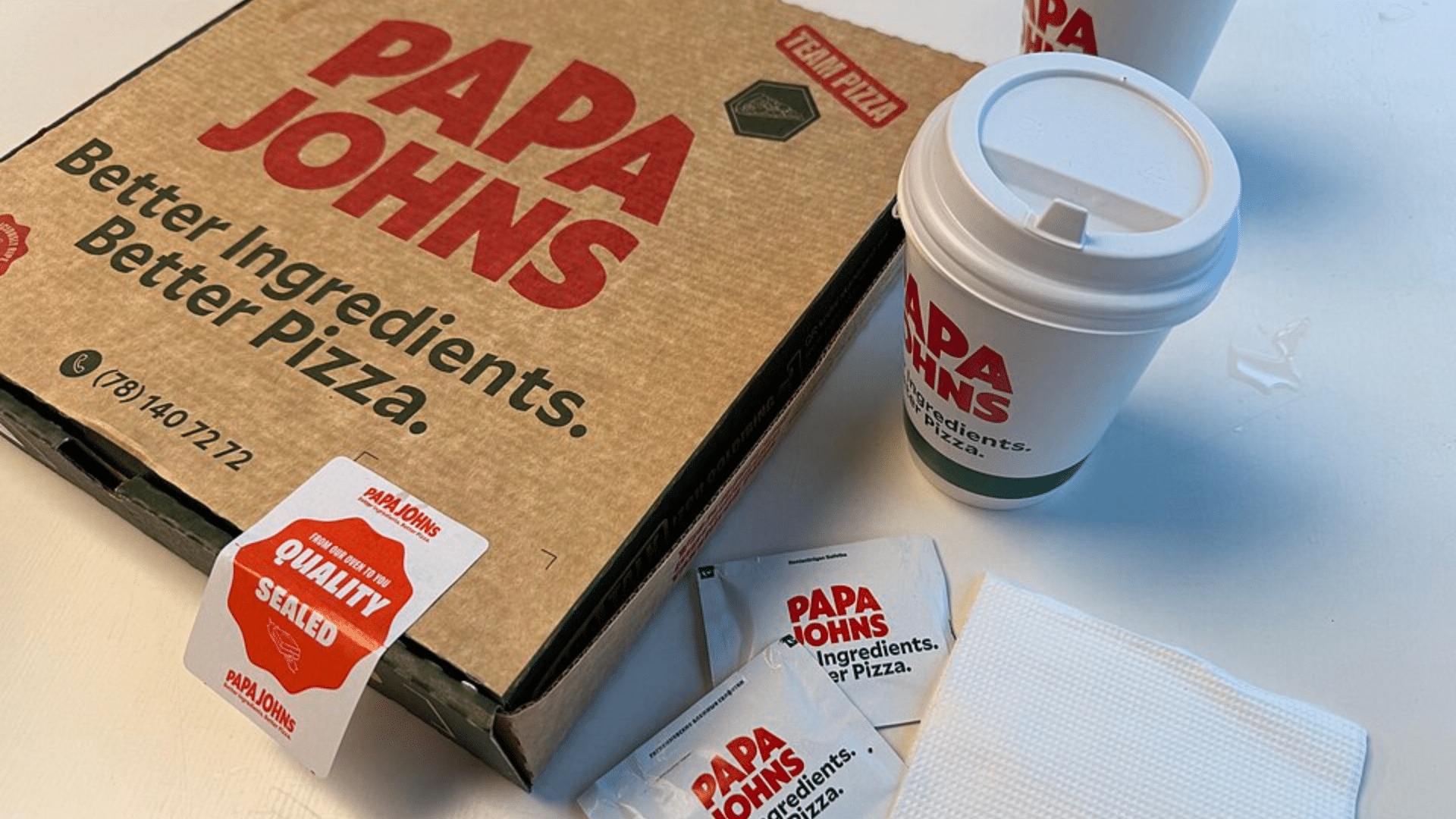
The company at the center of the announcement is Papa Johns, a globally recognized pizza brand founded in 1984. While the chain remains a major player in the industry, the closures are primarily focused on underperforming international markets, particularly in the United Kingdom. This move reflects broader challenges the company has faced in maintaining profitability across all regions.
Why 300 Locations Are Shutting Down
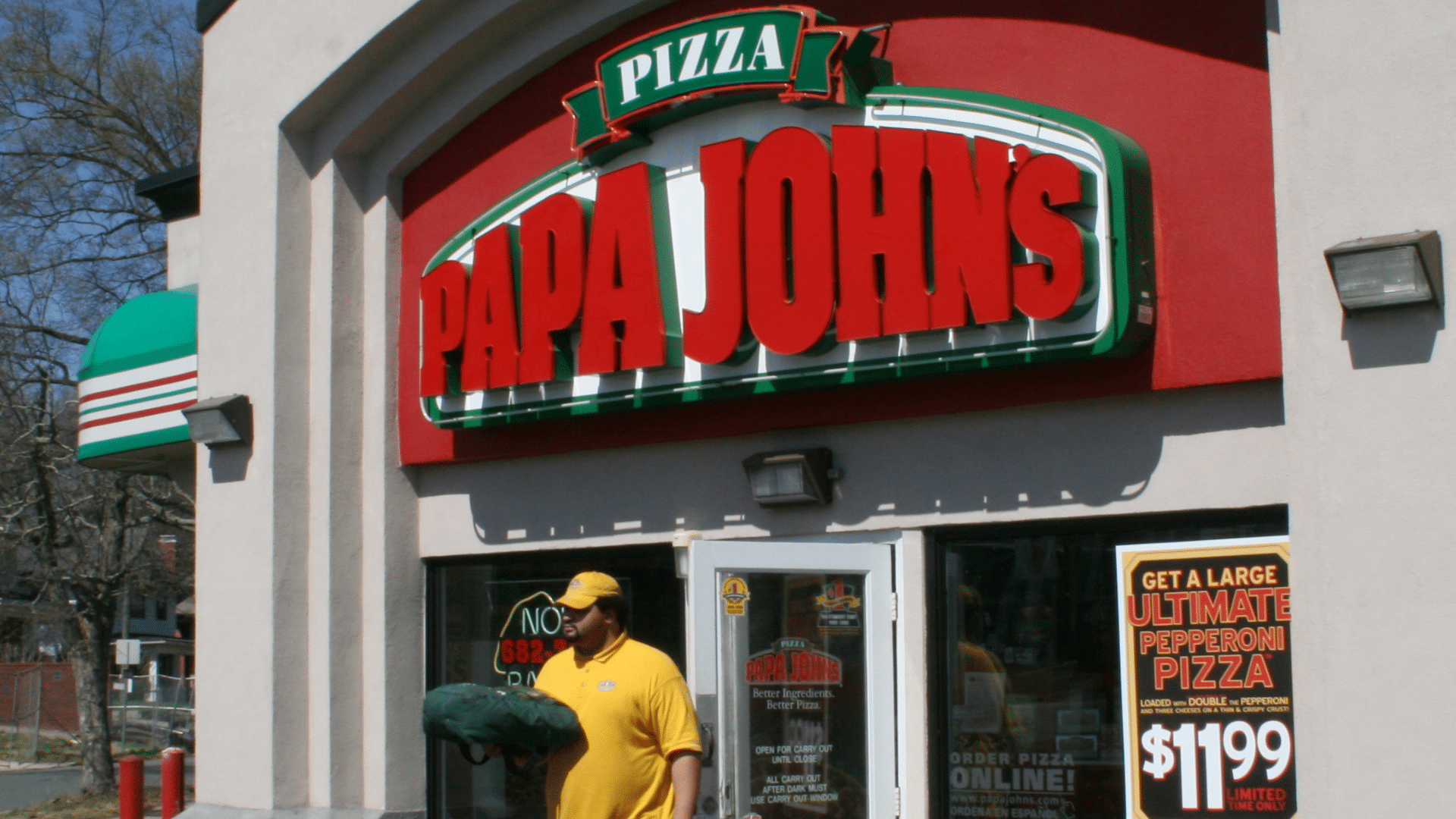
The decision to close hundreds of stores is largely driven by declining sales and financial struggles in certain markets. Rising operational costs, changes in consumer behavior, and increased competition have made it difficult for some locations to remain viable. By closing underperforming stores, the company aims to streamline operations and focus on stronger markets.
The Role of International Markets

A significant portion of the closures is expected to take place in the United Kingdom, where Papa Johns has faced particularly tough conditions. The company has noted that some international markets have not performed as expected, prompting a reevaluation of its global strategy. This shift underscores the challenges of maintaining consistent success across different regions.
Economic Pressures Are Taking a Toll

Like many restaurant chains, Papa Johns has been impacted by rising costs, including labor, ingredients, and energy expenses. At the same time, customers are becoming more cautious with spending, especially on dining out and delivery. These combined pressures have forced the company to make difficult decisions about where to operate and invest.
Competition in the Pizza Industry Is Intensifying

The pizza market has become increasingly competitive, with both established chains and newer delivery-focused brands fighting for market share. Digital ordering, fast delivery expectations, and aggressive pricing strategies have raised the bar across the industry. This competitive environment has made it harder for some locations to maintain steady customer traffic.
What Happens to Employees and Communities
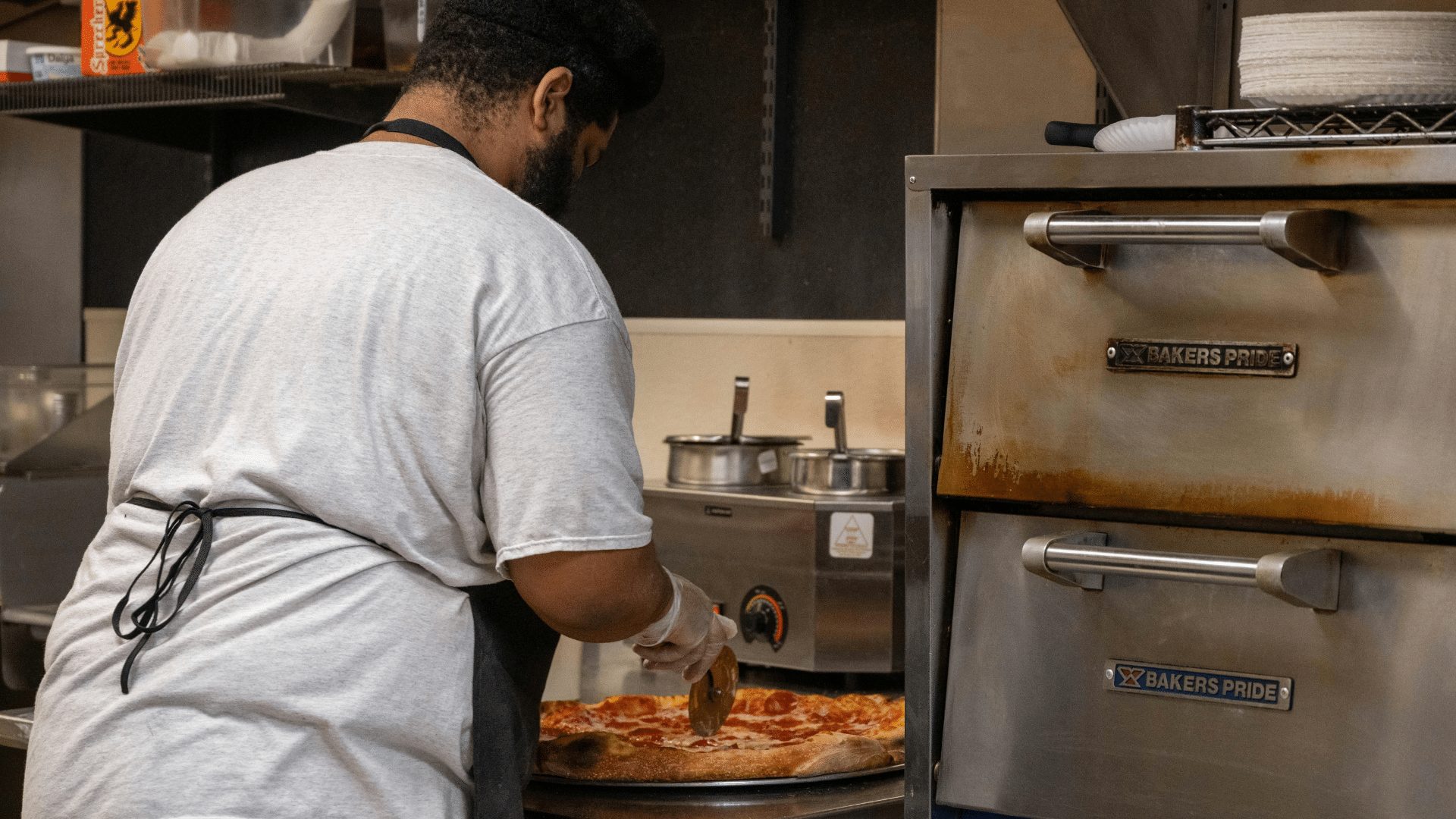
The closures will impact employees and local communities, with many workers facing job uncertainty as stores shut down. While some staff may be offered opportunities at other locations, others may not have that option, depending on availability. For communities, the loss of familiar restaurants can also affect local economies and neighborhood dynamics.
The Company’s Plan Moving Forward
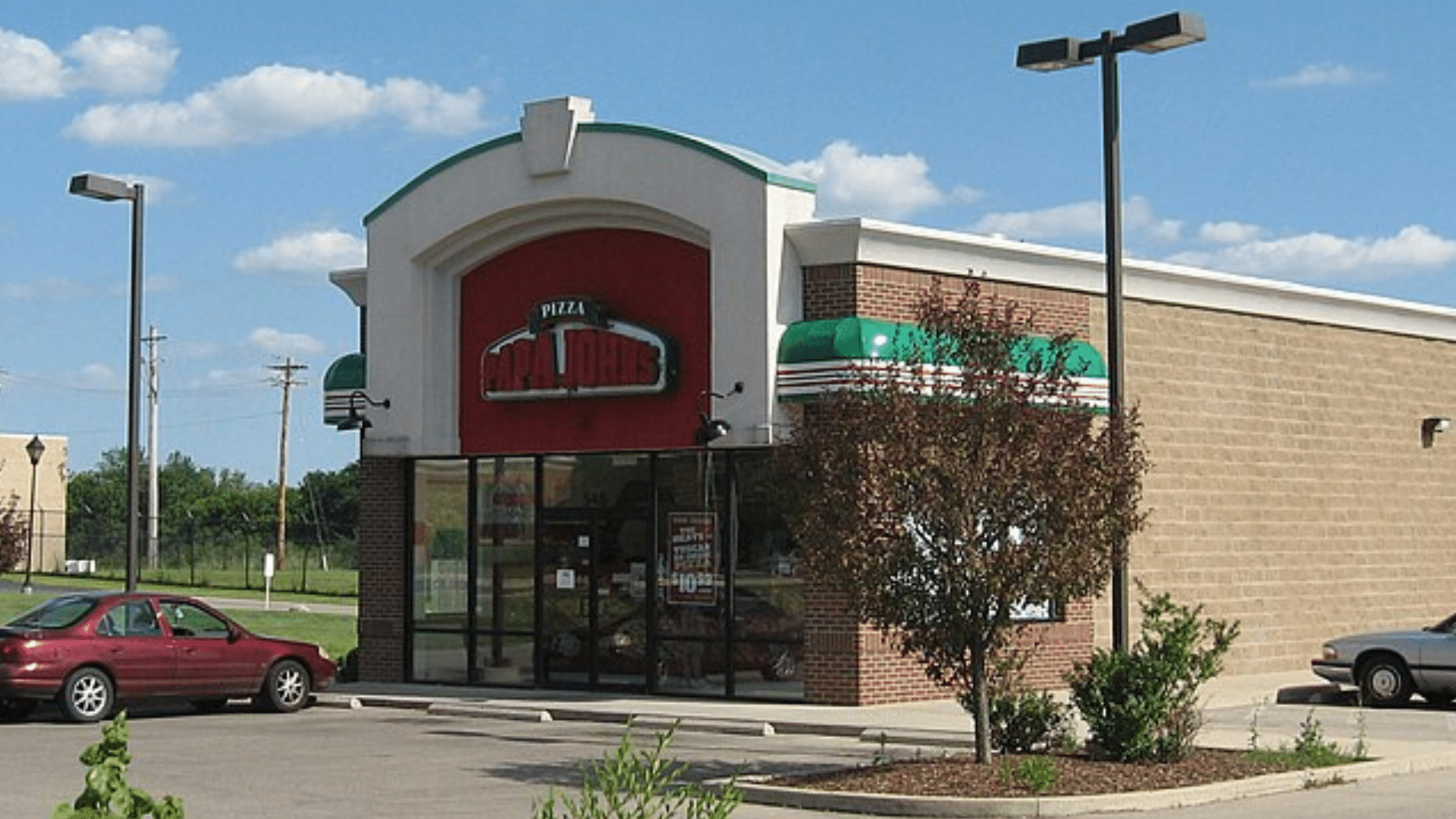
Despite the closures, Papa Johns says it is focused on long-term growth and improving overall performance. The company plans to invest in stronger markets, enhance its digital ordering systems, and refine its menu offerings to better meet customer demand. This strategy is aimed at building a more sustainable and competitive business model.
A Sign of Broader Industry Changes
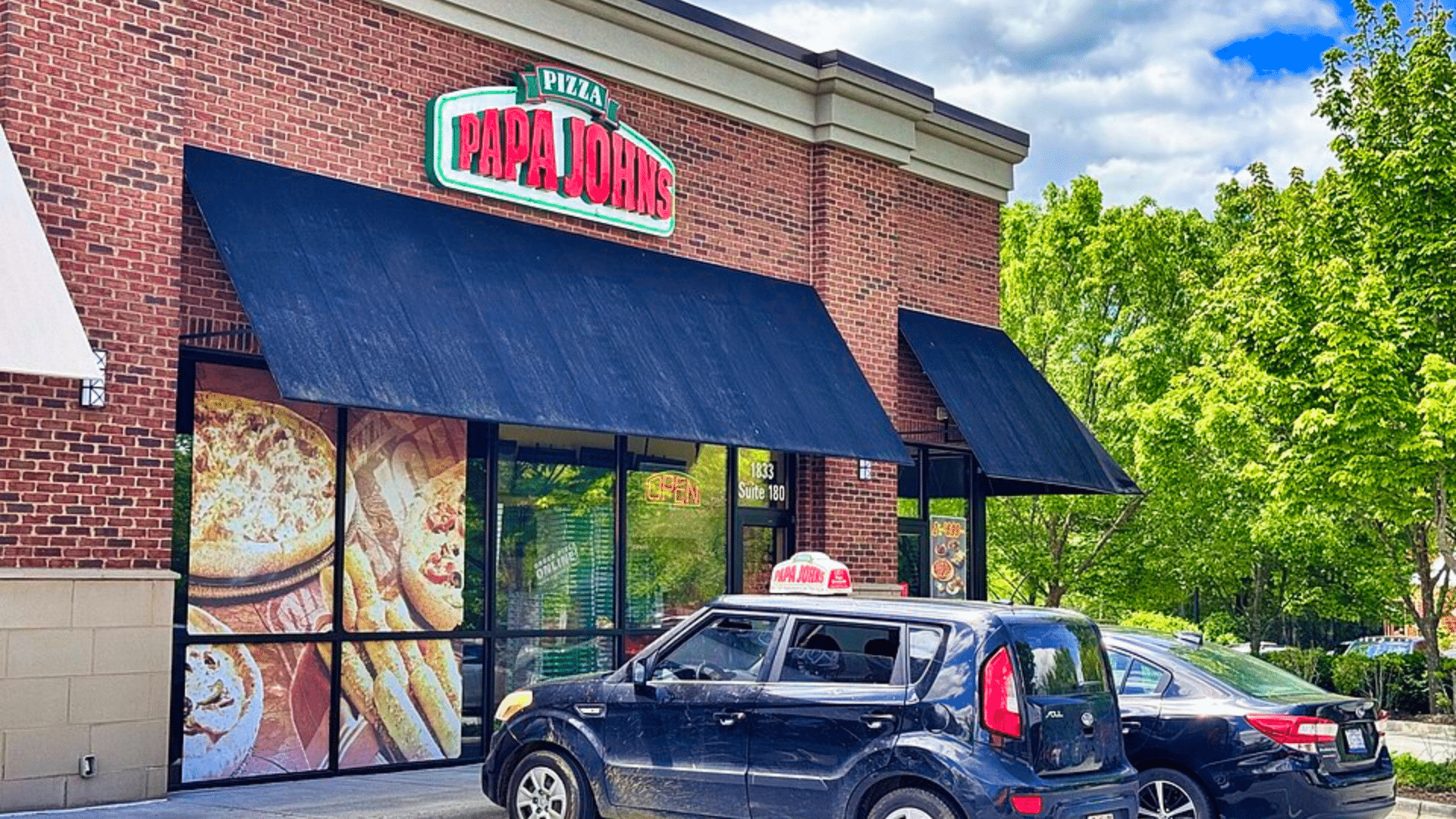
The move reflects a larger trend in the restaurant industry, where even well-known brands are reevaluating their footprints in response to economic pressures and changing consumer habits. Many chains are closing underperforming locations while focusing on efficiency, delivery services, and high-performing areas. This shift is reshaping how restaurants operate worldwide.
The End of an Era for Some Locations
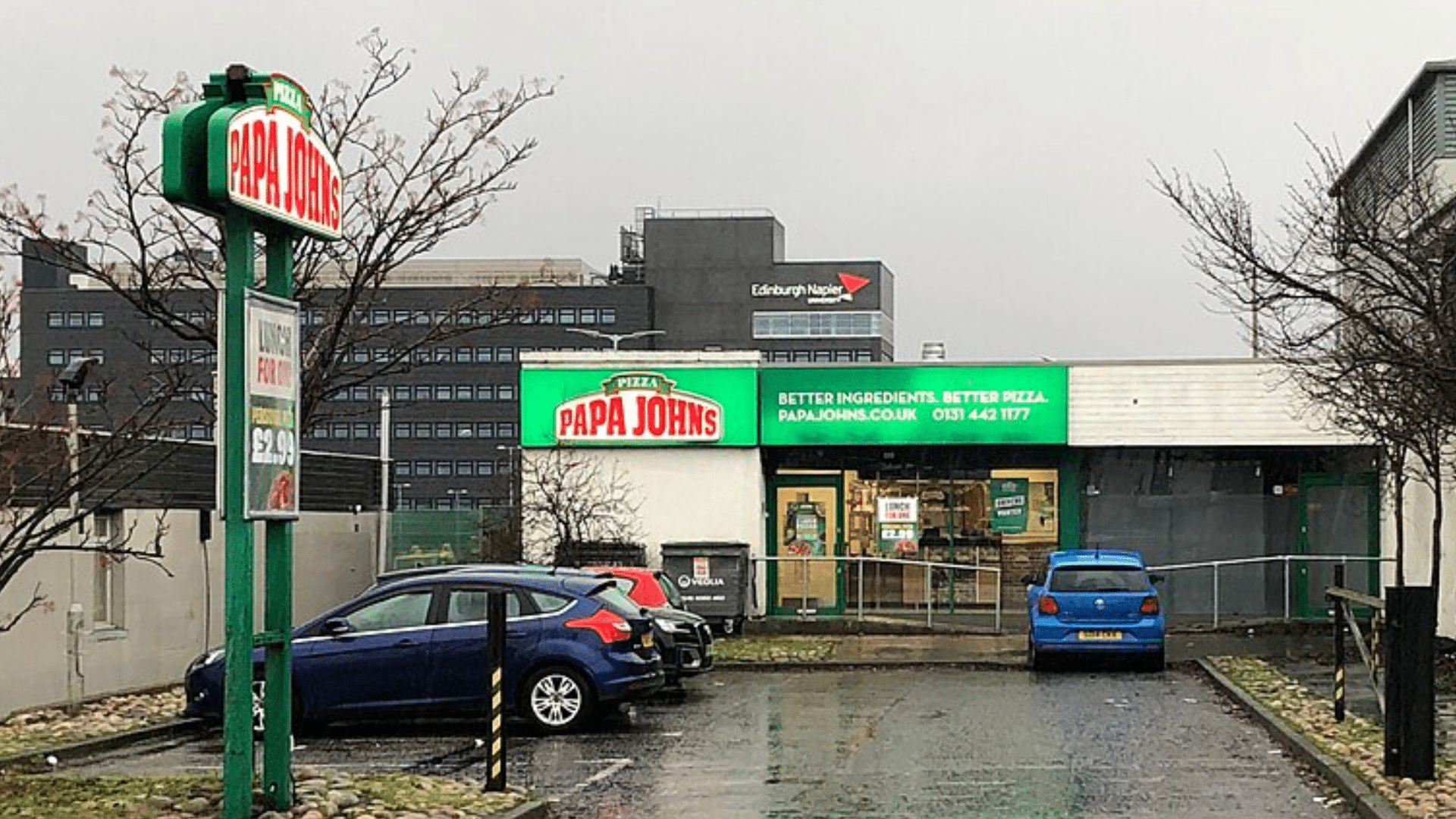
For customers who have grown up with their local Papa Johns, the closures represent more than just a business decision, they mark the loss of familiar gathering spots and traditions. While the brand itself is not disappearing, the reduction in locations highlights how even long-standing companies must adapt to survive. As the industry continues to evolve, moments like this serve as reminders of how quickly things can change.