All Amazon Fresh and Amazon Go Stores to Be Closed Permanently
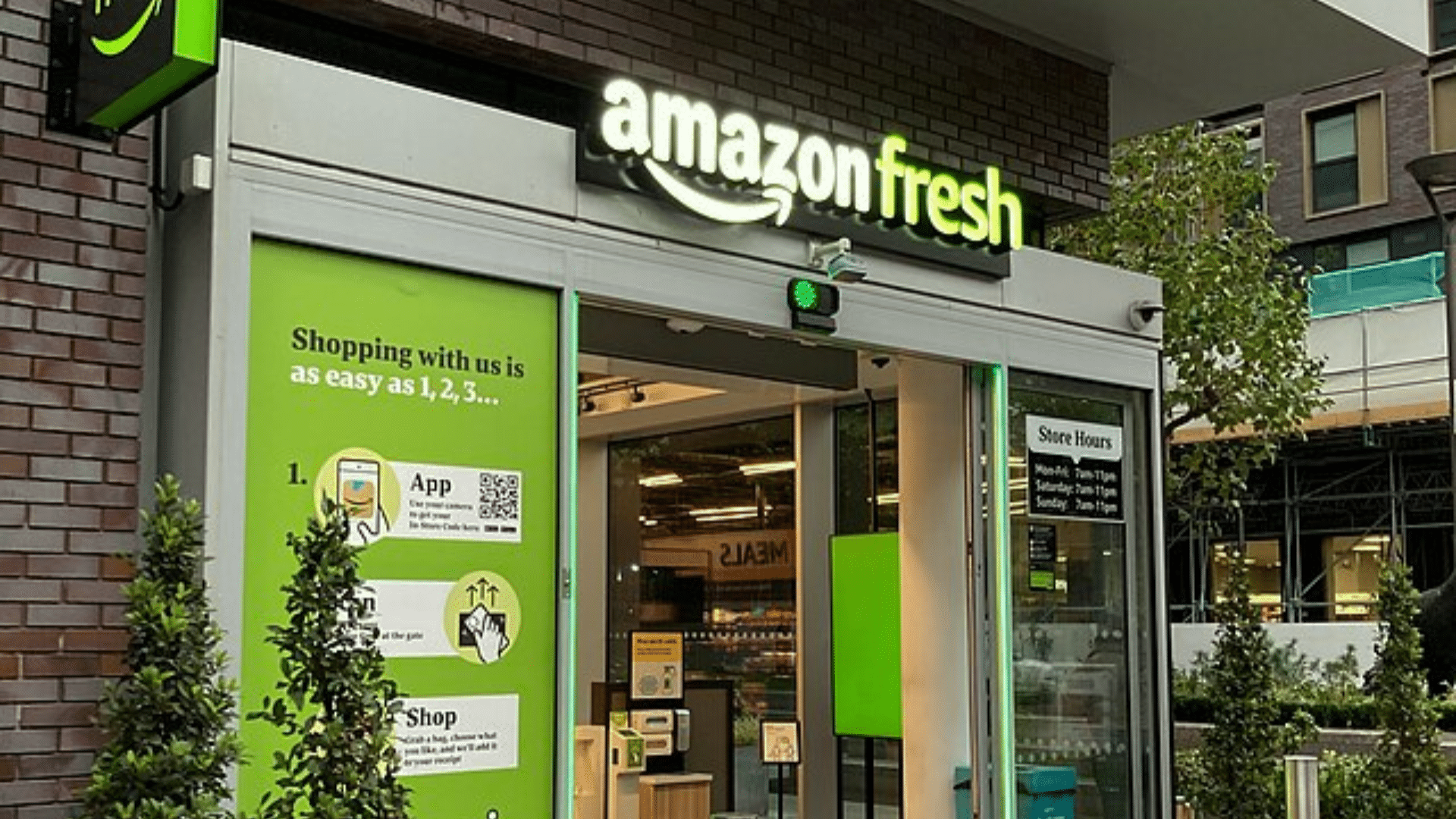

Amazon has announced that it will close all of its physical Amazon Fresh and Amazon Go stores in the United States, a major shift in its grocery and retail strategy that reflects the company’s decision to retire these branded brick-and-mortar concepts after years of mixed results and instead focus on online delivery and bolstering its Whole Foods Market presence as the core of its physical grocery footprint.
According to official statements from Amazon, the last day of operations for most Amazon Fresh and Amazon Go locations is scheduled to be February 1, 2026, with exceptions in California, where stores will remain open longer to satisfy state labor notification requirements, and a small number of sites set to be converted into Whole Foods Market stores as part of the broader grocery strategy.
The move comes as Amazon acknowledges that although its branded grocery stores showed some promising customer interest, the company has not yet developed a scalable, economically sustainable physical store model under the Amazon Fresh and Amazon Go banners, prompting the decision to shutter these locations and shift investment toward online grocery delivery and expansion of its Whole Foods chain.
Why Amazon Is Making This Major Retail Change
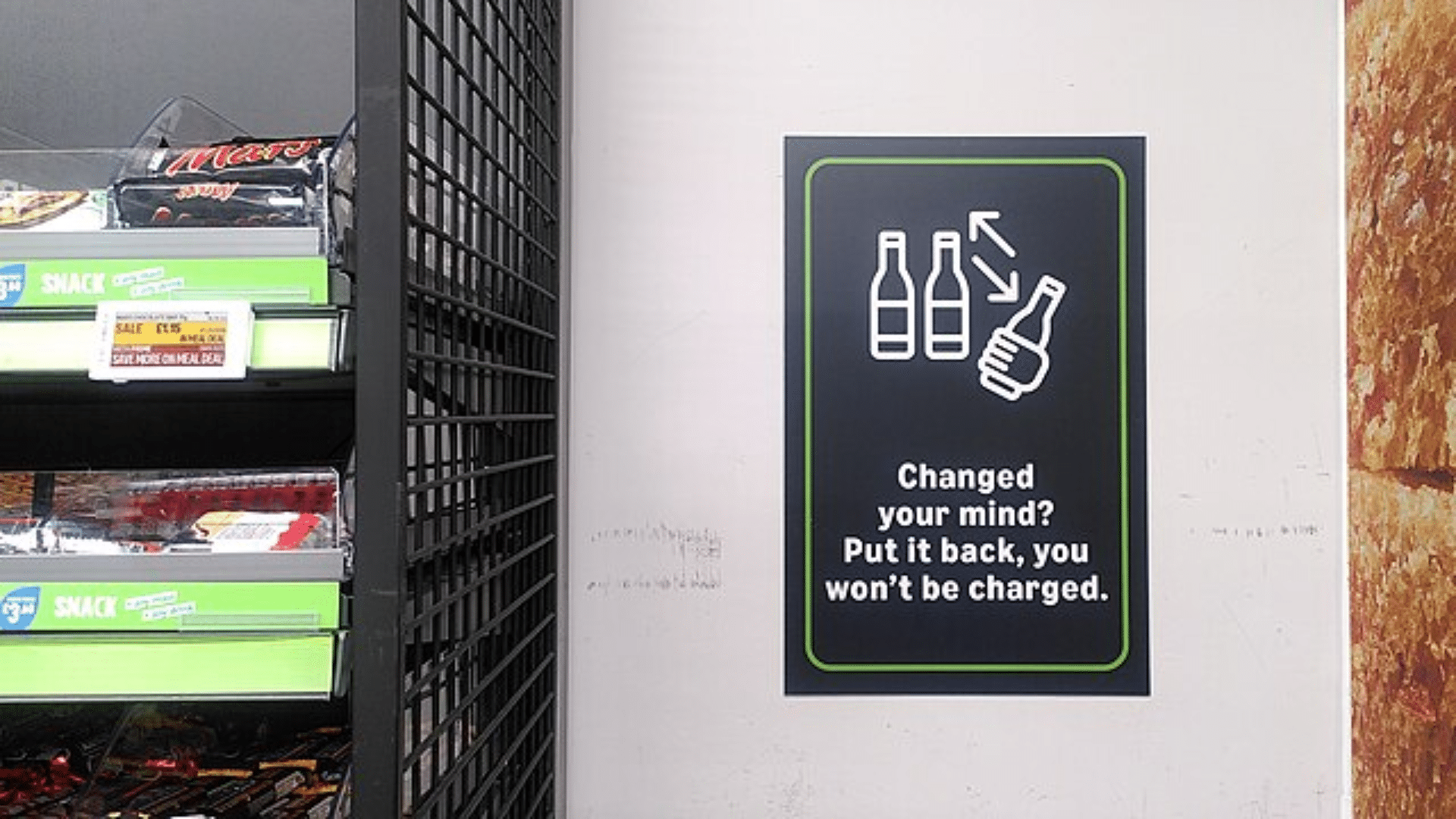
Amazon’s decision to close all Amazon Fresh and Amazon Go stores reflects a broader reevaluation of its retail strategy, as the company has struggled to create a uniquely compelling and profitable in-store experience at scale, particularly in grocery and convenience retail, despite early innovations like cashier-less checkout technology first introduced in Amazon Go locations.
The company’s grocery division has seen strong performance in other areas, such as Whole Foods Market, which has experienced over 40 percent sales growth since Amazon’s acquisition in 2017, and online same-day grocery delivery, which now serves thousands of U.S. cities, prompting a strategic pivot toward those formats that have shown clearer paths to growth and customer demand.
While Amazon Fresh and Amazon Go stores have offered convenience and innovation, company leadership determined that continuing investment in physical stores under these brands does not align with its long-term goals, and the closures allow Amazon to reallocate resources to e-commerce grocery, expanded delivery services and the continued rollout of new and existing Whole Foods Market locations across the country.
What This Means for Shoppers, Workers and the Grocery Market
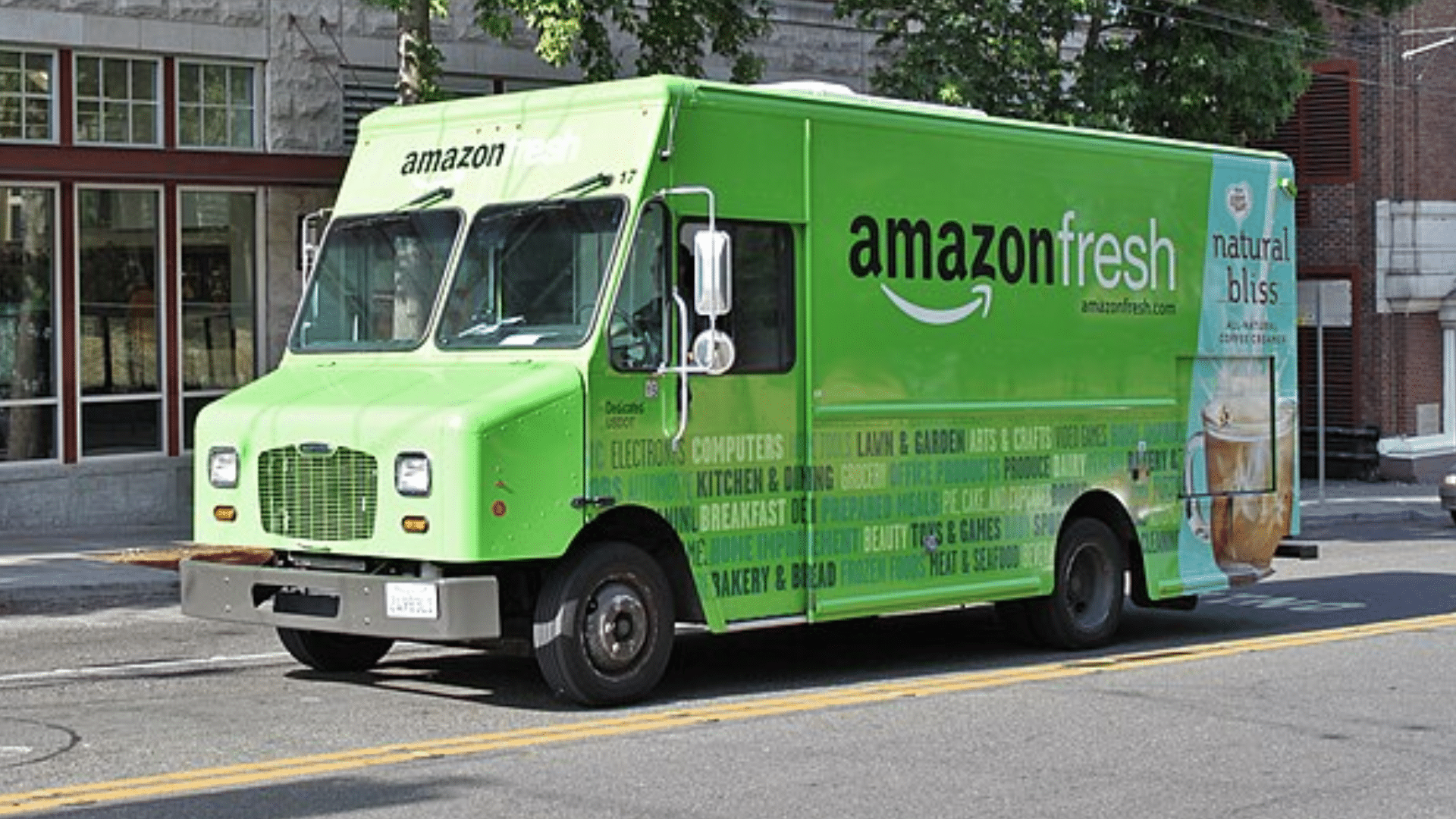
The announced closures affect dozens of locations nationwide, and filings indicate that hundreds of store employees, including associates and managers, will be impacted by the shutdowns, with Amazon offering notice periods and internal transfer opportunities where possible as part of its workforce transition plans.
For customers, the closures mean that physical options for quick grocery shopping and cashier-less convenience purchases under the Amazon Go and Amazon Fresh names will soon disappear, but online grocery shopping through Amazon Fresh and same-day delivery options remain available as part of the company’s broader push into digital services.
Retail analysts say this development highlights the competitive pressures within the grocery market, where rivals such as Walmart, Kroger and other delivery services have also been innovating rapidly, and where physical grocery formats must continually evolve to stay profitable and meet customer preferences in an era of growing e-commerce.
What Comes Next for Amazon and Its Grocery Strategy
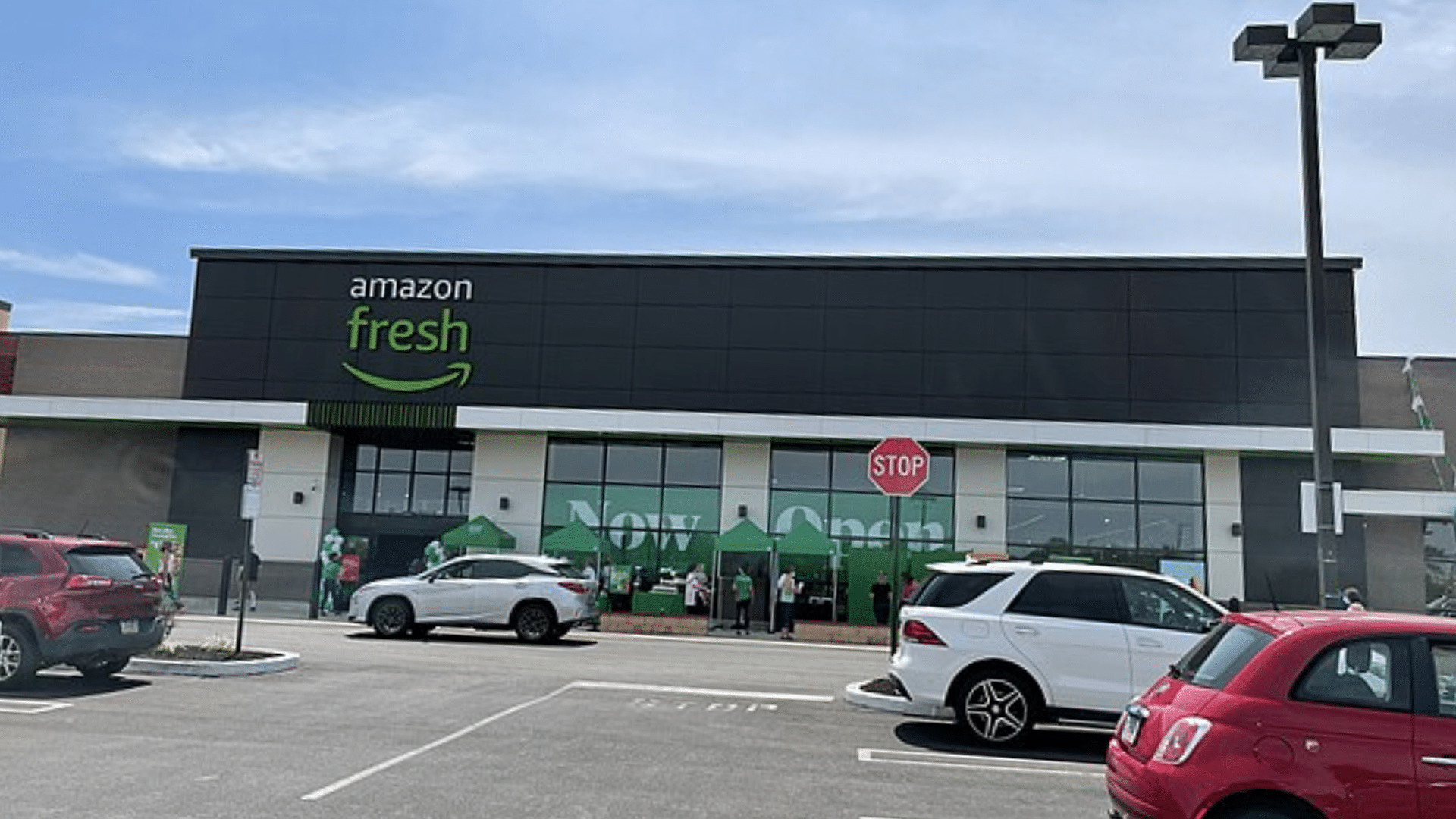
With the closures of Amazon Fresh and Amazon Go stores, Amazon is doubling down on its Whole Foods Market chain, planning to open more than 100 new locations in the coming years as it leans into a well-established grocery brand that has resonated with consumers and maintained stronger sales momentum.
In addition to expanding Whole Foods, Amazon aims to continue enhancing its online grocery offerings, including faster delivery of fresh produce and everyday essentials to more U.S. cities and towns, a part of its business that has seen rapid growth and increased customer adoption.
The company’s larger retail evolution also includes experimenting with new store formats and concepts that blend digital and physical experiences, suggesting that while the Fresh and Go chapters may be closing, Amazon’s presence in grocery and retail will continue to evolve as it seeks new ways to meet changing consumer expectations.