Americans Are Being Urged to Eat More of One Overlooked Meat
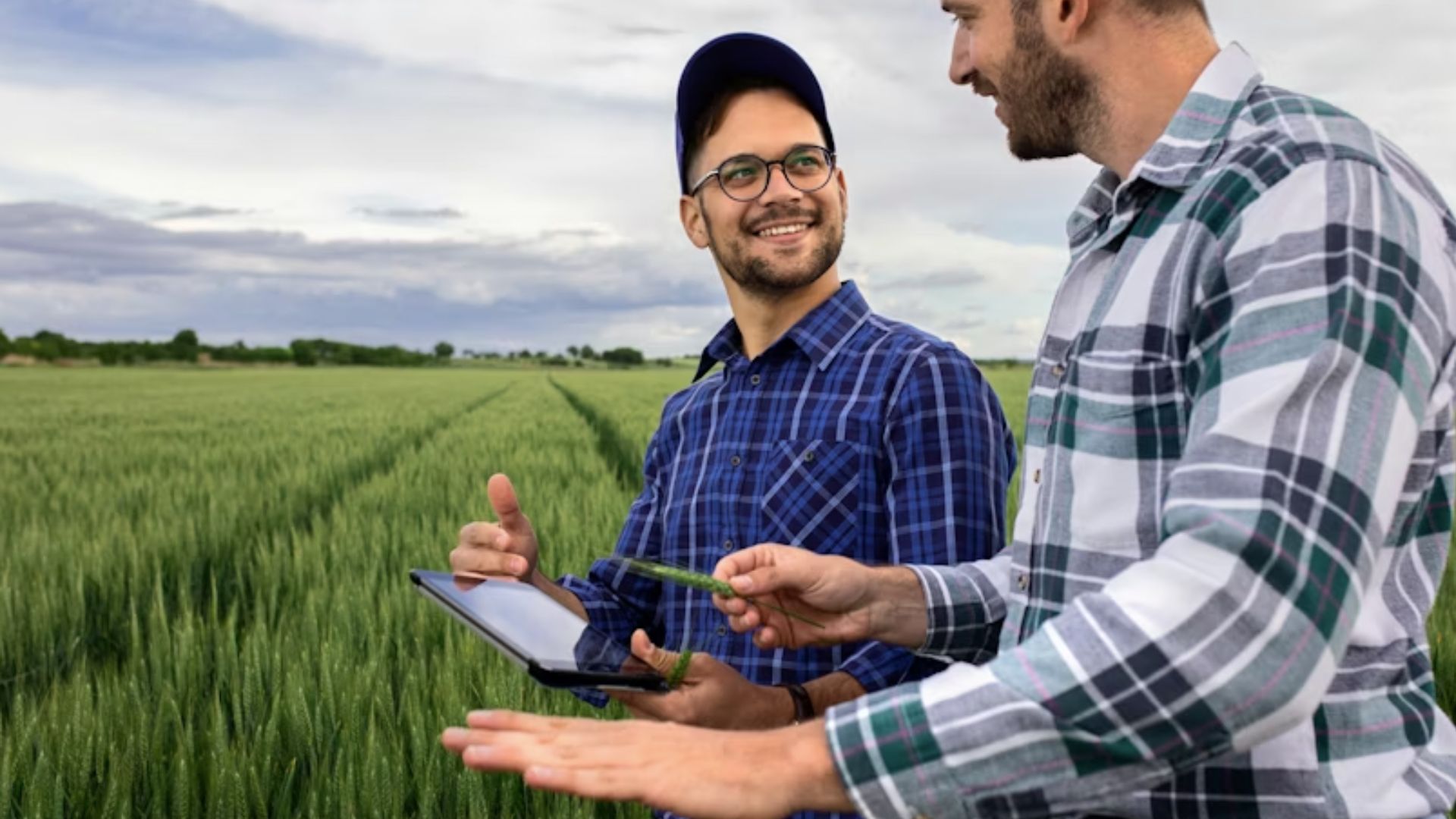

Across the United States, a quiet shift is taking place at the intersection of agriculture and renewable power. Farmers in Illinois are discovering that sheep and solar panels can thrive side by side, and they believe this partnership could reshape both local food systems and clean energy production. As solar grazing expands, producers are encouraging Americans to reconsider lamb, a nutritious protein that has long remained outside the mainstream dinner rotation.
Sheep And Solar Panels Form An Unexpected Partnership
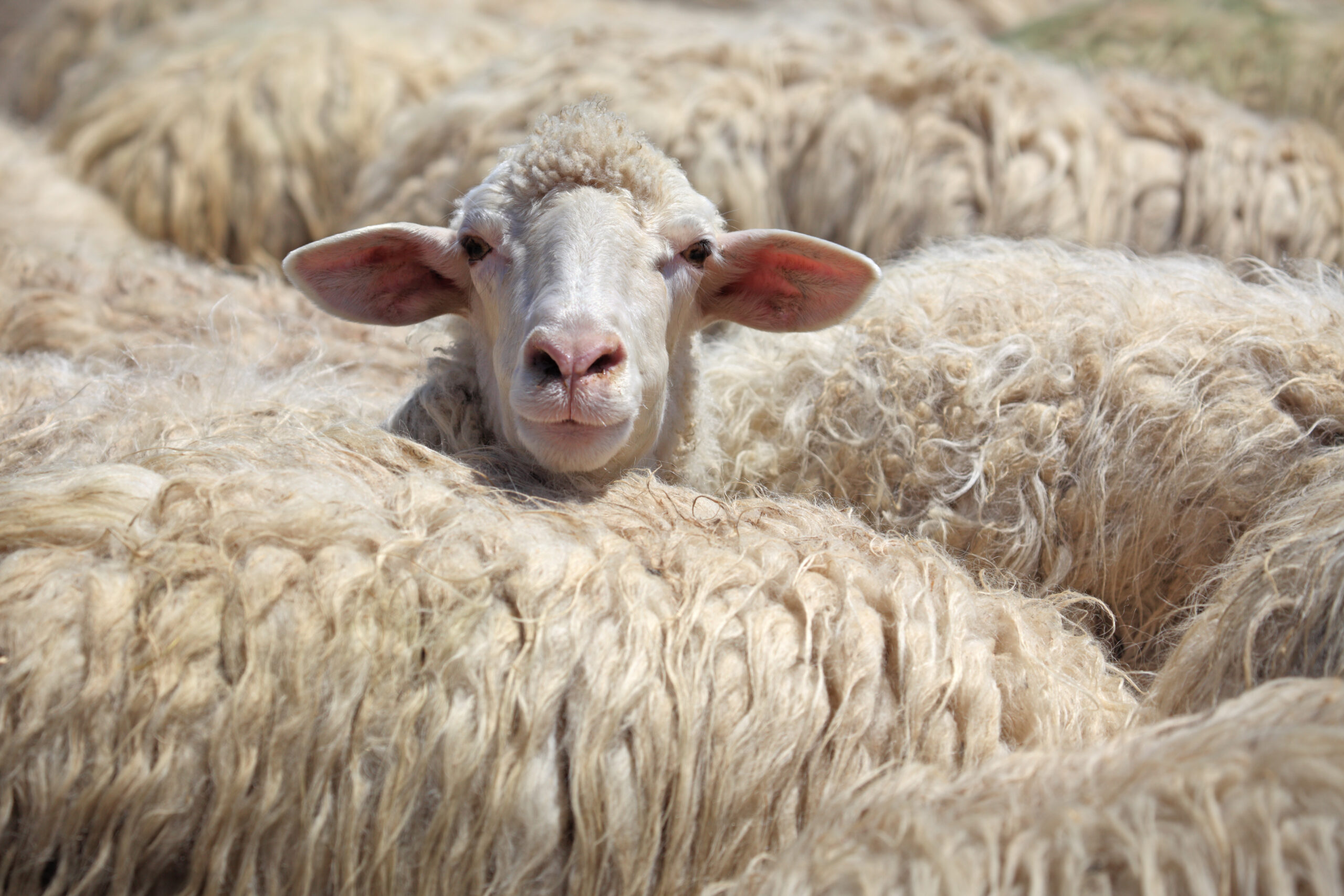
In growing solar fields throughout Illinois, flocks of sheep now roam beneath rows of panels, trimming grass and maintaining vegetation naturally. This method, widely known as solar grazing, allows landowners to generate revenue from renewable energy while also raising livestock. Instead of relying on mechanical mowing, solar companies benefit from lower maintenance costs, while farmers gain additional income streams. The sheep, in turn, fertilize and aerate the soil as they graze, supporting healthier ground conditions beneath the installations.
Solar Grazing Creates Dual Income For Farmers
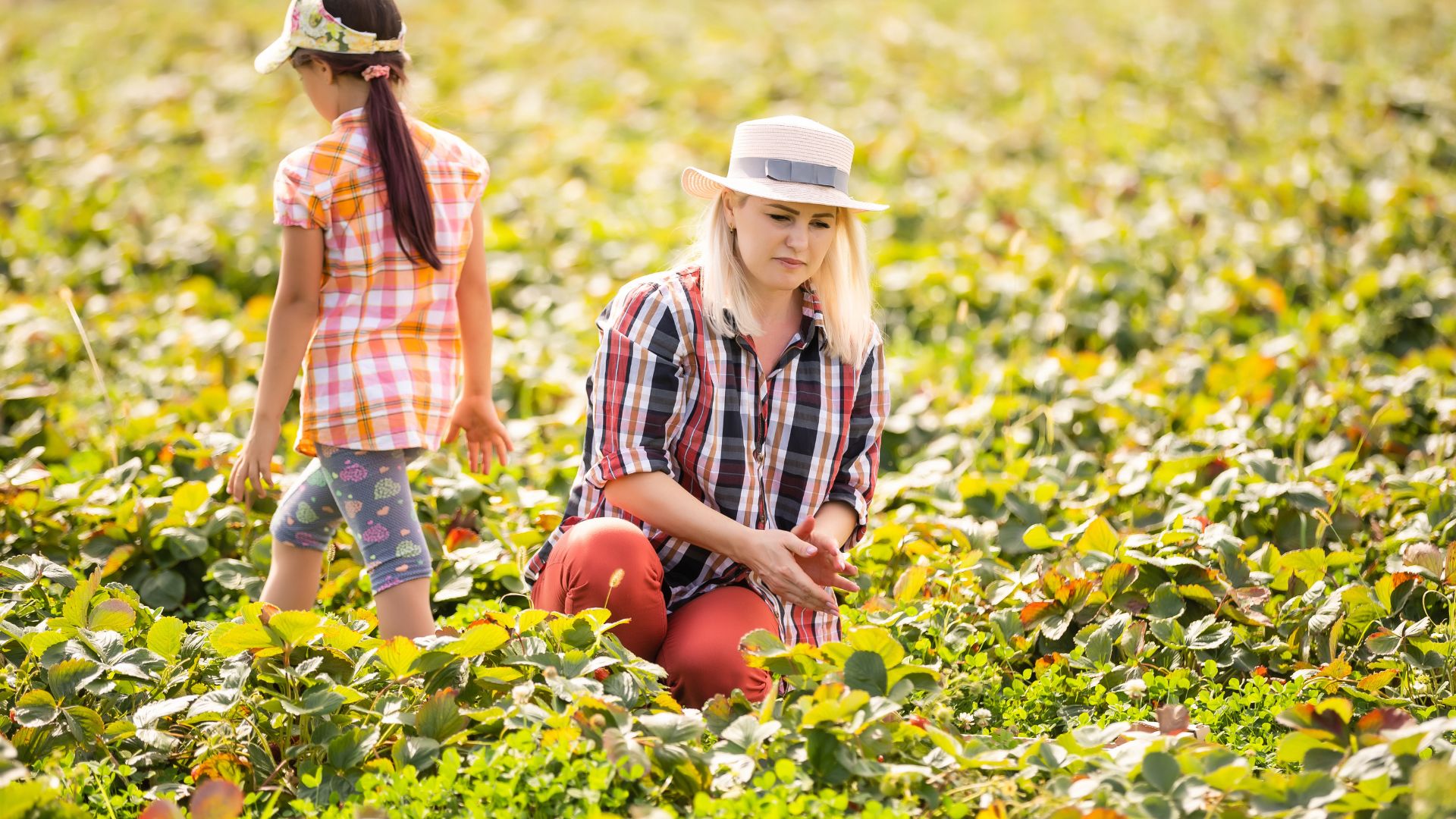
For agricultural families navigating tight margins, combining livestock with energy production offers a practical path toward financial resilience. By leasing land for solar arrays and managing sheep within those spaces, farmers diversify earnings without sacrificing productivity. This integrated approach reduces financial risk and allows rural communities to participate directly in the expanding clean energy economy, rather than standing on its sidelines.
Domestic Lamb Demand Remains Limited
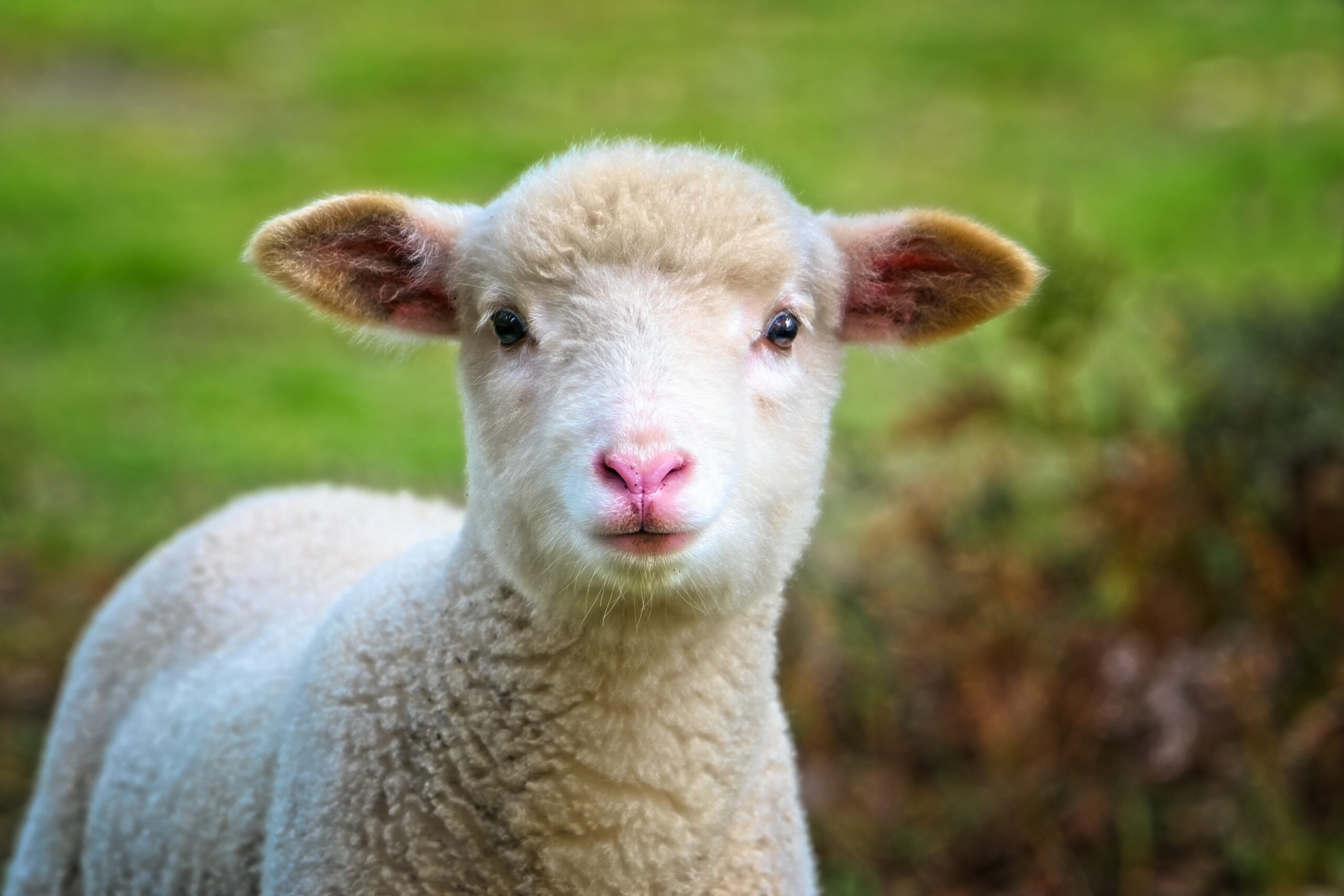
Despite the promise of solar grazing, sheep producers face a major obstacle, limited consumer demand for American lamb. Much of the lamb sold in the United States is imported from Australia and New Zealand, and many shoppers purchase it only during Easter or from specialty halal markets. Without broader interest in domestic lamb, farmers struggle to scale operations in a way that fully supports this emerging agricultural model.
Expanding The Market Could Strengthen Rural Economies
Advocates argue that increasing demand for locally raised lamb would unlock significant economic benefits. When consumers choose domestic meat, more dollars circulate within regional economies, supporting small farms and associated businesses. Stronger markets also encourage young farmers to remain in agriculture, preserving generational knowledge while fostering innovation in sustainable practices.
Illinois Emerges As A New Frontier For Solar Grazing
While Western states with established sheep ranching traditions have adopted solar grazing more rapidly, the concept is still gaining traction in the Midwest. Illinois, long defined by expansive corn and soybean fields, is now experimenting with diversified land use strategies. Researchers note that sheep are particularly well suited for solar arrays, as their size and grazing habits allow them to navigate beneath panels without causing structural damage, unlike heavier livestock such as cattle.
Rethinking Corn And Soybean Dominance
Supporters of this transition point out that replacing a portion of corn and soybean acreage with sheep production does not necessarily compromise national food supplies. A substantial share of these crops is directed toward ethanol production or exported abroad. By reallocating some land to integrated systems that produce both energy and high quality protein, farmers can contribute to domestic food security while advancing renewable power goals.
Agrivoltaics Offers Environmental Advantages
The broader concept behind solar grazing, often referred to as agrivoltaics, emphasizes the complementary relationship between agriculture and solar infrastructure. Grazing animals help manage plant growth without fossil fuel powered equipment, reducing emissions associated with maintenance. At the same time, carefully managed pasture beneath panels can improve soil structure and biodiversity, demonstrating that energy development and environmental stewardship do not have to be at odds.
Organizations Support Training And Best Practices
Industry groups such as the American Solar Grazing Association and the American Farmland Trust are working to ensure that farmers adopt effective, sustainable methods. These organizations provide educational resources, technical guidance, and networking opportunities that help producers integrate sheep into solar sites responsibly. Establishing clear standards builds credibility and reassures both energy developers and consumers.
Branding Could Connect Consumers To Clean Energy
Proponents also see marketing potential in highlighting the connection between renewable energy and locally raised meat. Labels that emphasize the origin and production method of lamb, such as regionally branded options, could help shoppers understand the environmental story behind their purchases. By linking dinner plates to clean electricity and well managed farmland, producers aim to create a more transparent and compelling food narrative.
A New Path For Sustainable Food And Energy
As agrivoltaic systems expand, they present a model in which family farms contribute simultaneously to climate solutions and protein production. Encouraging Americans to add lamb to their regular meal planning is not merely a culinary suggestion, it represents a strategic opportunity to support domestic agriculture, strengthen rural economies, and accelerate renewable energy adoption. If consumer habits evolve, sheep grazing beneath solar panels may become a defining feature of a more integrated and resilient food system.