Americans Are Fed Up With Tipping, and 42% Say It Should Be Banned
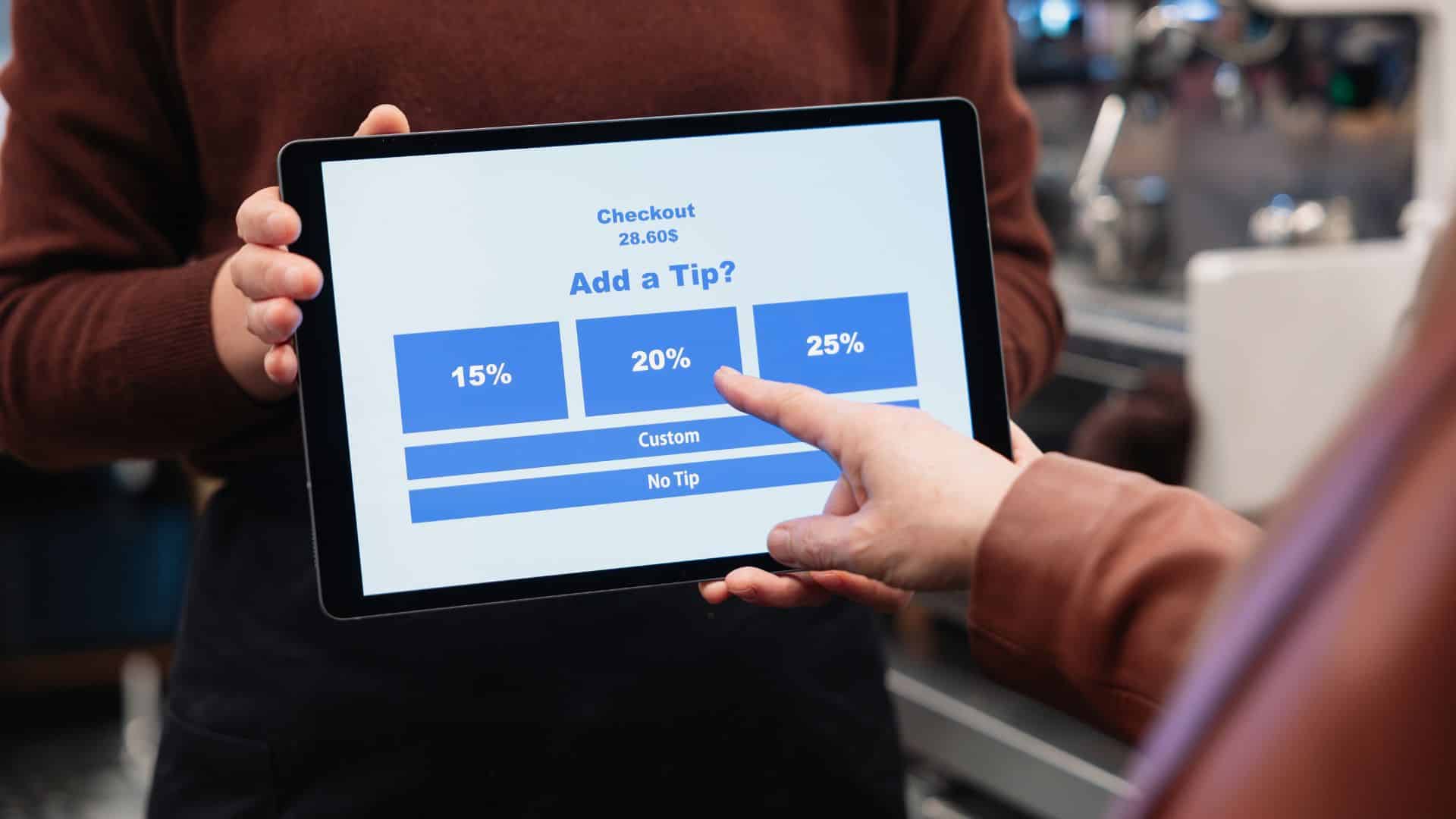

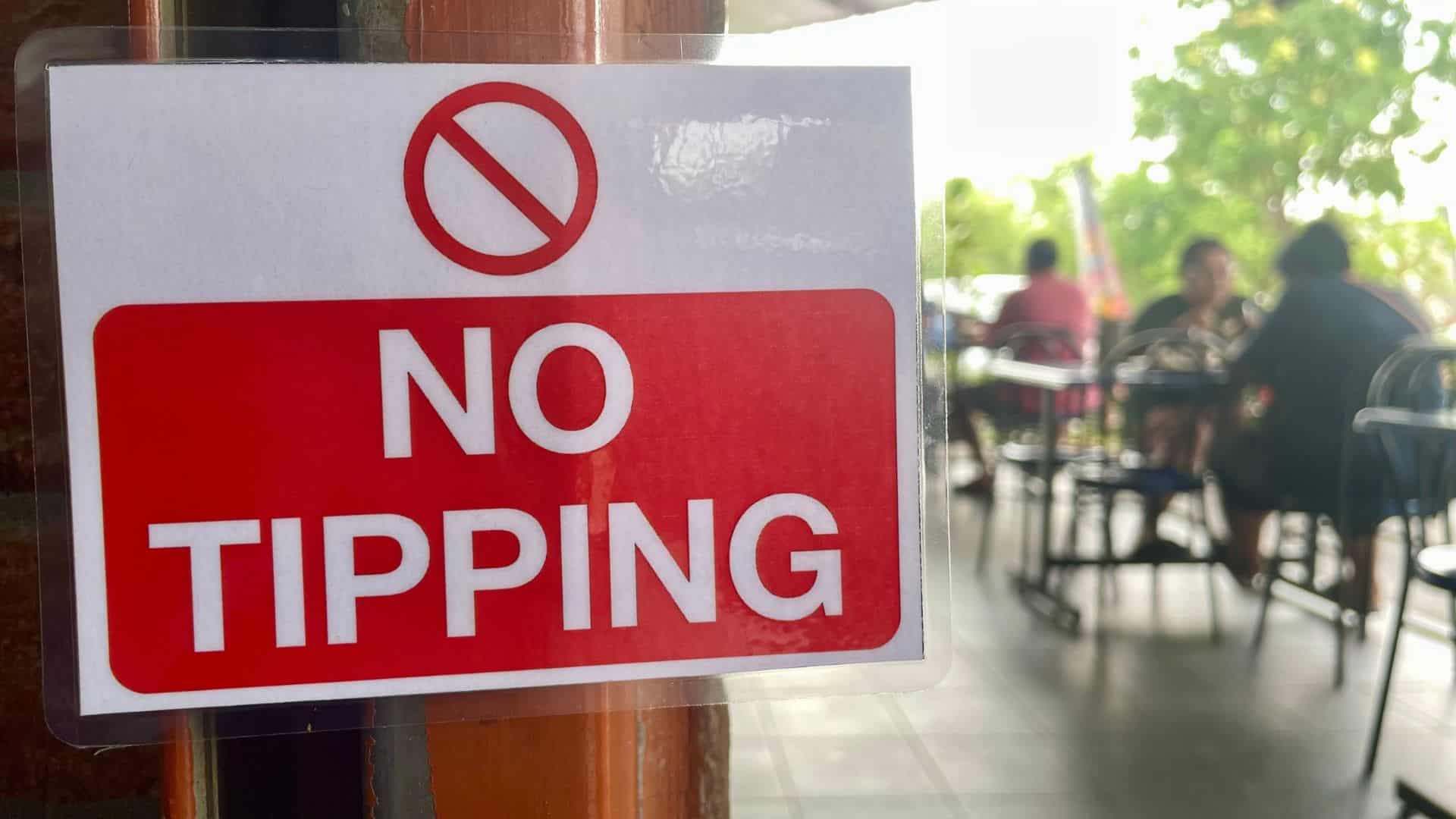
A digital screen now asks for 20% at the coffee counter. Another pops up at the sandwich shop. Some self-checkout machines have joined the party, too. Tipping in America has quietly spread far beyond restaurants and bars, and a growing number of people have had enough. According to WalletHub’s 2026 Tipping Survey, 81% of Americans say tipping has gotten out of control. What used to feel like a thank-you has started to feel like a trap.
81% Say It’s Out of Control, And 42% Want It Gone

More than 4 in 5 Americans think tipping culture has gone too far, and 42% say the country should ban tips altogether. It reflects something that has been building for years as tipping expectations have crept into places where a gratuity was never part of the deal. The question is no longer whether Americans are frustrated. It is whether that frustration is finally reaching a tipping point. But here’s the part that should make business owners uncomfortable…
Most People Tip Out of Guilt, Not Gratitude
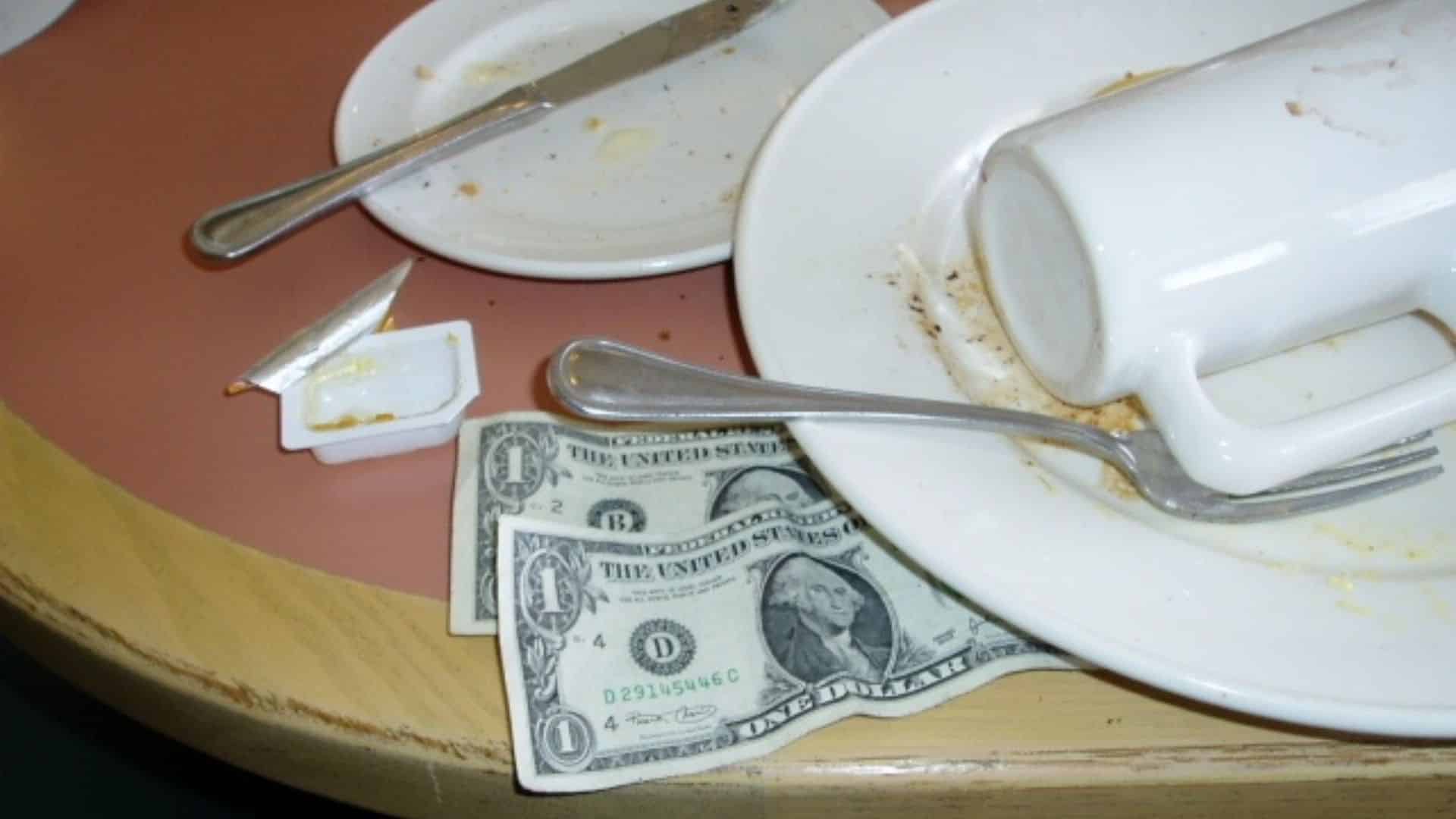
According to the survey, 55% of respondents said they often tip because of social pressure, not because the service was genuinely good. That means more than half the tips being handed over in this country are motivated by the fear of looking cheap, not by any real desire to reward someone. When a transaction feels coerced, the whole meaning of the gesture starts to collapse.
Customers Feel They’re Paying Wages That Employers Should Cover
The survey’s most pointed finding may be this: 64% of respondents believe businesses are using customer tips to replace wages they should be paying directly. As WalletHub editor John Kiernan put it, tipping has shifted from an extra reward to something that masks the true cost of services. People are not angry at workers. They are angry at a system that offloads the responsibility of fair pay onto the customer, one awkward screen at a time.
Prompt Screens May Actually Be Making People Tip Less
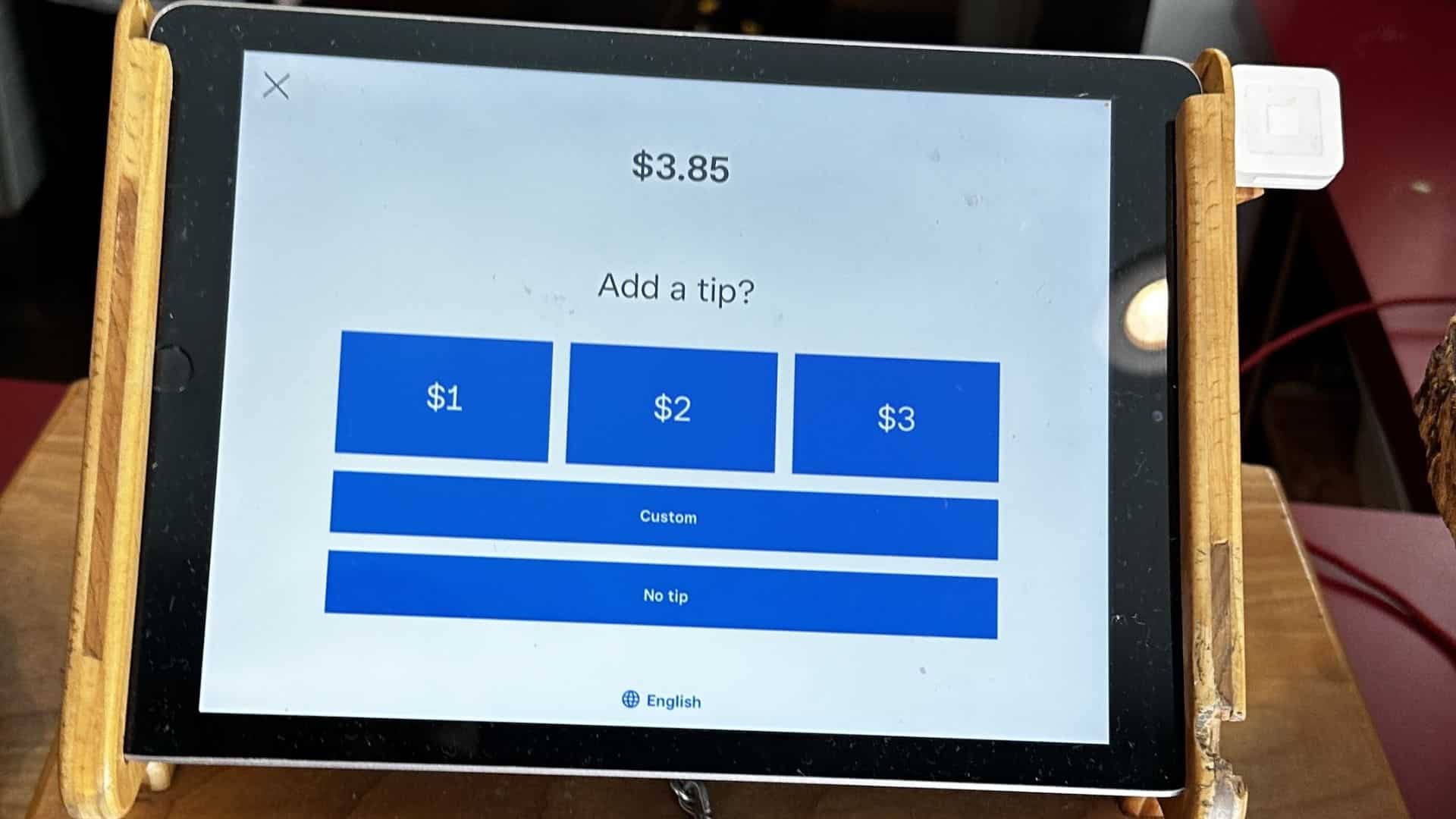
The digital tip prompt was supposed to make tipping easier. It may be doing the opposite. WalletHub found that 1 in 5 people actually tip less when they are shown a preset suggestion screen. The psychology here is not complicated: when people feel pushed, they push back. Automating the guilt does not neutralize it. For some customers, seeing a suggested 25% at a counter where they waited 90 seconds for a coffee is enough to make them click “no tip” and feel entirely justified.
Tip Requests at Self-Checkout Cross a Line For Many
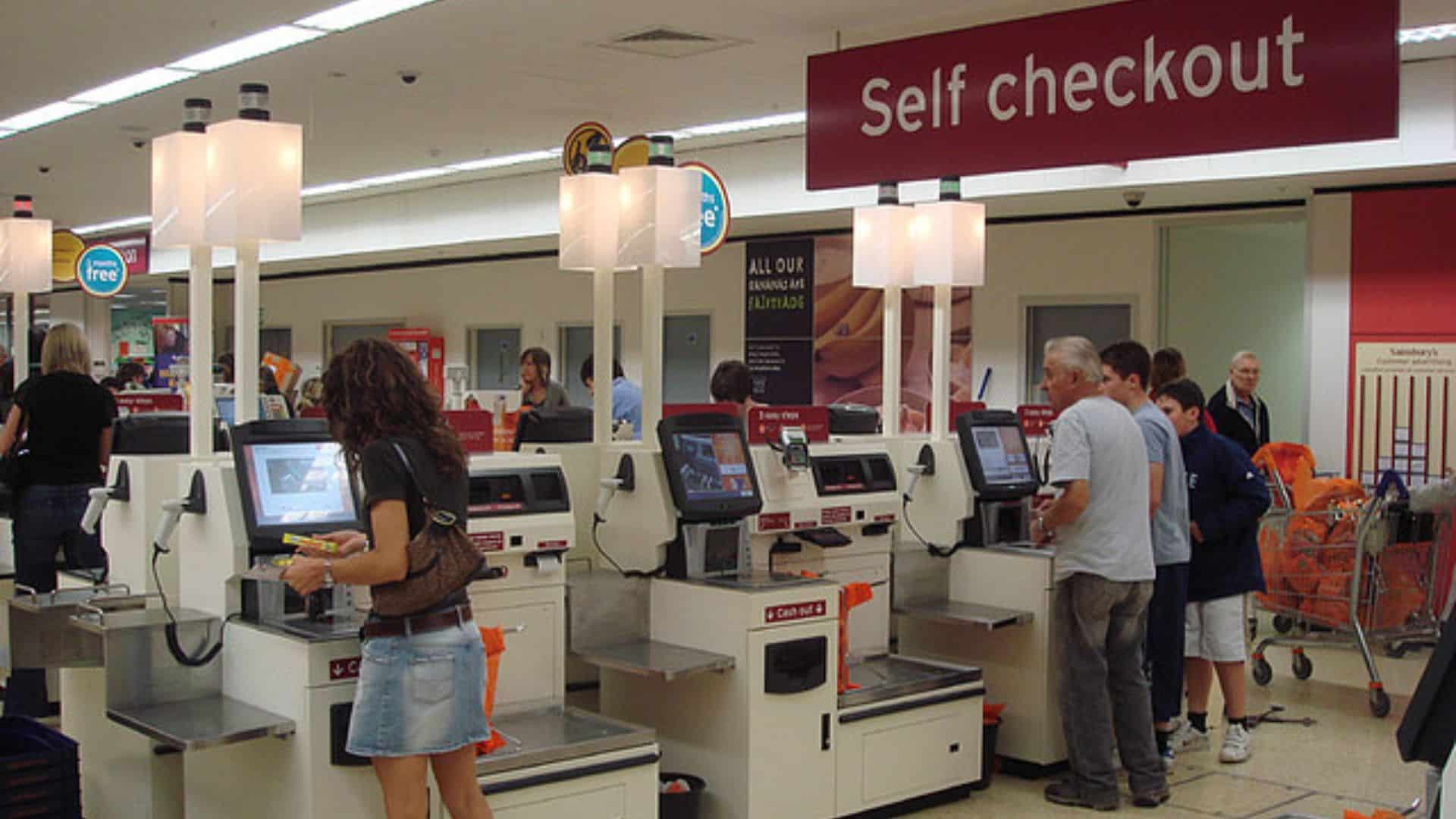
Few things illustrate the scope of tip fatigue better than the self-checkout tip request. When there is no human involved in the transaction — no one to smile at you, refill your drink, or carry anything — the ask for a gratuity can feel almost absurd. Jules Hirst, owner of Etiquette Consulting Inc., captured the mood bluntly: nobody should be tipping when they grab their own water from the refrigerator. Many Americans agree, and the resentment is showing up in the data.
People Support Workers. They Just Resent The System
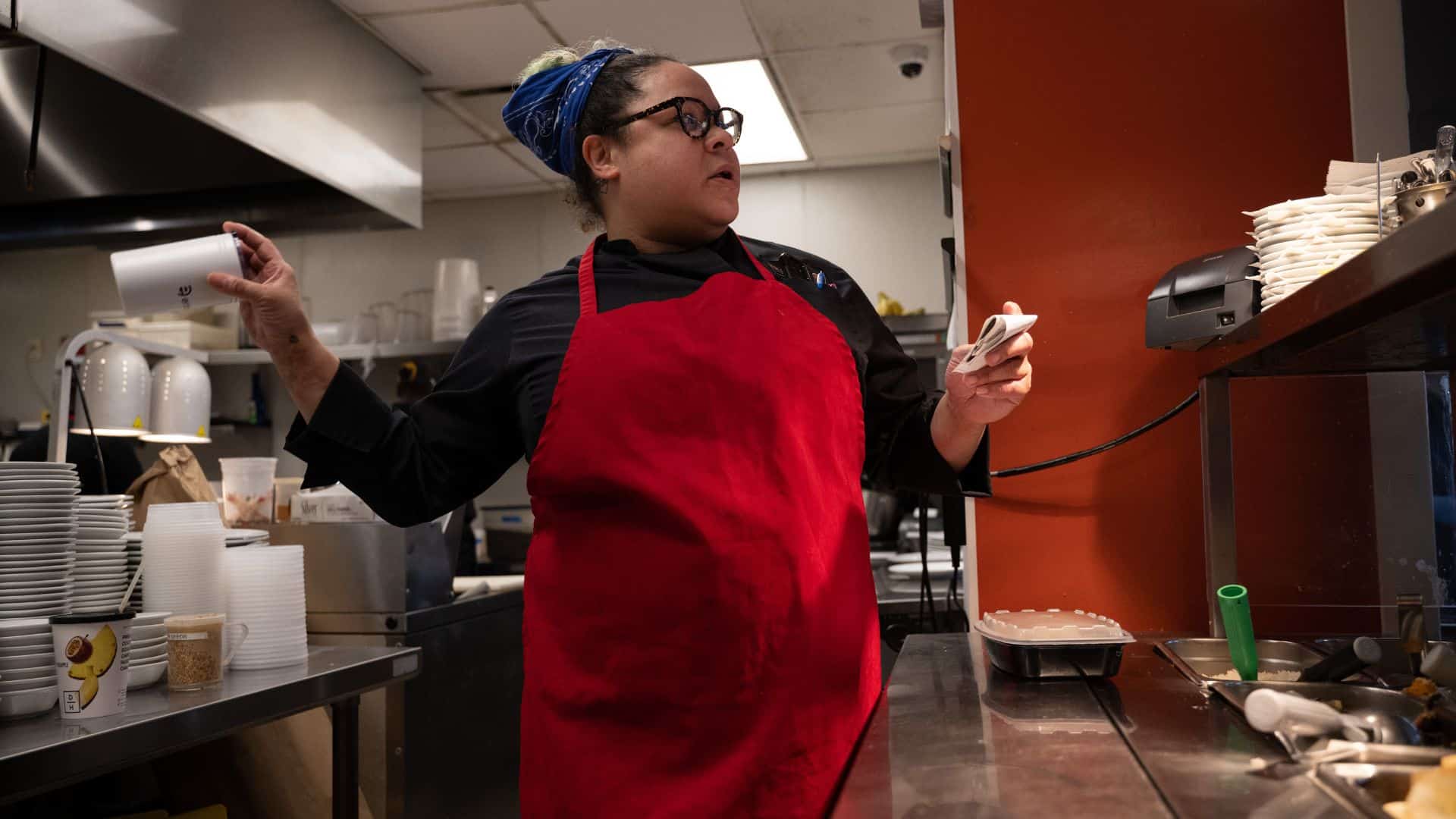
It would be easy to misread this backlash as hostility toward service workers. The survey makes clear that is not what is happening. A full 83% of respondents said tipping is good for workers. The anger is directed at the structure, not the people inside it. As WalletHub’s Chip Lupo noted, Americans are “fed up with increased tipping obligations” as a whole. The distinction matters, because any reform of tipping culture will have real consequences for the workers who depend on those dollars.
Even The Rules About Who Deserves a Tip Are Contested
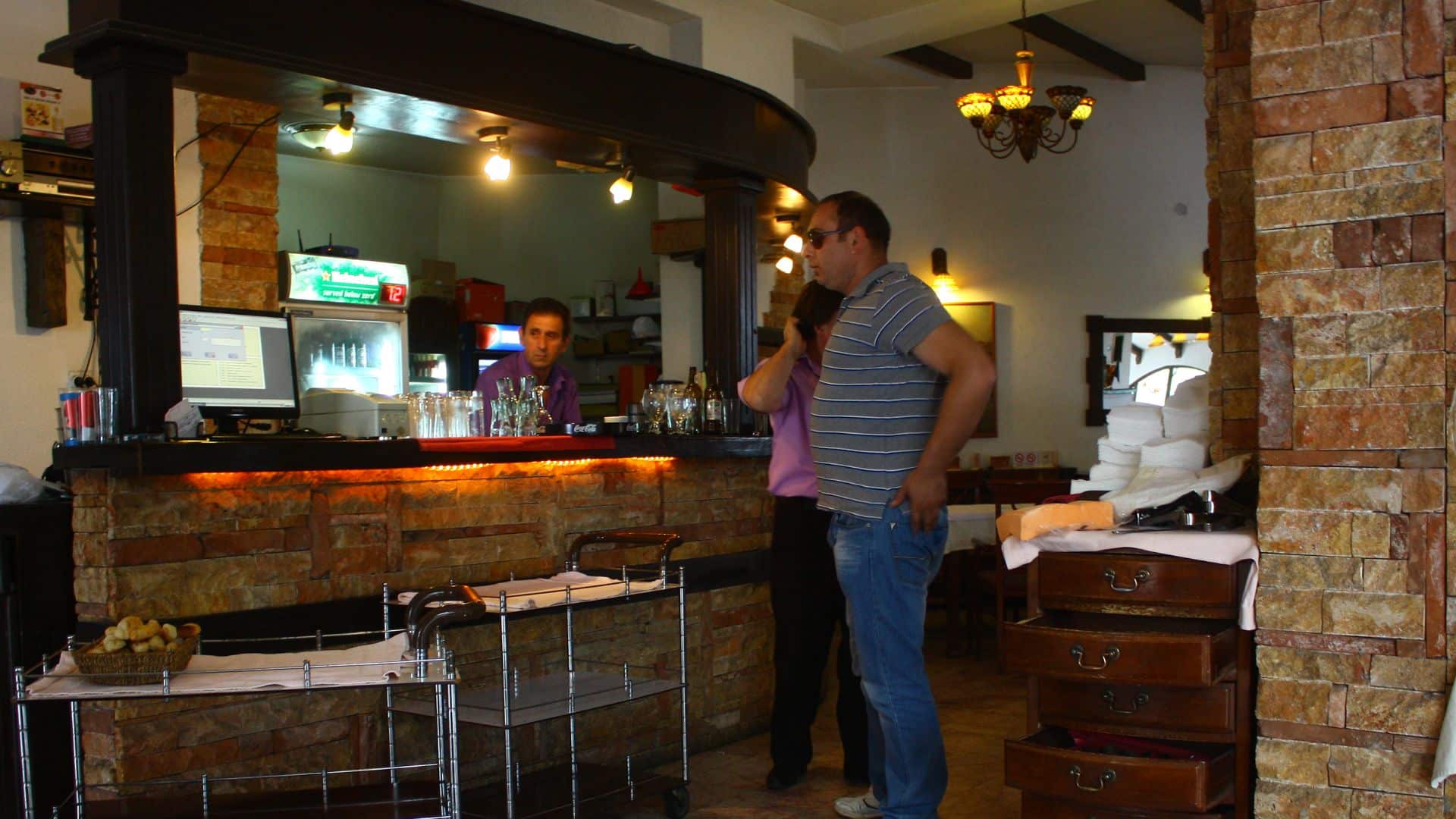
The confusion runs deeper than just where and how much to tip. The survey found that 67% of respondents believe tips should go only to employees who directly interact with customers, while 33% think they should be split among all staff. That split reflects how murky the rules have become. People are no longer just debating the size of the tip. They are questioning whether the person standing in front of them is even the one who will receive it, which adds another layer of distrust to an already strained transaction.
Some Want a Different System Entirely
Not everyone calling for change wants to eliminate tips without a replacement. According to the WCNC report on the survey, 40% of respondents said they would support replacing tipping with a performance-rating system that lets businesses adjust pay based on feedback. Others want higher base wages built into menu prices. Meanwhile, 83% support banning automatic service charges. The consensus is less about abolition and more about transparency: people want to know what they are paying and why.
A Reckoning Ahead
The WalletHub survey had just over 200 respondents, normalized by gender and income to reflect U.S. demographics, so it is not a national referendum. But the direction is hard to ignore. As the Philadelphia Inquirer noted, confusion and frustration over tipping have been mounting for years. Whether the fix is higher wages, banned service fees, or a new model entirely, one thing seems certain: Americans will keep tipping, grudgingly, until something structurally changes. The question is who blinks first — businesses, lawmakers, or consumers.