Americans Are Shocked by Tomato Prices as Some Reach $8 a Pound
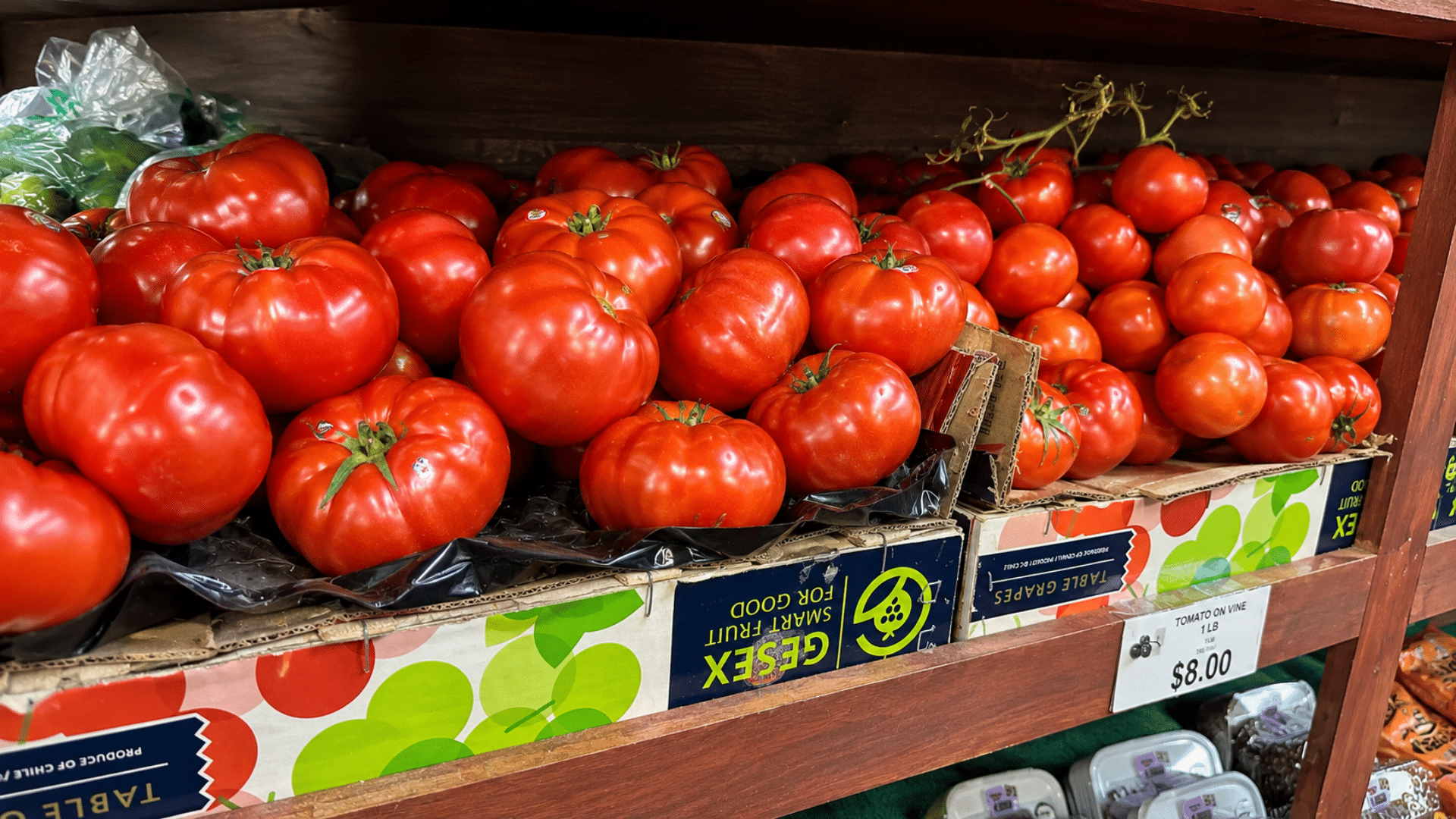

A tomato used to be an afterthought, cheap enough to slice onto any plate without a second thought. In 2026, some Americans are paying $8 per pound for them. Shoppers have pulled out their phones in grocery aisles, filming price tags in disbelief. Videos lamenting costs that quadrupled spread across social media, with some people vowing to plant a backyard garden just to avoid the expense. One common vegetable has become a flashpoint for America’s wider affordability crisis.
The Biggest Food Price Surge of the Year
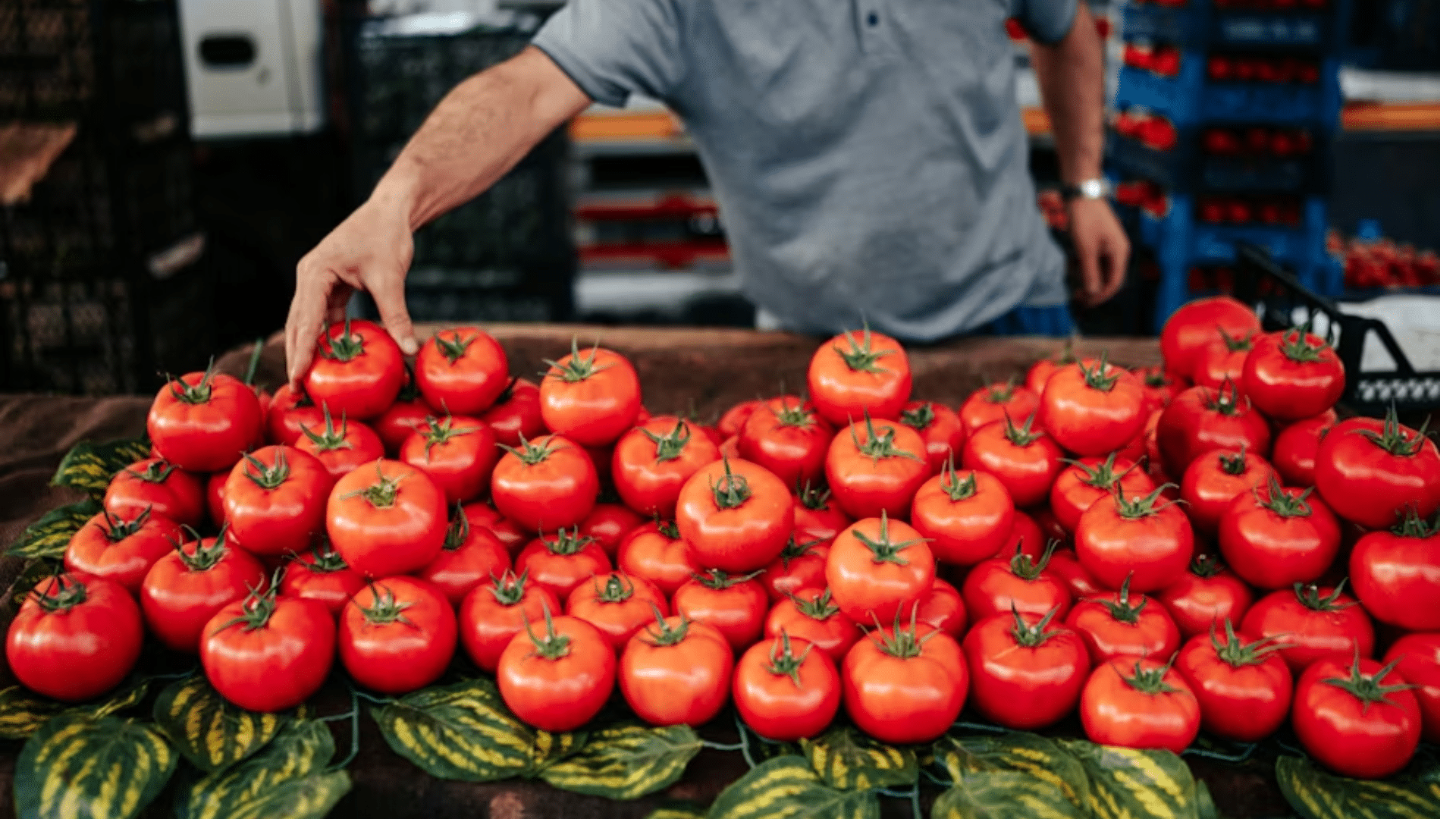
Tomatoes have outpaced every other food item in price growth over the past year. According to the Consumer Price Index, tomato prices are up roughly 40% compared to a year ago, far outstripping coffee, which rose 18.5%, beef roasts at 17.8%, and frozen seafood at 12%. In March 2026 alone, prices jumped 15.3%, the steepest single-month increase of any consumer good or service outside of energy. That kind of acceleration demands an explanation.
How a Trade Deal Quietly Disappeared
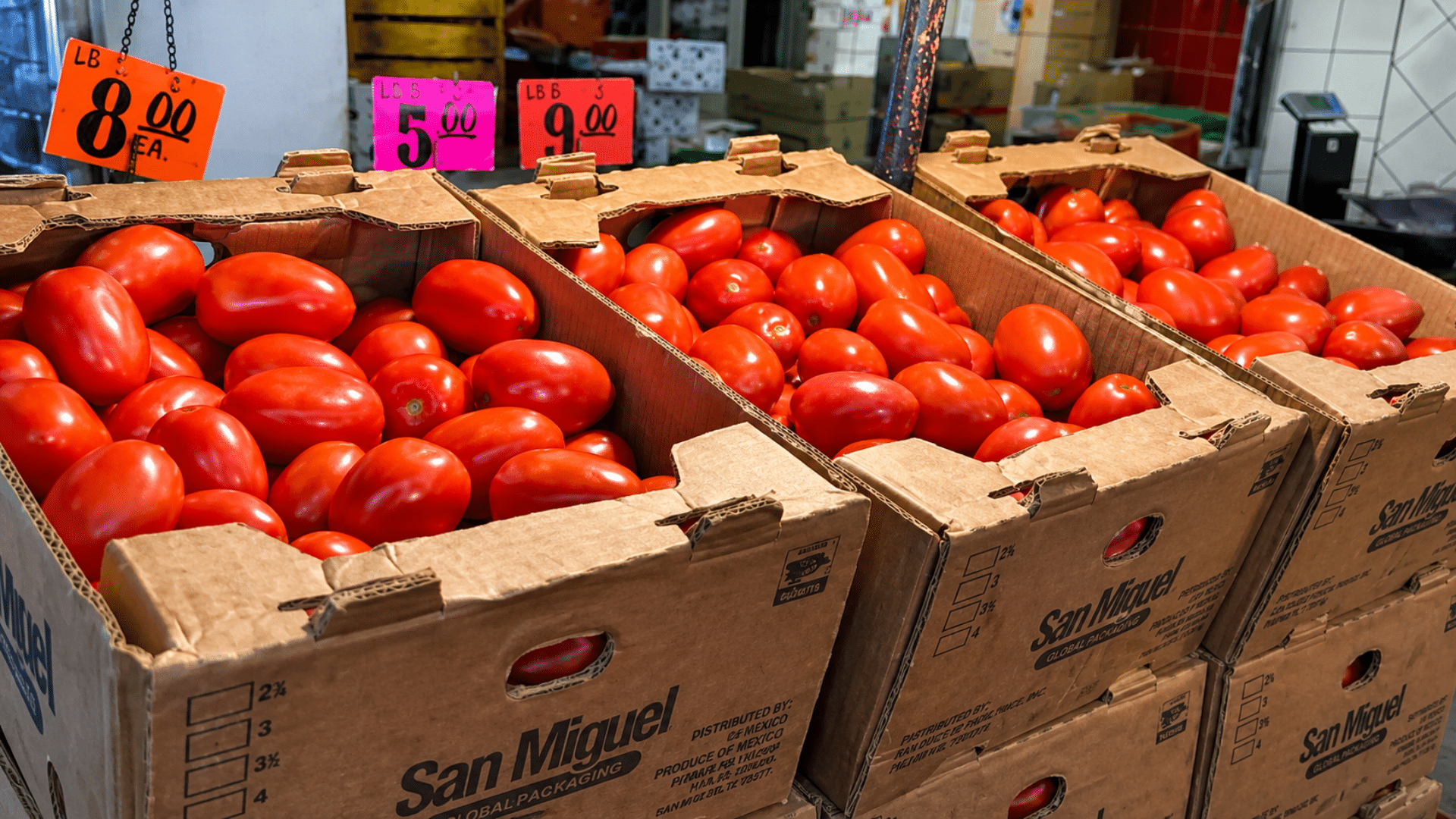
For nearly three decades, a bilateral agreement between the U.S. and Mexico allowed American importers to bring in tomatoes duty-free. In July 2025, the U.S. pulled out. The Commerce Department said the arrangement had failed to protect American tomato growers from unfairly priced Mexican imports. A 17% tariff on most Mexican tomatoes took effect immediately after. The move was hailed by domestic farmers. For grocery shoppers, the cost arrived a few months later.
Why Mexico Matters So Much
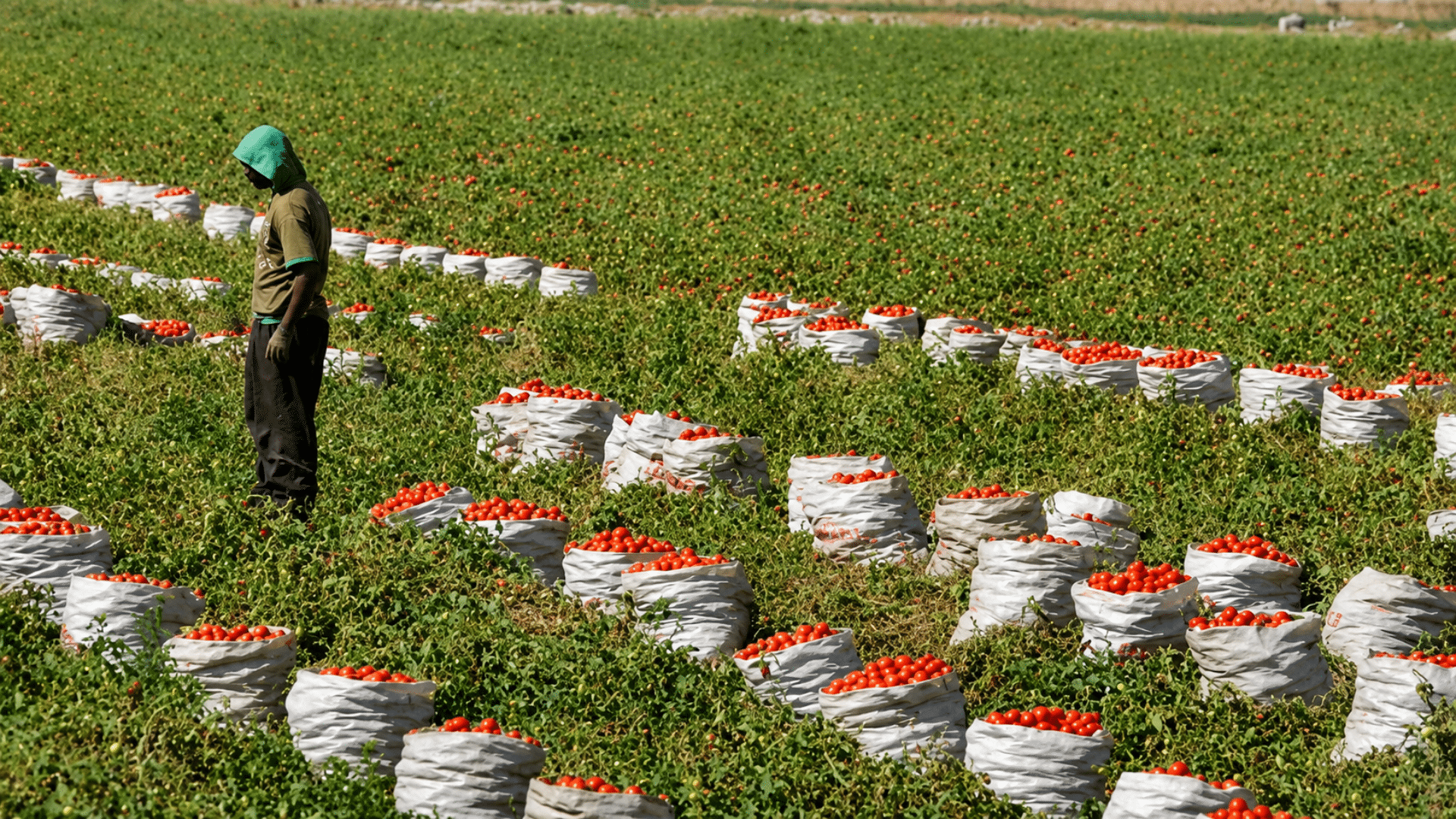
The scale of America’s dependence on Mexican tomatoes made the tariff’s impact inevitable. In 2025, nearly 90% of U.S. tomato imports came from Mexico, according to the Wells Fargo Agri-Food Institute. Of the estimated 2 million metric tons Mexico exported that year, 1.8 million went to the American market, according to USDA data. Brett Massimino, a business professor at Virginia Commonwealth University, says any change in trade policy with Mexico carries an outsized impact on U.S. tomato supply. That exposure left consumers with few alternatives.
The Tariff Bill Went From Thousands to Millions
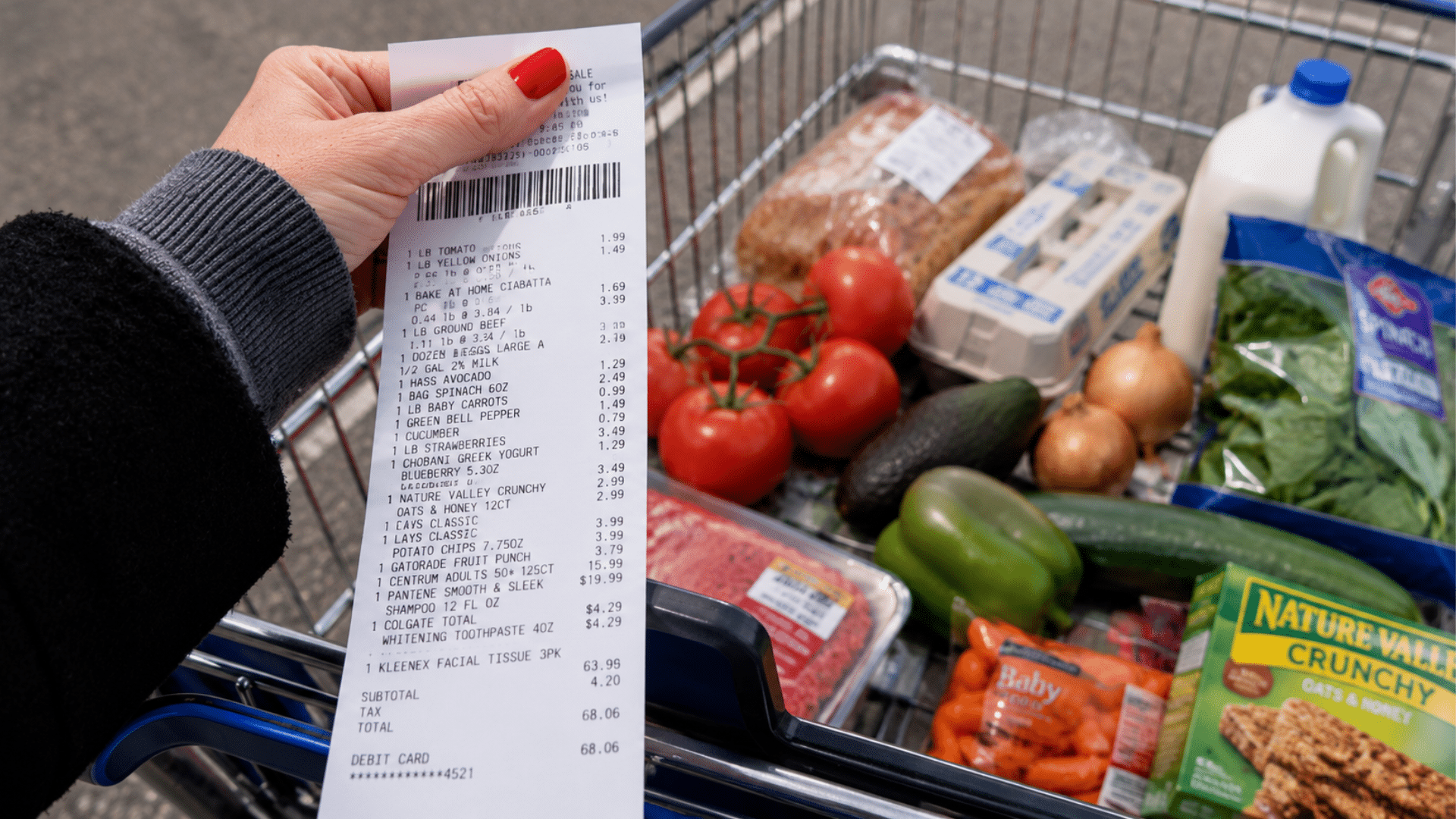
The financial footprint of the new policy is stark. Federal data shows U.S. tariff revenues from tomato imports surged from $16,424 in 2024 to nearly $4.6 million, a rise of roughly 27,879%. That is not the cost the government absorbed. It is the cost passed through importers, wholesalers, and retailers straight to consumers. Tomato imports from Mexico also declined by over $500 million, according to a report by Joseph Glauber, a senior fellow at the American Enterprise Institute. The supply shrinkage landed directly on grocery shelves.
War and Weather Piled On
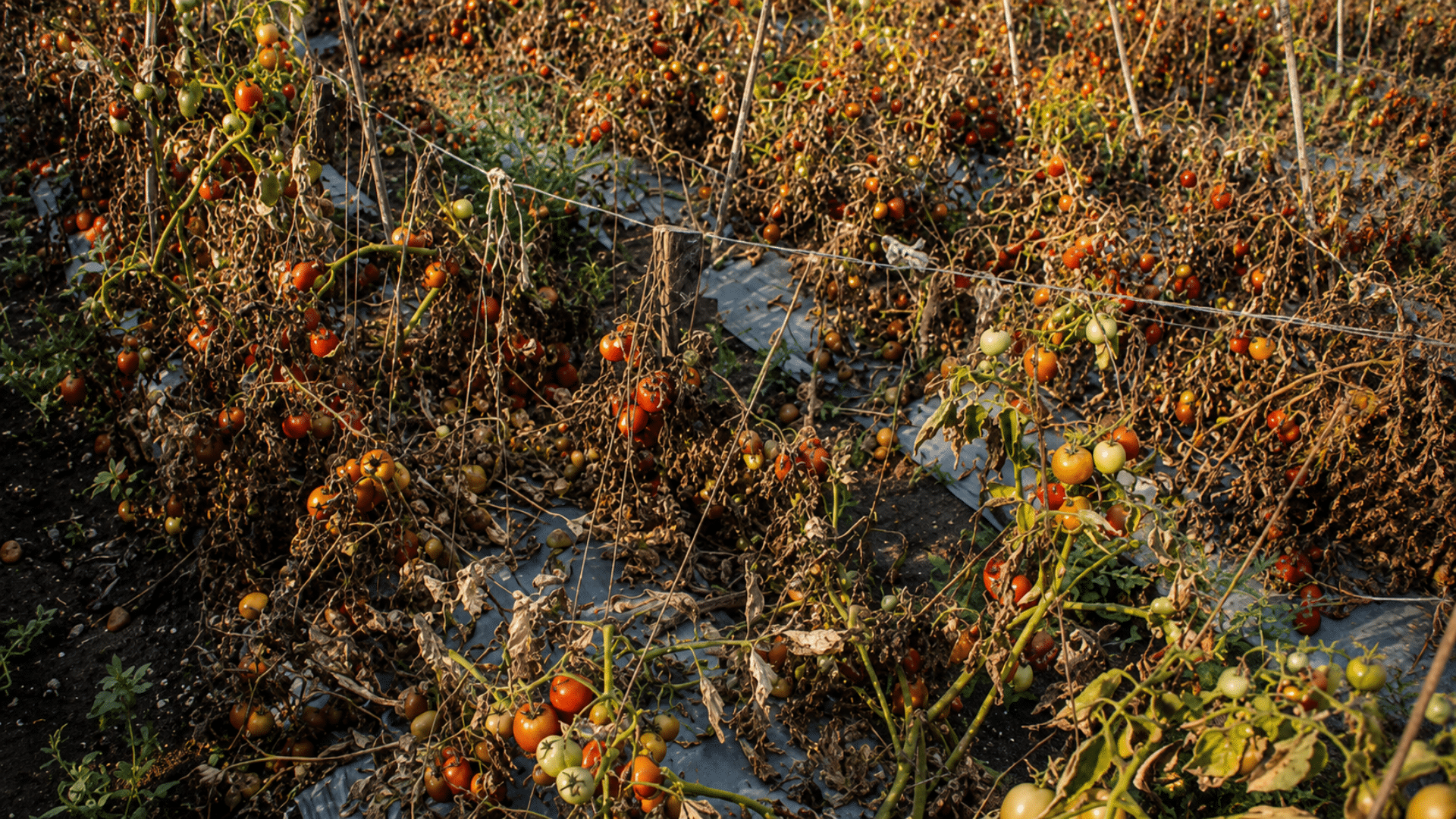
The tariff did not act alone. The early 2026 Florida freeze severely damaged tomato production, with estimated crop losses in that state reaching up to 80%. Florida is the country’s leading domestic tomato supplier. At the same time, higher diesel costs tied to the war with Iran drove up transportation expenses throughout the supply chain. A Hormuz blockade further disrupted logistics and contributed to a supply crunch during a critical seasonal window. Three simultaneous blows converged into one price shock at the checkout counter.
Restaurants Are Absorbing Millions in New Costs
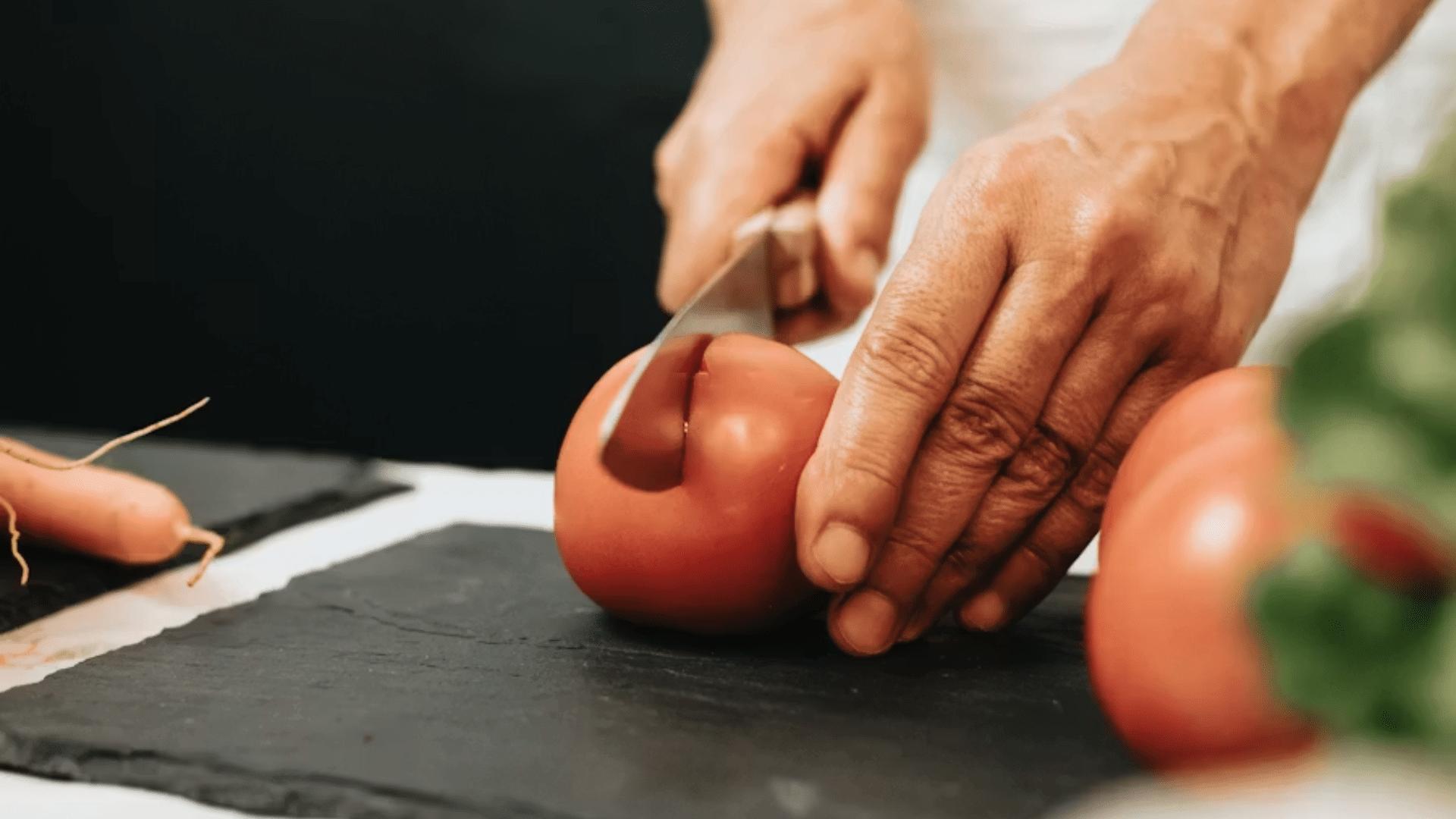
For businesses built around fresh tomatoes, the price surge has been catastrophic on the books. According to MarginEdge, which tracks restaurant ingredient costs, grape tomato prices jumped 65% in a single month, with increases across all tomato varieties. At Snarf’s Sandwiches, which includes a tomato in nearly every item it serves, a case of tomatoes that cost $27 a year ago now runs $93, and the company’s COO Wayne Humphrey says the ingredient alone accounts for over $1.7 million in additional annual spending. That math is forcing difficult decisions about pricing and margins.
A Chef’s Warning About Everyday Ingredients

The price shock has sharpened a broader conversation about access to basic food. New York City chef Isaac Bernal Carbajo says the tomato has come to represent something far deeper than a produce item, arguing that buying fresh vegetables is becoming a serious financial decision for many families. For some shoppers, tomatoes have already shifted from a staple into a luxury item. When a vegetable that once cost under $2 per pound becomes a budget consideration, it signals a meaningful shift in how Americans relate to their food supply.
Will Prices Come Down?
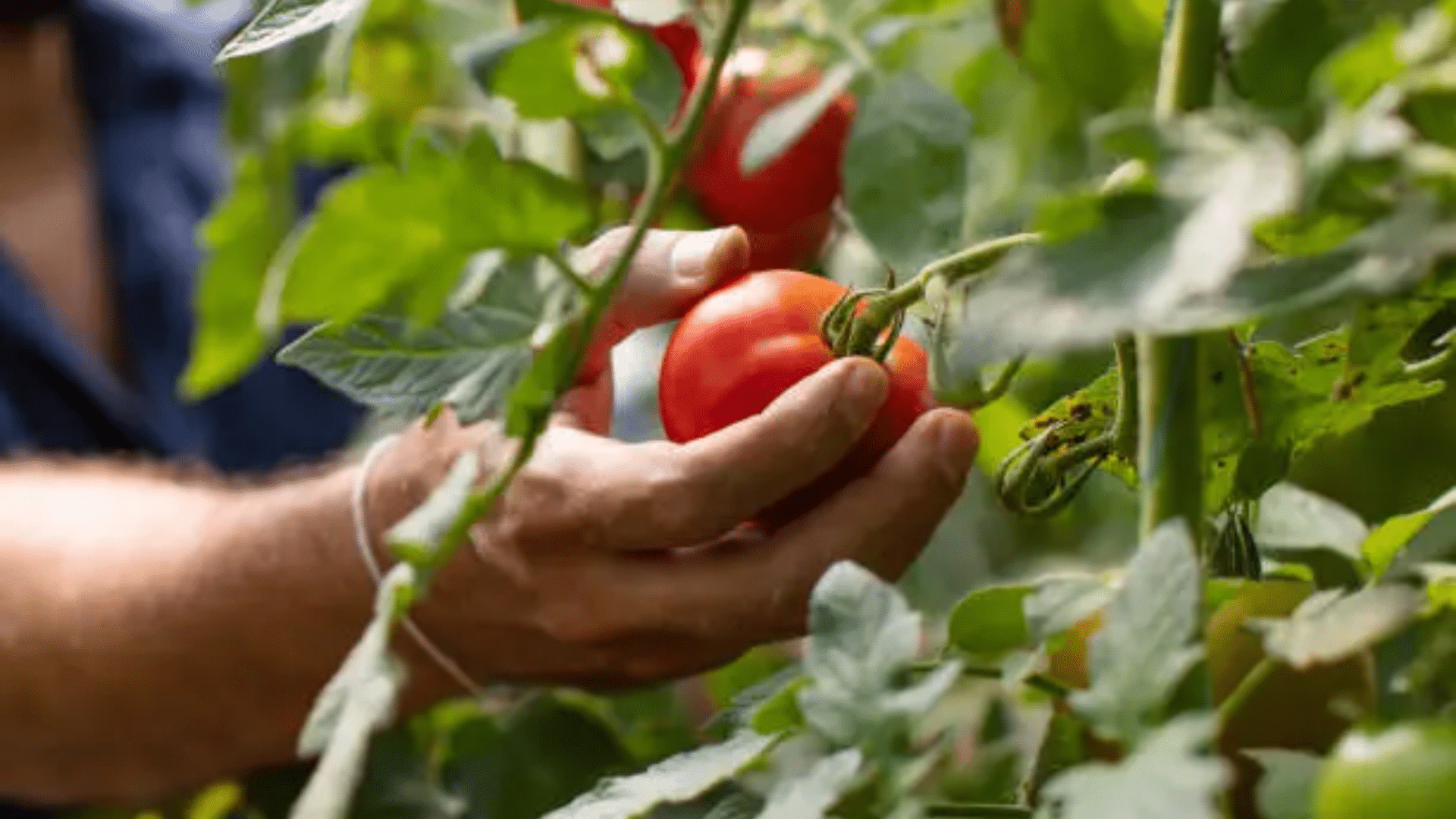
Some relief is possible, but not guaranteed. Phillip Coles, a supply chain professor at Lehigh University, says domestic harvests later in the year should ease pressure, and higher prices will eventually push farmers to plant more tomatoes, though expanding production takes time. However, Ricky Volpe, an agribusiness professor at California Polytechnic State University, says more pain for tomato prices remains likely in the near term. Experts predicted similar relief in mid-April 2026, and prices have continued climbing since then. The structural causes, including tariffs, have not changed.
One Vegetable, One Very Visible Problem
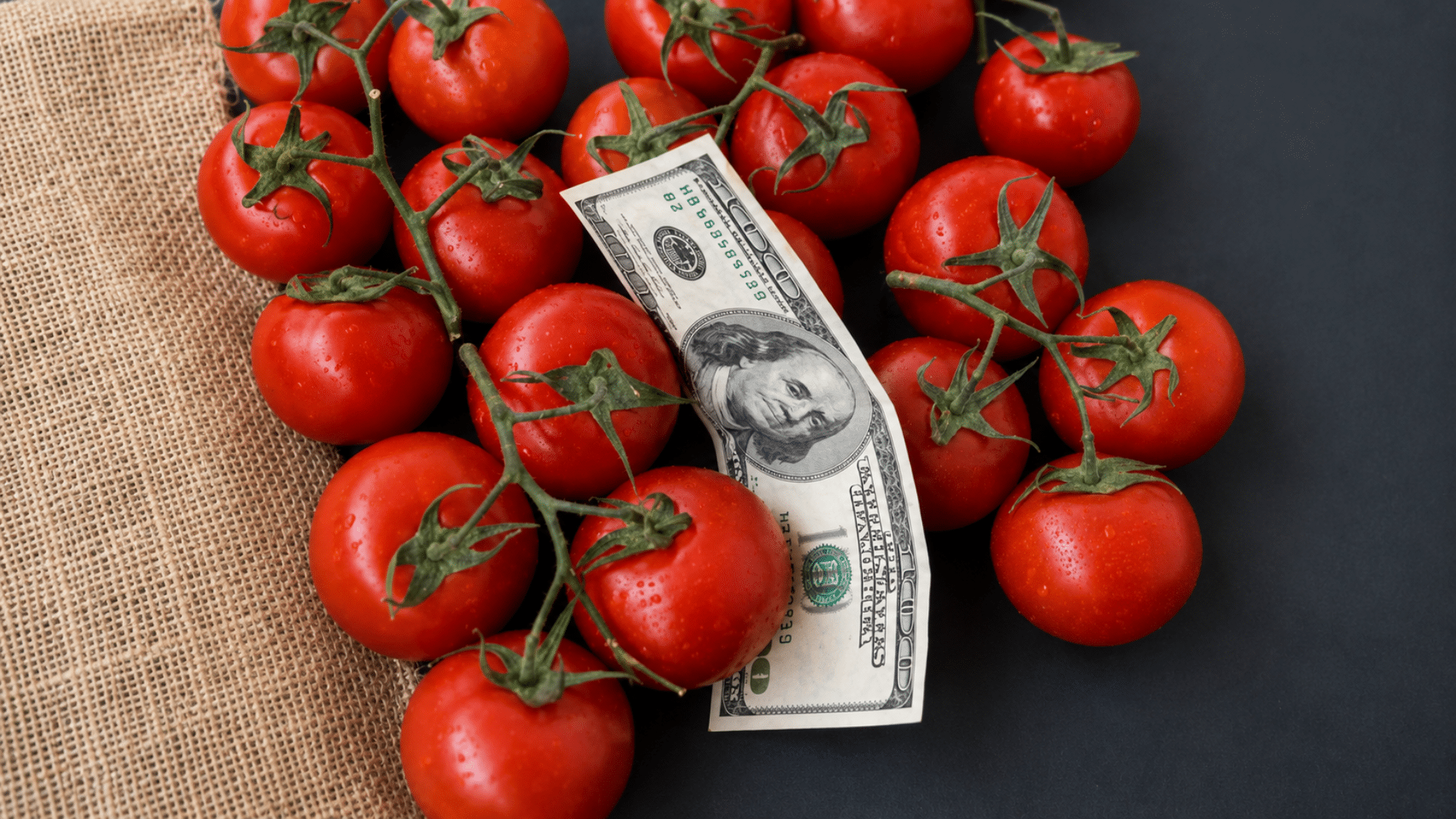
The tomato has done something that economic reports rarely manage: it made inflation personal and undeniable. A 2025 study found that Mexican tomato imports supported more than $8.3 billion in U.S. economic activity, underscoring just how deeply the supply chain touches American life. The tariff that was supposed to protect domestic farmers has redistributed the cost to consumers, restaurant owners, and the workers in between. A $8-per-pound tomato is no longer a curiosity. It is a receipt for the consequences of trade policy.