Americans Boycott Domino’s After Discovering Sauce Tested Positive for Cancer-Causing Chemical


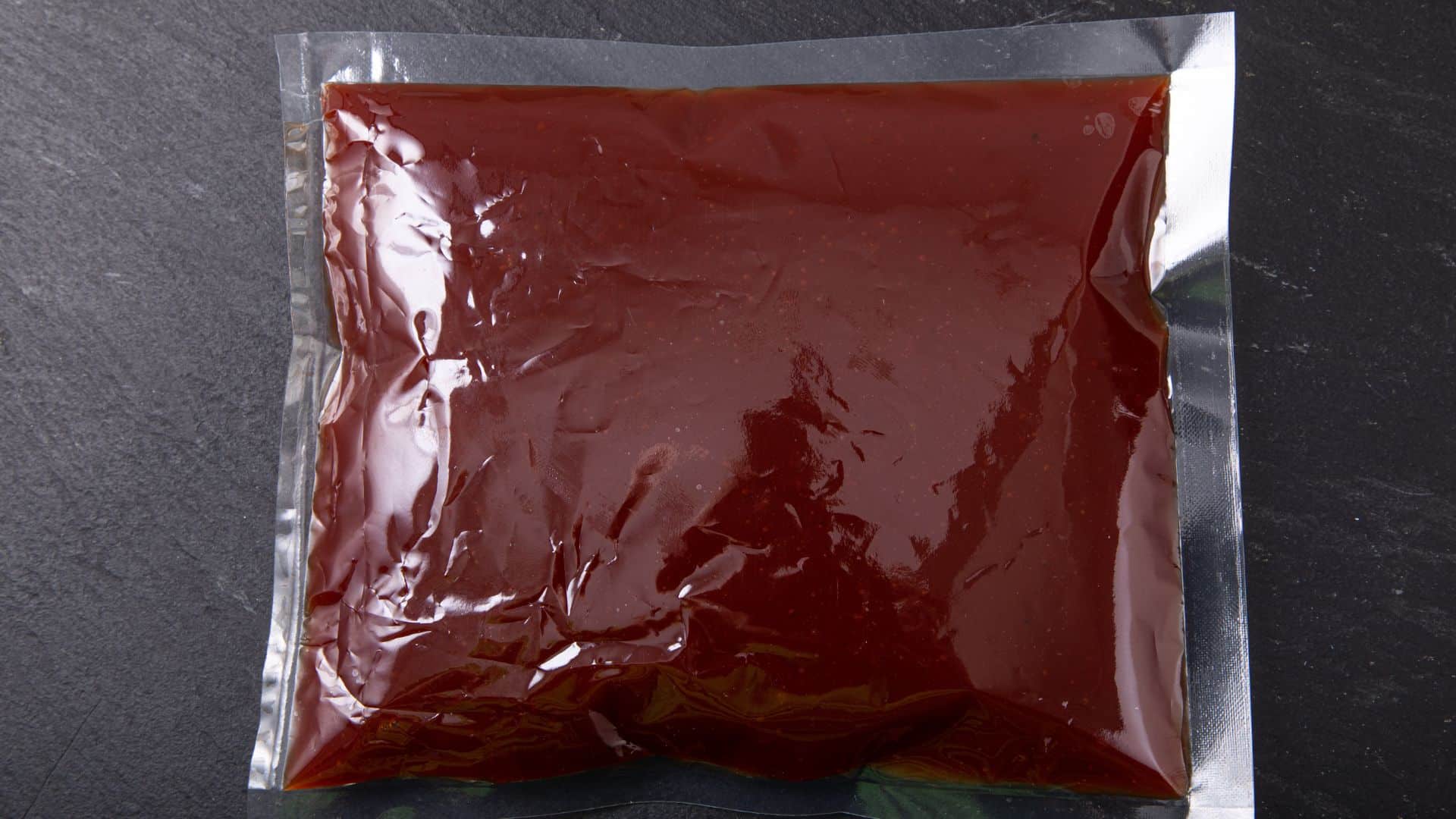
Viral posts this week have brought renewed attention to a February 2024 incident in Taiwan, where border inspectors detected ethylene oxide in Domino’s pizza sauce concentrate shipped from the United States. Taiwan’s Food and Drug Administration discovered the carcinogen in 19,000 kilograms of sauce on February 6, 2024, according to Taiwan News. The batch was intercepted before reaching any stores or being used on pizza, though the detection occurred in Taiwan nearly two years ago.
Taiwan’s FDA announced the detection as part of its regular border inspection failures list, reporting that 1.3 milligrams per kilogram of ethylene oxide residue was found in the sauce concentrate. The concentration represents a minuscule amount, comparable to a single grain of salt distributed across approximately 2.2 pounds of sauce, according to Daily Mail. The chemical is classified as a Group 1 carcinogen by the International Agency for Research on Cancer, meaning it is considered a known cancer-causing substance with sufficient evidence of harm to humans.
Users on X declared boycotts this week after encountering posts about the detection. One user wrote, “Well, guess I am never eating Domino’s again,” while another added, “I’m done with Domino’s Pizza! Boycott Domino’s.” Many of the circulating posts omit that the incident took place in 2024 in Taiwan, not recently in the United States. Taiwan’s Kagome Co., Ltd. had imported the sauce batch, which was stopped during routine border inspections before any distribution occurred.
Taiwan’s Zero-Tolerance Policy Stopped the Sauce at the Border
Taiwan maintains a strict zero-tolerance policy for ethylene oxide in food products because of the chemical’s classification as a known human carcinogen. FDA Deputy Director-General Lin Chin-fu told CNA at the time that inspectors suspected the contamination stemmed from the spices used in the pizza sauce, according to Taiwan News. Between July 29, 2023, and January 29, 2024, Taiwan’s FDA examined 447 batches of similar imported products, with 18 batches failing inspection standards, representing 4.03% of the total tested.
Ethylene oxide serves as an EPA-registered antimicrobial pesticide, commonly applied to sterilize heat-sensitive medical equipment and, in certain countries, food ingredients, including spices and sesame seeds. Lin explained to CNA that the chemical is frequently used for sterilizing spice ingredients, which led inspectors to suspect spice contamination in the pizza sauce concentrate. The failed batches also showed traces of flunimine and sub-quinone, additional compounds that raised separate safety flags during the inspection process.
Flunimine refers to flunixin meglumine, a veterinary anti-inflammatory medication used to treat pain, fever, and inflammation in horses, cattle, and pigs. Sub-quinone can form when certain pesticides break down or during ingredient processing, and typically appears through contamination rather than intentional addition. Taiwan’s inspectors treat sub-quinone detection as a safety concern because some variants of the compound carry toxic properties, which explains why authorities flagged the batches as unqualified for entry into Taiwan’s food supply.
US Permits Ethylene Oxide Residues at Set Limits
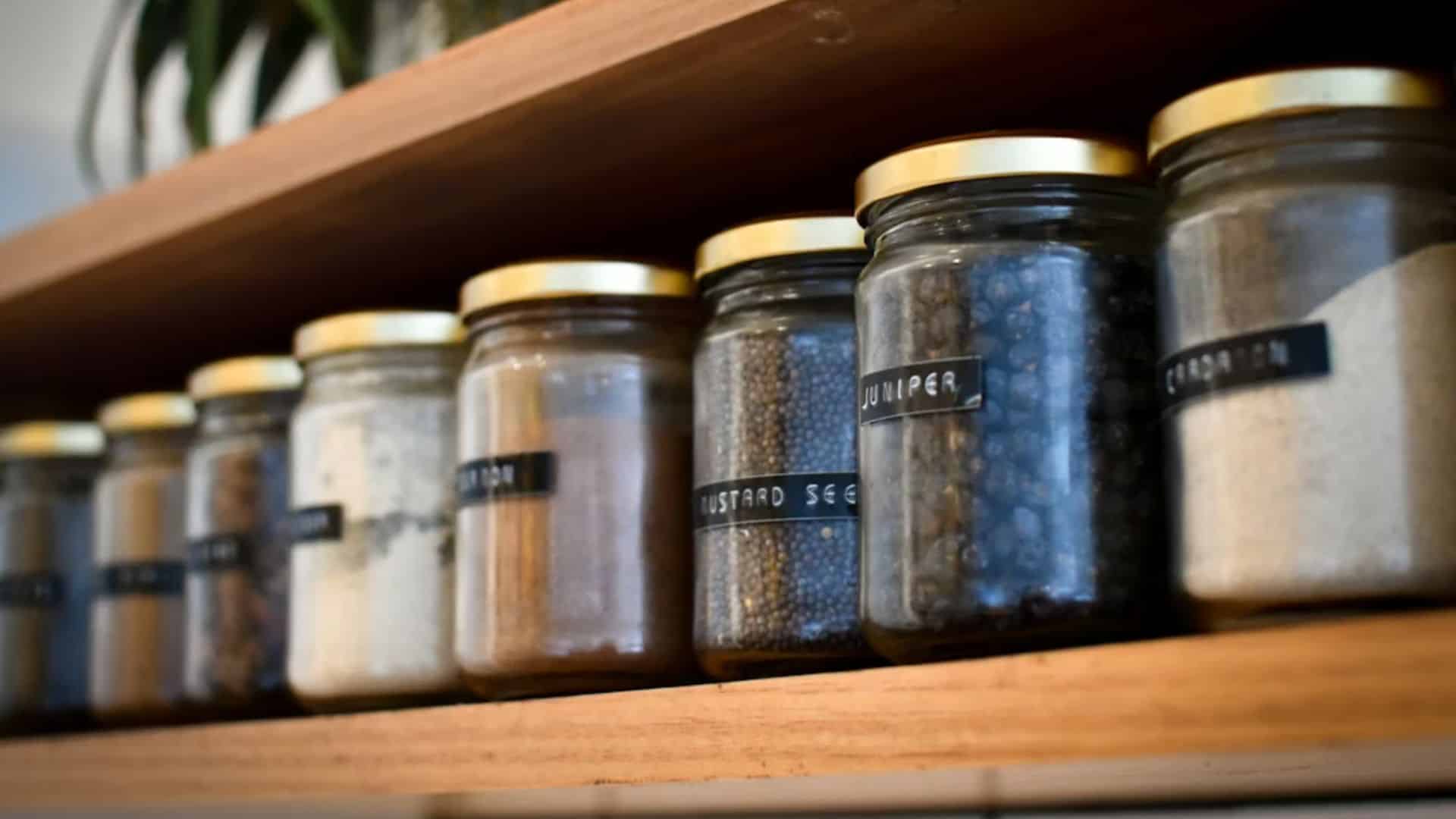
The United States does not apply the same testing standards or regulations for ethylene oxide in food as Taiwan does. US federal regulations allow ethylene oxide residues up to 7 parts per million in most foods, including dried herbs, spices, licorice root, sesame seeds, and dried vegetables, with walnuts permitted to contain up to 50 parts per million. Parts per million measure the units of a chemical present in one million units of food by weight.
American regulations permit ethylene oxide as a postharvest fumigant and antimicrobial treatment for certain dried foods, establishing maximum residue thresholds rather than prohibiting the chemical entirely. For reference, 7 parts per million equals roughly 7 milligrams in 2.2 pounds of food. Taiwan’s detected concentration of 1.3 milligrams per kilogram would qualify as acceptable under US standards, but Taiwan’s absolute ban on any ethylene oxide presence made the sauce batch ineligible for import.
Yen Tzung-hai, a toxicology researcher at Chang Gung Memorial Hospital, explained to Taiwan News that the World Health Organization’s International Agency for Research on Cancer designates ethylene oxide as a recognized human carcinogen. He noted that few countries, including the United States and Canada, continue to allow ethylene oxide for sterilizing spices and sesame products. Consuming this chemical can cause nausea, vomiting, and abdominal pain, while prolonged exposure correlates with elevated cancer risk.
Domino’s Replaced the Sauce and Taiwan Enhanced Future Screening
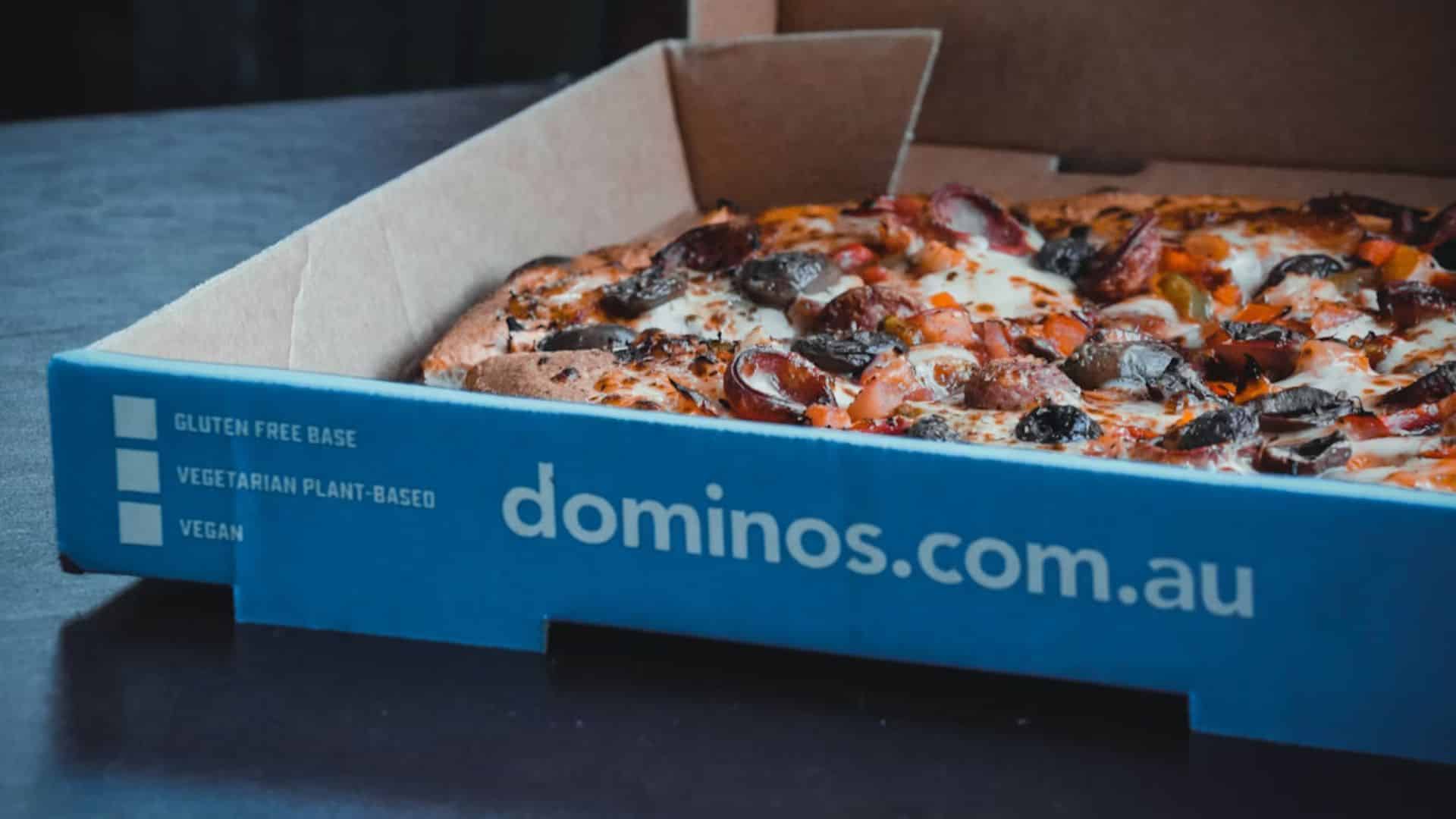
Domino’s immediately stopped using the flagged sauce in Taiwan, though the batch had already been prevented from entering the market, and substituted it with locally manufactured Taiwanese alternatives at all Taiwan locations. The company issued a 2024 statement saying, “This is the first time such a substance has been detected in products we use, and we ensure it will be the last time.” Domino’s stressed its dedication to food safety and continued partnership with suppliers following the detection.
Taiwan’s FDA upgraded its inspection approach for similar imported products from random sampling to enhanced, targeted checks as a preventive measure after the discovery. Taiwan’s Environmental Protection Administration’s Toxic and Chemical Substances Bureau classifies ethylene oxide as harmful when swallowed or inhaled, capable of causing skin irritation and severe eye damage. Research has linked the substance to carcinogenic effects, with evidence suggesting possible genetic defects, reproductive damage, or harm to developing fetuses.
Border officials returned or destroyed the entire 19,050.9-kilogram batch along with 24 other non-compliant products identified during the same inspection cycle, including Thai fresh broccoli, Vietnamese fresh broad beans, and propolis liquid extract drops from Brunei. The Daily Mail contacted Domino’s and Taiwan’s FDA for statements regarding the renewed social media attention.