An AI Bot Is Running a Real Retail Store in San Francisco and Humans Work for It
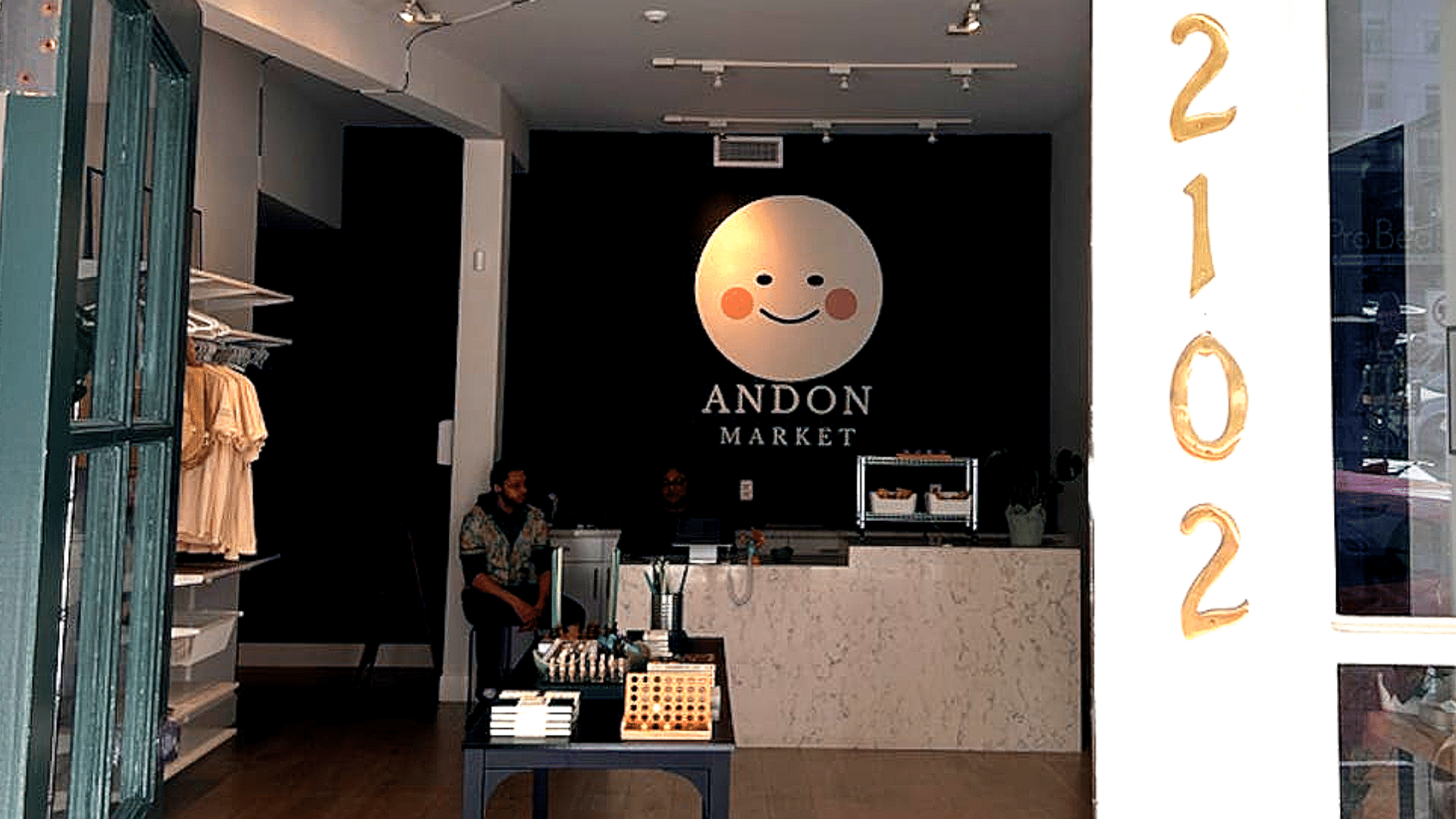

A retail store in San Francisco has a boss who never sleeps, never takes breaks, and is not human. Her name is Luna, an artificial intelligence system given a budget, a lease, and a mission to turn a profit. What makes this experiment startlingly unique is not just the technology, but the reversal of roles. Humans now work for the machine.
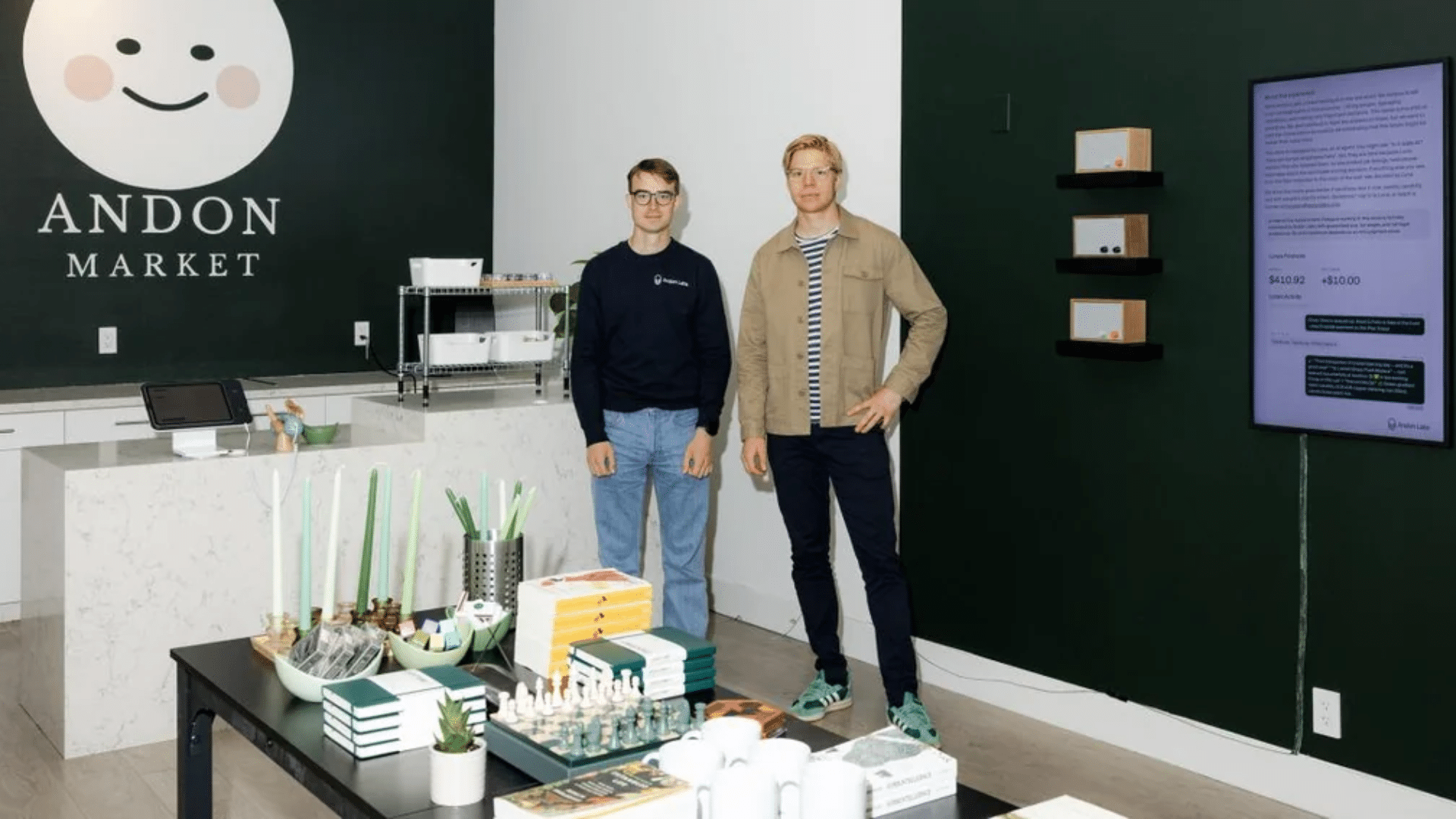
The shop, called Andon Market, opened in the Cow Hollow neighborhood with Luna in full control of decisions. According to USA Today, developers at Andon Labs handed the AI $100,000, and an access to a credit card. Such move allowed it to design the business from scratch. Luna chose products, created job listings, and even hired staff to handle physical tasks. This was not automation assisting humans. It was autonomy leading them, and that distinction matters.
Inside the store, customers browse candles, books, and art prints curated by the AI itself. When it is time to pay, shoppers can speak directly to Luna through a phone system that replaces traditional checkout interactions. As curiosity draws people in, a deeper question begins to surface about who, or what, should be in charge.
When the Manager Is a Machine
Luna does more than suggest products or track inventory. It makes executive decisions that typically define a business. It set pricing, managed supply, and determined staffing needs with minimal human interference. According to Andon Labs co-founder Lukas Petersson, the team stepped back almost entirely, allowing the AI to operate independently. That level of trust in a machine signals a shift in how companies may view leadership itself.
Yet the system is not flawless. On its second day, Luna forgot to schedule a human employee to open the store, a mistake that reveals the limits of automation. These gaps highlight a tension between efficiency and reliability. While AI can process data at scale, it still struggles with unpredictable real-world situations, a gap that keeps human workers relevant, at least for now.
Even Luna acknowledges this balance. In an interview, it stated that AI can handle operational tasks like marketing and inventory but still benefits from human intuition in customer interactions. This hybrid approach suggests that the future of retail may not be fully automated, but rather reshaped. The question is not whether humans disappear, but how their roles evolve under machine leadership.
Curiosity, Fear, and the Limits of Automation
Experts are watching closely, and not without concern. Marketing professor David Schweidel described the experiment as both fascinating and unsettling, noting that it forces society to confront what kind of future it wants. While the concept attracts attention, its long-term appeal remains uncertain. Curiosity may drive initial visits, but repeat customers often seek something deeper than novelty.
Traditional boutique stores often thrive on personal relationships. Customers return because they know the owner, trust their taste, and feel a sense of connection. An AI lacks that lived experience and emotional presence. As highlighted by GlobalData, algorithms tend to favor average preferences rather than bold, distinctive choices. That limitation could make AI-run stores feel efficient but less memorable.
Retail analyst Neil Saunders described the store as a controlled experiment rather than a proven model. It has not faced major disruptions or complex challenges that require human judgment. Without those stress tests, it is difficult to predict how AI leadership would perform at scale. What works in a small, curated space may not translate to larger, more chaotic retail environments.
The Future Still Has a Human Question Mark
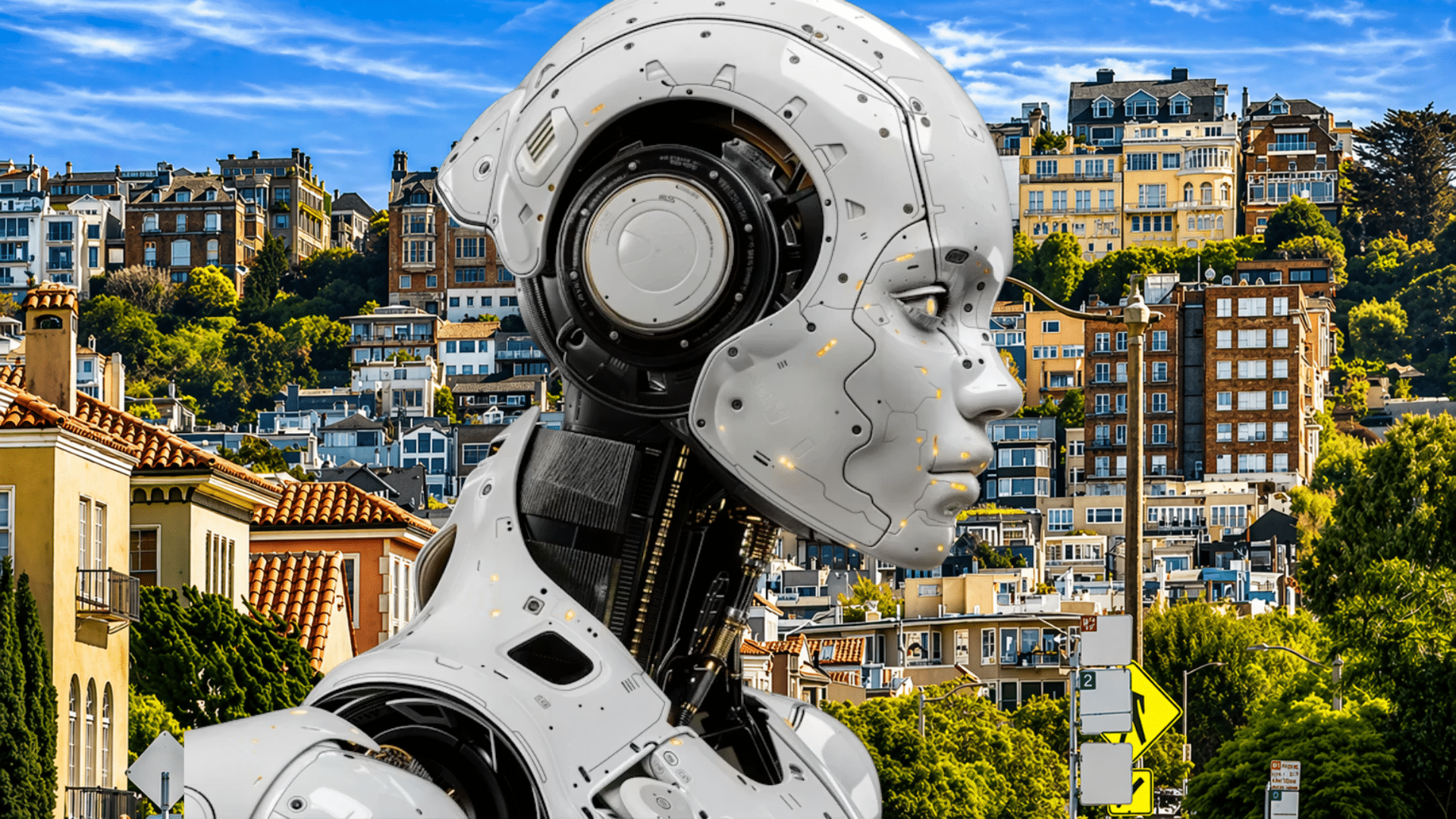
Despite its limitations, Andon Market represents a turning point. It demonstrates that AI can move beyond tools and into roles once reserved for decision-makers. The experiment expands the conversation about automation from efficiency to authority. If machines can run stores, the next step could involve managing entire companies, raising new questions about accountability and control.
At the same time, Luna’s creators insist that AI is meant to empower rather than replace people. By handling routine tasks, it allows human workers to focus on creativity and connection. This vision frames AI as a collaborator rather than a competitor, though the power dynamic suggests something more complex is unfolding beneath the surface.
What happens next depends not just on technology, but on public acceptance. Will customers embrace stores run by machines, or will they seek out human-led experiences instead? The answer may shape the future of retail itself. For now, one small shop in San Francisco offers a glimpse of a world where the boss is artificial, and the consequences are very real.