Analysts Says That These 5 Sandwich Chains Could Be at Risk of Bankruptcy in 2026

The sub sandwich industry has long been a reliable corner of American dining, but analysts say the category is entering a more fragile phase. Rising costs, changing consumer habits, and franchise-level financial stress are pushing several once-familiar brands into risky territory as 2026 approaches.
According to industry analysts, a few of the major sandwich chains show elevated risk of bankruptcy, restructuring, or significant store closures if current trends continue. These warnings don’t suggest collapse is inevitable, but they highlight how thin margins and heavy competition are reshaping the fast-casual landscape.
The concerns come amid a broader pullback from casual dining, as consumers scale back discretionary spending and favor quicker, cheaper options. Sandwich chains that fail to adapt may find themselves especially exposed.
5 Chains Analysts Are Watching
Subway continues to face pressure even as the largest sandwich chain by global unit count. After years of contraction in the U.S., Subway closed 631 domestic locations in 2024, dipping below 20,000 stores for the first time in two decades, a move tied to efforts to optimize its footprint amid evolving consumer preferences and franchise cost pressures.
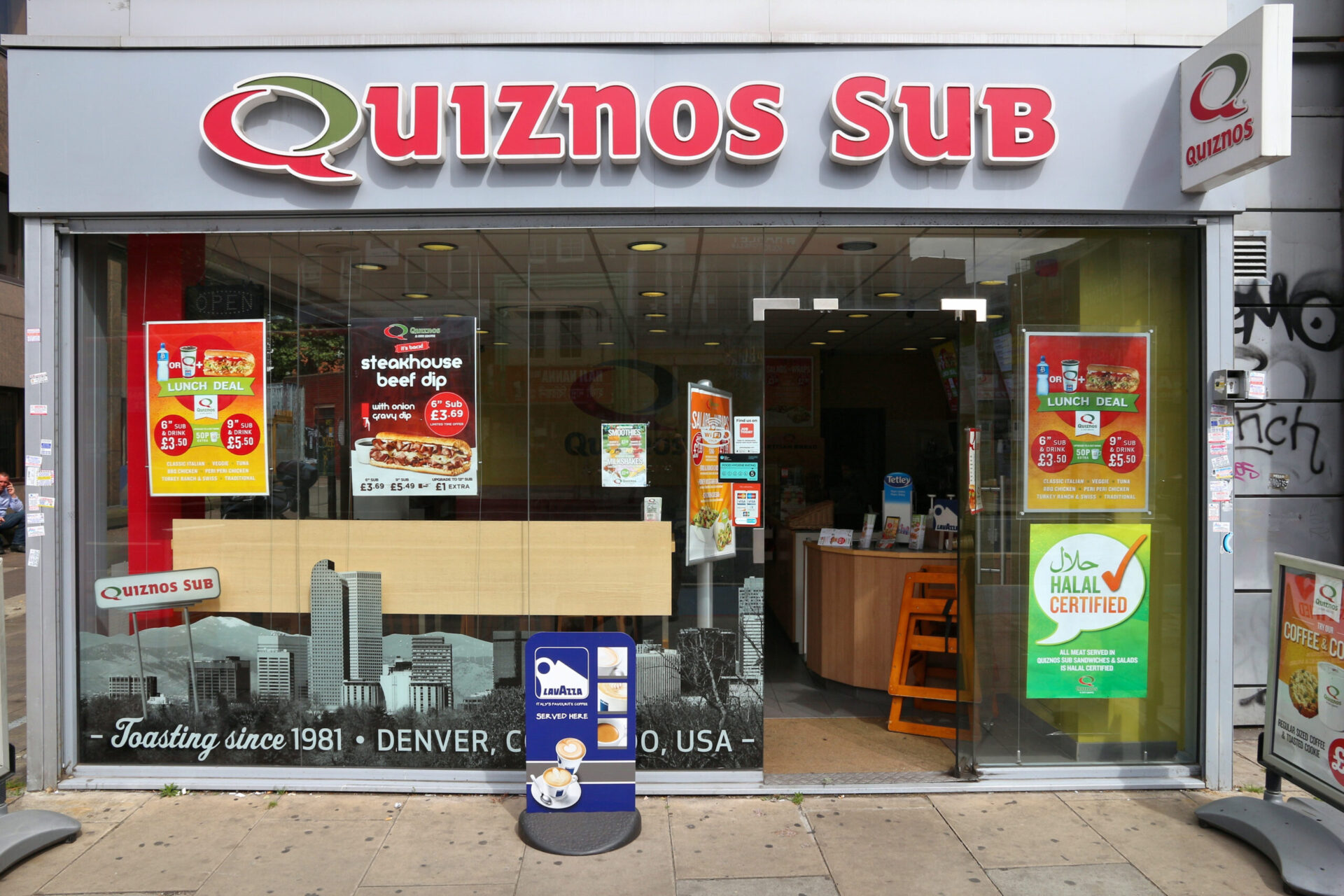
Quiznos tells a cautionary tale of rapid rise and steep decline. Once boasting nearly 5,000 U.S. locations, the chain filed for Chapter 11 bankruptcy in 2014 and has since shrunk to a fraction of its former presence, with fewer than 200 restaurants remaining nationwide, a collapse industry analysts view as emblematic of franchise and competitive challenges. Which Wich has also seen its footprint narrow sharply after reaching roughly 430 outlets at its peak. By 2023, the store count had dropped to about 220 and continued declining as franchisees exited and closures mounted, developments that signal uneven performance across its system.
Firehouse Subs operates a smaller scale of roughly 1,210 locations compared with larger rivals but has worked to expand under its parent, Restaurant Brands International, after its acquisition in 2021. Its market position and costs in a competitive casual sandwich segment remain part of analysts’ evaluation of earnings resilience. Even Jersey Mike’s, which has enjoyed rapid unit growth over recent years with a robust franchise model and roughly 3,500 stores, is scrutinized for how sustained expansion might strain profitability if consumer spending softens or franchise support proves inconsistent.
What’s Putting Pressure on These Sandwich Chains

Analysts point to a mix of internal and external challenges weighing on sandwich chains. Inflation has driven up the cost of bread, meat, cheese, and labor, while rent and utilities continue climbing for franchise operators.
At the same time, the sandwich category has become crowded. Fast-casual competitors and delivery-focused brands have eaten into market share, leaving traditional sub shops fighting harder for foot traffic and relevance
Franchise-heavy models amplify the risk. When operators struggle with profitability, the financial stress often cascades upward, weakening the entire system and limiting a brand’s ability to invest in updates or innovation.
What This Signals for the Future of Sandwich Chains
Industry experts say bankruptcy risk does not necessarily mean brands will disappear. Many restaurant bankruptcies take the form of Chapter 11 restructurings, which allow chains to renegotiate leases, close underperforming stores, and stabilize operations
Still, the warning signs are hard to ignore. Analysts say sandwich chains that rely heavily on processed ingredients, dine-in traffic, and older formats are especially vulnerable as consumers shift toward convenience, value, and perceived freshness.
As 2026 approaches, the gap between winners and losers in the sandwich space is likely to widen. Brands that adapt quickly may survive the pressure, while others could find themselves joining the growing list of restaurant chains forced to rethink their future.