Another 83,800 Bags of Frozen Radioactive Shrimp Recalled From Major Stores
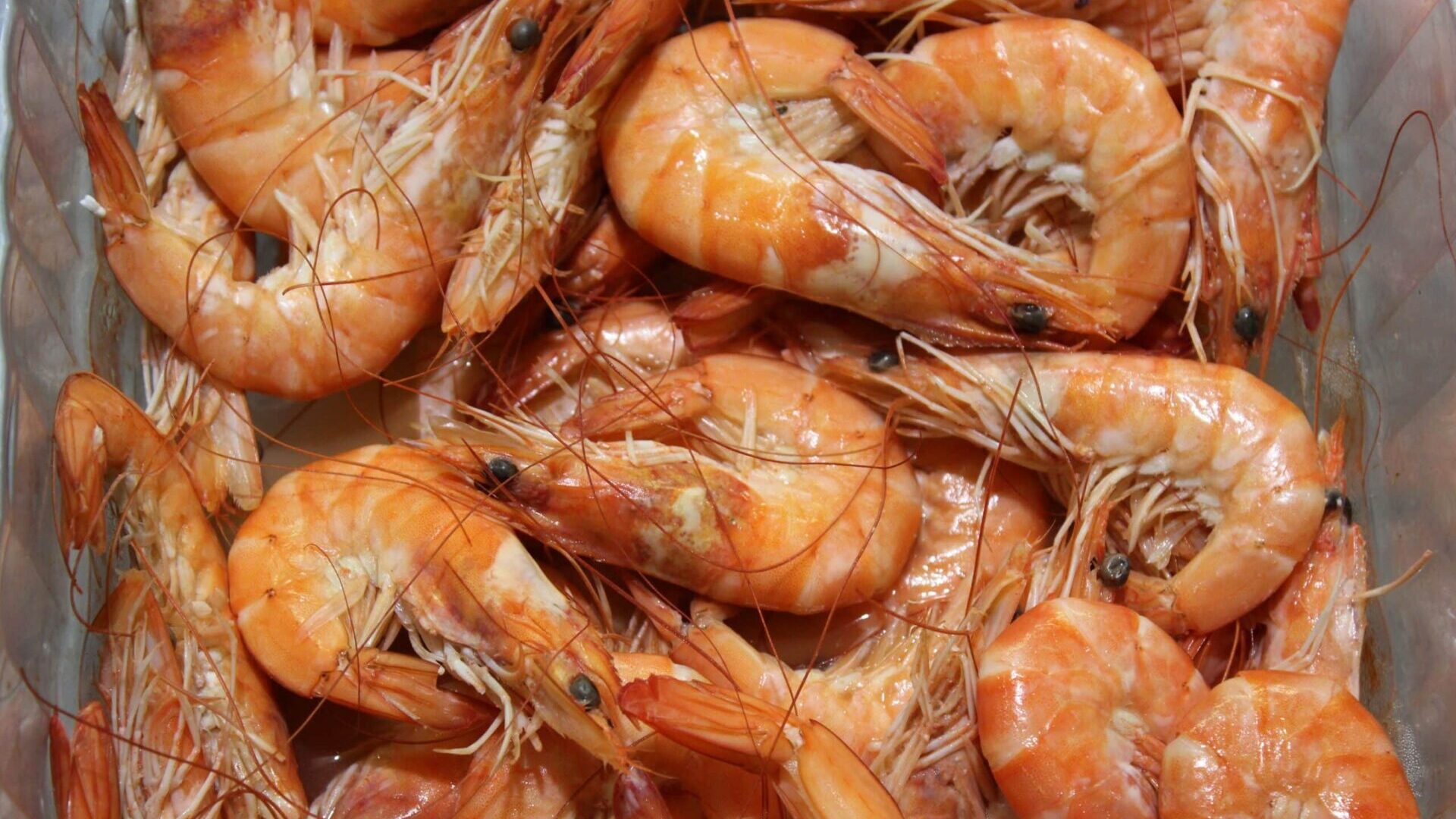

Frozen shrimp is a staple in many American kitchens — affordable, convenient, and easy to keep on hand for quick meals. But for thousands of shoppers across the country, that freezer staple has suddenly become a source of concern. More than 80,000 bags of frozen shrimp sold in grocery stores across multiple states are now being recalled after federal officials warned of possible radioactive contamination. The recall, announced by the Food and Drug Administration, is part of a growing investigation into imported seafood linked to cesium-137, a man-made radioactive substance that can pose health risks with repeated exposure.
While no illnesses have been reported, the scope of the recall and the unusual nature of the contamination have raised questions among consumers about food safety, import controls, and what to do if the affected shrimp is already sitting in their freezer. The recall spans multiple brands, states, and major grocery chains — and it may not be the last.
The shrimp being recalled was imported from Indonesia and distributed nationwide under two different brand names. According to the FDA, the products may have been prepared, packed, or held under unsanitary conditions that could have allowed contamination with cesium-137. While officials stress that the risk to the public remains low, they emphasize that caution is necessary when dealing with potential radioactive exposure.
Which Shrimp Products Are Included in the Recall
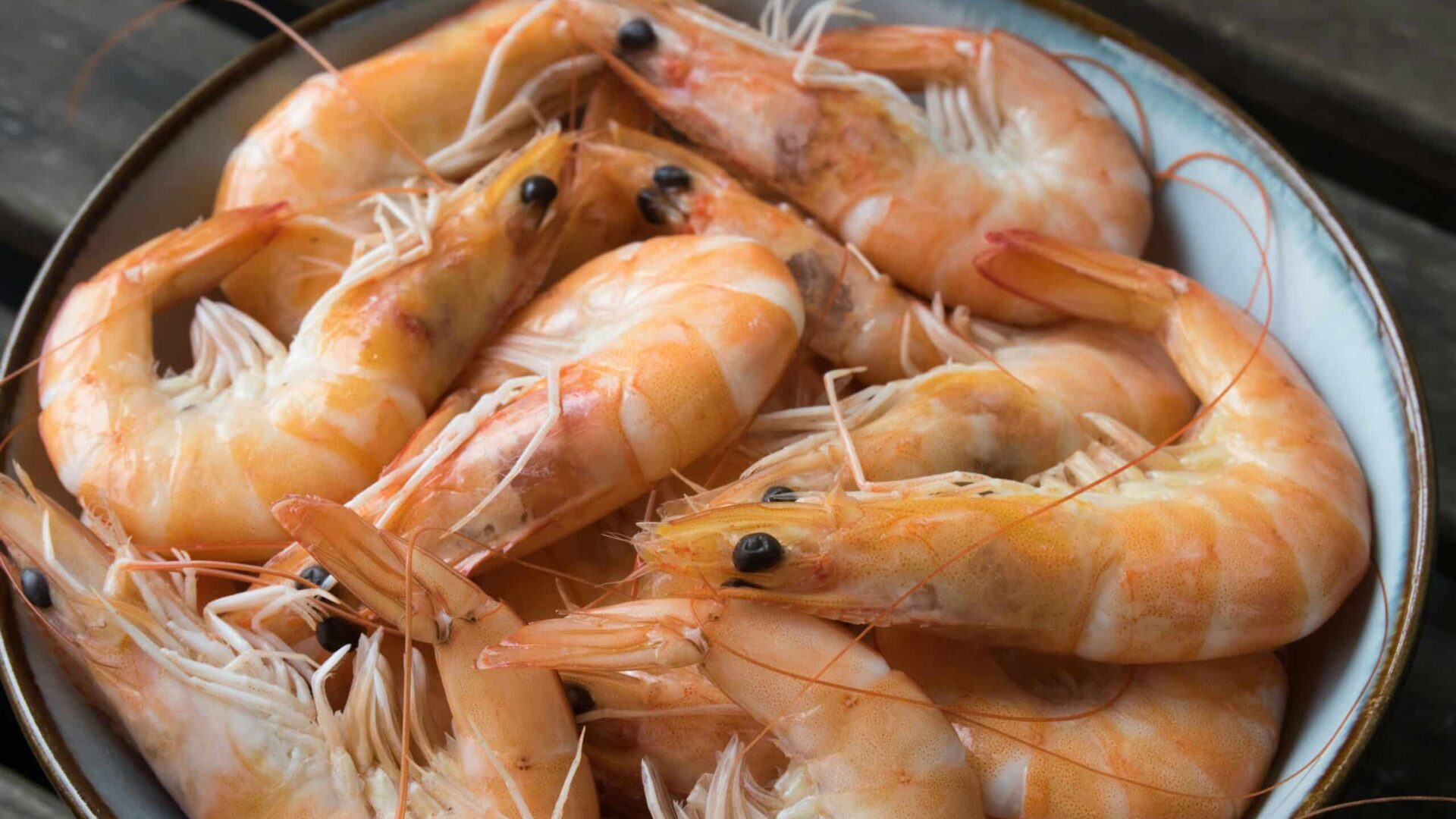
The recall involves frozen raw shrimp sold under the Market 32 and Waterfront Bistro brands at several well-known grocery chains. Market 32 frozen raw shrimp was sold in 1-pound bags at Price Chopper stores across parts of the Northeast, including Connecticut, Massachusetts, New Hampshire, New York, Pennsylvania, and Vermont. These products carry a specific UPC code and best-by dates in late April 2027.
Shoppers in the western and central United States may also be affected. The Waterfront Bistro brand frozen raw shrimp, sold in 2-pound bags, was distributed through Jewel-Osco, Albertsons, Safeway, and Lucky Supermarkets. These products reached stores in more than a dozen states, including Colorado, Idaho, Illinois, Indiana, Montana, Nevada, Oregon, Utah, Wyoming, and others.
All affected shrimp packages were sold in mid-2025 and carry best-by dates in April 2027. Consumers are urged to check their freezers carefully, especially if they regularly buy frozen seafood in bulk.
Why Cesium-137 Is Raising Red Flags
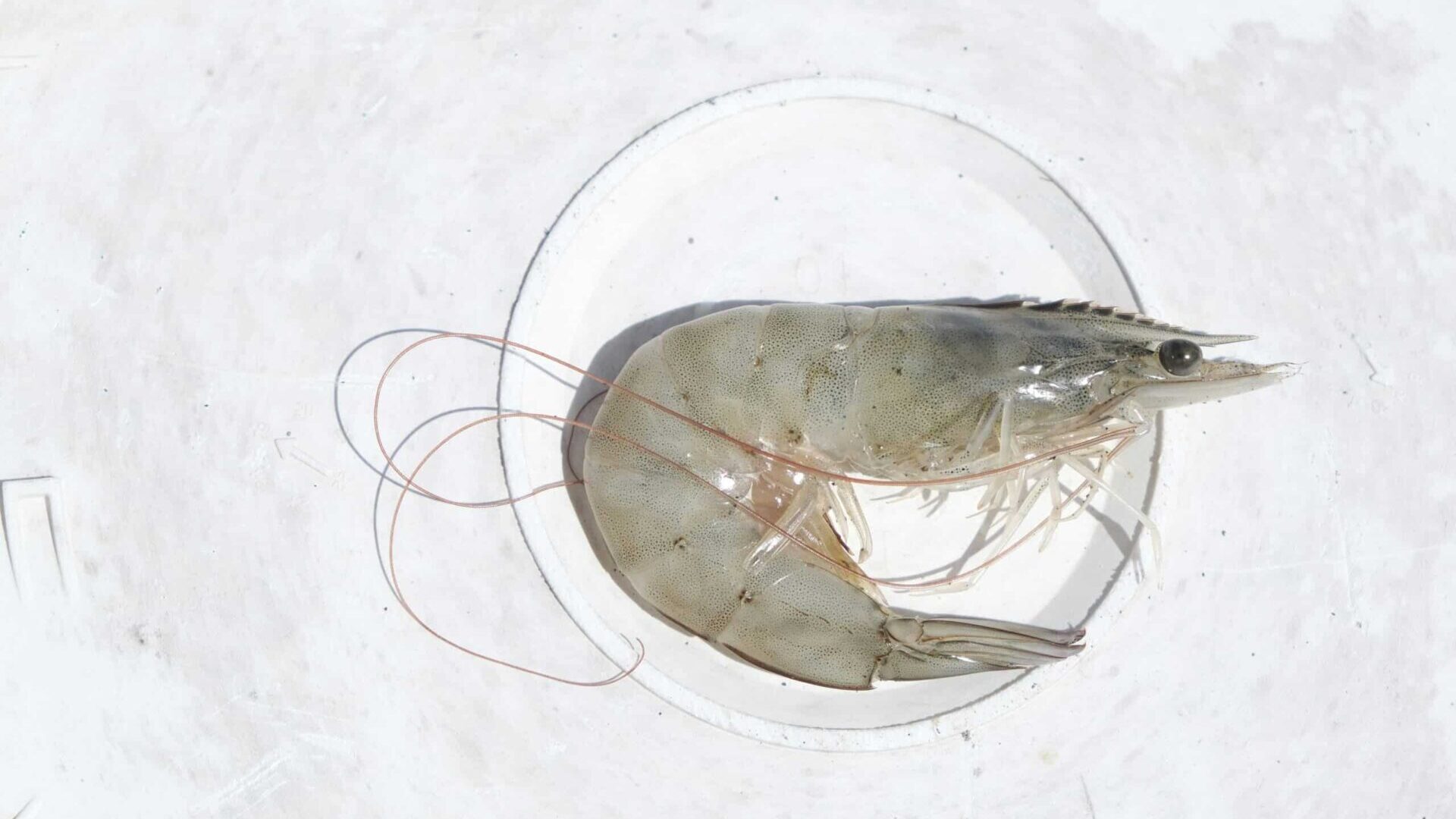
Cesium-137 is not something most people expect to hear mentioned alongside their grocery list. The radioactive isotope is a byproduct of nuclear activity and can enter the environment through industrial processes, accidents, or contaminated shipping materials. According to the FDA, cesium-137 can appear in food or water at very low levels. While a single exposure is unlikely to cause harm, long-term or repeated exposure may damage DNA in human cells and increase the risk of cancer.
That risk, even if small, is why federal agencies take contamination seriously. In this case, the contamination appears to be linked not directly to the shrimp themselves, but to shipping containers used to transport seafood from Indonesia. U.S. Customs and Border Protection officials first detected cesium-137 during routine screening at U.S. ports, prompting further investigation and testing by the FDA.
Officials have emphasized that, so far, no shrimp that tested positive for cesium-137 has been confirmed to have entered the U.S. marketplace. Still, recalls are being issued out of caution as agencies trace the distribution chain.
What Consumers Should Do Now

If you believe you may have purchased any of the recalled shrimp, health officials advise against eating it. The safest course of action is to return the product to the store where it was purchased for a full refund or dispose of it properly. Consumers with questions can also contact Direct Source Seafood LLC directly during business hours for more information about the recall.
For now, experts stress awareness — not panic. This recall is part of a broader series of shrimp recalls connected to imported seafood shipments from Indonesia. The supplier ships millions of pounds of shrimp to the U.S. each year, accounting for a significant share of foreign shrimp imports.
As investigations continue, federal agencies say they are increasing oversight and testing to prevent potentially contaminated products from reaching consumers. For shoppers, the incident serves as a reminder to stay informed about food recalls and to regularly check FDA announcements — even for items that seem safe and familiar. Frozen shrimp may be a household staple, but when it comes to food safety, vigilance remains essential.