Another Restaurant Collapse Highlights Ongoing Dining Industry Crisis
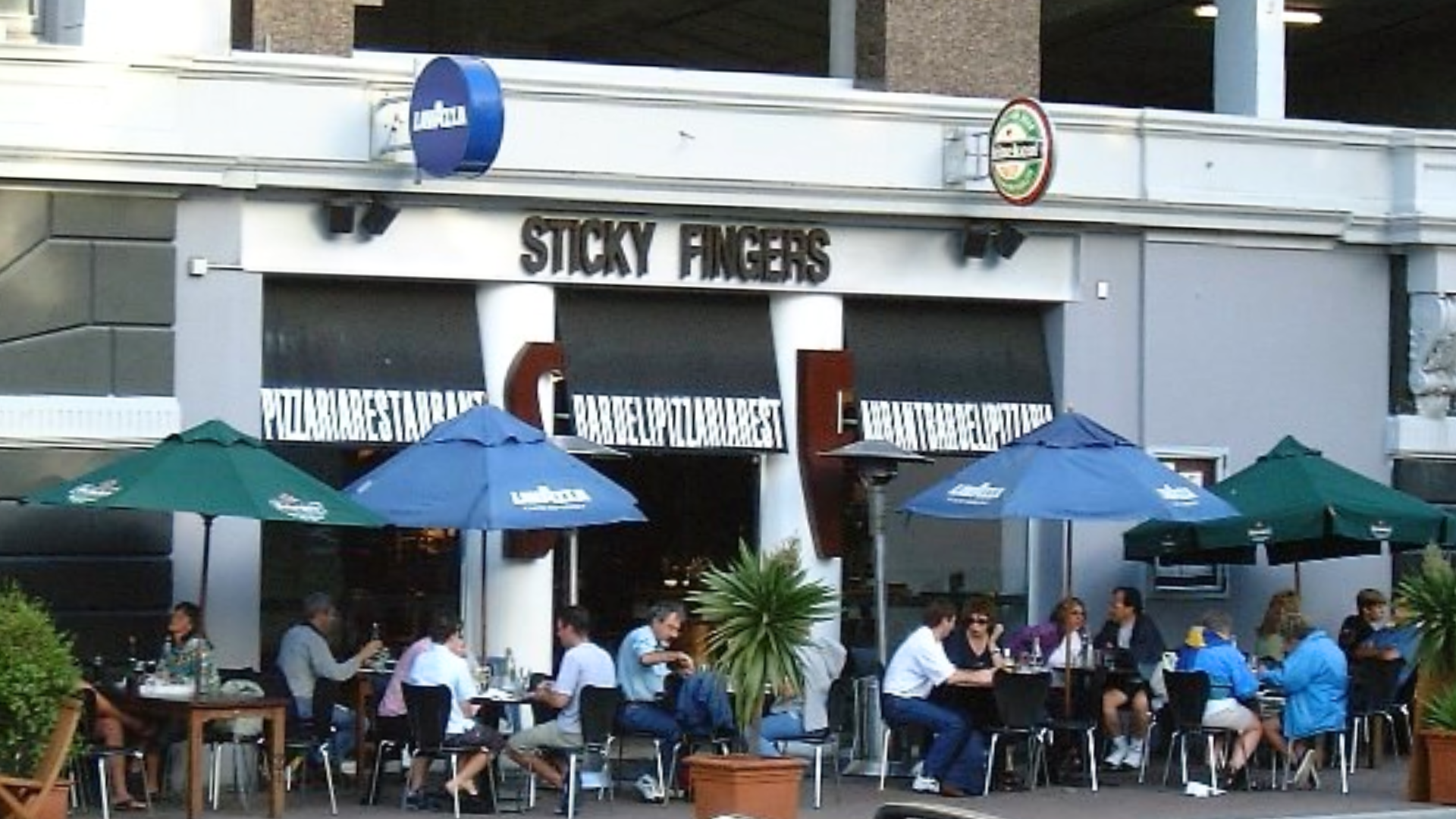

South Carolina–based Sticky Fingers Restaurants, the casual barbecue chain once known for its slow-smoked ribs and Southern-inspired menu, filed for Chapter 11 bankruptcy protection, underscoring how even longstanding regional eateries are struggling to stay afloat amid ongoing economic pressures and changing dining habits across the United States, a trend that has seen more than a few well-known concepts face financial hardship or closure in recent years. The bankruptcy filing reflects the cumulative impact of leadership changes, inconsistent quality, customer traffic declines after the pandemic and rising operational costs that have eroded sales and left the company unable to sustain its traditional footprint of barbecue houses in South Carolina, Tennessee and beyond.
Sticky Fingers’ story illustrates how challenging the restaurant landscape has become for many brands, because the chain once had more than a dozen locations and even expanded into a retail sauce line, yet shrinking customer demand and fluctuating economic conditions forced most of its units to close long before the bankruptcy filing in 2025, leaving just a handful of outlets to navigate restructuring and fend off complete liquidation.
The timing of this bankruptcy also comes amid a spate of similar struggles across the broader dining industry, with notable chains from casual-dining staples to regional favorites grappling with rising food and labor costs, shifting consumer preferences and tighter margins, a combination of factors that has upended traditional restaurant business models and prompted a wave of restructurings and downsizings.
Why Restaurants Like Sticky Fingers Are Struggling
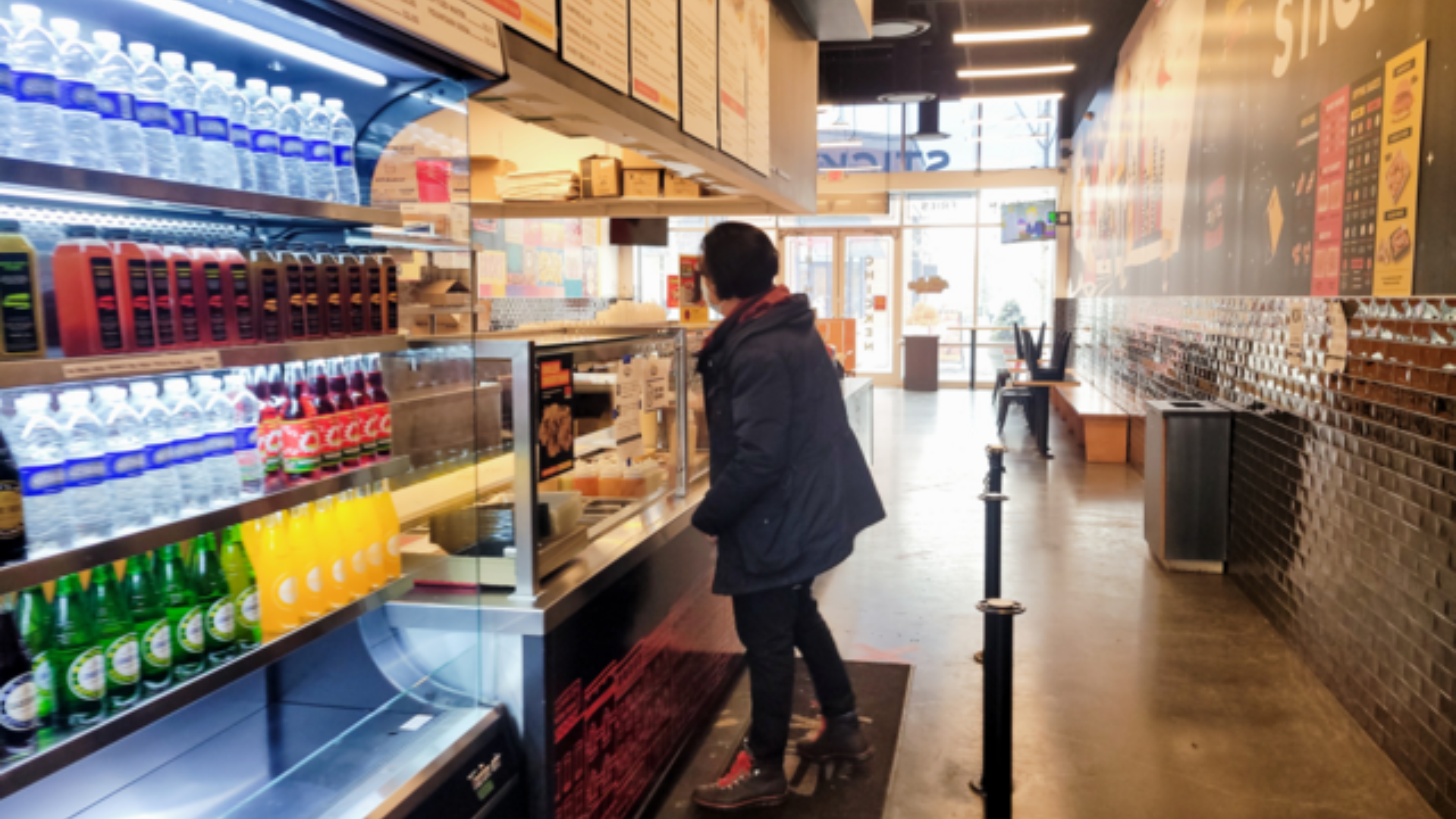
Sticky Fingers’ bankruptcy highlights how pandemic-era disruptions not only drove short-term closures but also left lasting changes in customer behavior, as more diners continue to frequent fast casual, delivery-oriented and off-premises models rather than sit-down barbecue houses that once drew crowds for leisurely meals, creating persistent challenges for chains built around traditional dine-in experiences.
Operational costs have also steadily climbed, with inflation in food and labor driving up expenses for restaurants across nearly every segment, squeezing profit margins and forcing operators to either raise menu prices, which can repel cost-conscious customers, or absorb the rising costs, which erodes profitability and can hasten financial distress.
Compounding matters, many casual and full-service restaurants are contending with post-pandemic shifts in labor markets, supply chain volatility and competition from quick-service and fast-casual concepts that are perceived as more affordable or convenient, leaving legacy players with fewer levers to pull to attract consistent traffic and maintain a stable revenue base.
What Industry Experts See Ahead

Industry analysts say that while some restaurant brands may be able to reorganize and survive Chapter 11 proceedings by shedding debt and closing underperforming locations, others will face permanent contraction or potential sale to new owners, fueling a cycle where only the most adaptable concepts or those with strong niche followings can thrive in a market that has grown increasingly competitive and cost sensitive.
Some experts urge operators to innovate by enhancing digital ordering capabilities, refining menus to reduce waste and focus on high-demand items, and investing in technology that improves operational efficiency, because adapting to changing diner expectations and cost structures can be the difference between weathering financial challenges and succumbing to them.
This evolving restaurant crisis has not been limited to smaller regional chains, because nationally known brands such as Bar Louie have also resorted to bankruptcy filings and closures to manage mounting liabilities, reflecting the broader reality that even well-established concepts are not immune from the economic headwinds buffeting the industry today.
Why the Dining Industry Is at a Turning Point
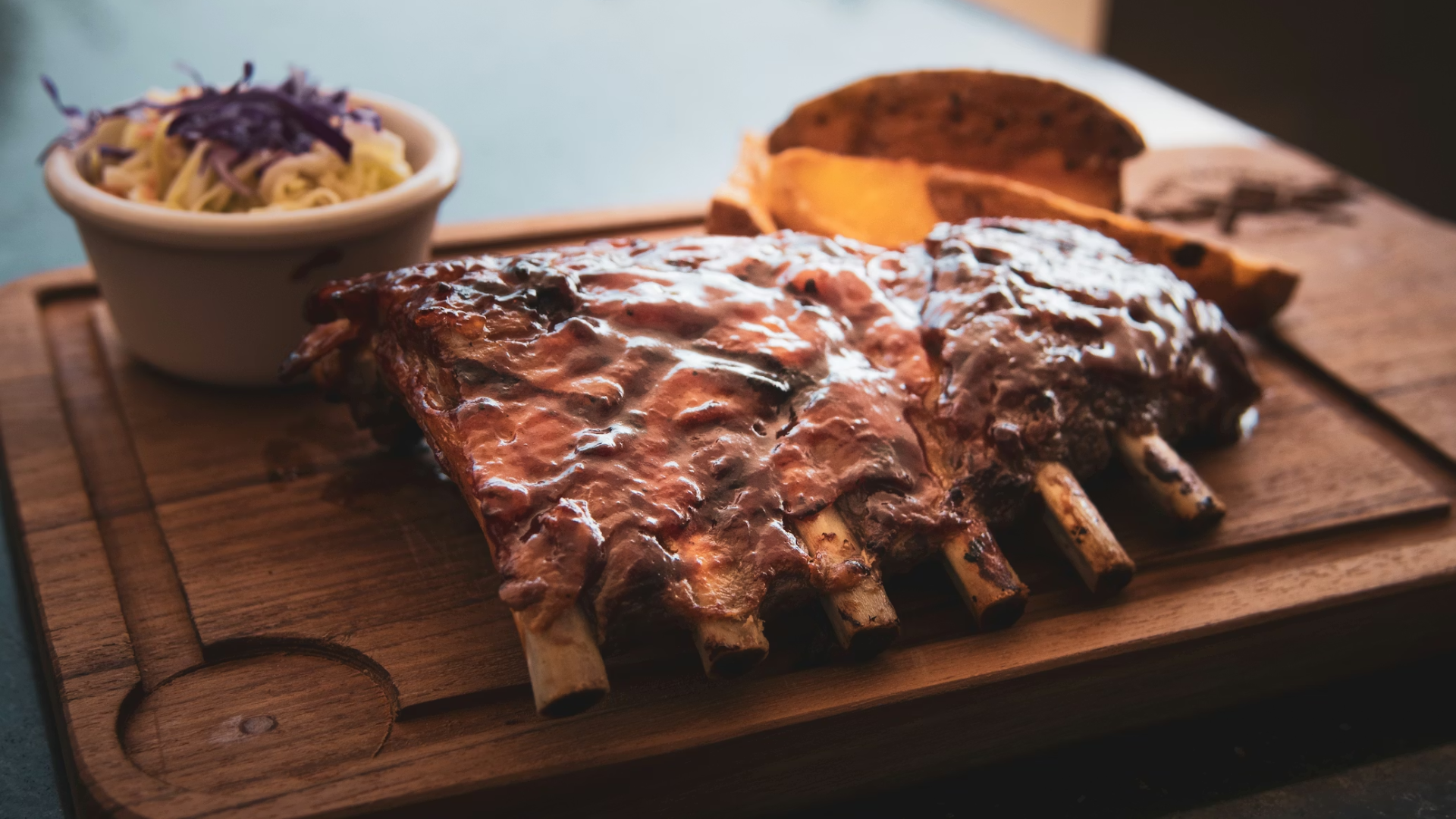
The ongoing challenges facing restaurants like Sticky Fingers and others across the country highlight a pivotal moment for the dining industry, because shifts in consumer behavior, rising costs and competitive pressures are forcing brands to rethink their business models and find new ways to deliver value while balancing profitability and customer expectations in an unpredictable economic climate.
For diners, this means the restaurant scene may look quite different in the years ahead, with some beloved local and regional favorites evolving or disappearing while new concepts that align with modern habits and tastes rise to fill the void, underscoring how industry turbulence can reshape where and how Americans choose to eat.
Ultimately, the bankruptcy of Sticky Fingers and similar restaurant collapses serve as a potent reminder that resilience, innovation and adaptability will be essential for foodservice businesses to survive and thrive in a landscape where customer loyalty is hard won and economic challenges continue to mount.

