The ‘Apple a Day’ Saying Might Be Real to Lower Blood Pressure
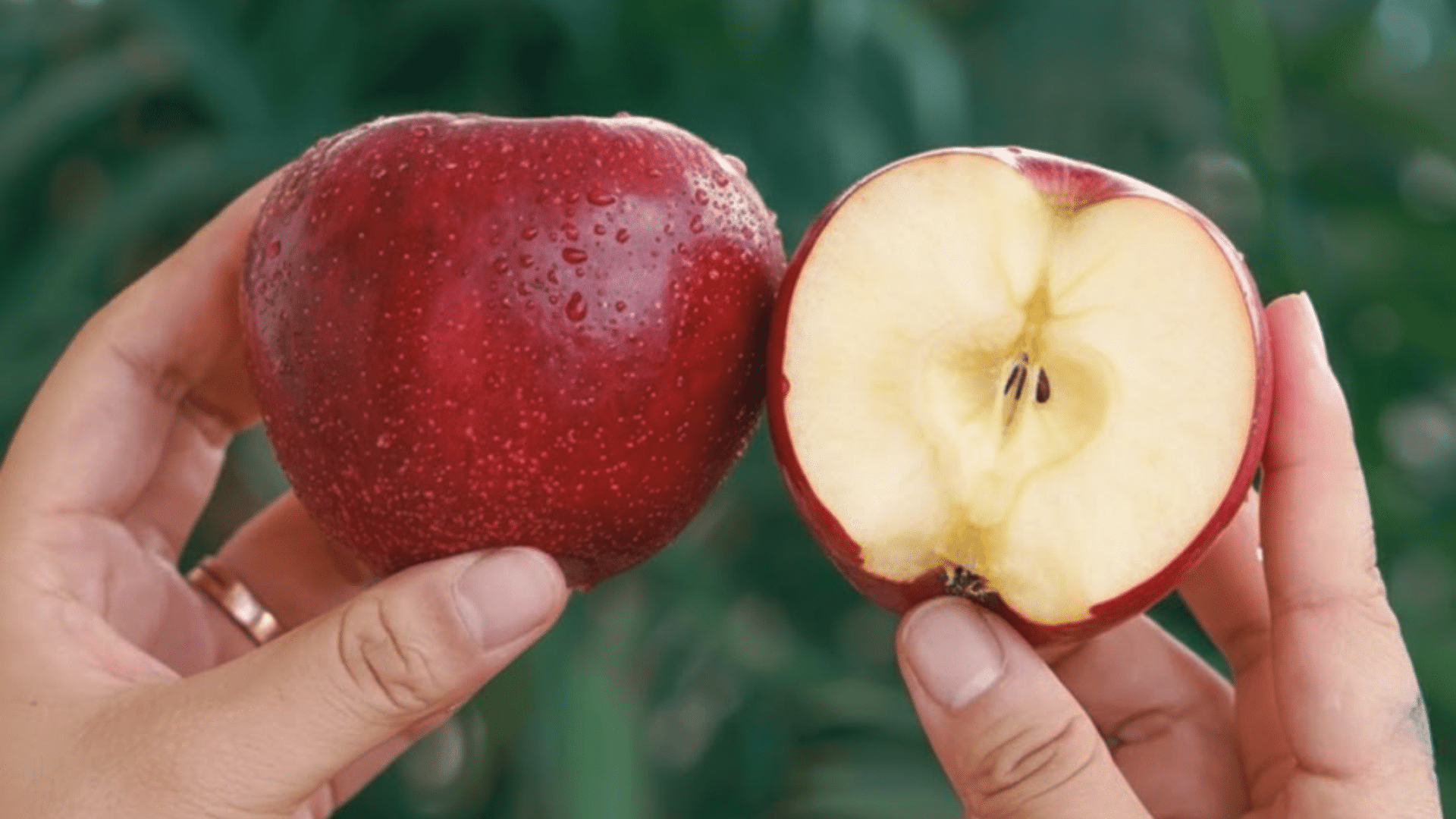

For a long time, “an apple a day keeps the doctor away” sounded like nursery-rhyme nutrition. Cute, but not exactly clinical. Now blood-pressure researchers are giving the old line a second look; not as magic, but as a surprisingly solid habit that can nudge your heart in the right direction. If you’re managing hypertension, watching your cholesterol, or just trying to stack small wins as you age, the humble apple may be doing more behind the scenes than most of us realized.
Why Blood Pressure Needs Everyday Help

High blood pressure doesn’t usually announce itself. It builds quietly over years, stretching arteries, exhausting the heart, and raising the risk for stroke, kidney disease, and heart failure: problems that hit harder as we get older. That’s why experts keep emphasizing daily, repeatable habits over one-time “fixes.” Apples aren’t a cure, but they’re one of those small, consistent tools that can matter over time.
Apples Carry a Heart-Friendly Nutrient Package
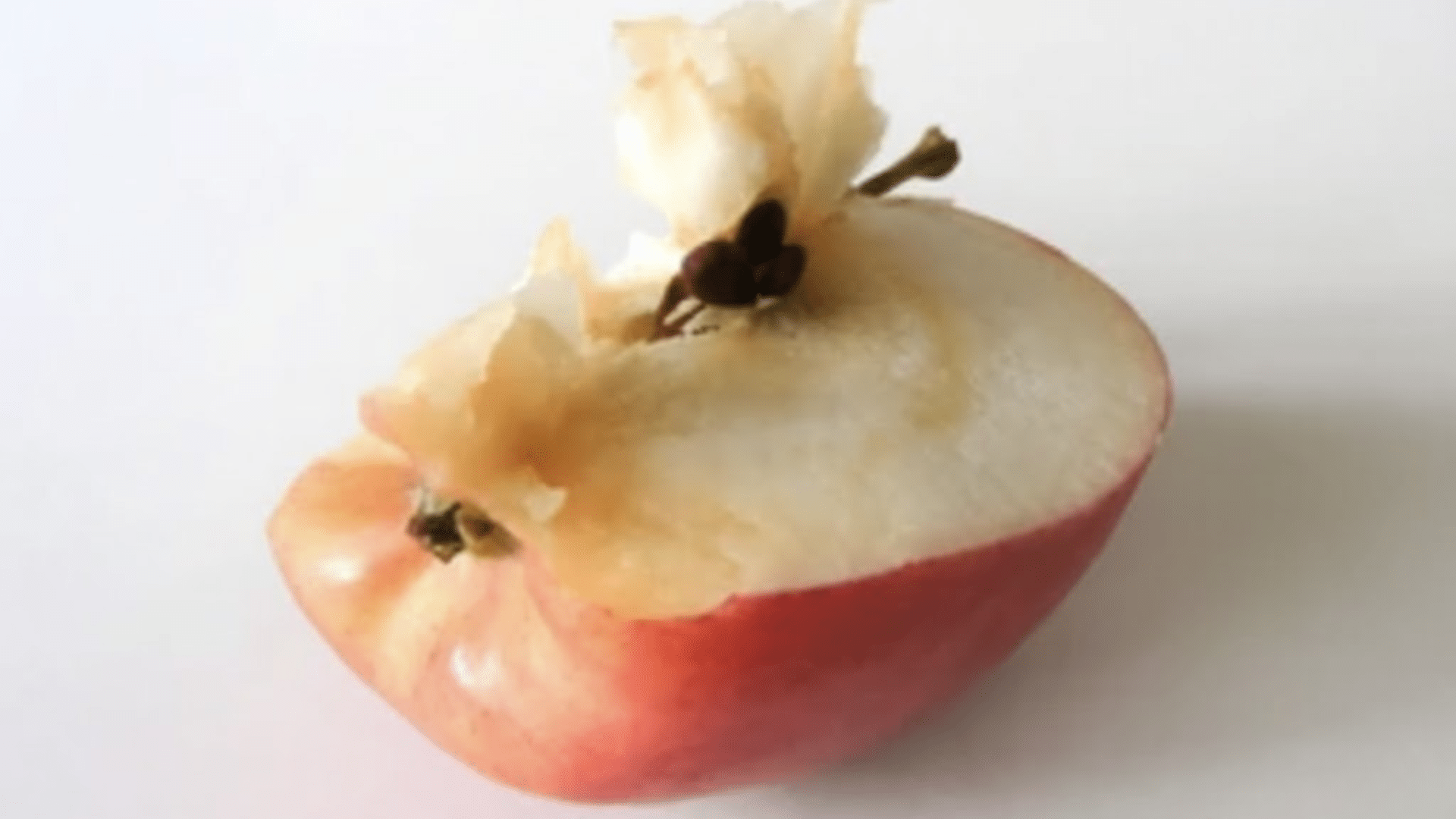
One apple looks simple, but inside you’re getting fiber, vitamin C, and a dense mix of polyphenols – plant compounds linked with cardiovascular protection. It’s low-calorie, cheap, and easy to keep around, which is exactly why researchers like studying it: people can realistically eat it every day without turning their whole life upside down.
The Polyphenol Effect: Helping Vessels Relax
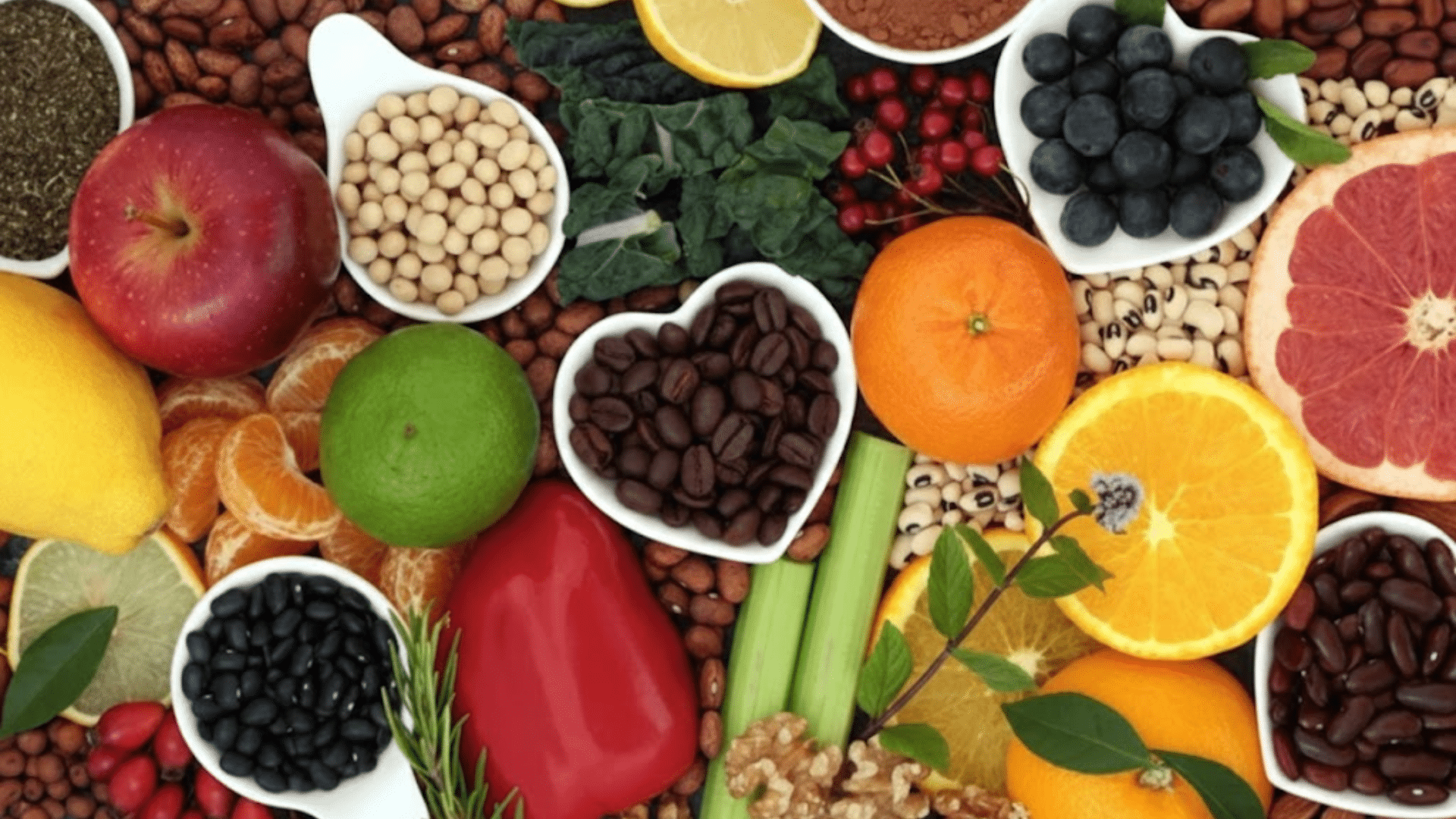
Blood pressure rises when blood vessels stay too tight. Polyphenols in apples may help blood vessels widen and relax, improving blood flow. Some observational research has linked eating apples a few times a week with a lower risk of death in people who already have hypertension. Not proof of cause, but a signal strong enough to keep scientists interested.
Protecting the Endothelium, Your Arteries’ “Control Room”
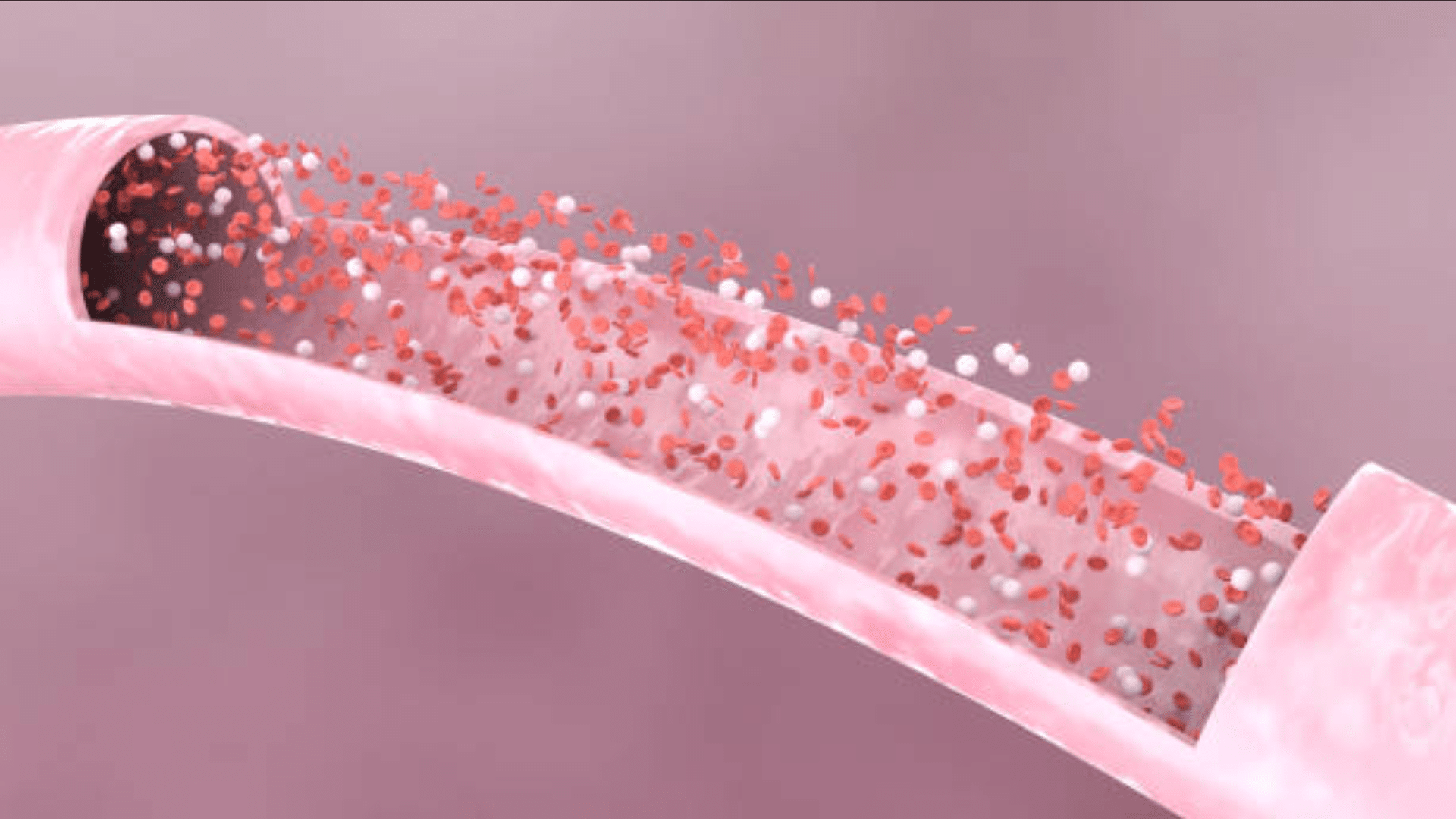
Inside every blood vessel is a thin lining of endothelial cells that helps regulate pressure by releasing chemicals that control tightening and relaxing. Oxidative stress; from aging, pollution, smoking history, or chronic inflammation can damage that lining. Apples bring antioxidants like vitamin C and polyphenols that help defend those cells, which may indirectly support steadier pressure over time.
Apples and Inflammation: The Quiet Blood-Pressure Link
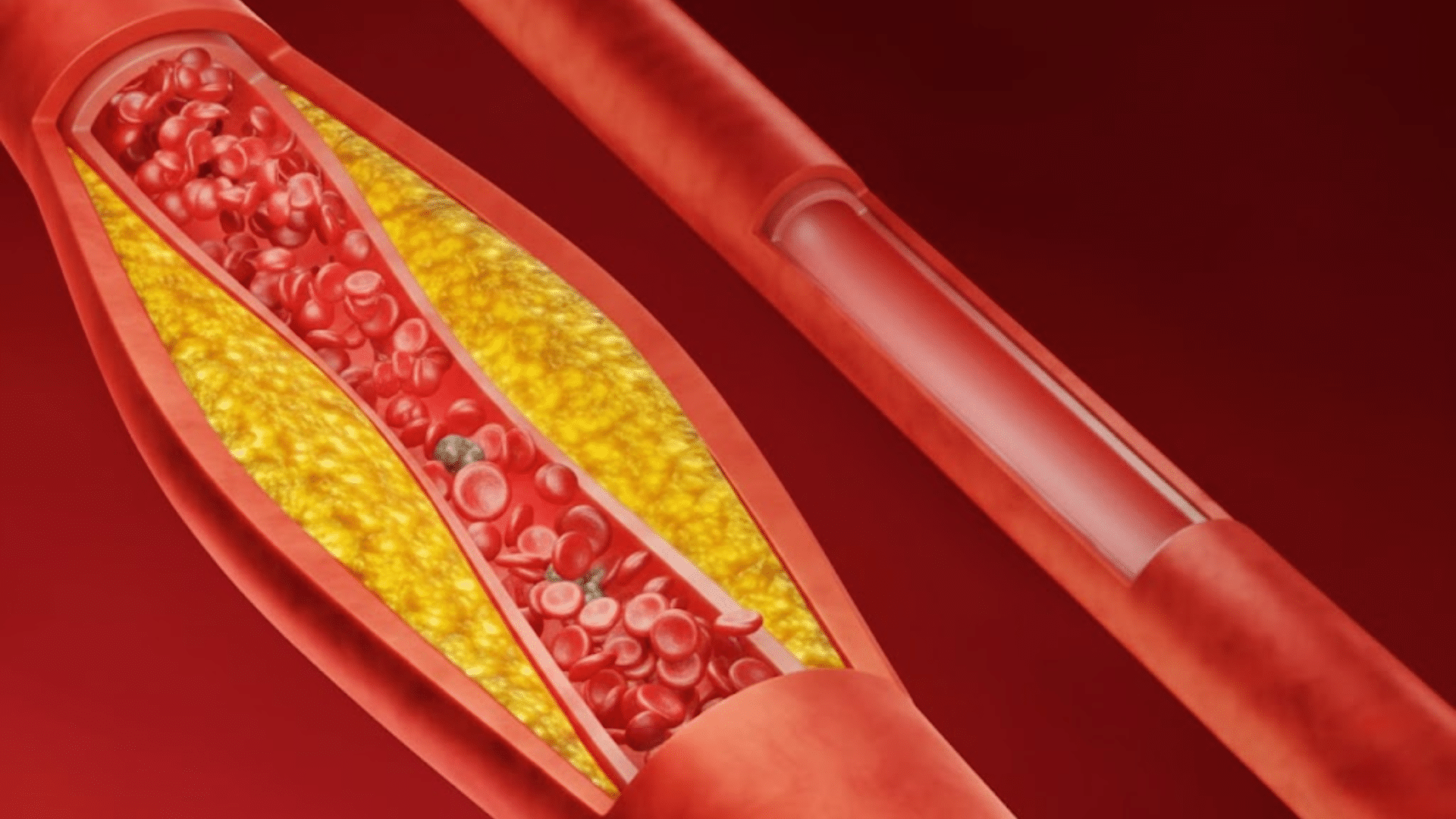
Inflammation is one of the sneakier drivers of hypertension and heart disease, especially in older adults with metabolic issues. Small trials show that daily apple intake can lower markers of inflammation and boost antioxidant capacity. The debate here is scale: does one apple a day move the needle for everyone, or mainly for people already at risk? Either way, it’s a low-risk habit with upside.
Fiber, Cholesterol, and the Domino Effect

Apples are rich in pectin, a soluble fiber that binds to LDL (bad) cholesterol and helps pull it out of the body. Lower LDL improves artery health and reduces stiffness, which matters because stiffer arteries often mean higher blood pressure. Think of it as a chain reaction: better lipids, better vessel function, better pressure control.
Better Blood Sugar Control, Less Pressure on the Heart
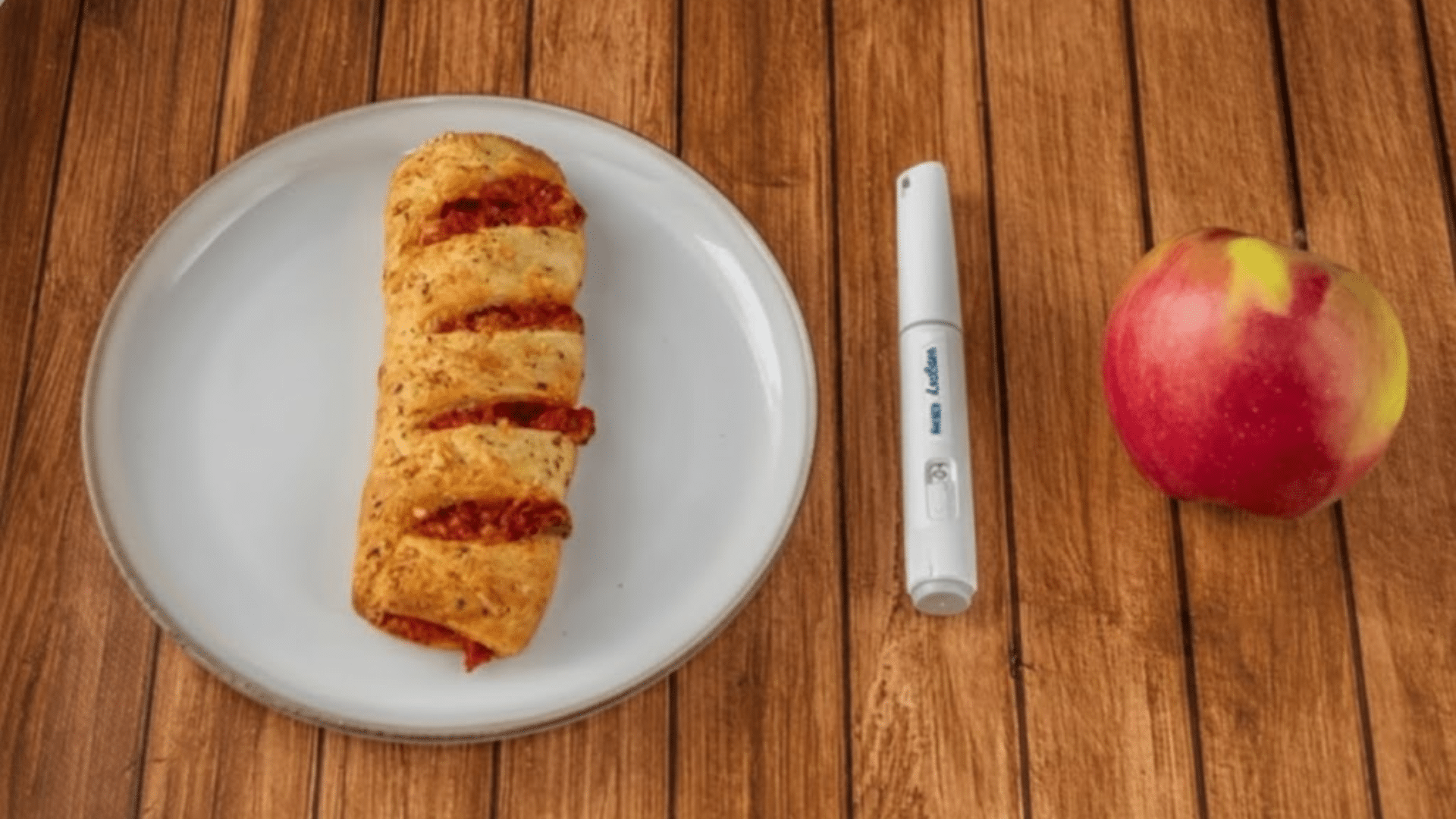
Hypertension and blood sugar problems tend to travel together. Apples slow digestion and soften blood-sugar spikes because of their fiber, which supports insulin sensitivity. Since uncontrolled blood sugar can damage vessels and raise stroke risk, this is another indirect path where apples may help, especially for people with prediabetes or type 2 diabetes.
The Skin Question: Peel It or Keep It?

Here’s where people split. Some peel apples for texture or pesticide worries, but most fiber and many polyphenols live in the skin. Washing well (or choosing organic when possible) keeps the benefits high without making the habit complicated. The simple rule from nutrition pros: if your stomach tolerates it, eat the skin.
Conclusion

So is the apple-a-day saying real? Not as a miracle, but as a meaningful nudge. Apples support blood pressure through multiple small routes — relaxing vessels, protecting artery lining, reducing inflammation, improving cholesterol, and stabilizing blood sugar. For older adults, that kind of multi-benefit, low-effort habit is gold. You don’t need to worship the apple, and it won’t replace medication if you need it. But if you want one simple daily move that stacks in your favor, the research suggests the old saying wasn’t just folklore after all.

