Arby’s Quiet Store Closures Signal Deepening Crisis in U.S. Fast-Food Industry

Arby’s has been quietly closing restaurants across the U.S., often without press releases or corporate explanations, leaving customers to discover locked doors and dark drive-thrus. The low-profile shutdowns come as fast-food chains face mounting pressure from rising costs, softer traffic, and shifting consumer habits that are reshaping the entire industry.
A Legacy Brand Slips Out of Sight
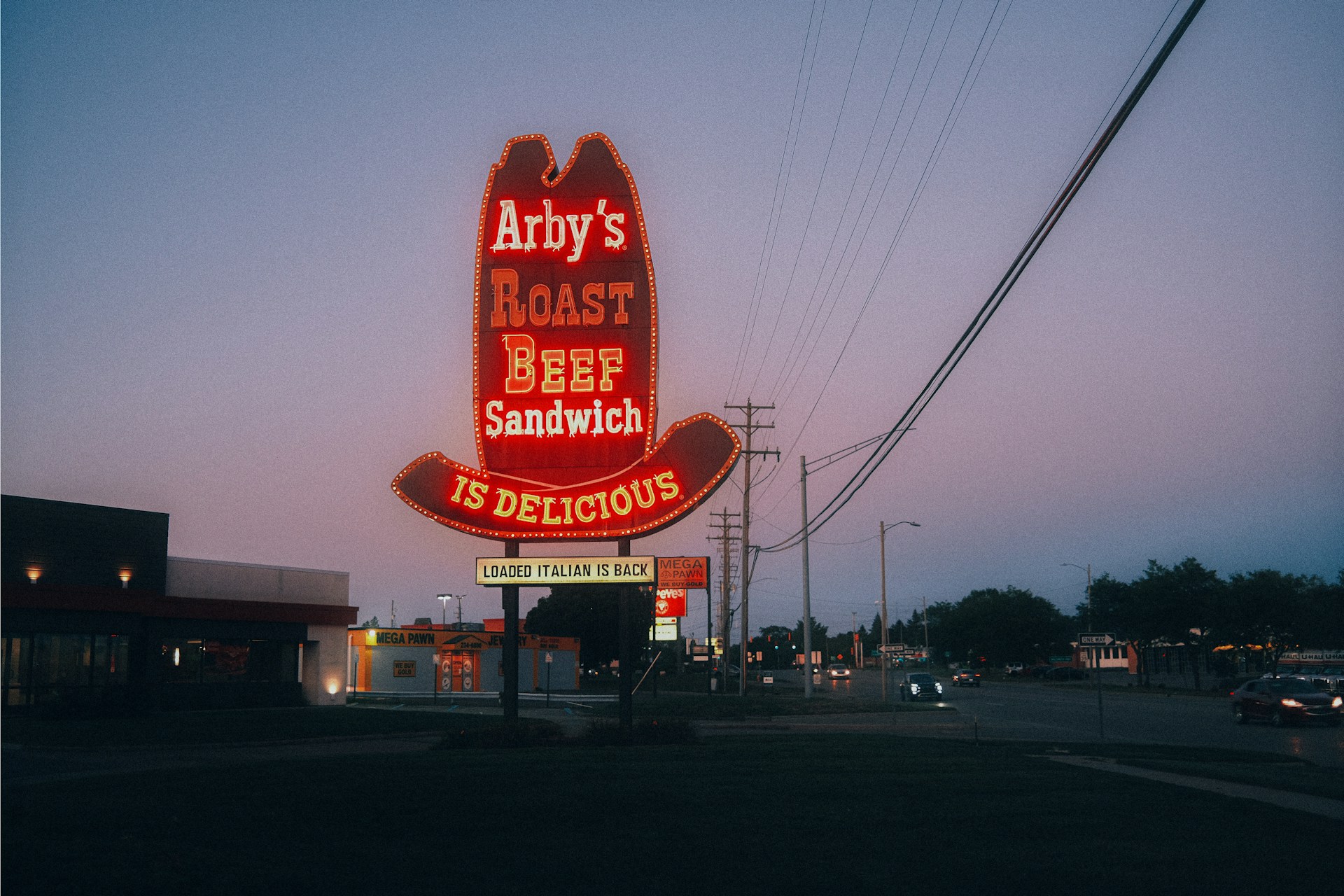
Founded in 1964, Arby’s built its reputation on roast beef sandwiches and a bold “We Have the Meats” identity that set it apart in the crowded fast-food landscape. With more than 3,300 locations nationwide at its peak, the chain long appeared insulated from the kind of disruption that hits smaller or trend-driven brands.
Closures With Little Warning

In recent months, Arby’s locations have gone dark across at least eight states, often confirmed first by local news reports rather than company announcements. In 2025, the fast-food chain closed at least 14 stores, following 48 closures the previous year, all without a formal explanation.
The States Feeling It Most
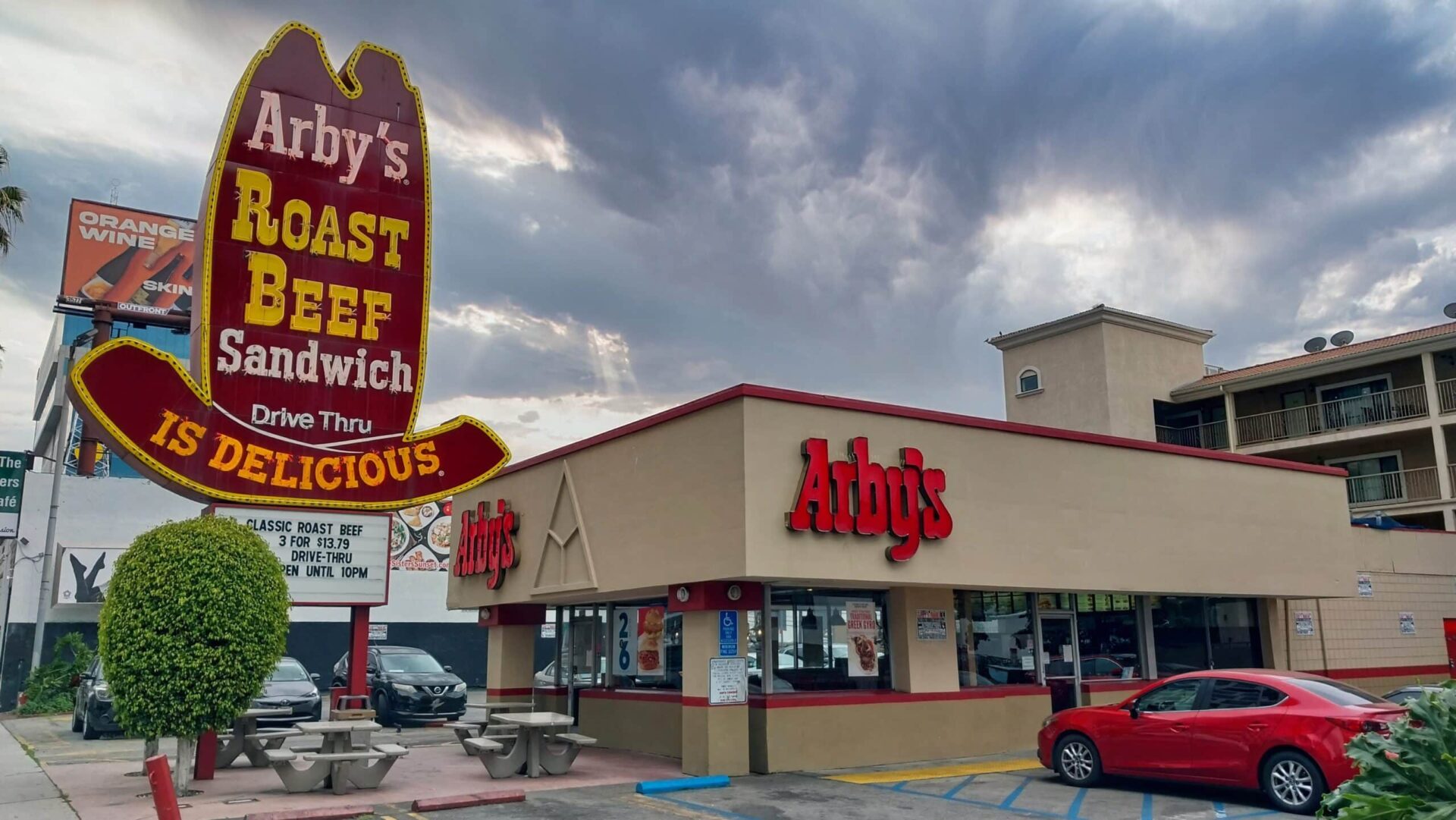
Tennessee has seen multiple Arby’s closures in cities like Memphis, Germantown, and Murfreesboro, while California lost locations in Fresno and Victorville. Florida, New Jersey, Maryland, Delaware, Washington, and South Carolina have also experienced shutdowns, a geographic spread that suggests systemic pressure rather than isolated franchise issues.
Sales Trouble Inside Inspire Brands
Arby’s is owned by Inspire Brands, a restaurant group that reported $29.5 billion in total sales in 2024, according to industry tracker Technomic. Despite that headline number, Arby’s delivered the weakest performance among Inspire’s portfolio, posting a 6.3% sales decline that year while sibling brands fared better.
Costs Rise as Customers Pull Back
Food, labor, and rent costs have climbed steadily, squeezing margins for quick-service restaurants that once thrived on low prices and high volume. The U.S. Bureau of Labor Statistics shows food away from home prices rose 3.7% in the year ending September 2025, a trend that has made even fast food feel less affordable for many households.
A Two-Tier Economy Takes Shape

In an analysis for The Food Institute, industry reporter Kelly Beaton described a “two-tier economy” in which higher-income consumers keep spending while lower- and middle-income diners cut back. Placer.ai analyst R.J. Hottovy wrote that traffic at quick-service restaurants fell 3.4% during key periods, even as shoppers shifted spending toward groceries and convenience stores.
Fast Food Loses Its Value Edge
Fast food once offered a clear value advantage, but that gap has narrowed as menu prices surged. Finance Buzz data cited by TheStreet shows prices at chains like Arby’s, Wendy’s, and Burger King rose roughly 55% from 2014 to 2024, pushing some customers back toward home cooking or cheaper alternatives.
Competitors Feel the Same Squeeze
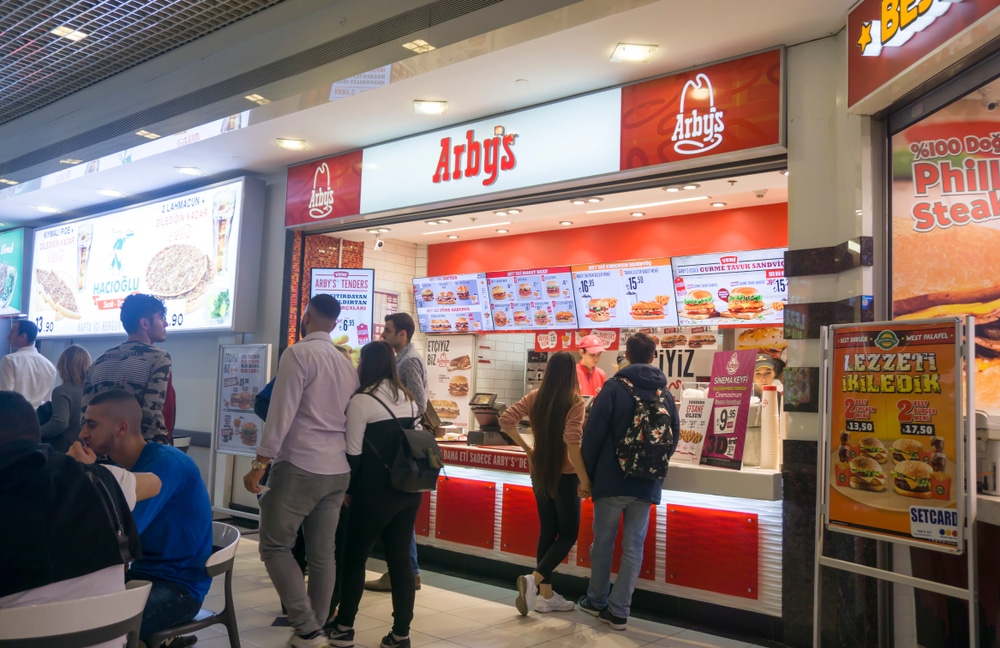
Arby’s struggles are unfolding alongside closures at other major chains, pointing to an industry-wide reset. Wendy’s has said it plans to close up to 350 stores by the end of 2026, while Burger King has shuttered locations after franchisee bankruptcies, reinforcing the sense that consolidation is accelerating.
Silence Raises Bigger Questions
Despite the scope of the closures, Arby’s and Inspire Brands have declined to issue a comprehensive statement explaining the strategy behind them. Analysts say the quiet approach may reflect a broader effort to streamline operations without drawing attention, but it also underscores how deeply the fast-food model is being tested in a market that no longer guarantees steady foot traffic.