Arby’s Quietly Closes More Locations Across Eight States
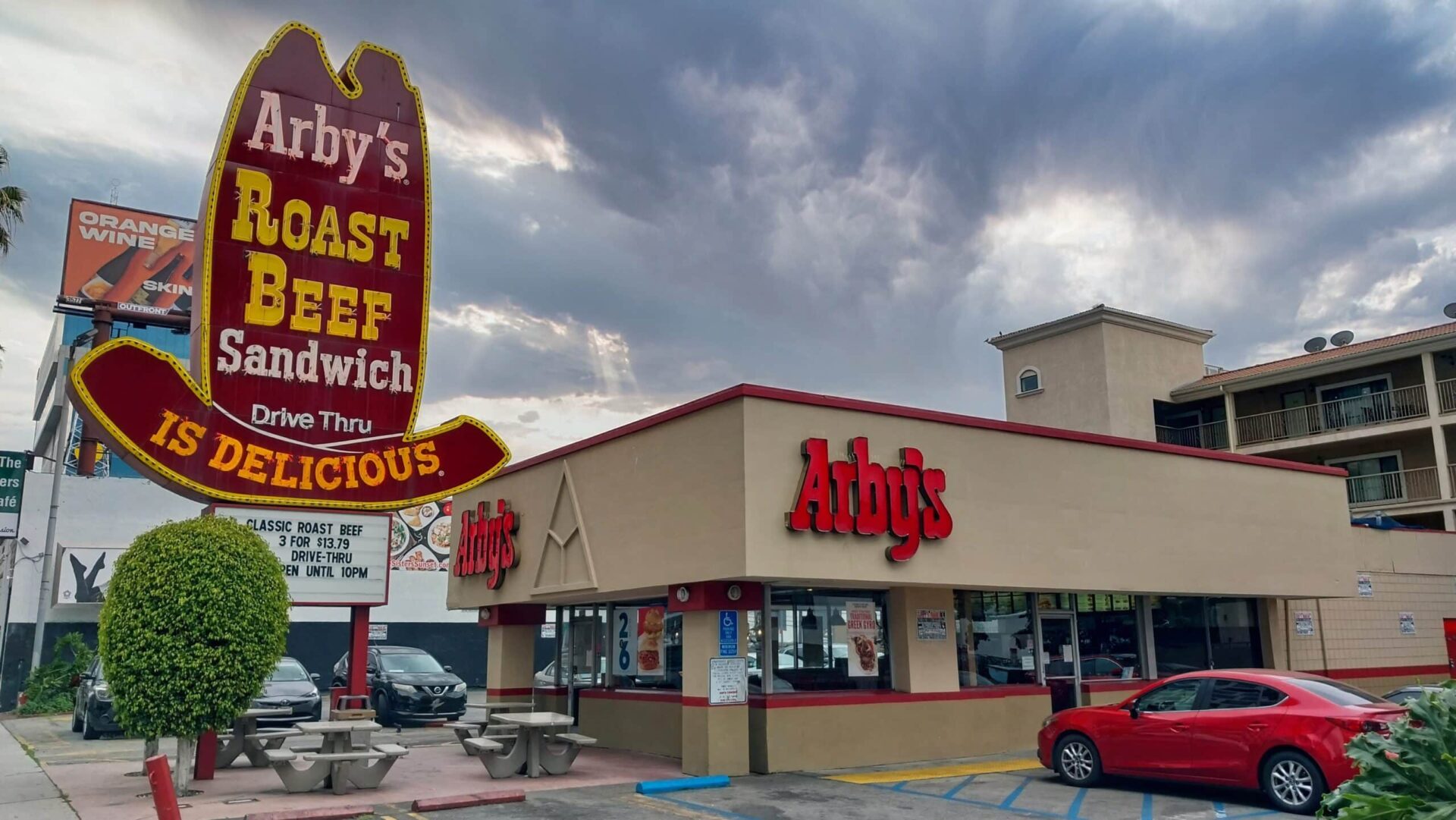

The iconic roast beef sandwich chain has been steadily closing more locations across the United States without fanfare or official announcements. Following the closure of 48 locations in 2024 that represented a net loss of 1.4% of its store count, the 61-year-old fast-food brand now faces mounting pressures that threaten its once-permanent presence in American dining culture.
A Legacy Brand Under Pressure
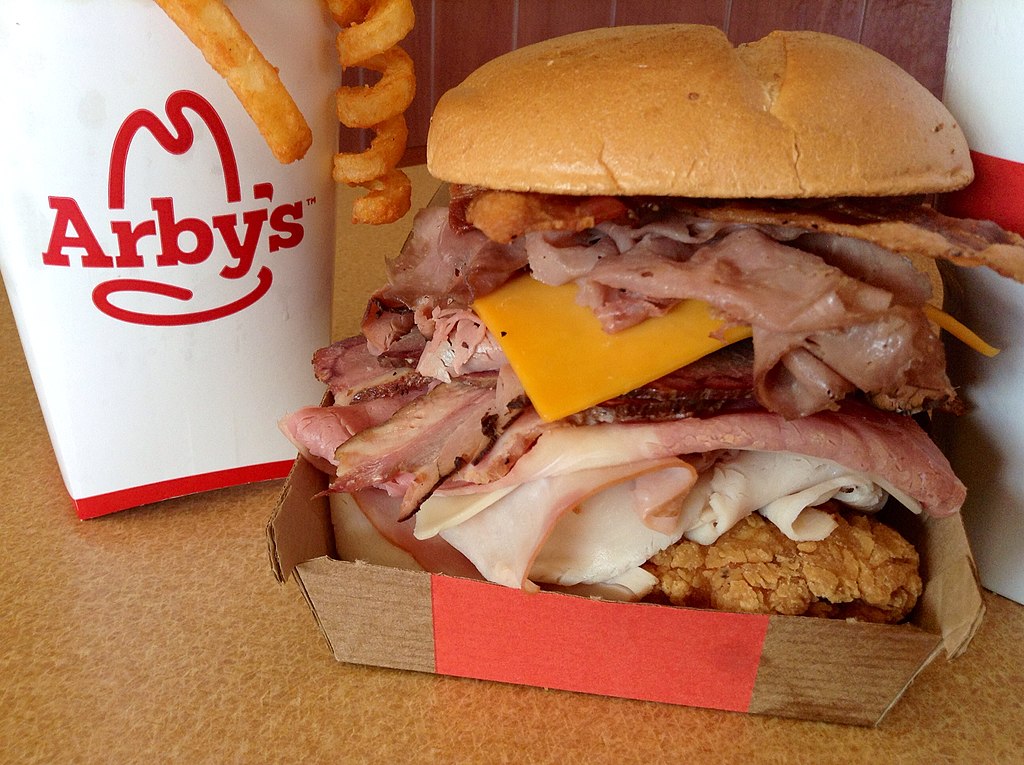
Founded in 1964, Arby’s built its identity around meat-stacked sandwiches, a signature slogan, and a loyal following. With more than 3,300 restaurants nationwide, it has long ranked as one of the top fast-food sandwich brands. But even this established chain is showing strain as economic realities reshape the industry.
Rising Costs Hit the Chain Hard
Inflation in food, labor, and rent has cut into Arby’s margins while customer spending and foot traffic fall. Inspire Brands, Arby’s parent company, saw $29.5 billion in total sales in 2024, but Arby’s delivered the weakest performance among its sister brands, posting a 6.3% sales decline. In 2023 alone, the chain shuttered 48 locations, marking a net loss of 1.4% of its store base.
Closures Spread Into 2025
This year, the closures have continued. Arby’s has already shut 14 more restaurants across 8 different states, with no public announcement from the company explaining the decision. Many of these closures occurred abruptly, with local news outlets confirming locked doors and dark signage as early as January.
The States Most Affected
The closures are scattered but impactful. Tennessee alone lost 4 stores: 2 in October, 1 in Memphis, and another in Murfreesboro over the summer. California saw stores disappear in Fresno and Victorville, while Delaware’s Talleyville location went dark in June. Laurel, Maryland; Audubon, New Jersey; Pullman, Washington; North Charleston, South Carolina; and 4 Jacksonville-area stores in Florida round out the list. These reports appear across regional outlets highlighted in both sources.
A Reveal Hidden in the Numbers
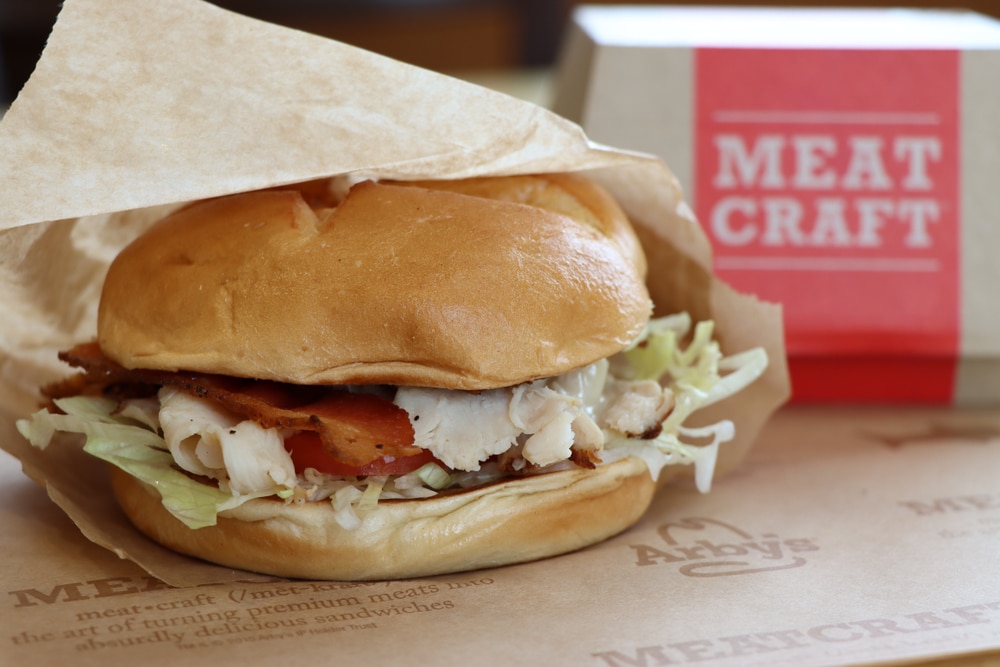
Although the closures seem scattered, together they point to a deeper issue: Arby’s is struggling more than many of its peers. Industry analysts note that while fast food has traditionally provided reliable low-cost meals, rising menu prices—up 55% at Arby’s, Wendy’s, and Burger King from 2014 to 2024—are pushing customers back toward home cooking. Traffic across the sector dropped 1% by mid-2025, signaling a consumer shift that hits chains like Arby’s particularly hard.
Industry-Wide Strain Complicates Recovery

The restaurant landscape is facing similar headwinds, with “food away from home” prices rising 3.7% in the 12 months ending September 2025. Analysts warn that traditional fleets may be too large and too costly to maintain in the current climate, especially as grocery prices incentivize home-cooked meals.
Competitors Are Feeling It Too
Arby’s isn’t the only chain trimming its footprint. Wendy’s plans to close 200–350 restaurants by the end of 2026, and Burger King has shuttered multiple locations following a franchisee bankruptcy. The tightening field suggests that the struggle is sector-wide—not limited to a single brand.
Silence From the Company
Despite widespread closures, Arby’s and Inspire Brands have not released a formal statement explaining the shutdowns. Company representatives did not respond to requests for comment. This quiet approach contrasts with the brand’s bold marketing persona and leaves customers to discover the closures one locked door at a time.
What It Means for Fans—and What Comes Next
For many longtime customers, the closures feel personal, reflecting a broader loss of the dining institutions they grew up with. Analysts warn that more shutdowns could be coming in 2026 unless foot traffic rebounds. As the fast-food world recalibrates, Arby’s faces the challenge of staying relevant—and staying open—in an era when affordability and convenience are no longer guaranteed.