Archaeologists Recreate Neanderthal Meals and Unearth a Telling Clue


What if the key to understanding Neanderthals wasn’t in their tools, but in their kitchens? By recreating ancient meals from archaeological evidence, archaeologists are uncovering clues that challenge long-held assumptions about how Neanderthals lived, ate, and thought.
Cooking Was Not an Accident
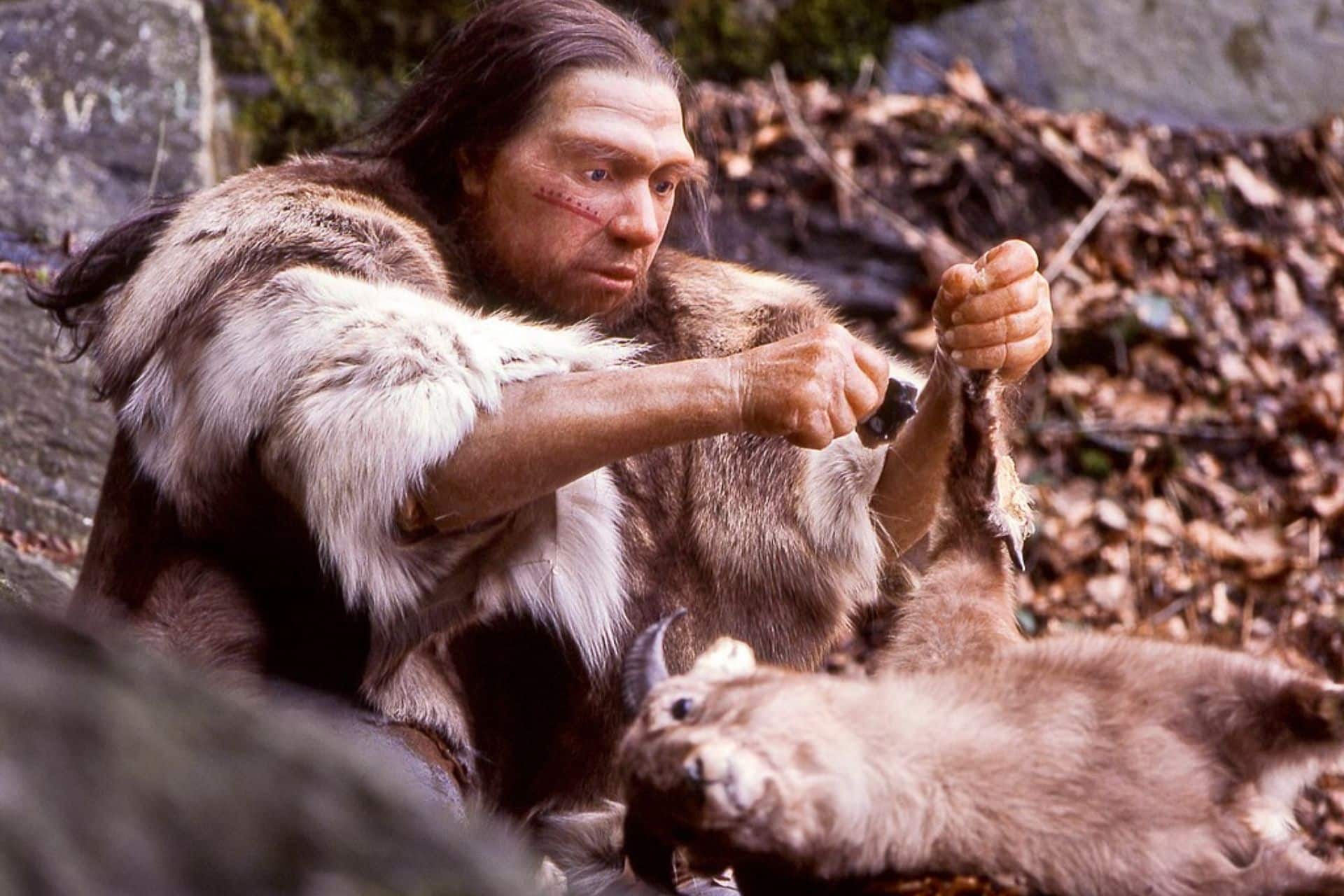
Recent archaeological work shows Neanderthals didn’t just eat raw food out of necessity. Excavations reveal intentionally built hearths with repeated use, indicating controlled fire rather than opportunistic burning. This points to cooking as a routine practice, not a rare or accidental one.
Recreating Ancient Meals

To understand what Neanderthals ate, researchers have reconstructed meals using animal bones, plant remains, and cooking methods inferred from archaeological sites. Experiments show that slow cooking over hot stones or embers would have improved flavor, digestibility, and nutrition. These reconstructions help explain why cooking became central to their survival.
Burnt Bones Tell a Story
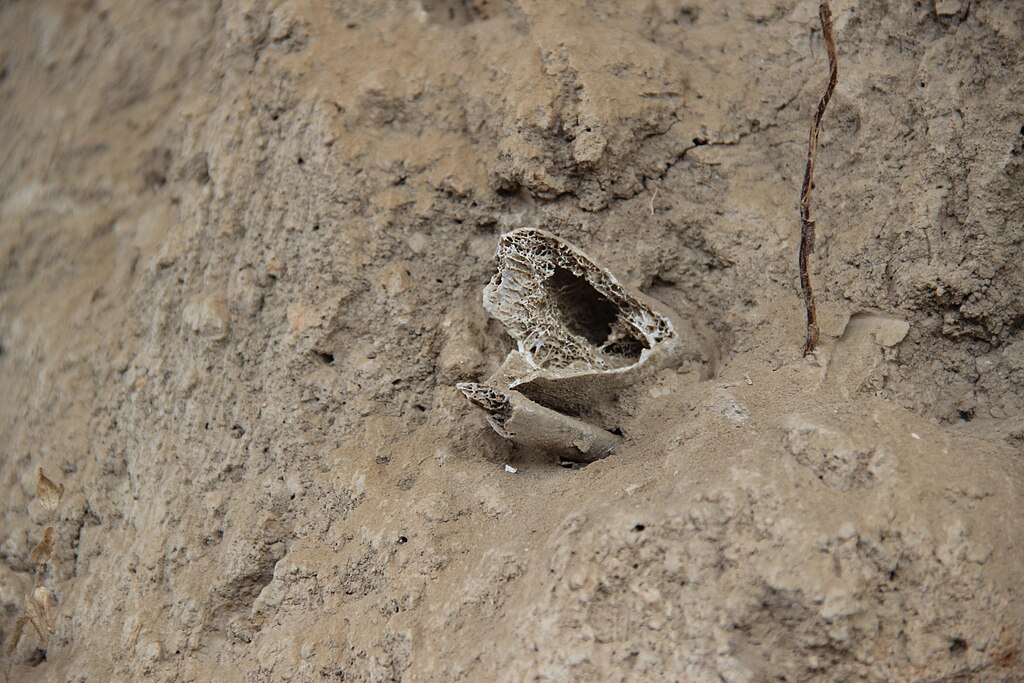
Charred animal bones found near hearths provide direct evidence of cooking. Scientists have identified remains of deer, goats, horses, and even turtles, suggesting varied meal choices rather than repetitive diets. The placement of these remains shows food preparation happened deliberately around fire pits.
Plants Were on the Menu
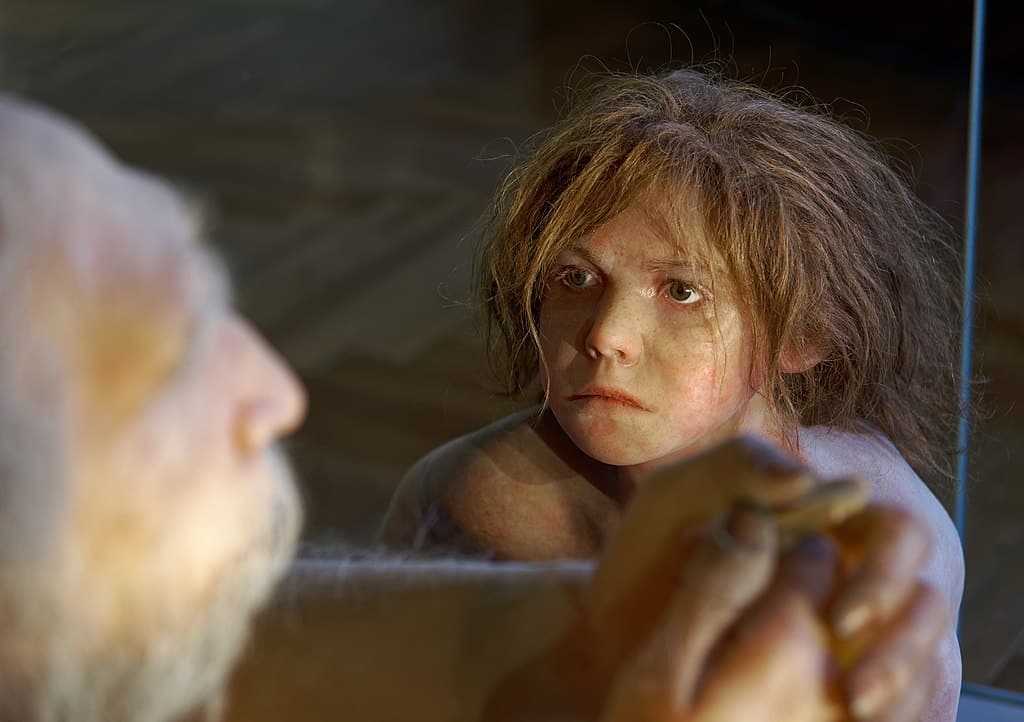
Neanderthals were once portrayed as almost exclusively meat eaters, but newer evidence paints a different picture. Analysis of dental calculus reveals traces of cooked plants, starches, and even nuts, proving plants were a regular part of their diet. This variety suggests careful knowledge of edible resources.
Dental Calculus as a Time Capsule
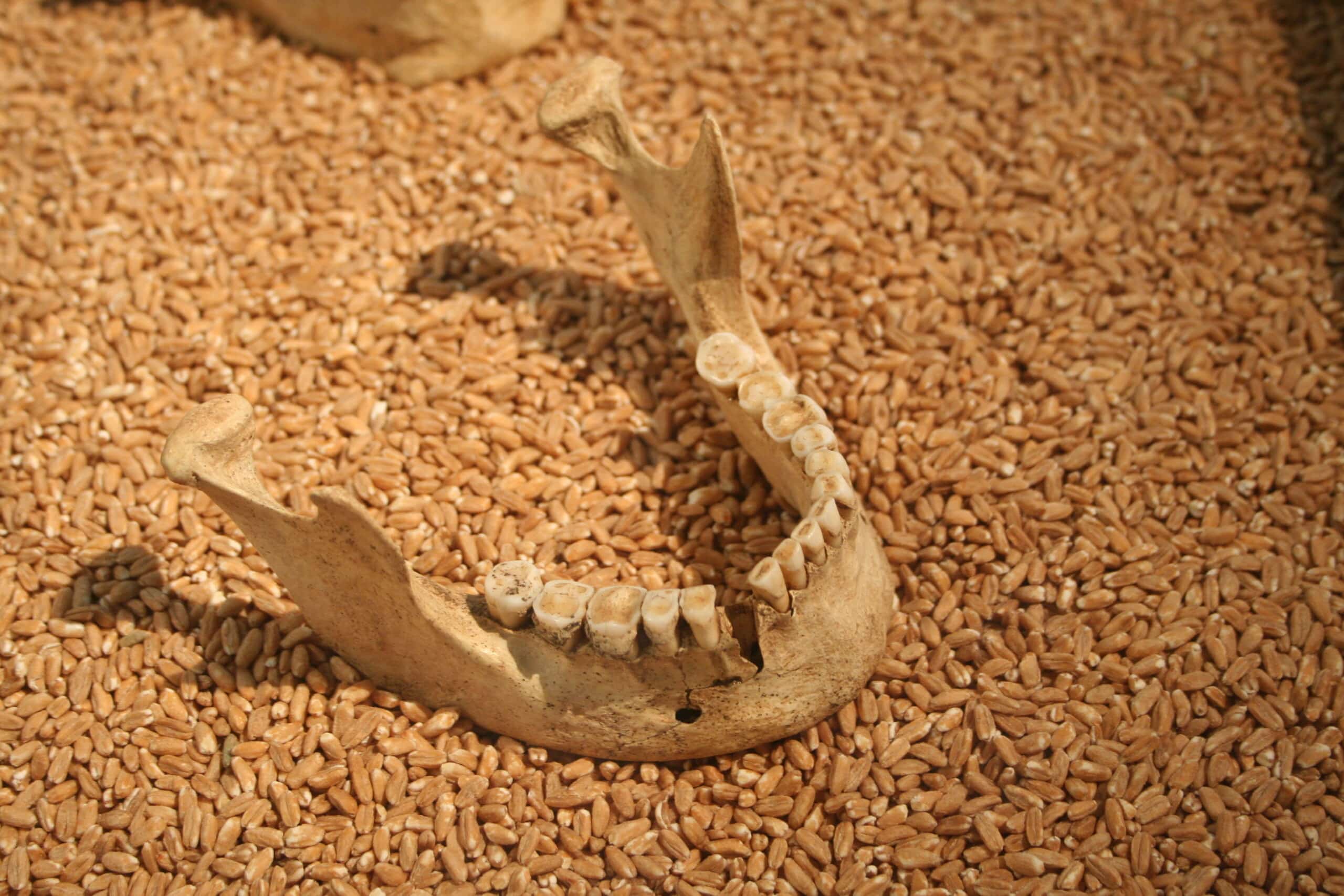
Hardened plaque on Neanderthal teeth has turned out to be a remarkable archive. Chemical analysis shows exposure to wood smoke, cooked food, and plant compounds trapped in their mouths thousands of years ago. These findings confirm both cooking and food processing.
Evidence of Medicinal Knowledge

Some plant compounds found in dental calculus are known today for medicinal properties. Researchers believe Neanderthals may have consumed certain plants to treat pain or illness, not just hunger. This hints at an early understanding of self-medication.
Fire as a Social Center

Hearths were more than cooking spots. Their repeated construction in the same locations suggests fire was central to daily life, offering warmth, light, and a gathering place, Meals likely played a role in social bonding, much as they do today.
Rethinking Neanderthal Intelligence
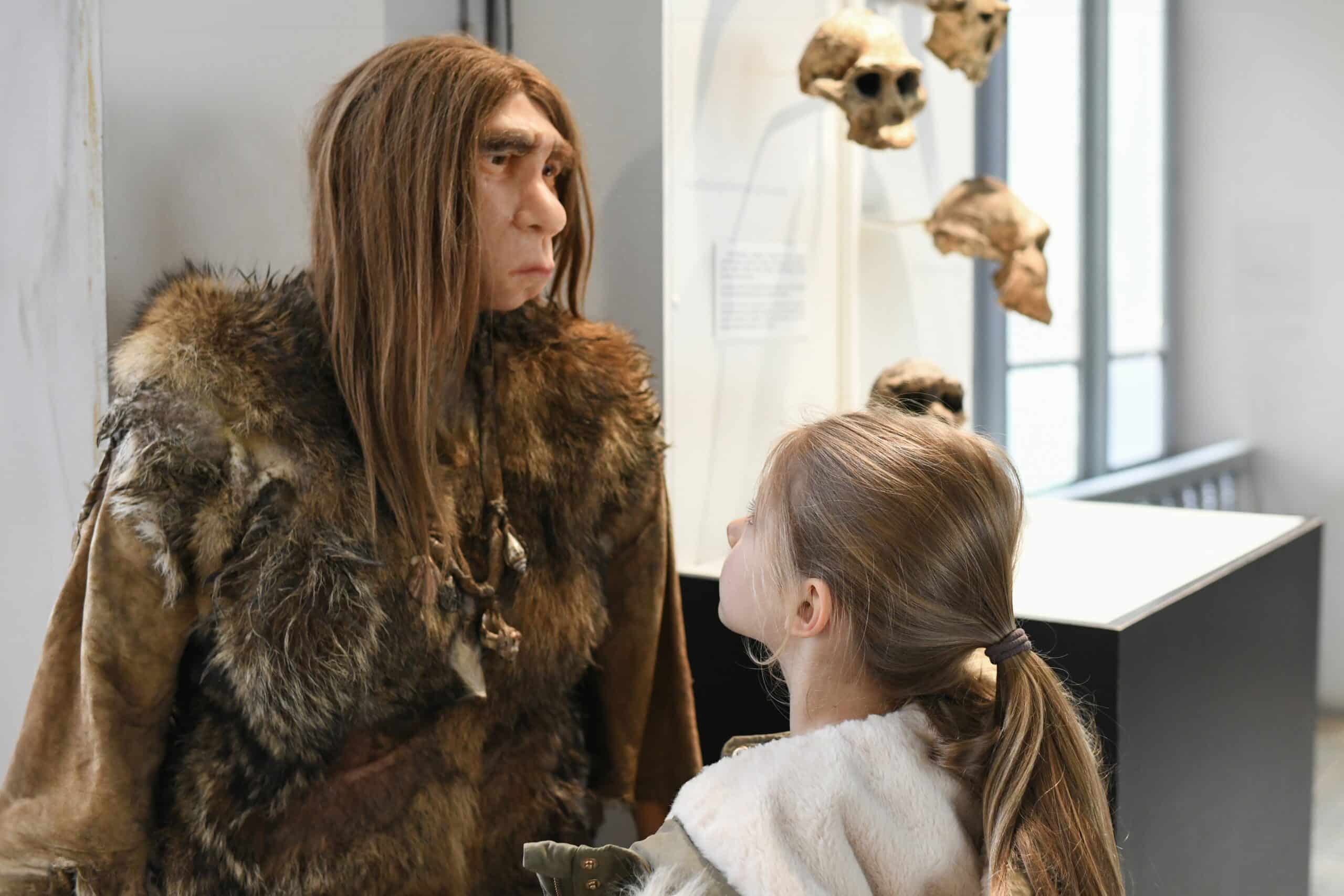
The ability to plan meals, control fire, and select diverse foods challenges the idea that Neanderthals were cognitively inferior. Researchers now argue these behaviors reflect complex thinking comparable to early Homo sapiens. Food preparation becomes another marker of intelligence.
A Clue Hidden in the Kitchen
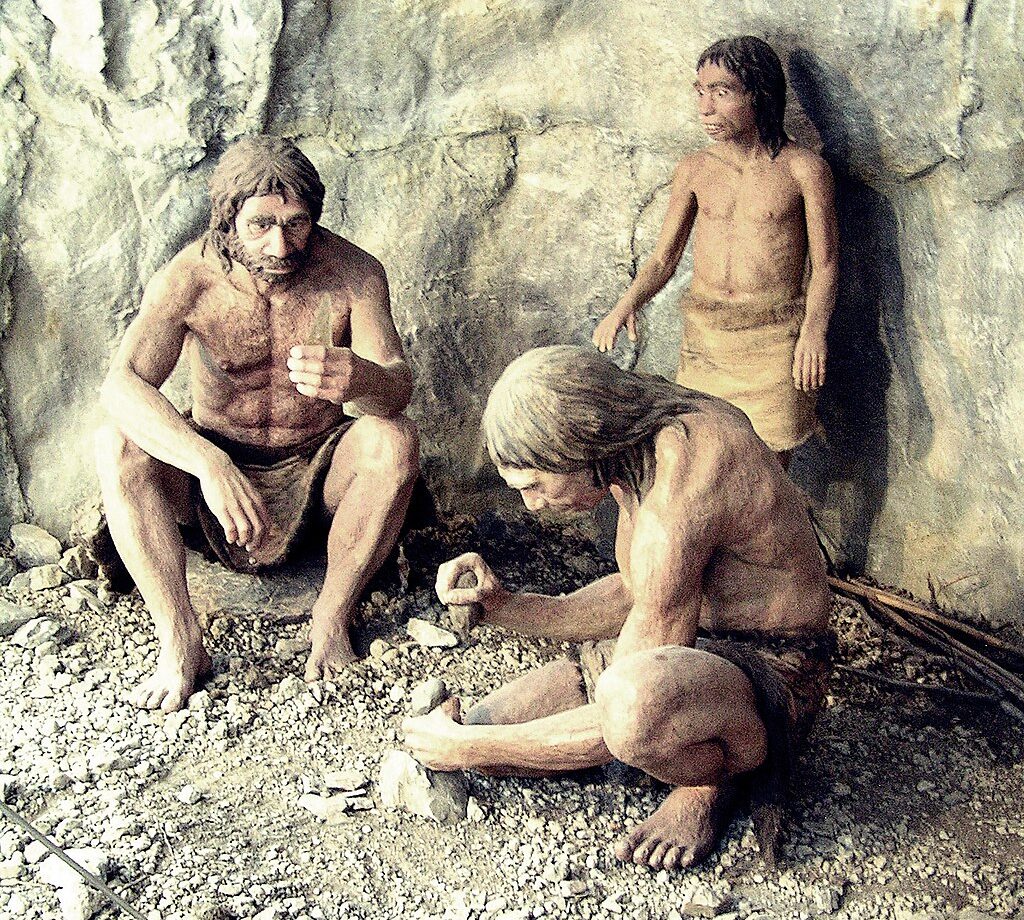
By recreating Neanderthal meals, archaeologists have uncovered a simple but powerful clue: cooking was habitual, intentional, and varied. This reshapes how scientists view Neanderthal life, shifting the focus from brute survival to thoughtful adaptation. What they cooked tells us as much about who they were as the tools they left behind.