Military-Themed Brewery Files $50 Million Lawsuit Against Norfolk Critics After Closure

An intense legal battle has emerged from the closure of a local business expansion, highlighting the growing intersection of the American culture wars, corporate liability, and protected free speech. A military-themed commercial craft brewery that abruptly shuttered its regional operations following heavy community pushback has launched a massive, multi-million-dollar counteroffensive in a Virginia state court. The high-profile litigation seeks to hold neighborhood critics directly responsible for the financial ruin of the enterprise, testing whether coordinated consumer boycotts can cross the legal boundary into unlawful economic destruction.
The legal action was formally initiated in the Norfolk Circuit Court on May 18, 2026, by attorneys representing the Armed Forces Brewing Company (AFBC). The sweeping civil complaint seeks a staggering $50 million in compensatory and punitive damages, alleging a highly organized, malicious conspiracy designed to economically isolate the business and force its commercial collapse. The primary filing targets a wide net of localized defendants, including Craft Beer Professionals founder Andrew Coplon, his wife Stacie Coplon, freelance photojournalist Zach D. Roberts, and political activist Robert “Butch” Bracknell.
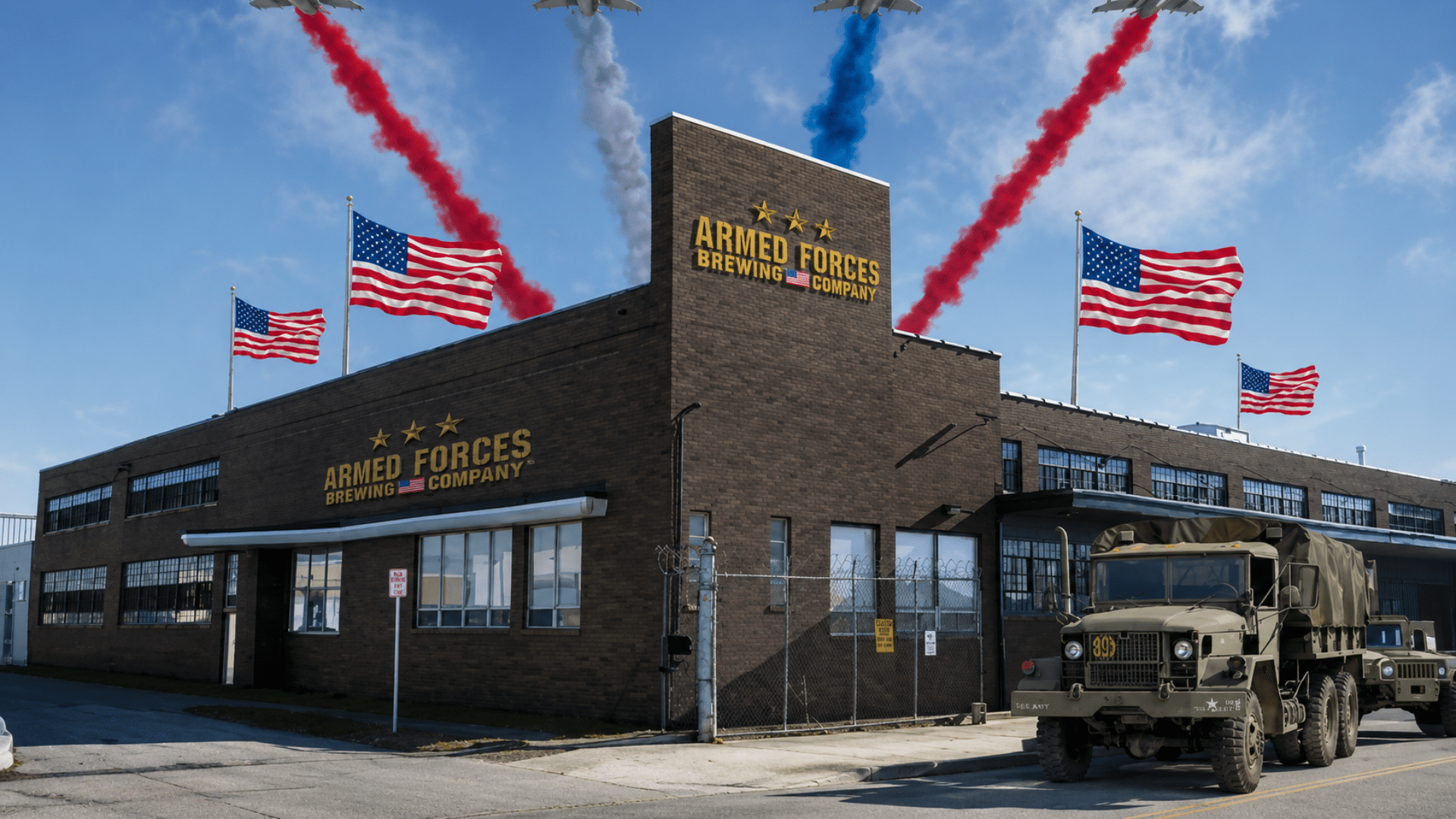
The aggressive legal escalation follows the volatile, highly publicized closure of the company’s manufacturing facility and public taproom in Norfolk, Virginia. Originally lured to relocate its primary headquarters from Maryland in 2023 by robust state tax incentives championed by conservative Governor Glenn Youngkin, the brand immediately found itself at the epicenter of a fierce community standoff. Following a mere 15 months of actual public operation, AFBC Chief Executive Officer Alan Beal announced the total suspension of regional operations, explicitly blaming the financial downfall on a hostile, organized local woke mob.
Conspiratorial Backlash vs. Protected Public Commentary
The primary point of contention defining the multi-million-dollar lawsuit is the precise line separating protected First Amendment speech from actionable, tortious business interference. In its comprehensive legal filing, AFBC asserts that the defendants did not merely engage in standard public criticism or standard neighborhood activism. Instead, the company claims the critics combined forces under Virginia’s statutory business conspiracy laws to systematically dismantle the brewery’s essential commercial infrastructure by targeting its peripheral relationships.
According to statements released by the company’s litigation team, the defendants allegedly engaged in an aggressive pressure campaign targeting third-party service providers. The lawsuit details dozens of specific incidents where activists allegedly harassed independent food truck vendors, regional distribution networks, local restaurants, and corporate sponsors to force them to sever ties with the brewery. The filing even alleges that the opposition group deliberately interfered with a planned charitable partnership with the YMCA and the Marine Corps Toys for Tots drive designed to feed active-duty military families.
“This lawsuit is about coordinated and intentional economic destruction, not free speech,” CEO Alan Beal encounters in an official corporate news release explaining the litigation. “The defendants didn’t merely criticize our company, they admittedly conspired and worked together to pressure our customers, vendors, sponsors, charitable partners, event operators, and business associates to sever ties with our company.”
Brand Ambassadorship and the Roots of Local Friction
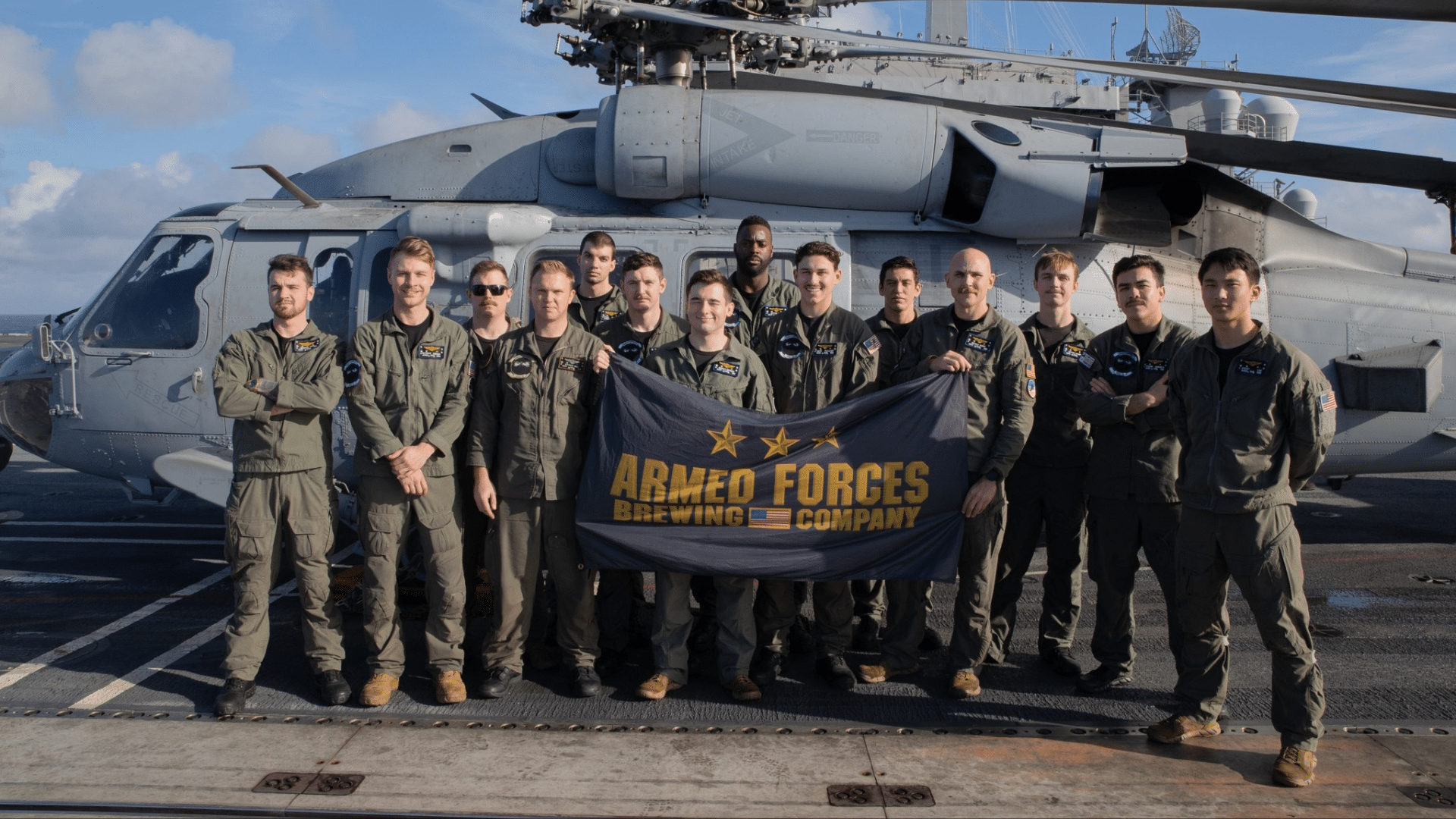
To understand the intense community resistance that ultimately greeted the brewery’s arrival in the Tidewater region, analysts point to the highly provocative marketing strategies and controversial leadership figures anchoring the brand. Much of the long-standing public friction focused heavily on Robert J. O’Neill, the former U.S. Navy SEAL widely known for his public claim of firing the fatal shots that killed Osama bin Laden. O’Neill served as a major shareholder, corporate advisor, and the highly visible national brand ambassador for the craft brewery.
O’Neill rapidly became a lightning rod for intense local criticism due to a series of highly volatile, politically charged social media posts, including public statements mocking transgender individuals and blasting the U.S. Navy for utilizing an active-duty drag queen as a digital recruiter. The internal corporate public relations dynamic fractured further in mid-2023 when O’Neill was arrested in Texas, facing criminal charges for public intoxication and assault after allegedly striking a hotel security guard and directing a racial slur at him, an incident that prompted the brewery to quietly step back his public-facing marketing role.
Beyond the controversies surrounding its primary ambassador, local civic organizations and neighborhood associations objected heavily to the brewery’s baseline advertising campaigns, which frequently merged military imagery with hyper-partisan messaging. One high-profile advertisement featured scantily clad models wearing faux-military uniforms, drawing sharp rebukes from local feminist organizations. Another digital campaign drew widespread ire from the region’s established craft beer community by explicitly attacking the rest of the domestic industry, framing alternative microbreweries as unpatriotic and pretentious.
Hidden Financial Realities and the Looming Legal Showdown
While the brewery’s executive leadership continues to publicly attribute its commercial failure entirely to the external pressure applied by political activists, independent financial audits and public records paint a significantly more complicated picture of the company’s structural health. Publicly available financial filings reviewed by corporate compliance analysts reveal that the Armed Forces Brewing Company was already losing massive amounts of capital long before it ever broke ground in Virginia. Security and Exchange Commission disclosures show the company posted an over $2.4 million net loss in 2023, following a $900,000 deficit the year prior.
State registry documents indicate the company was facing an array of severe, self-inflicted financial emergencies during its final months of operation in Norfolk. Multiple local vendors had filed independent civil lawsuits against the firm for non-payment of services, and a formal delinquent tax notice had been physically posted to the taproom’s front door by municipal collection officers. Former employee collectives had also filed formal reports with state labor boards alleging a systemic failure by corporate management to pay baseline wages, suggesting the business model was already fundamentally unstable.
The $50 million legal battle in Norfolk is poised to serve as a high-profile case study regarding the legal limits of modern public activism and consumer boycotts. As attorneys for the named defendants prepare their formal responses, the upcoming discovery phase will likely force both sides to completely unseal internal communications, financial tracking logs, and private digital messages. For the wider American business community, the high-stakes showdown stands as a stark warning that navigating the modern marketplace requires balancing aggressive political branding with strict adherence to basic fiscal realities.