Arsenic Discovered in Over 20 Popular Candy Brands

New testing by the Florida Department of Health has revealed that arsenic, a toxic heavy metal linked to cancer and other serious health risks, was detected in at least 28 widely consumed candy products, prompting concern among parents and caregivers ahead of candy-heavy holidays and celebrations as part of the state’s Healthy Florida First initiative to assess contaminants in foods commonly eaten by children.
The analysis examined 46 different candy items from 10 major manufacturers, including chocolate bars, gummies, hard candies and fruit-flavored sweets, and found measurable levels of arsenic, often in amounts that experts say could exceed safe annual intake limits if consumed frequently, especially for children whose bodies are more vulnerable to toxic exposures.
Public health officials stressed that arsenic is a naturally occurring element that can enter the food supply through soil, water and crop production processes, but the high levels in so many popular treats have raised questions about ingredient sourcing and manufacturing practices, prompting families to reconsider how much candy they serve or allow their children to eat.
Which Candy Brands and Products Were Affected
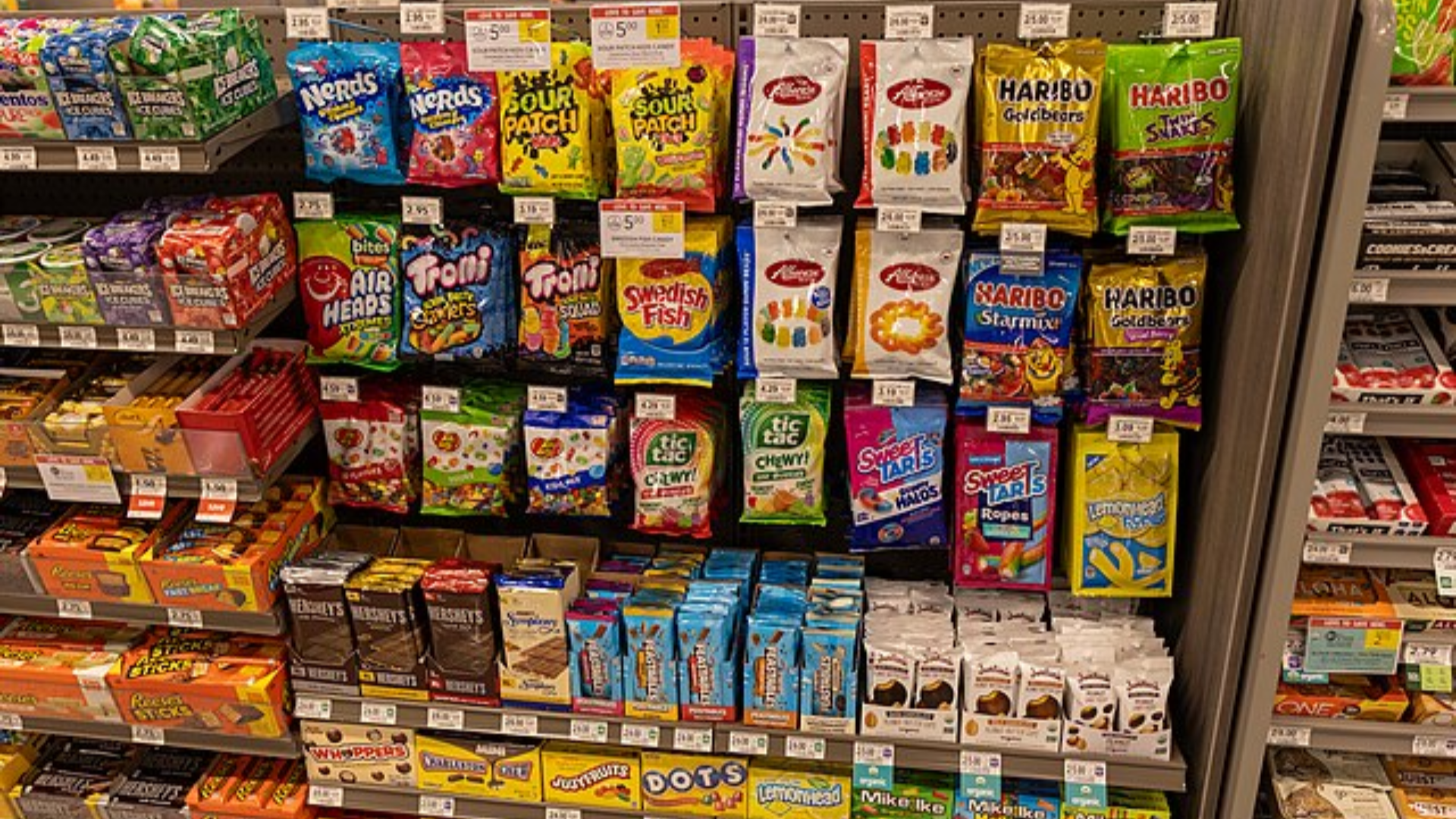
The report identified a wide range of brands and types of candy with arsenic levels of concern, including fruit chews, gummy bears, flavored hard candies and even some chocolate bars, illustrating that the issue is not isolated to a single type of treat but spans multiple companies and product styles that are staples of candy aisles nationwide.
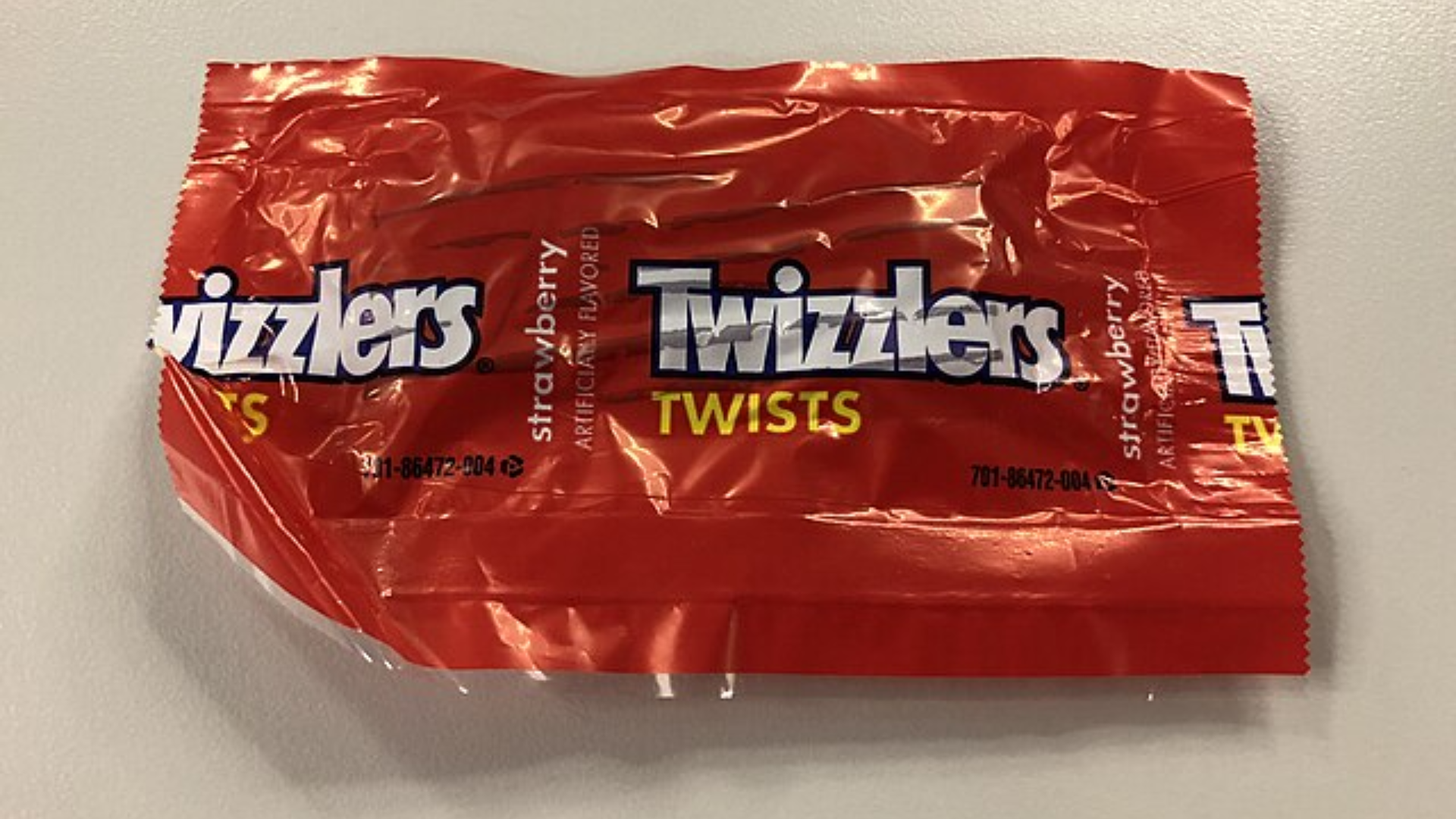
Among the products flagged were well-known favorites like Black Forest Gummy Bears, Laffy Taffy, Nerds, Skittles, Sour Patch Kids, Swedish Fish, SweeTarts, Twizzlers, Kit Kat and Jolly Rancher varieties, with some candies showing arsenic levels high enough that health advisors calculated very low safe consumption limits for children based on annual exposure risk.
For example, some types of candy were estimated to offer only a handful of safe pieces per year for children before arsenic exposure might exceed recommended limits, while adults could safely eat slightly more but still far less than typical serving sizes, highlighting how quickly cumulative exposure could build if these products were eaten regularly.
Health Risks and Official Responses

Arsenic is classified by health groups such as the Environmental Protection Agency and World Health Organization as a carcinogen, and long-term exposure can increase the risk of lung, skin, kidney and bladder cancers, as well as contribute to heart disease and neurological harm, especially in young children whose developing bodies are more susceptible to toxic effects.
Public health officials involved in the testing emphasized that occasional candy consumption is unlikely to pose immediate danger, but regular or high-volume intake over time could elevate cumulative arsenic exposure, which is why recommendations focus on moderation and awareness about which products were found to have the highest levels during testing.
Candy industry groups, including the National Confectioners Association, have disputed some interpretations of the findings and noted that trace amounts of elements like arsenic can appear in many foods due to environmental factors, but they also reaffirm that companies continually monitor ingredient safety and comply with existing food safety standards.
What Parents and Consumers Should Do

For families concerned about the findings, health experts recommend treating candy as an occasional indulgence rather than a daily snack, prioritizing balanced diets that limit sugar and possible contaminants while focusing on whole foods like fruits, vegetables and proteins that contribute to long-term well-being.
Caregivers may also choose to review labels, check product ingredient sources and stay informed about evolving food safety research, especially for products frequently consumed by children, as well as consult pediatricians or nutrition experts about dietary choices that minimize exposure to harmful substances.
Until broader food safety guidance or regulatory responses emerge, moderation and awareness remain key, with families encouraged to enjoy candy occasionally and mindfully, keeping portion sizes small and varied to reduce potential long-term health effects from repeated exposure to contaminants like arsenic.