As DoorDash Expands Drone Deliveries, What Could It Mean for Drivers?

For thousands of DoorDash drivers, the company’s newest announcement immediately raised one question: What happens to us?
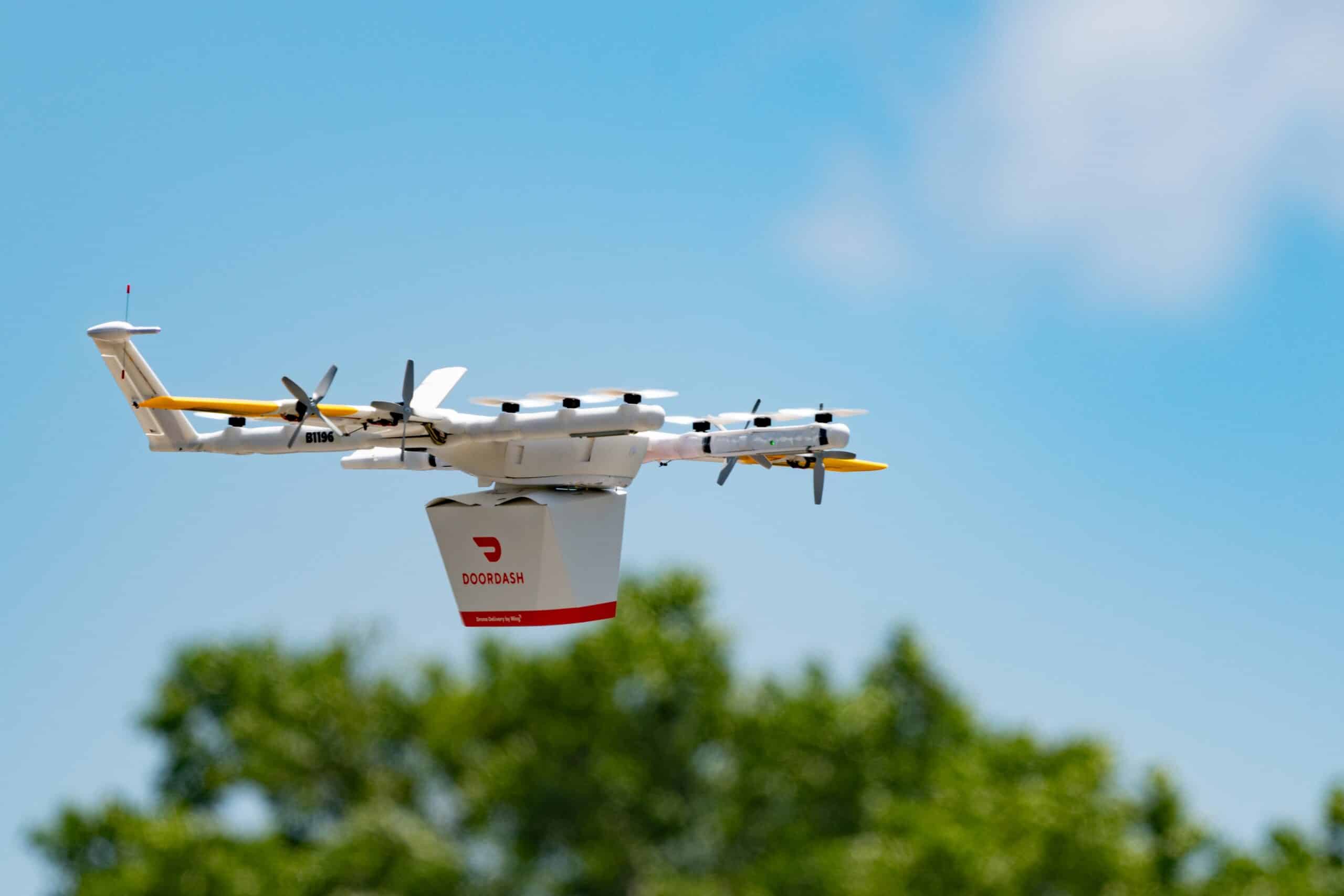
DoorDash has taken a significant step toward bringing drone deliveries under its own brand, launching DoorDash Air after securing Federal Aviation Administration (FAA) Part 135 air carrier certification. The announcement immediately sparked questions about whether food delivery workers could eventually be replaced by autonomous aircraft. While DoorDash says the technology is designed to expand its delivery network rather than eliminate human jobs, the rollout has reignited a debate over how automation will reshape gig work.
FAA Certification Opens the Door, But Flights Haven’t Begun
The company’s new certification makes DoorDash one of only eight operators authorized to conduct commercial drone delivery operations under FAA Part 135 rules. However, certification is not the same as immediate deployment. According to the FAA, DoorDash had not yet begun commercial drone deliveries because the agency must still review and approve the company’s aircraft and proposed operations before service can begin. DoorDash said it has already met the certification requirements and is operating according to its own launch timeline, though it has not announced a commercial start date.
DoorDash Is Building More Than Drones
Unlike its previous partnerships with companies such as Wing and Flytrex, DoorDash Air represents an effort to control nearly every part of the drone delivery process. The company says it is developing its own aircraft, routing software, merchant infrastructure, and operational systems through DoorDash Labs, its robotics and autonomy division. Rather than depending entirely on outside providers, DoorDash aims to build a logistics ecosystem that integrates drones alongside human couriers, sidewalk robots, and other autonomous technologies.
The Company Says Drones Fill a Specific Gap
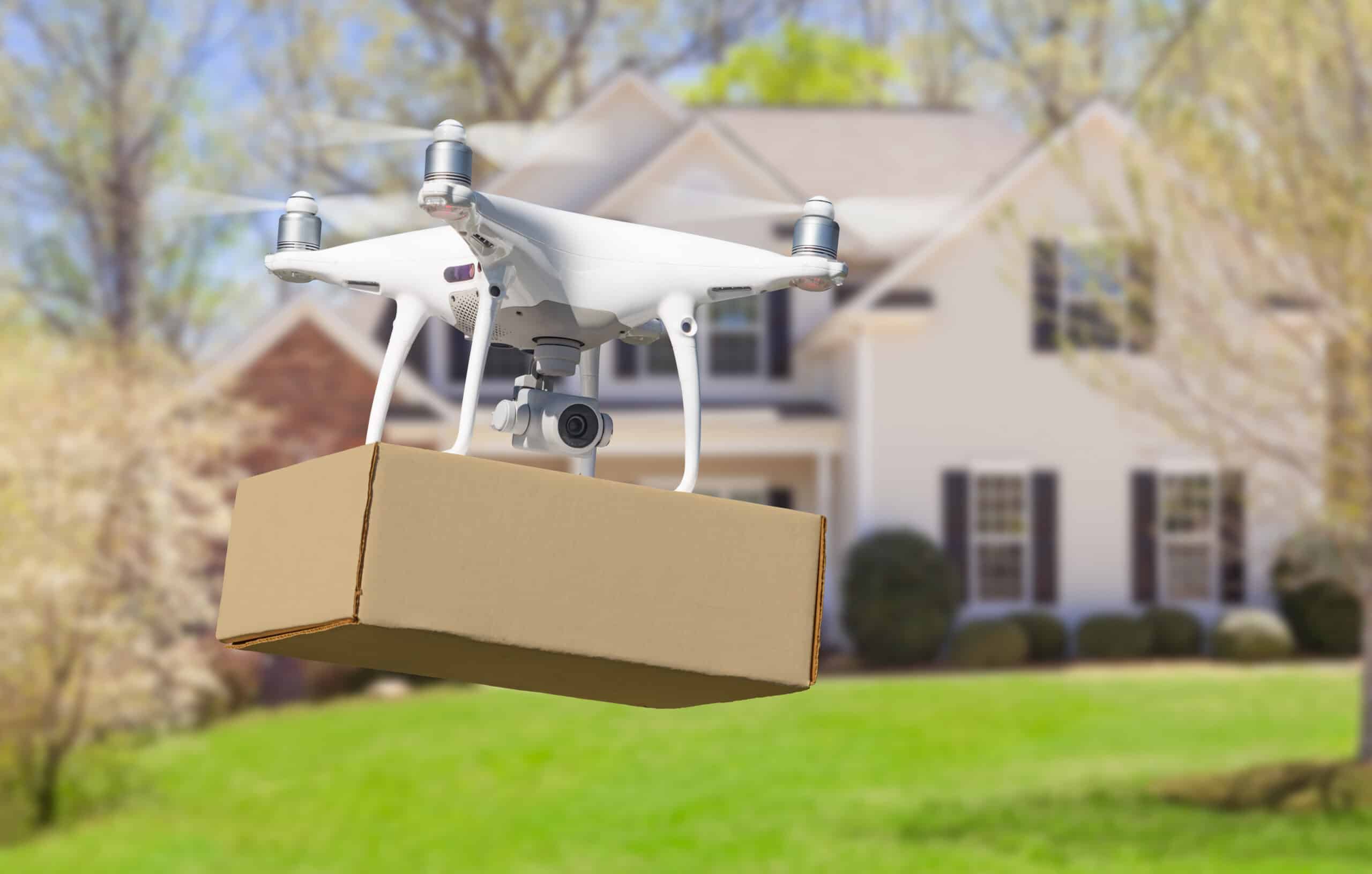
DoorDash argues that its drones are not intended to replace most deliveries. Instead, the aircraft are being designed for mid-range trips of roughly three to five miles, routes the company says are often less attractive to Dashers. According to DoorDash, more than 20 percent of orders fall into this category, and those deliveries take about 25 percent longer on average because they can be harder to assign to a driver. During pilot programs, the company said drone deliveries averaged about 25 minutes.
Dashers Still Handle Most Orders
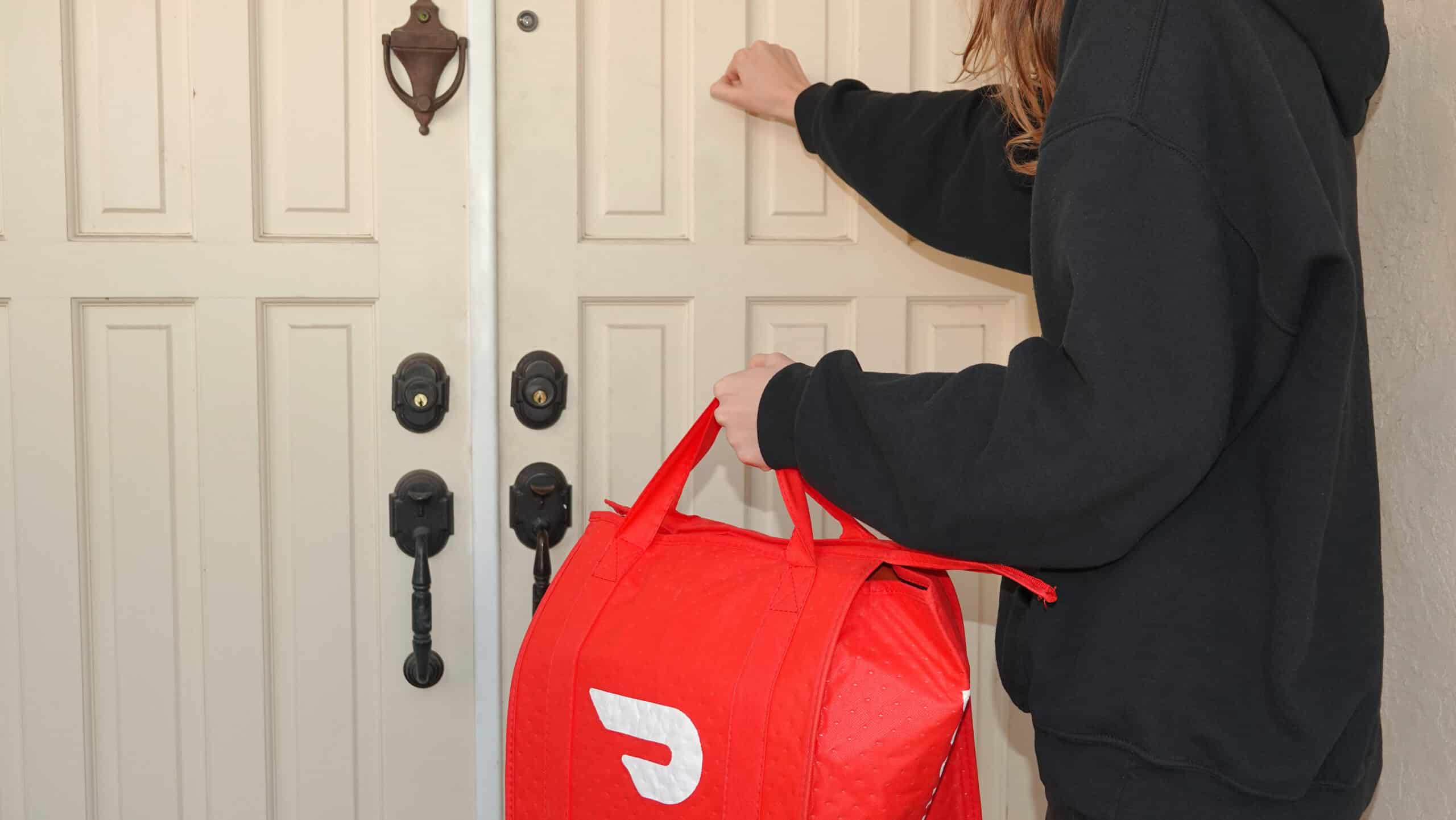
Despite concerns about automation, DoorDash has repeatedly emphasized that human Dashers remain central to its business. The company says couriers continue to complete the overwhelming majority of deliveries, including larger food orders, apartment deliveries, and other situations that drones cannot easily serve. DoorDash also says it expects deliveries completed by Dashers, drones, and sidewalk robots to increase together as overall demand for delivery expands into categories such as groceries, electronics, and cosmetics. In its words, the goal is “expanding the pie, not slicing it differently.”
Drone Delivery Has Been Years in the Making
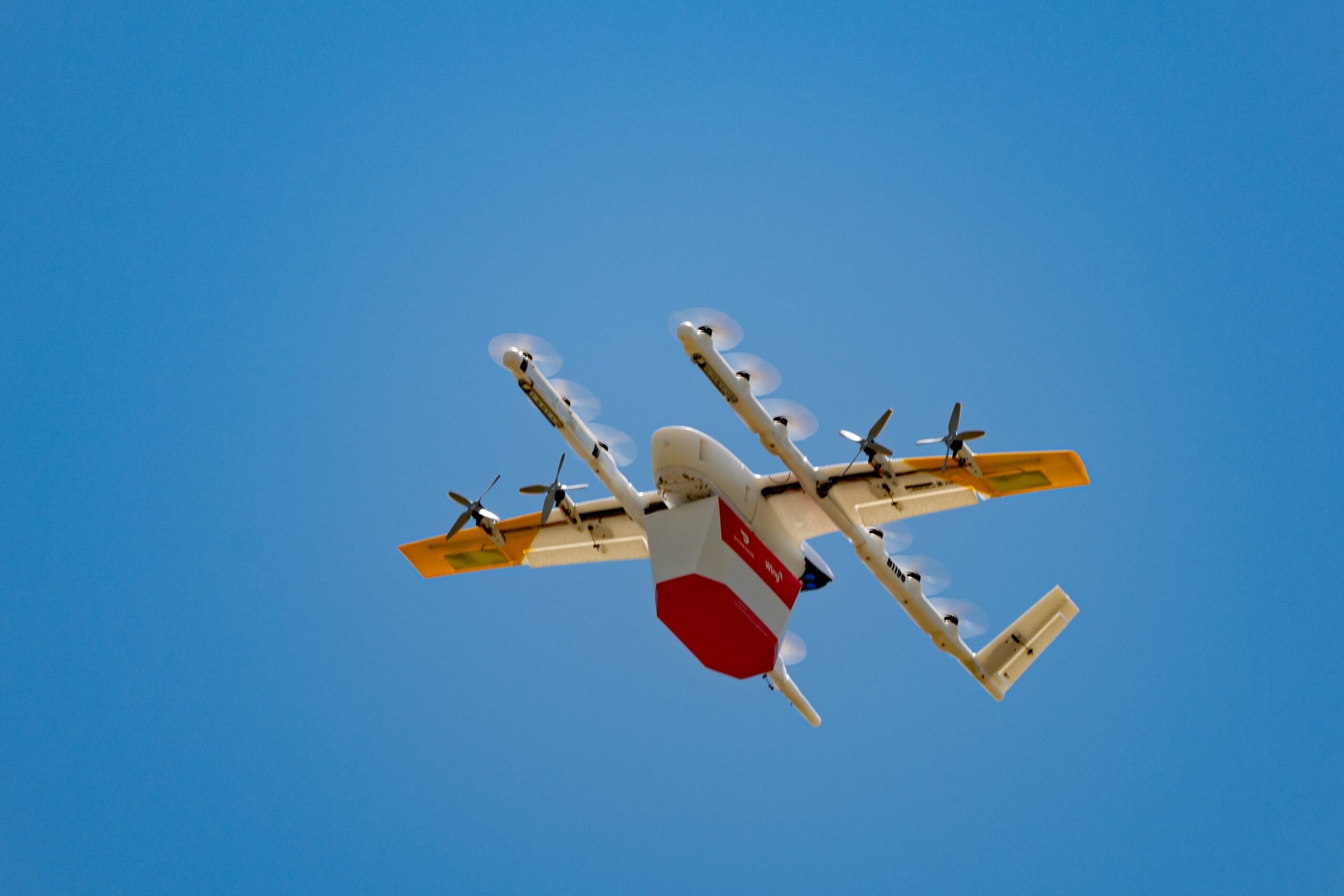
DoorDash’s latest announcement builds on several years of drone testing with outside partners. The company first partnered with Wing in Australia in 2022 before expanding pilot programs into parts of Virginia, the Dallas-Fort Worth area, and Charlotte, North Carolina. Those programs allowed eligible customers to order selected meals and everyday essentials through the DoorDash app for drone delivery. DoorDash says the partnership has already completed tens of thousands of deliveries while helping the company refine autonomous logistics before launching its own in-house system.
Some Workers and Customers Remain Skeptical
Not everyone is convinced drones will simply complement human drivers. Social media reactions ranged from curiosity to outright frustration. One Reddit user wrote, “Anything to keep from paying your drivers,” while an X user accused DoorDash of trying to “replace humans at all costs.” Another simply posted, “There goes my job.” Others questioned whether drones could safely deliver meals, avoid disturbing neighborhoods, or handle delicate food without spills. While many people expressed excitement about faster deliveries, the strongest online reactions reflected uncertainty about what automation could eventually mean for gig workers.
New Technology Could Also Create Different Jobs
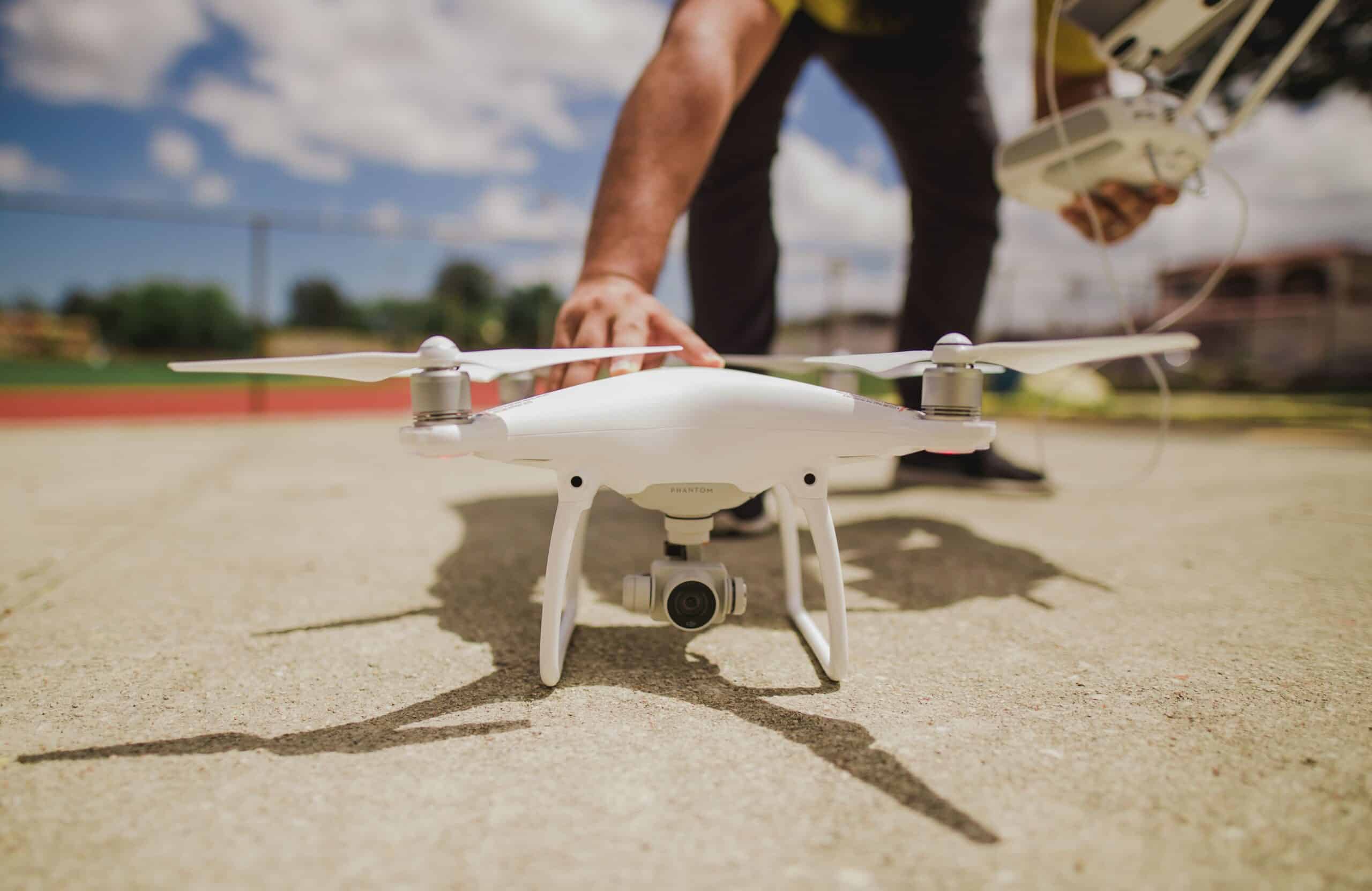
Newsweek noted that the discussion is not limited to jobs that could disappear. As drone delivery expands, companies may need workers with aviation, robotics, maintenance, software, and technical operations expertise that traditional food delivery has not required. That shift would not necessarily offset every driving job, but it illustrates how automation can change the types of work a company needs rather than simply reducing headcount. Whether those new roles become significant will depend on how widely drone delivery is ultimately adopted.
Regulation May Determine How Fast Expansion Happens
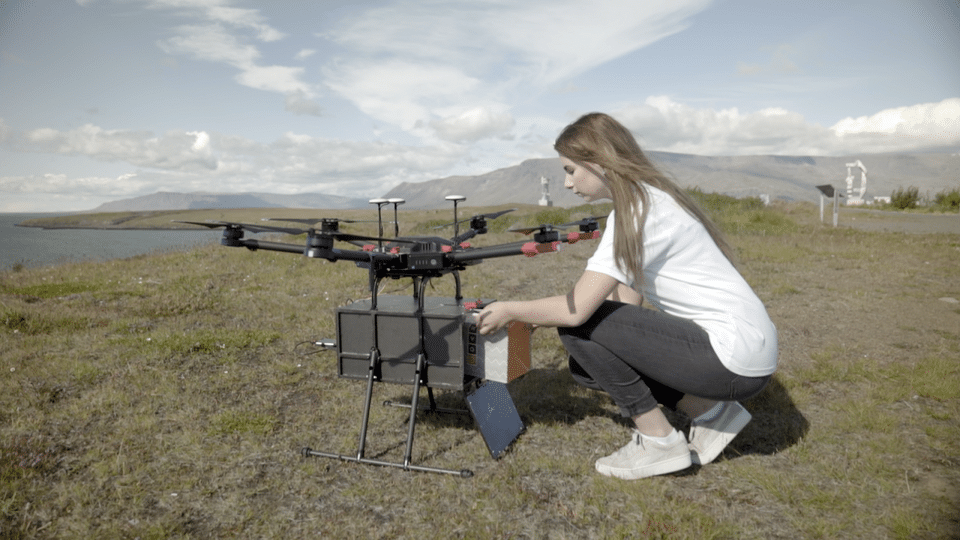
Even with FAA certification, widespread drone delivery faces regulatory and operational hurdles. Every commercial operation must satisfy federal safety requirements, and drone flights remain subject to restrictions involving aircraft approval, testing, and operational validation. Industry observers also point to ongoing FAA rulemaking that could influence how broadly drone deliveries expand in coming years. Those regulatory decisions may ultimately shape the pace of adoption as much as the technology itself.
The Future May Depend on Balance Rather Than Replacement
DoorDash’s drone ambitions highlight how food delivery is evolving beyond a single method of transportation. For now, the company’s strategy centers on combining human couriers, robots, partner technologies, and eventually its own aircraft within one logistics network instead of choosing one over another. Whether that balance holds as drone technology matures remains an open question, but the next phase of the debate will likely be shaped less by speculation and more by how the first commercial deployments perform once deliveries finally begin.