As ‘No-Tip’ Dining Spreads, Restaurant Owners Warn Service Could Suffer
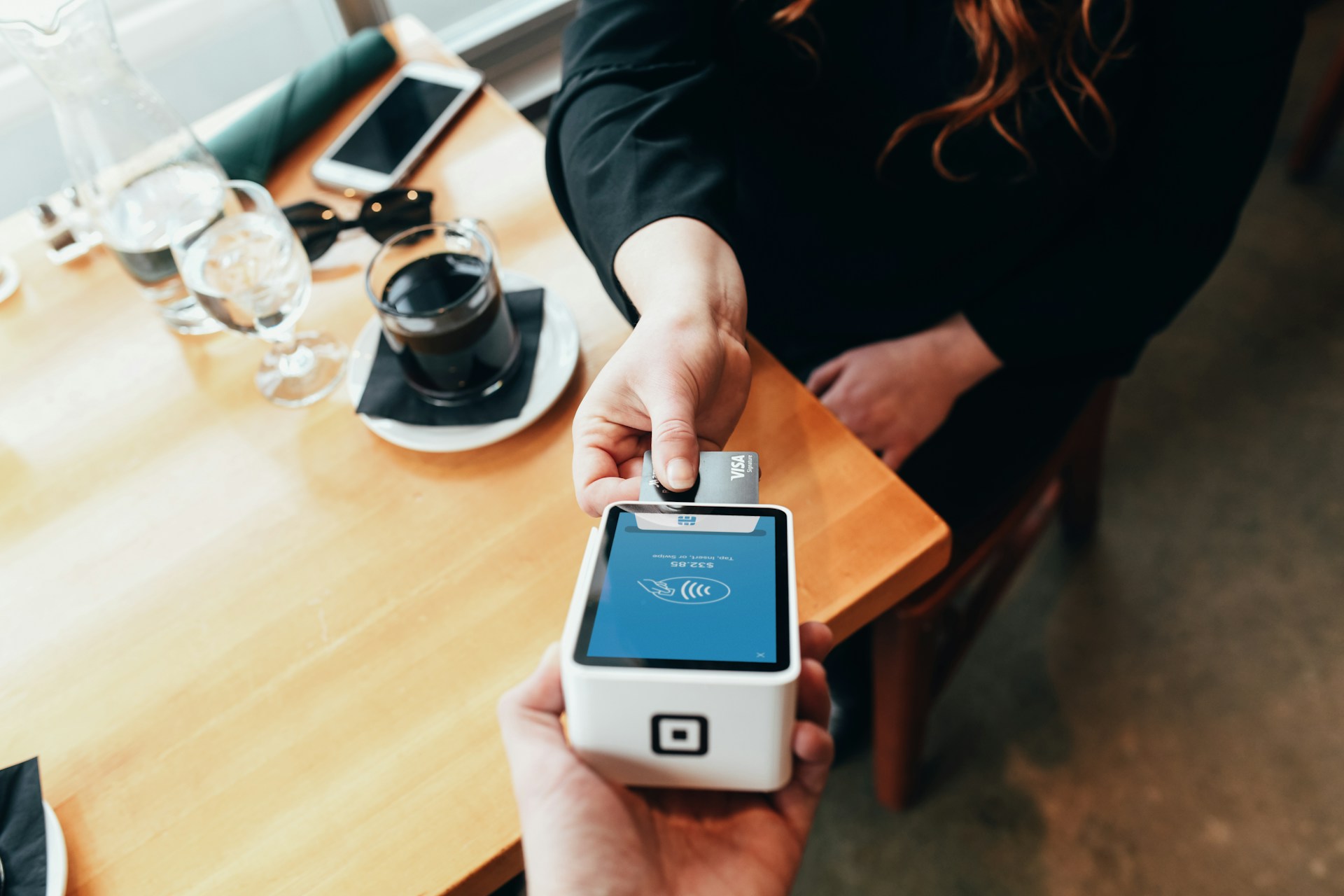

Tipping culture in the U.S. appears to be reaching a crossroads. Frustrated by rising suggested gratuities, service charges and digital prompts that ask for 25% on everything from coffee to takeout, many diners are pushing back. In response, some restaurants are experimenting with no-tip or “hospitality included” models, building labor costs directly into menu prices instead of relying on voluntary gratuities.
Joseph Magidow, chef and owner of La Cigale in San Francisco, told Fox News Digital that his restaurant adopted a fully inclusive pricing model to eliminate what he described as “unpleasant surprises” at the end of the meal. By baking wages into menu prices, he argues, diners get transparency and staff get stability — no more guessing whether a shift will cover rent.
But not everyone in the industry is convinced. Other restaurant owners warn that while the no-tip model may sound fair in theory, it could come with unintended consequences for service quality, employee motivation and long-term sustainability.
The Incentive Question: Will Service Slip?
One of the central concerns raised by traditional operators is incentive. Under the tipped system, strong service is often directly rewarded. Derek Simms, a Texas restaurant owner, told Fox News Digital that servers in his establishments can average between $40 and $60 per hour under the tip model. That earning potential, he argues, keeps staff motivated and performance-driven.
Simms and others believe eliminating tips could erode that drive. “I like the tip system,” Simms said, adding that it “rewards people” and keeps them hustling. Vicki Parmelee, owner of Jumby Bay Island Grill in Florida, echoed that concern, warning there may be “no incentive for the servers to be attentive and give extra-good service” without gratuities.
The fear is that dining could become more transactional. Without the possibility of earning more for going “above and beyond,” service might default to the basics of taking orders, delivering food and processing payment. For some owners, that shift threatens the very experience that differentiates a full-service restaurant from a fast-food counter.
Staffing, Wages and Economic Reality

Beyond service quality, the economics are complicated. While some operators argue that flat hourly wages create stability and fairness, others say the math doesn’t work. Simms warned that raising everyone’s pay to $15 or $20 per hour without tips could erase restaurant profits and force closures.
The issue is further complicated by wage disparities between front- and back-of-house staff. Under the traditional system, servers often earn significantly more than kitchen workers because they collect tips directly. Restructuring compensation to even out pay can create tension and requires higher menu prices to sustain.
Meanwhile, industry advocates note that tipped positions can offer strong earning potential. Michelle Korsmo, president and CEO of the National Restaurant Association, has said that tipped servers earn a median wage well above the federal tipped minimum, and that the earning potential is a major reason many choose the profession. For critics of the no-tip movement, removing gratuities could unintentionally push experienced servers out of the industry.
Diners Push Back and the Culture Shifts
On the other side of the debate are diners who say “tip fatigue” is real. Many customers express frustration at being prompted to tip in situations that once didn’t require it, such as counter service or takeout. Online forums show a growing number of people questioning whether the system has expanded too far, and whether refusing to tip changes how they are treated over time.
In one Reddit discussion, some users claimed they experienced no noticeable difference in service even when tipping rarely, while others shared anecdotes of tension between staff and regular non-tippers. The conversation reflects a broader uncertainty: does declining to tip affect future experiences, or is the impact overstated?
As more restaurants test no-tip models and more customers question traditional expectations, the industry stands at a crossroads. Owners who support tipping say it protects high service standards and earning potential. Reform-minded operators argue that transparency and wage stability are overdue. What’s clear is that dining out is evolving. And whether the future is gratuity-free or tip-driven, both restaurants and guests are recalibrating what hospitality should look like in 2026.