This Once-Bankrupt Pizza Buffet Chain Is Making a Comeback in Walmart Stores
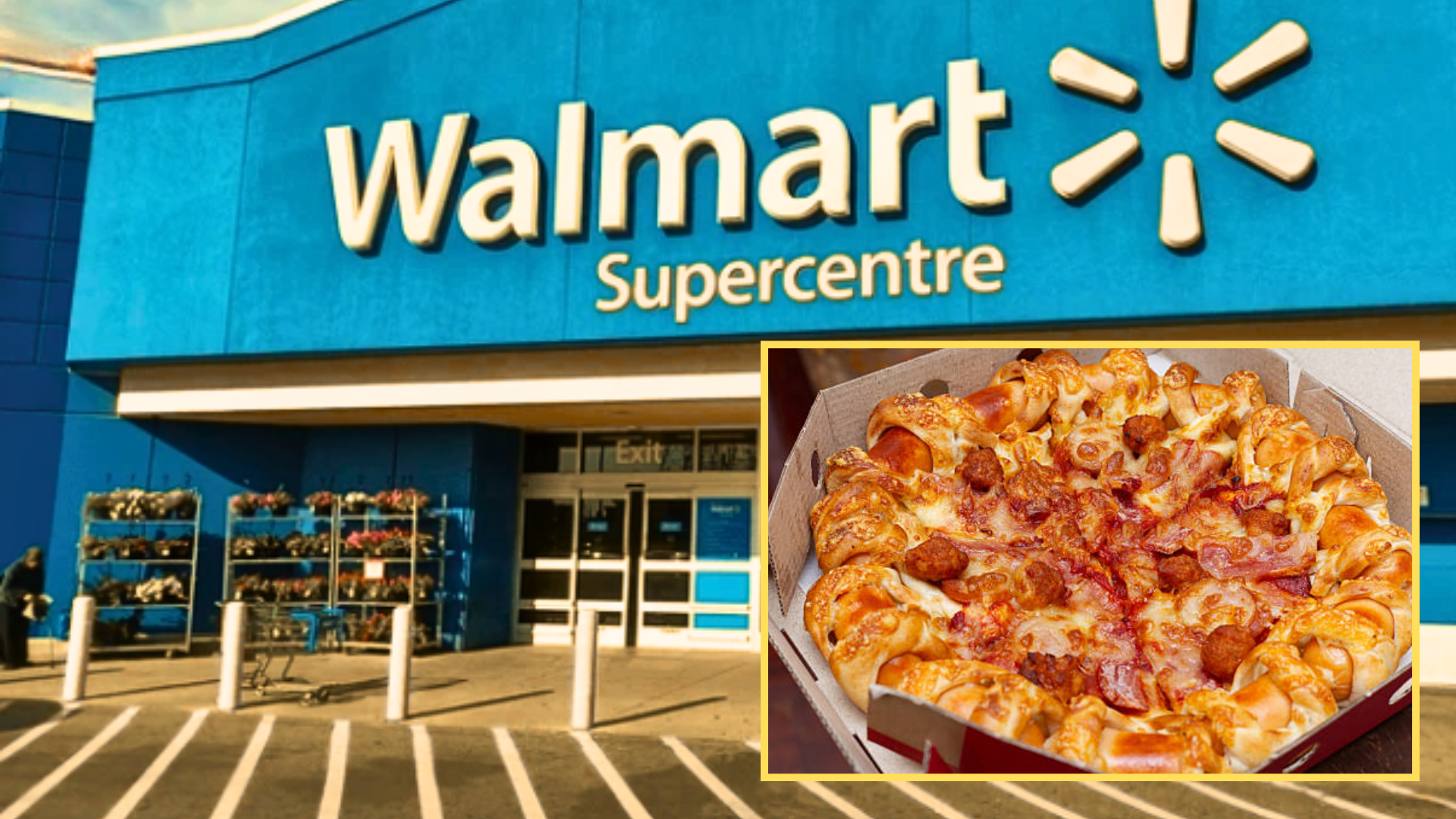

The return of a childhood favorite is often a source of pure nostalgia, but for fans of one specific pizza legend, the comeback seemed nearly impossible. After a bruising battle with bankruptcy and a global pandemic that shuttered countless dining rooms, this buffet giant appeared to be a relic of the past. However, a surprising new partnership is bringing the smell of fresh dough back to the public in an unexpected setting. The red-and-white signs are flickering back to life across the country.
Mr Gatti’s Pizza is currently staging a historic turnaround that has caught the retail world off guard. Originally a staple of the American South and Midwest, the chain became synonymous with weekend birthdays and arcade marathons. But the business landscape of 2019 was unkind, leading to a Chapter 11 filing that many thought was the final curtain call. The resilience of the brand is now being tested as it pivots from standalone “food-towns” to a more integrated retail model.
What makes this revival particularly intriguing is the scale of the commitment from the world’s largest retailer. Rather than a slow trickle of openings, the company has announced a surge of nearly 100 new locations. This isn’t just a nostalgic experiment; it is a calculated bet on the “eat-while-you-shop” consumer habit. What shoppers found next in the electronics aisle or near the pharmacy was more than just a snack bar.
The Texas Roots and the Military Pivot
The story of Gatti’s began not with a chef, but with a soldier in Stephenville, Texas. In 1964, retired Air Force Lieutenant Colonel James Eure opened a small shop with the intention of selling burgers, with pizza merely acting as a side dish. The demand for his pizza was so overwhelming that Eure was forced to close his doors for three days just to redesign his entire business model. By 1969, he moved to Austin and named the venture “Mr Gatti’s” as a tribute to his wife Patricia’s maiden name.
Authenticity remained the cornerstone of the brand even as it scaled into a regional powerhouse. Unlike modern chains that rely on frozen shortcuts, Gatti’s built its reputation on dough made fresh daily and a signature sauce that avoided the sugary profile of its competitors. Perhaps the most distinct feature was the use of real smoked provolone cheese, a detail that many loyalists claim is the “secret sauce” behind the flavor they remember from decades ago.
Current CEO Jim Philips describes the journey through the COVID-19 pandemic as “devastating,” yet the brand’s core identity survived the trauma. The transition into Walmart stores represents a modernization of Eure’s original vision. By placing these kitchens inside high-traffic retail hubs, the chain is grounding its survival in concrete foot traffic. The locations are currently rolling out across four key states, bringing specific regional favorites like BBQ chicken pizza back to the masses.
Why This Comeback Is Different and Worrisome
The pivot to Walmart locations marks a significant shift from the massive “Gatti-Land” entertainment centers of the 1990s. While the convenience is undeniable, it forces a change in the emotional arc of the dining experience. The move is a strategic response to a shifting economy where standalone buffet models are increasingly expensive to maintain. By piggybacking on Walmart’s infrastructure, the chain drastically reduces its overhead while maximizing its visibility to hungry families.
However, the impact of this expansion goes beyond just convenience; it reflects a broader pattern in the American food industry. As independent buffet chains continue to struggle, the “store-within-a-store” model is becoming a survival necessity. While fans are thrilled to see the brand return, the transition from a sprawling arcade paradise to a retail-integrated counter service raises questions about the future of the traditional buffet experience.
Expert warnings in the restaurant sector suggest that while these partnerships offer a lifeline, they also come with risks. The brand must maintain its quality standards within a high-speed retail environment to avoid becoming just another “fast food” option. The stakes are high, as the company is banking on Gen X and Millennial parents passing their brand loyalty down to a new generation of shoppers who have never stepped foot in an original Gatti’s.
A Tasty Warning for the Future
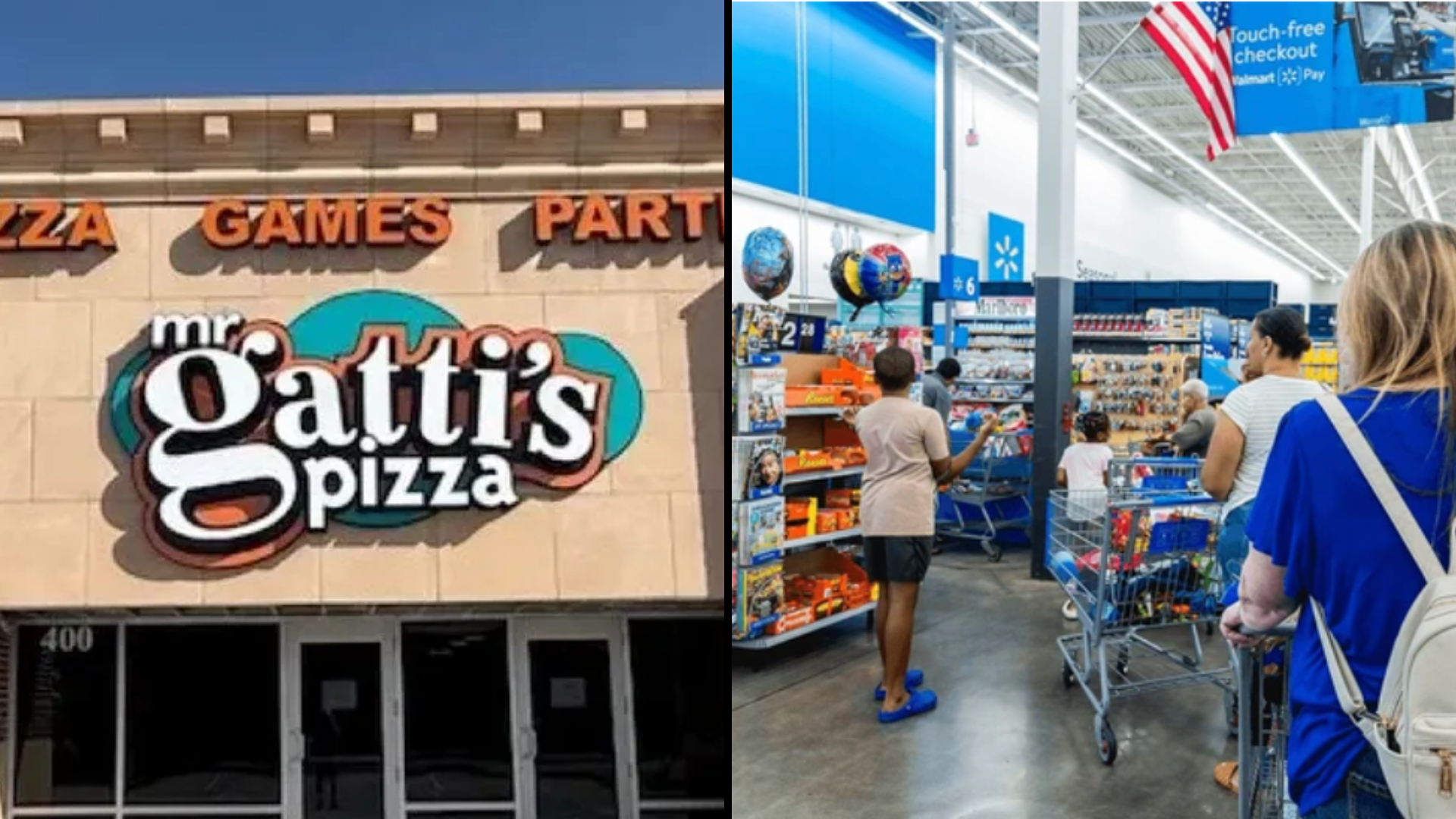
The revival of Mr Gatti’s serves as a powerful reminder that legacy brands can survive if they are willing to adapt. The 92-store rollout in 2024 is proof that there is still a massive appetite for the flavors of the past. It acknowledges that while the delivery and atmosphere might change, the demand for a specific, high-quality product remains constant even after a bankruptcy scare.
The urgency of this comeback is fueled by a sense of “now or never” in the post-pandemic market. For many, the return of Gatti’s is a small victory against the homogenization of modern food. It reminds us why these local favorites matter, they are the backdrops of our personal histories. If this Walmart experiment succeeds, it could provide a roadmap for other “lost” brands to find their way back to the American table.
Ultimately, the resurgence of this pizza icon is about more than just cheese and crust; it is about the endurance of a name. The “magical” feeling reported by returning customers suggests that some recipes are simply too good to stay buried. In the end, Mr Gatti’s proves that in the world of business, a well-loved brand never truly says goodbye, it just finds a new place to call home.

