Barred Chemist Shut Out of Research Went On to Spark a 1954 Cancer Miracle


In the early 1940s, Gertrude Elion did everything right. She earned a master’s degree in chemistry, graduated near the top of her class, and wanted nothing more than to pursue medical research. But again and again, doors slammed shut; not because she lacked talent, but because she was a woman. What followed was not a straight path to success, but a detour that would ultimately change cancer treatment forever. In 1954, Elion helped develop a drug that sent children with leukemia into remission for the first time, offering hope where none had existed.
Shut Out of the Lab Because She Was a Woman
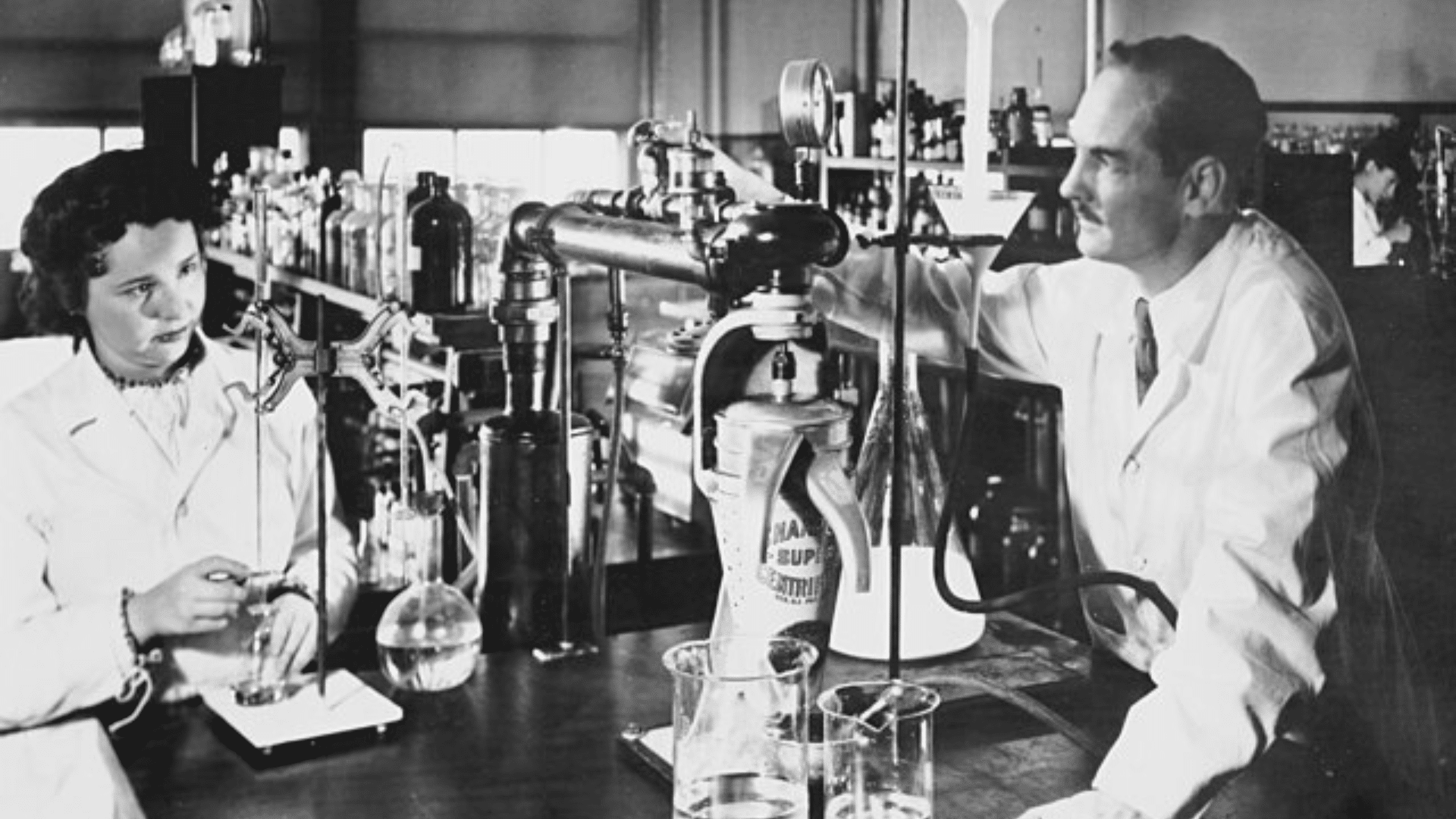
After completing her degree in 1941, Elion applied to multiple graduate and research programs. Most rejected her outright. Research positions, particularly in chemistry and pharmacology, were largely closed to women at the time. With limited options, she took work as a high school chemistry teacher and later as a food quality tester for a supermarket company, far from the research career she envisioned.
A Personal Loss That Fueled Her Determination

Elion’s motivation was deeply personal. When she was 15, her grandfather died of cancer; a loss that left a lasting mark. Years later, she would write that this experience fueled her desire to find better treatments for the disease. Even while sidelined professionally, she never let go of that goal.
A Breakthrough Opportunity at a Small Pharma Lab

Everything changed in 1944 when Elion landed a job at Burroughs-Wellcome, a pharmaceutical company now known as GSK. There, she joined the laboratory of George Hitchings, a scientist exploring a radical idea: designing drugs based on biology and chemistry rather than trial and error. It was an approach that would later be called “rational drug design,” and it gave Elion the chance she had been denied elsewhere.
A New Way to Attack Cancer at the Molecular Level

Elion and Hitchings focused on a key insight: all cells need nucleic acids — the building blocks of DNA — to divide. Cancer cells, which grow uncontrollably, need even more. If a drug could block nucleic acid production, it might selectively slow or stop cancer growth. This idea laid the foundation for a new class of treatments.
The Drug That Changed Everything in 1954

In 1950, the team identified a compound called 6-mercaptopurine (6-MP), derived from purines. In laboratory tests, it inhibited leukemia cells. Animal trials showed slowed tumor growth. Then came human trials. By 1954, children with acute leukemia; a disease that was almost always fatal within months were given the drug. Fifteen children went into remission, some for weeks, others for months. It wasn’t a cure, but it was the first real breakthrough.
Hope, Heartbreak, And a Refusal to Quit

Elion described feeling elated when children improved, and devastated when the disease returned. But she and Hitchings refused to stop. They continued refining treatments, eventually combining 6-MP with another chemotherapy drug, methotrexate. The combination produced longer, more stable remissions; a critical step toward modern leukemia treatment.
A Career That Quietly Reshaped Modern Medicine
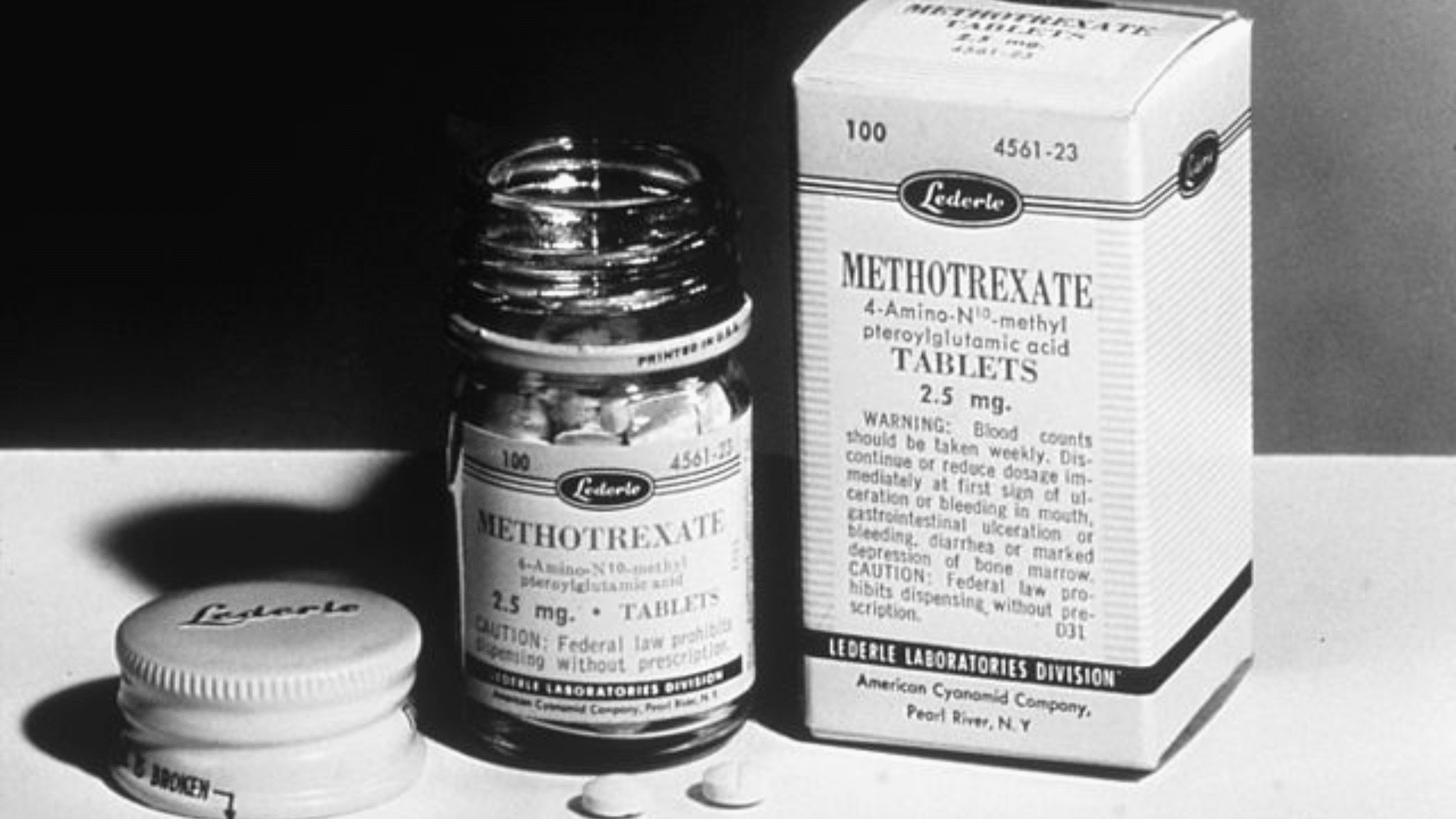
Elion’s work didn’t stop with cancer. Over the following decades, she helped develop life-saving drugs used to prevent organ rejection, treat autoimmune disease, combat viral infections like herpes, and fight HIV/AIDS. Her work influenced how drugs are designed across medicine, even though she never earned a PhD.
Recognition That Came Decades Later

In 1988, Gertrude Elion received the Nobel Prize in Physiology or Medicine alongside George Hitchings and James Black. The award recognized her role in developing “important principles in drug treatment”, a career that began with rejection and ended with global impact.
The Legacy of a Scientist Who Wasn’t Supposed to Succeed

Gertrude Elion’s story is not just about a medical breakthrough, it’s about what happens when talent is nearly lost to bias. Shut out of research, delayed for years, and underestimated at every turn, she still helped create one of the first effective cancer treatments and reshaped modern pharmacology. The children who entered remission in 1954 lived only months longer but those months proved something revolutionary: cancer could be fought. And that idea changed medicine forever.